Autocar India
AR

Arun

17w

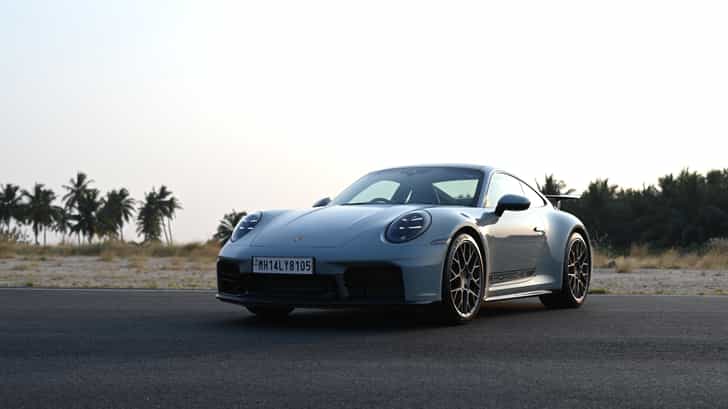
I want to buy a Porsche GT3. I have not driven a sports car before, and I currently drive a Jeep Compass. How can I gradually move into the sports car segment?

Autocar India team

Autocar India

Verified
16w
While the Porsche 911 GT3 is a superb sports car - and will be launching in its latest 992.2 guise in early 2026 - it is perhaps too much of a handful for one's first sports car. The GT3 has lowered, firm suspension, which, while great for handling, is not comfortable and makes the car twitchy to drive, and similarly, its steering is heavy, and its power delivery is sharp.
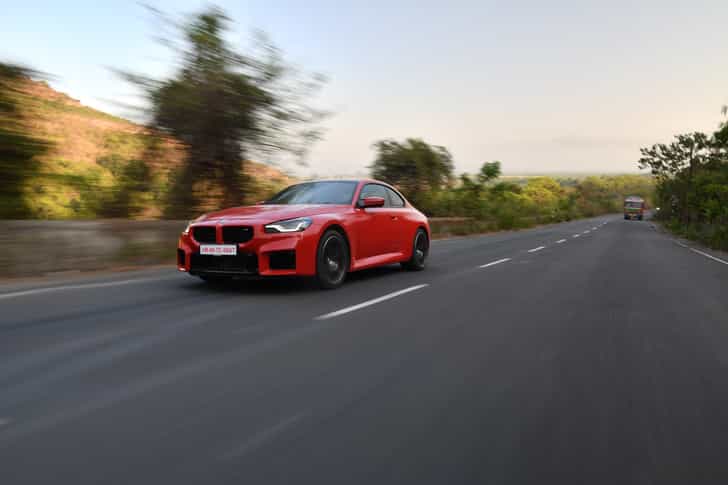
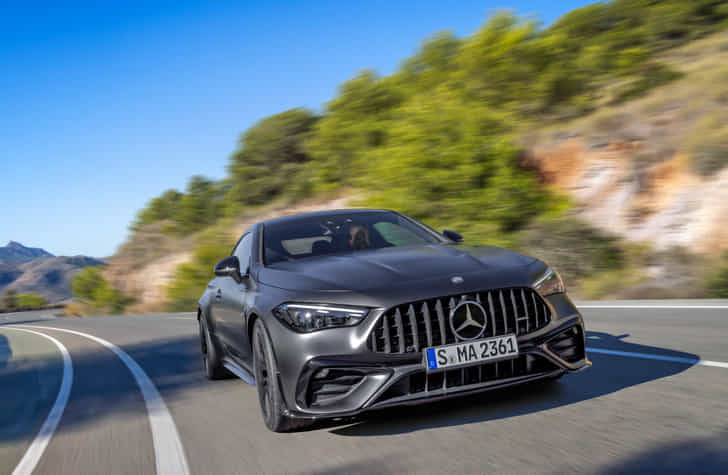
It's a sports car you graduate to after some experience with more manageable performance vehicles, better suited to the track than the road, and worth buying once you are fully committed. Plus, at a price of Rs 3 crore, it is an expensive gateway option. It's better to start out with a more usable car, which still has strong performance, like the BMW M2, or the Mercedes-Benz CLE AMG 53.
These cars are more usable every day, while still having great flash value and strong performance. They will let you become accustomed to a greater deal of performance, and deploy it safely on the road. The GT3 can come at a later stage.
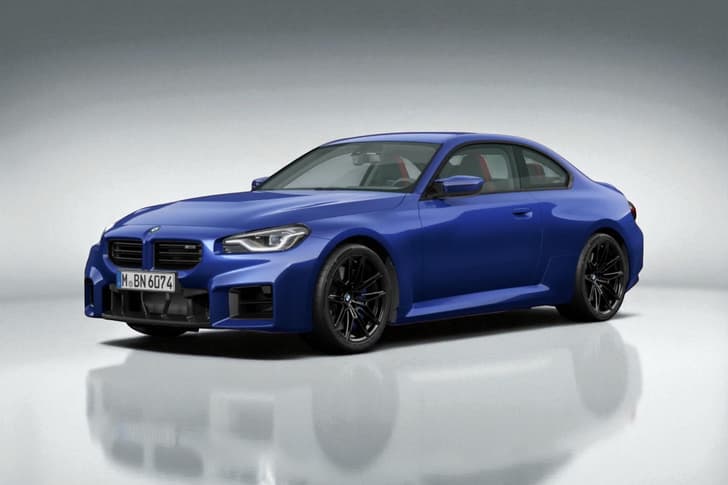
BMW M2 Coupe

BMW M2 Coupe

More questions on similar cars

SM

Saurabh Misra

4h

I live in Himachal Pradesh and am looking for a dependable SUV for long-distance drives in the mountains as well as highways in the plains. This vehicle will replace my 18-year-old Mitsubishi Pajero. I would appreciate your suggestions for a reliable and capable replacement suited to my usage.

Autocar India team

Autocar India

Verified
45m

For that requirement, the Toyota Fortuner is the safest bet. It feels built for bad roads, can be had with proper low-range four-wheel drive for steep, loose climbs and snow, and Toyota’s service reach is strong even in smaller hill towns. On highways, it sits steady at speed, the seats are supportive, and you can load it up with family and bags without worry. Coming from a Pajero, you will feel the same go-anywhere confidence but with a far more modern cabin and easier ownership.Two things to keep in mind. It is very expensive for what it is, and in slow, broken patches, the ride can feel firm. It is also a big SUV, so narrow village lanes and tight hotel parking will require patience.If you want most of that ability for a lot less money, look at the Mahindra Thar Roxx. It too can be had with low-range four-wheel drive, strong pull at low speed for hairpins, and Mahindra support is widespread in the North. You give up some highway polish, and it may not be as rock-solid reliable as a Toyota, but it is a serious mountain tool. Overall, the Fortuner fits your brief best; the Thar Roxx is the strong value alternative.

VehicleToyota Fortuner
VehicleMahindra Thar Roxx
OB

Obiwan

19h

Hi Autocar Team, I would love your opinion on my use case. My situation: I am relocating to our farm, which is about 200 km from Bangalore. The car will be used occasionally for drives between my village and Bangalore (likely at least once a month), and otherwise as the primary vehicle for local travel, including trips to nearby towns, temples, and the Western Ghats. Requirements: Good boot space, as we will often carry a lot of haul (for example, kitchen supplies). Comfortable for a family of four, including elderly parents. Captain seats in the middle row would be preferred. The last 2-3 km to the farm is on unpaved/uneven roads, and nearby roads may also be inconsistent. I am unsure whether a body-on-frame vehicle is necessary or overkill for this usage. Currently using a 2006 Swift, which struggles on such terrain. Budget: Initially ₹20 lakh, now stretching to the mid-₹20 lakh range. Cars I have test-driven: Mahindra Scorpio N - Did not like the body roll Mahindra XUV700 - Too plush/soft for my needs Mahindra XUV300 - Felt underpowered Mahindra Thar Roxx - Loved it, but not practical for family EVs are not feasible due to an unreliable power supply Current bias: Toyota Innova Crysta - After driving it, it felt like the most suitable, reliable option for my use case Concerns: Automatic vs manual (Crysta is manual only) Diesel longevity given future regulations Long-term ownership (10-15 years) Am I making the right choice with the Innova Crysta, or are there better alternatives I should consider?

Autocar India team

Autocar India

Verified
1h

You've done a lot of research, and for the most part, you're right about the Toyota Innova Crysta. The ladder frame chassis means it can take a beating, it's almost flawlessly reliable and will run for decades on end, and even when it's time for maintenance, it should be relatively reasonable, too. We would have recommended the Toyota Hycross hybrid, which is a more sophisticated version of the Crysta in every aspect, but as you said, it's out of your budget. Do note, higher Crysta variants push Rs 30 lakh on the road themselves. That said, we don't feel a ladder frame chassis is strictly necessary given your usage. While tough, it does make the ride incredibly busy on rough patches, it feels quite heavy to drive, and it places the cabin higher, which could make ingress and egress cumbersome for your parents down the line. An automatic would have been ideal, but given your usage is infrequent, a manual should be easy enough to live with. While the future of diesel is uncertain in the Delhi NCR, the rest of the country hasn't seen a change in policy for some time, and if you're keen on a diesel car, you should go for it. While the Innova Crysta does seem like your best bet, you should also check out an often overlooked three-row SUV, the Hyundai Alcazar. It's not as powerful as the Innova, but it is far more sophisticated, easy to drive and cheaper to buy. Plus, you get the option of a diesel automatic, and Hyundai's service network is widespread and of good quality. Though a monocoque, it'll handle rural rough patches just fine, too, so as an alternative, we think it's worth consideration as well.

VehicleToyota Innova Crysta
VehicleToyota Innova HyCross
VehicleHyundai Alcazar
BM

Bm

1d

I have been using a Kia Sonet iMT for the past 5 years, but it has recently started giving gear shift and locking issues. I am now planning to buy a new automatic car within a budget of ₹15-16 lakh. A key requirement is front ventilated seats, as I have an open parking space, and the car tends to heat up significantly. My usage is primarily city driving, around 1,000-1,200 km per month.

Autocar India team

Autocar India

Verified
3h

The Skoda Kylaq is one of the few cars in your budget that offers ventilated seats along with a proper torque converter automatic, which is smoother and more reliable for city driving compared to AMTs or DCTs. That directly addresses your daily usage of 1000-1200 km in the city, where ease of driving and comfort matter the most.What also works strongly in its favour is the overall driving experience. The Kylaq has a punchy turbo petrol engine, good ride quality and feels more stable than most compact SUVs. So even when you step out for occasional highway drives, you feel confident and composed. The cabin is well built and feels premium enough for long-term ownership.Now, looking at alternatives. Cars like the Hyundai Venue, Kia Sonet and Tata Nexon also offer ventilated seats in this price range. However, all three cars are offered with DCT gearboxes in petrol automatics, which can feel jerky in slow traffic over time. In comparison, the Kylaq’s automatic is simply easier and more relaxed to live with.

VehicleSkoda Kylaq
VehicleHyundai Venue
VehicleKia Sonet
VehicleTata Nexon

Posted on: 3 Jan 2026