Latest questions answered by experts
Hello, I've been looking to buy a new automatic petrol car with either a TC or a CVT transmission for a family of three. Our usage will mainly involve daily city driving in Bengaluru, with occasional highway trips of 100-500 km. So far, we have tested the Skoda Slavia 1.0 TC, Kylaq and Kushaq, Volkswagen Virtus 1.0 TC, Honda Elevate facelift (2026), Kia Sonet, Tata Punch AMT, Tata Sierra DCT and TC automatic options, and Punch EV. My wife is a beginner driver who currently drives a manual turbo sedan and a hatchback, so the car should also be suitable for her daily driving needs. Personally, I loved the Slavia for its punchy performance, handling, ride quality, softer suspension in the city and safety. However, I'm concerned about EPC errors and reliability issues. Since I already drive a turbo car, I enjoy the strong performance on highways, particularly the quick overtakes and punch. My wife, on the other hand, prefers sedate driving, although neither of us is particularly enthusiastic about driving. She preferred the Honda Elevate CVT over the Sonet. We're quite confused about which automatic to choose from these options. Please help us decide.
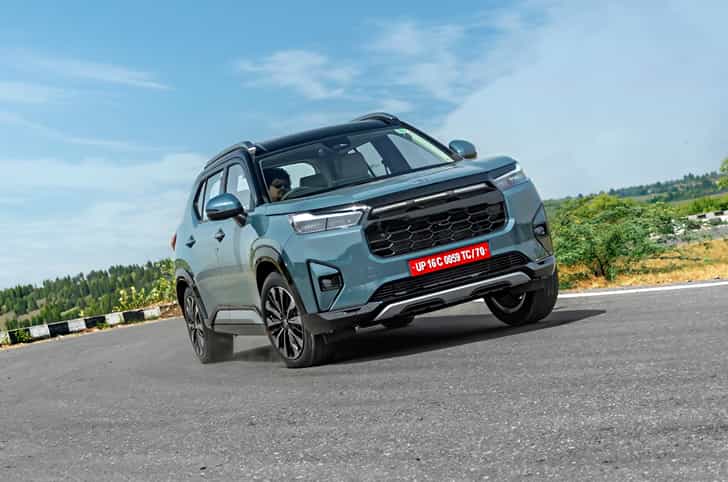
Based on your preferences, we'd advise you to narrow down your choice between the Honda Elevate 1.5 CVT and Skoda Slavia 1.0 TSI AT. The Honda Elevate will be a bit easier to drive for your wife, who is a new driver, given its higher seating position and more responsive naturally aspirated petrol engine without any turbo lag. Its CVT (automatic) is seamless, and its engine delivers strong performance to keep you entertained. Overall, the Elevate is a comfortable, practical, no-nonsense SUV with excellent ride comfort. Given Honda's reputation for reliability, you can look forward to a trouble-free ownership experience.The Skoda Slavia, being a sedan, will feel a bit nicer to drive given its low centre of gravity and relatively less body roll. The 1.0 TSI will also feel more effortless while making quick overtakes on the highway. Its 179mm ground clearance and large boot make it a very practical car for long family drives.In the initial year/s of its launch, some owners reported EPC errors, possibly due to poor fuel quality. However, the Slavia has been on the market for over four years now, and complaints of the same issue are extremely rare, indicating that it may have been resolved. If you loved the Slavia for what it offers, go for it. It'll leave you smiling every time you get behind the wheel.

I have been riding a RE Hunter 350 for the past 4 years and love its low-end torque and relaxed city character. However, I hope that it brings back the lightweight, punchy, "zingy" thrill of the old Yamaha RX 100/135. I have shortlisted KLX230 and have taken it test ride in Bengaluru on broken, waterlogged, pothole-filled roads and have thoroughly enjoyed it. The S variant wasn’t available for me to try. I enjoyed the deltabox/VVA engine of XSR155. Is it worth modding W175 to US LTD look? Dealer says it is off sale. SR250 fits my aesthetics, but I have doubts about its reliability and long-term ownership. Also, does a dual-sport or a light street bike like the XSR 155 make the ultimate garage companion to a Hunter 350? Is it worth holding out for/modding the W175 or trusting Keeway. Also, do the Yamaha/Kawasaki dual-sports beat them out-of-the-box for raw, lightweight fun?
Since you already have a Hunter, getting another road-oriented bike will give you largely the same experience and we'd recommend choosing a different form factor to broaden your horizons. From your shortlist, the Kawasaki KLX230 (and the lower seat height & suspension travel 'S' version) will be the best fit for your two-bike garage. In that same vein, we'd also recommend Honda's new XR300L & XR300 Rally because they will have similiar capability as the KLX but are far more affordable and will likely have a small performance edge owing to their larger-capacity motors. Once you're able to test ride the XR300s, pick between these & the KLX for your next purchase.
Upcoming launch buzz
Community discussions on upcoming launches
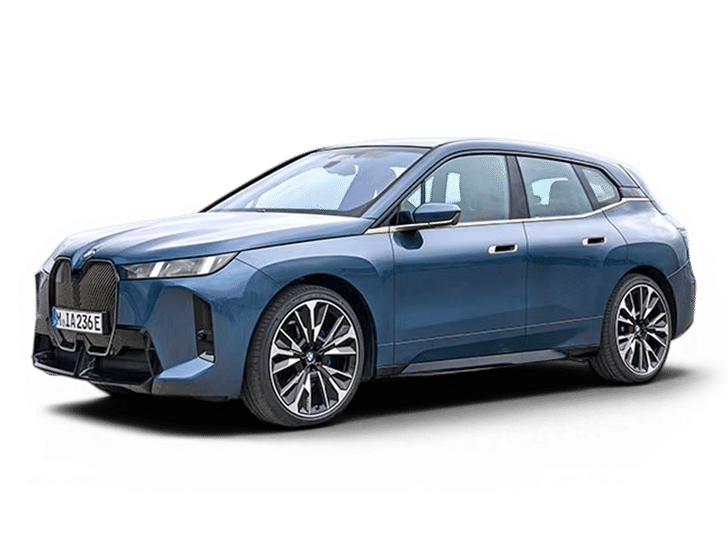
BMW
iX facelift
Audi
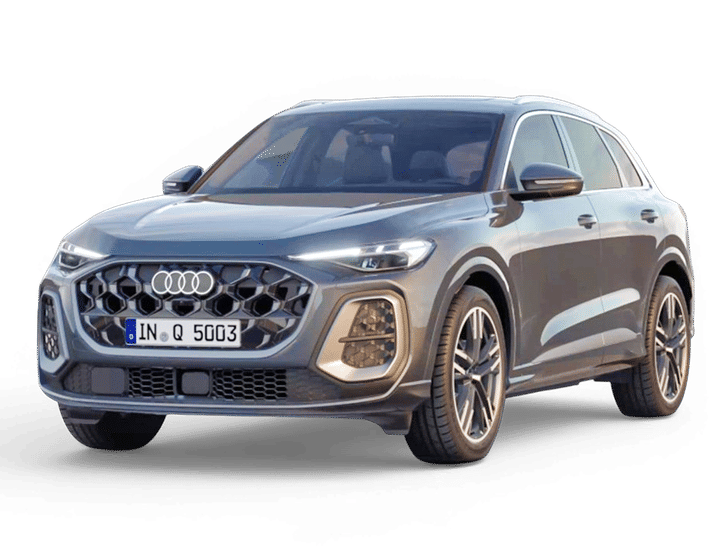
New Q5
Audi
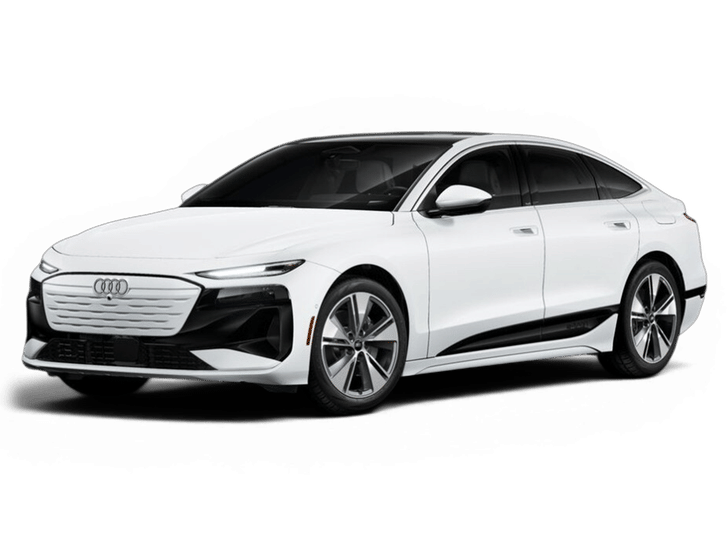
A6 e-tron
Audi
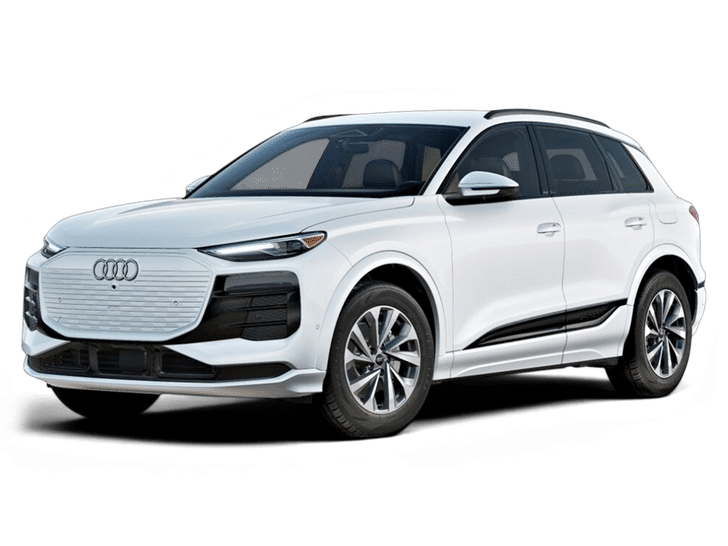
Q6 e-tron
Audi
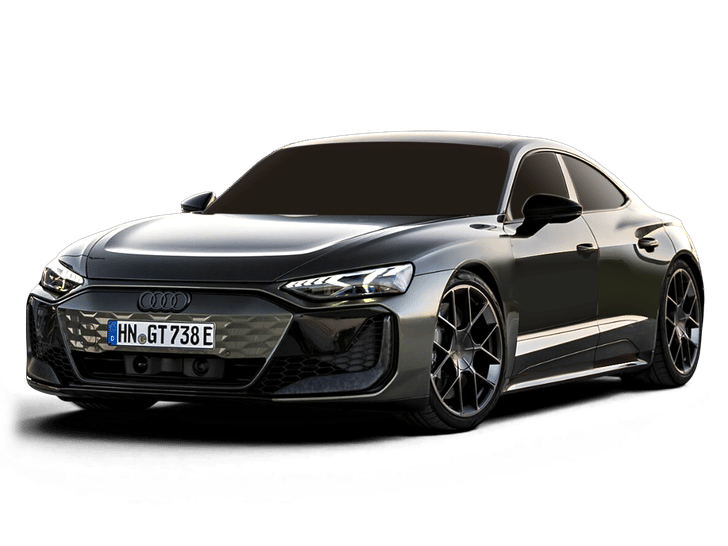
e-tron GT facelift
Volkswagen
Virtus facelift

Vinfast
VF5
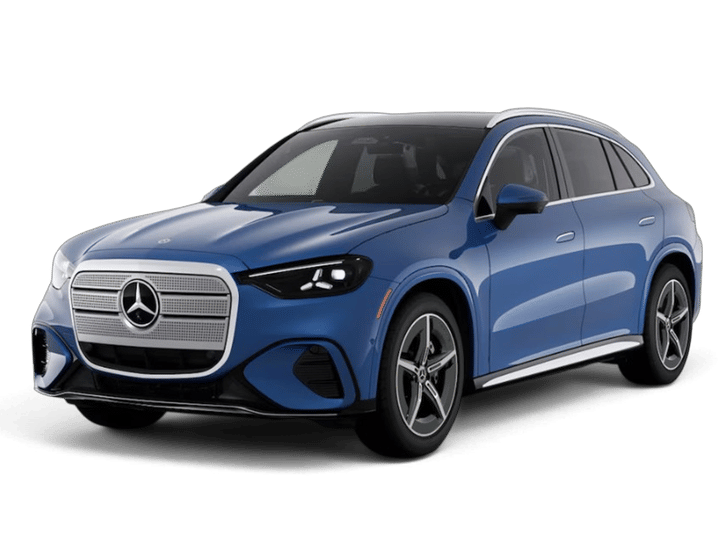
Mercedes-Benz GLC
Electric
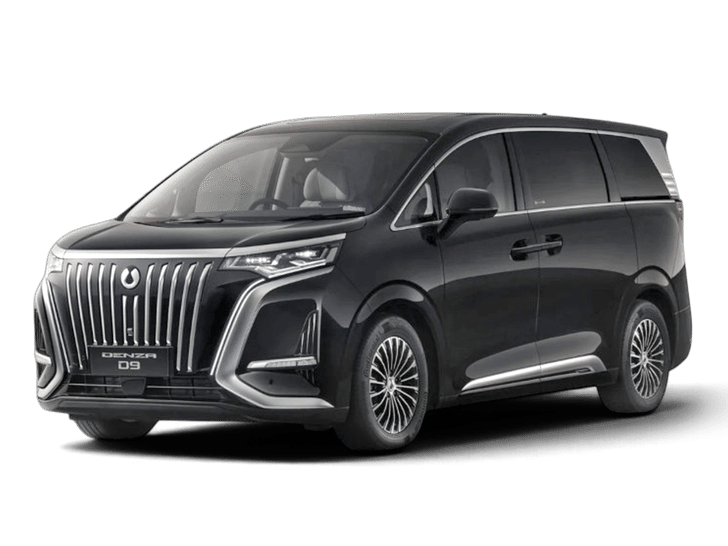
Denza
D9
Tata
Safari EV
Hi Autocar, I am looking for a vehicle under a budget of Rs. 55 lakh. My monthly running is between 700-800 km with 80% highway usage in Mumbai. I go for long trip of 2000 km around 2-3 times in a year and am looking for a car that offers space, comfort, performance and has good fit finish.
You haven't specified whether you're looking for a sedan or SUV. If you don't mind opting for a sedan, go for the Toyota Camry Hybrid. It feels luxurious - has a very comfortable seats, excellent space for four adults and their luggage; a plush ride; and its hybrid engine has ample pep to keep you entertained. Additionally, the Camry Hybrid will delivery exceptional fuel efficiency. With some mouth-watering discounts going on, you could get the Toyota at a great price.If it is an SUV that you prefer, pick the new Audi Q3. You might have to stretch your budget by a few lakhs, but it is certainly worth a serious consideration for a richly appointed cabin, strong 2.0 TSI engine; comfy ride, and overall, it feels engaging to drive.
Hi, my usage is around 2400 km monthly which includes 95% running on highways with 2 long family trips annually. I have shortlisted Grand Vitara Zeta (O) AT Smart Hybrid, Seltos Diesel AT HTK+(O) and Carens DCT HTK+(O) {for 7 members who travel occasionally). I am looking for lesser running costs, better service quality and peace of mind as I tend to keep the vehicle for very long as I am close to retirement. I drive quite a lot. Also since I have been using Citroen C3 for 4 years, I expect the same wonderful suspension which is best on both highway and within city. I am not looking at EV as the upfront price is high and I don't see that I will be having huge savings considering the additional insurance cost and tire change frequency. Kindly advice.
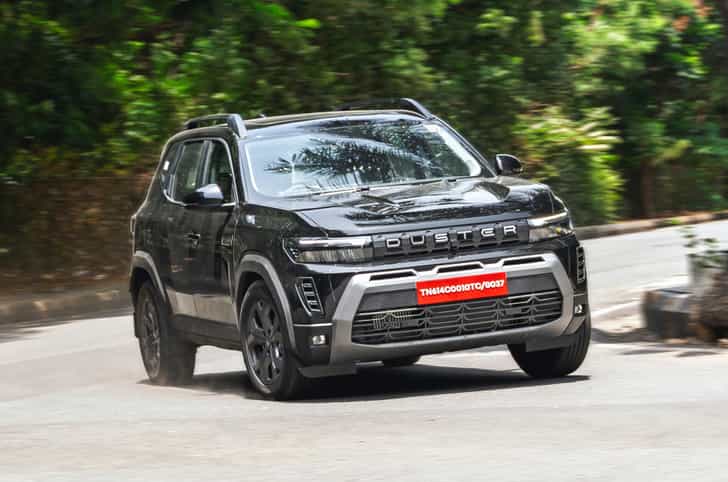
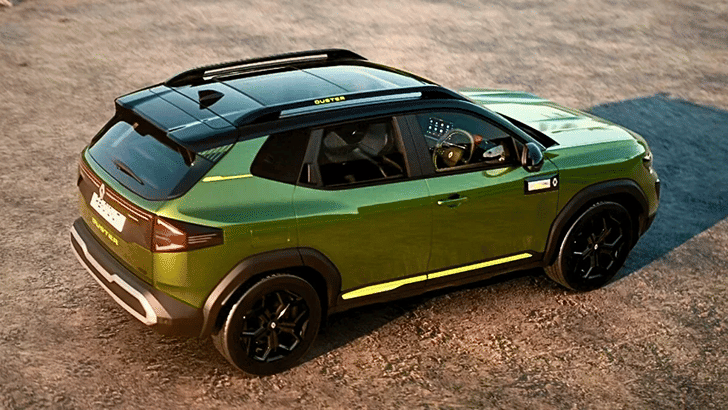
Given that you're upgrading from a Citroen C3, and looking at an excellent highway cruiser while keeping running costs in check, we'd strongly recommend you to consider the Renault Duster Hybrid Evolution variant, which is priced similar to other cars that you've shorlisted. The hybrid powertrain will be very efficient, and Duster's excellent suspension tune makes it ideal for your kind of usage. Sure, cabin space is not as generous as the Kia Seltos, and Renault's service network isn't as widespread as Maruti's. If you want to pick from the cars you've shortlisted, the Kia Seltos diesel-automatic is the one to get - it feels thoroughly modern; it gives you the most premium feel of the lot; and its diesel engine is smooth, refined and efficient.

Hi Team, I need your help in making a head vs. heart decision. I am a new driver and this would be my first car. My budget is around Rs. 15-16 lakh and I want a car with automatic transmission and should have BH number. I work in Delhi but my hometown is in Uttarakhand. My usage will be around 60% in the city and 40% on highway/hill runs. My overall running will be around 1,000 km per month. Since I am a bachelor, I will be mostly travelling alone and only sometimes with passengers. Jimny and Kylaq are front runners but I have a soft spot for the Gypsy, which used to be my dad's government car. Which car should I choose? I like Jimny Alpha AT but logically Skoda Kylaq Prestige+ makes more sense. I am open to other options as well.
The Skoda Kylaq Prestige+ automatic is the better choice for your usage, even though the Jimny has the stronger emotional appeal. The Jimny’s biggest strength is its off-road ability, which you’re unlikely to use often. In the city, its heavy steering and large number of turns lock to lock can make manoeuvring tiring, while the ride, though impressive for a ladder-frame SUV, still feels lumpier than the Kylaq’s. Its engine is also less suited to relaxed, quick highway overtakes.The Kylaq, on the other hand, fits your Delhi commute and Uttarakhand trips better. Its 1.0-litre turbo-petrol has enough punch for highway driving, the six-speed torque converter automatic is smooth in traffic, and its comfortable ride and agile handling make it enjoyable without being demanding for a new driver. It should also feel more settled on long highway runs.The Jimny will always have that Gypsy connection, and that’s a perfectly valid reason to want one. But buy the Kylaq with your head and heart: it is the more capable everyday companion for the driving you’ll actually do.
With the third-gen Creta already under testing, what is Hyundai’s long-term plan for a 7-seater SUV positioned above it? Could the upcoming Ni1i hybrid SUV simply be launched as the second-gen Alcazar, or will the Alcazar be discontinued? There has been news about Ni1i for a long time. Will the Alcazar get a new generation, move upmarket to rival the Mahindra XUV 7XO, or make way for an entirely new model as it approaches the end of its lifecycle?
Hyundai is unlikely to simply replace the Alcazar with the upcoming hybrid SUV (Ni1i), as the two are expected to occupy different positions in its line-up. We had previously reported that Ni1i is planned as a larger, three-row hybrid SUV positioned above the Alcazar and below the Tucson, targeting rivals such as the Mahindra XUV 7XO and Tata Safari. If that positioning holds, the Alcazar would continue to fill the gap between the Creta and the larger hybrid SUV.The Alcazar is also expected to receive a new generation around 2027–28, while Ni1i has gone quiet and is unlikely to arrive before late 2027. Hyundai has not confirmed the final positioning or launch timeline for either model, so it is too early to say whether the Alcazar will move upmarket or be discontinued.For now, the most plausible plan is for Hyundai to retain the Alcazar as its more accessible three-row SUV and position Ni1i as a larger, more premium hybrid offering. The arrival of the third-generation Creta could influence that strategy, but there is no confirmed indication that Ni1i will simply become the next Alcazar.
I’m planning to buy a 2026 Tata Nexon Pure+ S Manual (petrol). My daily driving will be around 32-38 km. Since I believe in safety primarily, should I buy it?
The Tata Nexon is one of the most value for money offerings in its segment, and because this second-gen Nexon has been around for a while now, the 2026 iteration feels the most mature version till date. The car is tough, its cabin is spacious and it gives the driver ample confidence at any speed.Before going ahead do keep in mind that its engine isn't the smoothest or the most refined in its segment. Also, an all-new generation of the Nexon will be launched in the second half of 2027. That said, if you like the current Nexon for what it offers, go for it.
We have been using a 2019 Kia Seltos 1.4 DCT and are now planning to change our car. I am leaning towards a sedan, particularly the Volkswagen Virtus, for its performance, driving comfort and build quality. I have driven the Volkswagen Vento 1.0 TSI before, so I am familiar with the driving experience. However, the Virtus does not feel like a significant upgrade from our current car, especially because its interior seems dated compared with newer models. I have also considered the Toyota Camry, which looks beautiful and offers a more premium experience, but it is beyond our budget. We drive around 15,000km a year, with a mix of city commutes and highway trips. I want an engaging driving experience, good performance, comfortable long-distance cruising and a premium feel. A sedan is my first preference, but I am open to an SUV if it makes more sense. What would you recommend? Are there any cars that would feel like a genuine upgrade from the Seltos?
The Volkswagen Virtus 1.5 TSI DSG is worth considering if you want an engaging sedan with strong performance and good highway manners. However, since you already drive a Seltos 1.4 DCT, the Virtus may not feel like a substantial upgrade in cabin quality or features, even though it offers a different driving experience. The Toyota Camry would feel like a bigger step up in refinement and premiumness, but if it is beyond budget, stretching for it may not make sense.The Mahindra XUV 7XO is worth a serious look if you're open to an SUV. It will feel more like a genuine upgrade in cabin space, features, comfort and performance, with a more substantial family-car feel. It is enjoyable to drive, has good ride comfort, and if you do a lot of highway driving, you can also consider the diesel automatic, which is refined for a diesel and delivers strong performance.
Hello, I am looking to buy my first car and am leaning towards the Tata Altroz DCA. I will mainly use it for city commutes in Bengaluru, with occasional drives of around 500km a month. Safety is a priority, and I also like the low step-in height and 90-degree-opening rear doors, especially for my elderly parents. Would you recommend the Altroz DCA for my needs, or should I consider other options?
The Tata Altroz DCA is a good fit for your needs, particularly because safety, easy ingress and egress for your elderly parents, and city driving are priorities. Its 90-degree opening rear doors and low step-in height make getting in and out easier, while its compact dimensions suit Bengaluru traffic. The DCA automatic is convenient for daily commuting, though the 1.2-litre naturally aspirated engine isn't the most refined, and the gearbox can feel hesitant and isn't particularly quick with shifts.The Hyundai i20 IVT is worth a test drive as well. Its engine is smoother, and its CVT automatic is more fluid in stop-start traffic, making it the more relaxed option to drive. However, the Altroz's wide-opening rear doors may make it easier for your parents to get in and out, so the Hyundai isn't automatically the better family car.Shortlist both, but lean towards the Altroz if your parents' comfort and ease of access are decisive. Take them along for a test drive and check how easily they can get in and out of both cars before booking.
Toyota and Honda often keep their engines and other mechanical components in production for many years. For example, Honda has used its 1.5-litre VTEC engine since 2008 and its 1.2-litre petrol engine since 2009, while its hybrid technology has been on sale since 2022. Does this approach mean they prioritise reliability and low maintenance over innovation? Is it also why their cars command a premium in the used-car market, even when the core product remains largely unchanged? Do they hold back on software-driven features until they are confident these will work reliably, as seen with the touchscreen and camera interfaces in the 2026 Honda City and Toyota Innova Hycross hybrid?
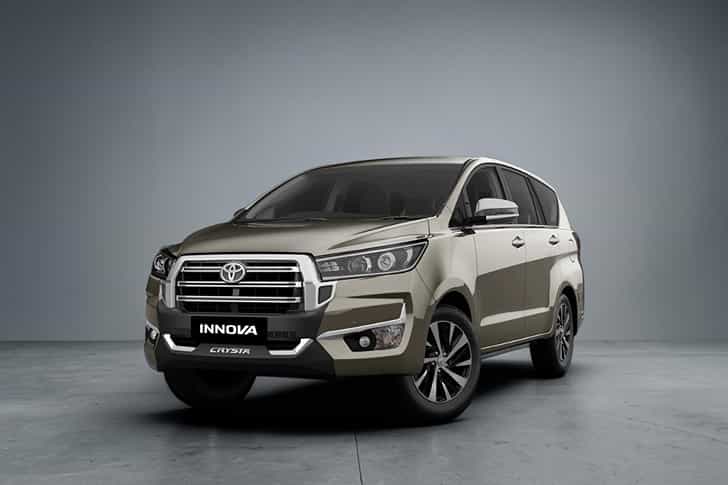
Yes, to an extent. Toyota and Honda have traditionally prioritised proven engineering and incremental improvement over frequent, wholesale changes, particularly with engines and mechanical components. Keeping a powertrain in production for years allows manufacturers to refine it, iron out problems and build service expertise around it. That can help reliability and maintenance costs, but a long product life cycle alone doesn't guarantee either. Toyota Innova Crysta and the Honda City are a prime example of that.Their reputation for reliability, predictable ownership costs and strong resale values comes from a combination of factors: proven mechanicals, service networks, parts support and buyer confidence. It isn't simply because the underlying product stays the same. The trade-off is that some rivals move faster on cabin design, infotainment and convenience features, making Honda and Toyota cars feel dated in certain areas.

I am looking for an automatic five-seater car under Rs 18 lakh and am confused between the Honda Elevate and Hyundai Creta. Which would be more comfortable for highway travel? My annual running will be below 12,000km.
The Hyundai Creta IVT would be our pick for comfortable highway travel. Its 1.5-litre naturally aspirated petrol engine is refined, and better sound insulation keeps the cabin quieter at cruising speeds. The flat, wide rear seat also makes it a good choice if you occasionally travel with three people at the back. With annual running below 12,000km, the petrol automatic makes sense.The Honda Elevate CVT is worth considering because you can get a higher variant for similar money, with more features for your budget. Honda has worked on improving the sound insulation with the 2026 facelift, but the Elevate still doesn't feel as refined as the Creta when it comes to engine noise and overall cabin quietness.
Hi, I am planning to buy a sedan and am confused between the Volkswagen Virtus 1.5 DSG GT Chrome for Rs 21.5 lakh (June-manufactured, due for delivery in November) and the facelifted Skoda Slavia Prestige 1.5 for Rs 22.70 lakh. Is it worth paying extra for the Slavia, or should I go with the Virtus?
If you're set on the 1.5 TSI engine, the Volkswagen Virtus GT Chrome at Rs 21.5 lakh makes more sense if savings matter, while the facelifted Skoda Slavia Prestige is worth the extra Rs 1.2 lakh if you want its additional features. Unlike the 1.0 TSI versions, where the Slavia's new eight-speed torque converter automatic is a meaningful mechanical change from the older six-speed automatic, the 1.5 TSI versions retain the same basic engine and seven-speed DSG combination. So you're not paying extra for a different powertrain.The Slavia Prestige adds meaningful equipment, including a 360-degree camera, larger digital displays, ventilated and electrically adjustable front seats, and a rear-seat massage function. It also gets improved air-conditioning hardware. These are useful additions, particularly if you plan to keep the car for several years.
Need expert advice?
Ask the Autocar community and experts.