Autocar India
•1d

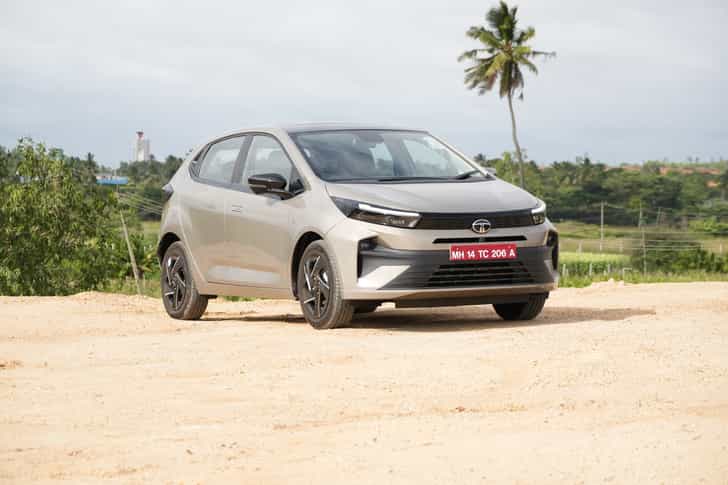
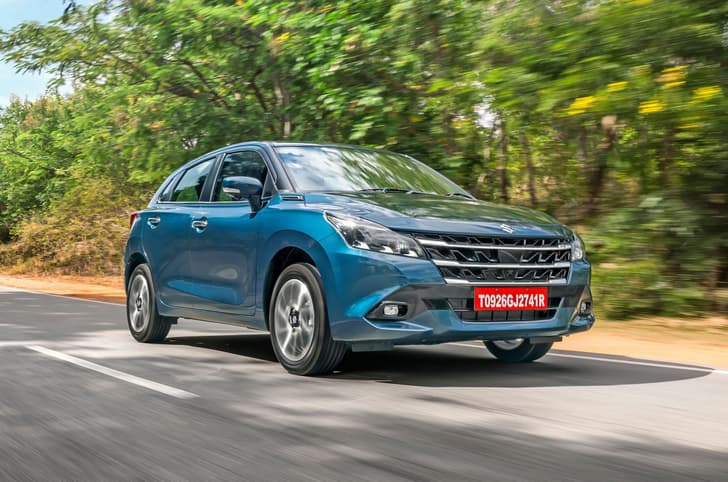
Hello, I am looking to buy my first car and am leaning towards the Tata Altroz DCA. I will mainly use it for city commutes in Bengaluru, with occasional drives of around 500km a month. Safety is a priority, and I also like the low step-in height and 90-degree-opening rear doors, especially for my elderly parents. Would you recommend the Altroz DCA for my needs, or should I consider other options?

Verified
•3m
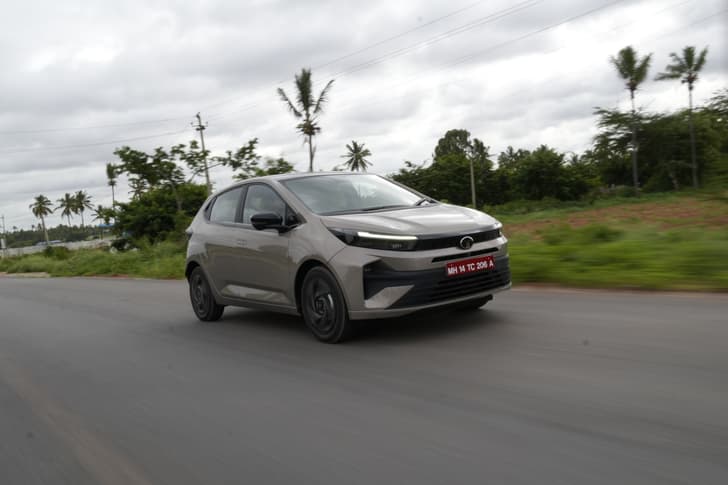
The Tata Altroz DCA is a good fit for your needs, particularly because safety, easy ingress and egress for your elderly parents, and city driving are priorities. Its 90-degree opening rear doors and low step-in height make getting in and out easier, while its compact dimensions suit Bengaluru traffic. The DCA automatic is convenient for daily commuting, though the 1.2-litre naturally aspirated engine isn't the most refined, and the gearbox can feel hesitant and isn't particularly quick with shifts.
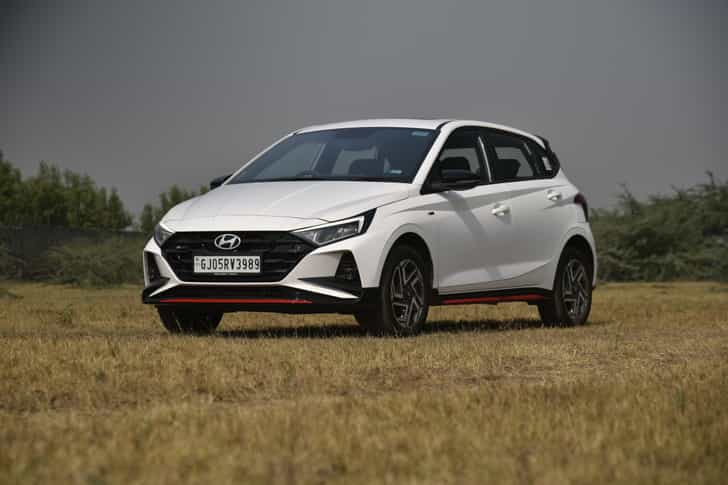
The Hyundai i20 IVT is worth a test drive as well. Its engine is smoother, and its CVT automatic is more fluid in stop-start traffic, making it the more relaxed option to drive. However, the Altroz's wide-opening rear doors may make it easier for your parents to get in and out, so the Hyundai isn't automatically the better family car.
Shortlist both, but lean towards the Altroz if your parents' comfort and ease of access are decisive. Take them along for a test drive and check how easily they can get in and out of both cars before booking.
Tata Altroz

Tata Altroz

More posts on similar cars

•1d

I am planning to buy my first car. Since its my first car, I am planning to buy something under Rs. 8 to 12 lakh that’s easier to drive. It should be an automatic, compact, high safety and reliable car that has a good suspension for Indian roads. I would probably be using it for less than 500 km per month. I need it mostly for city driving and occasional intercity highway as well. So I want something that’s good overall.

Verified
•20h

For a first car with a budget of Rs. 8 lakh to Rs. 12 lakh and usage below 500km a month, the Honda Amaze CVT and Hyundai i20 IVT are the two to shortlist. Both offer automatic convenience without the complexity of a turbocharged engine, and your low running means a petrol car makes more sense than a diesel or CNG. The Amaze is the more practical choice if you want a compact sedan with a comfortable ride and a reputation for straightforward ownership, while the i20 is worth considering if you prefer a hatchback that’s easier to park and manoeuvre in tight city spaces.Safety also favours the Amaze, as the latest generation has a five star Bharat NCAP rating, while the i20’s isn't crash tested yet. The Amaze’s suspension is particularly suited to broken city roads, although its cabin insulation could be better on the highway. The i20’s stronger appeal is its more premium cabin and generous equipment. With such low monthly running, fuel economy differences won’t save you much money in absolute terms. The Honda Amaze CVT would be the first choice for easy city driving, ride comfort and long term ownership; test drive the i20 IVT as well if cabin quality matters more to you.

VehicleHonda Amaze
VehicleHyundai i20
•4d

I am planning to buy a car this year around Diwali or year-end 2026. I am looking for a spacious, comfortable and a safe 5-seater for my family. My budget is Rs. 8-15 lakh (on-road) under Rs. 12 lakh. Although, I am open to spending less if the car offers excellent mileage, safety, space and reliability. My expected running is 7,000-8,000 km per month primarily for daily commutes mixed with GT roads and city driving. I intend to keep the car for at least 10-12 years, so fuel efficiency, low maintenance, long-term reliability, comfortable seating and good after-sales service are my priorities. I don't need fancy features that I will rarely use; essential safety and convenience features are sufficient. Considering my high monthly running, which fuel type among petrol, diesel or CNG, would be the most economical and practical over 10-12 years? Please recommend the best cars and specific variants within my budget while comparing real-world mileage, running costs, maintenance, reliability and family comfort. For CNG, specifically assess factory-fitted underbody tanks. Which car, engine and fuel option would you suggest for my usage? Suggest for both CNG and petrol.

Verified
•3d

With 7,000-8,000 km per month, your running is exceptionally high, and that fundamentally changes the recommendation. At this level, fuel efficiency and running costs become the dominant factor, and the car needs to be robust enough for long-term ownership over 10-12 years.Diesel is the most practical and economical choice for your usage. Modern diesel engines are efficient, reliable and well-suited to high-mileage highway driving, and the fuel cost advantage over petrol is significant at your running. CNG is not recommended at this level of usage. Even with factory-fitted underbody tanks, the limited range and refuelling inconvenience make it impractical for such high monthly running. You could end up spending a lot of time waiting in queues at CNG stations.Within your budget, the Tata Altroz is the most value for money diesel car on sale. It is a spacious, comfortable and safe 5-seater with a strong and efficient diesel engine, and good highway manners. There are multiple variants priced below Rs 12 lakh on-road, so you can take your pick, based on the features you need. Expect real-world mileage to be around 16-20kpl.If you want a diesel-automatic option, given your high running, we'd strongly recommend the Kia Sonet HTE O variant (priced at Rs 12 lakh on-road). Its diesel engine is refined, efficient, and the 6-speed torque converter automatic makes the drive experience smooth and effort-free. Real-world efficiency is likely to range between 14-19kpl. The engine-gearbox combination is tried and tested, and you can expect a fuss-free ownership experience with this one.

VehicleTata Altroz
VehicleKia Sonet
•17h

Toyota and Honda often keep their engines and other mechanical components in production for many years. For example, Honda has used its 1.5-litre VTEC engine since 2008 and its 1.2-litre petrol engine since 2009, while its hybrid technology has been on sale since 2022. Does this approach mean they prioritise reliability and low maintenance over innovation? Is it also why their cars command a premium in the used-car market, even when the core product remains largely unchanged? Do they hold back on software-driven features until they are confident these will work reliably, as seen with the touchscreen and camera interfaces in the 2026 Honda City and Toyota Innova Hycross hybrid?

Verified
•23m

Yes, to an extent. Toyota and Honda have traditionally prioritised proven engineering and incremental improvement over frequent, wholesale changes, particularly with engines and mechanical components. Keeping a powertrain in production for years allows manufacturers to refine it, iron out problems and build service expertise around it. That can help reliability and maintenance costs, but a long product life cycle alone doesn't guarantee either. Toyota Innova Crysta and the Honda City are a prime example of that.Their reputation for reliability, predictable ownership costs and strong resale values comes from a combination of factors: proven mechanicals, service networks, parts support and buyer confidence. It isn't simply because the underlying product stays the same. The trade-off is that some rivals move faster on cabin design, infotainment and convenience features, making Honda and Toyota cars feel dated in certain areas.

VehicleToyota Innova Crysta
VehicleHonda City

Has E20 fuel affected your mileage?

Is ADAS worth paying extra for in a car?

Popular discussions right now

Upcoming launch buzz

Community discussions on upcoming launches
Add a photo of your Altroz

First sightings, real road conditions, delivery buzz

Posted on: 27 Oct 2026