Autocar India
•3m

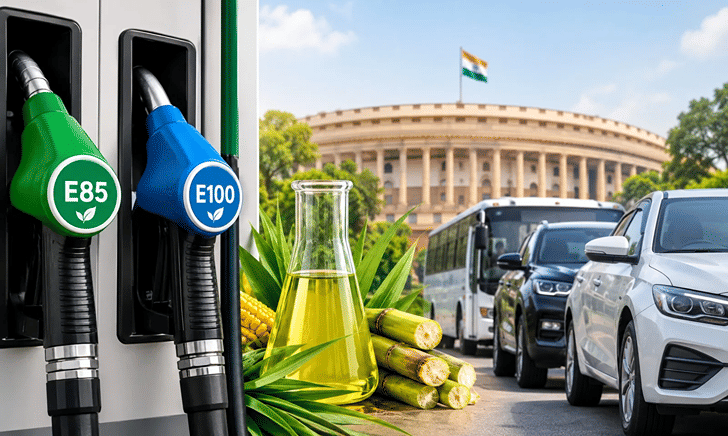
I read the news, E100 in India! Would you buy a car that runs on 100% ethanol instead of petrol?
No comments yet

Be the first one to start the conversation

Has E20 fuel affected your mileage?

More posts on similar cars

•1d

Hello, I am looking to buy my first car and am leaning towards the Tata Altroz DCA. I will mainly use it for city commutes in Bengaluru, with occasional drives of around 500km a month. Safety is a priority, and I also like the low step-in height and 90-degree-opening rear doors, especially for my elderly parents. Would you recommend the Altroz DCA for my needs, or should I consider other options?

Verified
•1h

The Tata Altroz DCA is a good fit for your needs, particularly because safety, easy ingress and egress for your elderly parents, and city driving are priorities. Its 90-degree opening rear doors and low step-in height make getting in and out easier, while its compact dimensions suit Bengaluru traffic. The DCA automatic is convenient for daily commuting, though the 1.2-litre naturally aspirated engine isn't the most refined, and the gearbox can feel hesitant and isn't particularly quick with shifts.The Hyundai i20 IVT is worth a test drive as well. Its engine is smoother, and its CVT automatic is more fluid in stop-start traffic, making it the more relaxed option to drive. However, the Altroz's wide-opening rear doors may make it easier for your parents to get in and out, so the Hyundai isn't automatically the better family car.Shortlist both, but lean towards the Altroz if your parents' comfort and ease of access are decisive. Take them along for a test drive and check how easily they can get in and out of both cars before booking.

VehicleTata Altroz
VehicleHyundai i20
•19h

Toyota and Honda often keep their engines and other mechanical components in production for many years. For example, Honda has used its 1.5-litre VTEC engine since 2008 and its 1.2-litre petrol engine since 2009, while its hybrid technology has been on sale since 2022. Does this approach mean they prioritise reliability and low maintenance over innovation? Is it also why their cars command a premium in the used-car market, even when the core product remains largely unchanged? Do they hold back on software-driven features until they are confident these will work reliably, as seen with the touchscreen and camera interfaces in the 2026 Honda City and Toyota Innova Hycross hybrid?

Verified
•1h

Yes, to an extent. Toyota and Honda have traditionally prioritised proven engineering and incremental improvement over frequent, wholesale changes, particularly with engines and mechanical components. Keeping a powertrain in production for years allows manufacturers to refine it, iron out problems and build service expertise around it. That can help reliability and maintenance costs, but a long product life cycle alone doesn't guarantee either. Toyota Innova Crysta and the Honda City are a prime example of that.Their reputation for reliability, predictable ownership costs and strong resale values comes from a combination of factors: proven mechanicals, service networks, parts support and buyer confidence. It isn't simply because the underlying product stays the same. The trade-off is that some rivals move faster on cabin design, infotainment and convenience features, making Honda and Toyota cars feel dated in certain areas.

VehicleToyota Innova Crysta
VehicleHonda City

Brand wars

Pick a side: which brand wins?

Popular discussions right now

Is ADAS worth paying extra for in a car?

Upcoming launch buzz

Community discussions on upcoming launches
Which drive story do you want to share?

Posted on: 27 Oct 2026