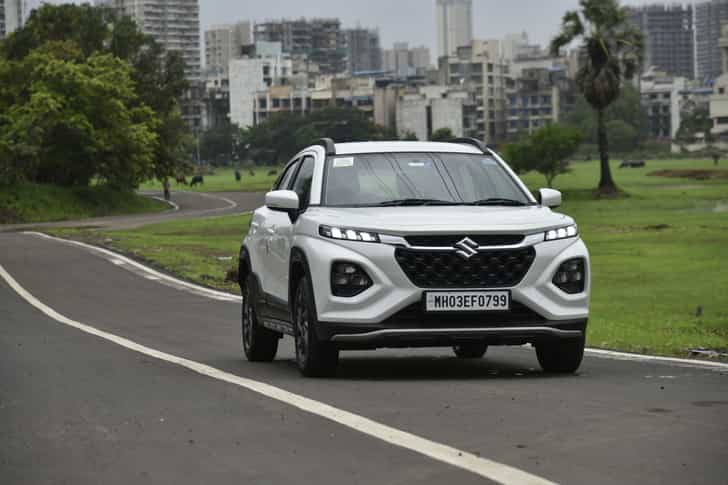
I want to buy a new petrol car from Maruti Suzuki and am considering the Vitara, Victoris, or any other suitable option from the brand. Which car would be the best choice for me? I currently own a 2011 Maruti Suzuki Swift. My daily running is around 15km, and I am a PSU employee who will be retiring in January. I would appreciate your feedback.

 Maruti Suzuki VictorisMaruti Suzuki BrezzaMaruti Suzuki Grand Vitara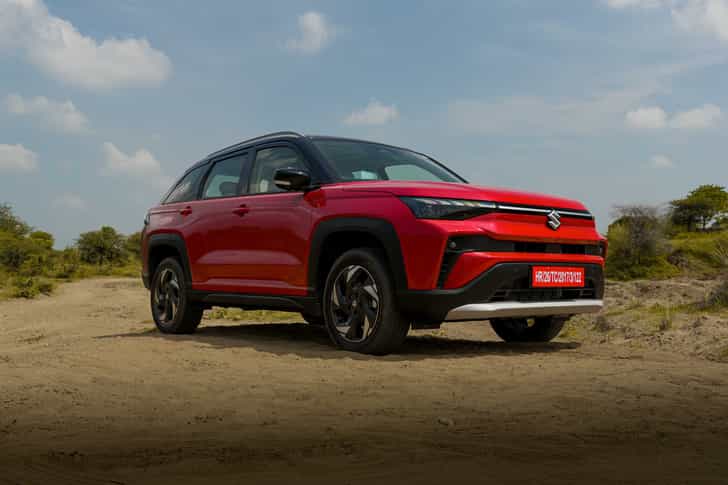
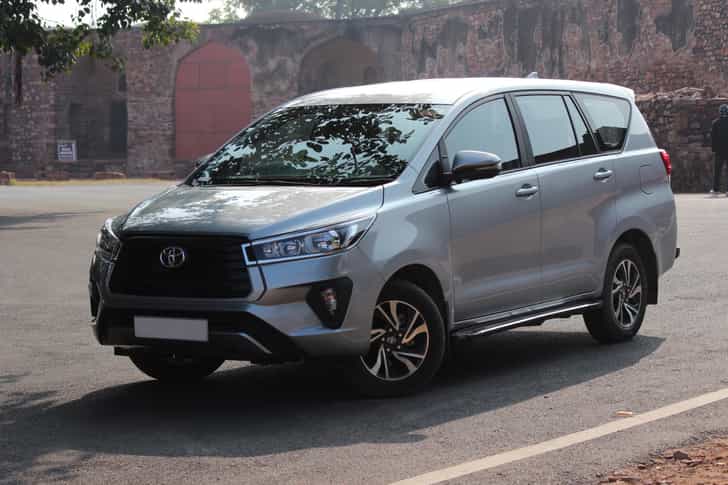
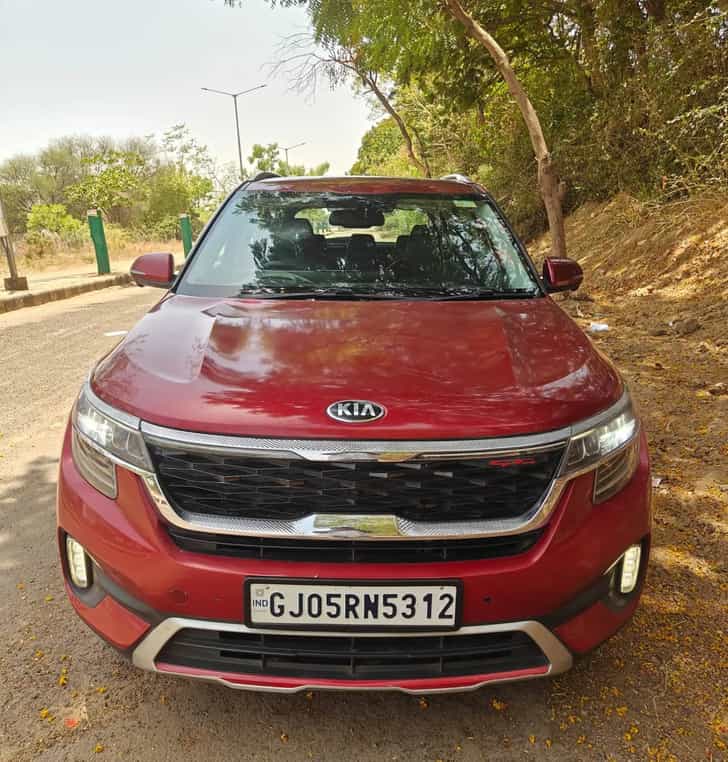
Hello, I’m looking to buy a good car in India. We previously had an Alto, and this will be our first new car. I’ve taken test drives of the Creta and Seltos. The Creta looks good overall, while the Seltos feels newer and more premium, although my family didn’t really like its door handles. This will primarily be a family car, with our usage being around 80 percent on highways and 20 percent in the city. I’m considering either of these two, but I’m also open to other options under a budget of Rs 20 lakh. Any suggestions or recommendations would be helpful. Thanks!
Kia SeltosHyundai CretaSkoda Kushaq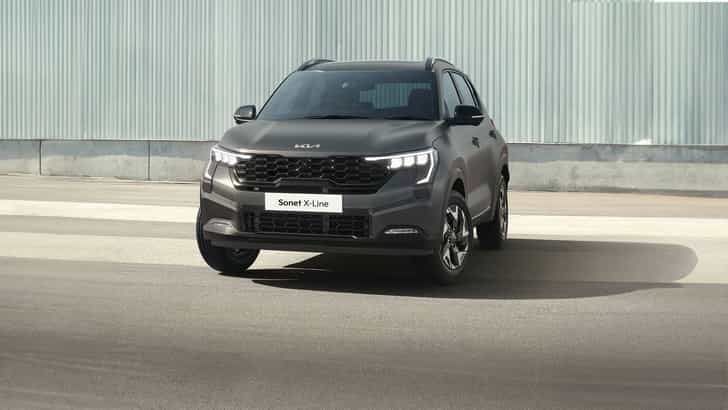
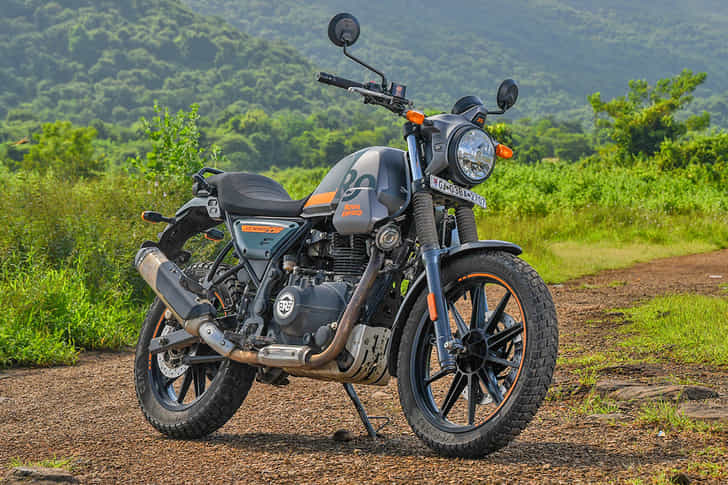
I’m stuck between the CB350RS and Scram 440 and would love to hear from people who have ridden either or both. I’m primarily looking for a daily city bike, with occasional long rides and weekend tours. I commute around 26km every day through peak Bangalore traffic, and the roads aren’t exactly great either, with plenty of potholes, broken stretches and stop-and-go traffic. I had initially shortlisted the CB350RS because I really liked its character, relaxed nature, thump, refinement and mileage. It feels like a bike I’d genuinely enjoy riding every day. However, I felt it was slightly lacking when I needed to make quick overtakes or manoeuvre through gaps in traffic. It isn’t necessarily slow, but it doesn’t feel particularly eager when you need that extra shove. Then I rode the Scram 440, and that’s where the dilemma started. I absolutely loved its character and the way it delivers power. It felt much easier to make quick overtakes and manoeuvre through traffic. The seating position and suspension also felt significantly better suited to Bangalore’s terrible roads. On the other hand, I’m still drawn to the CB350RS because I really like its overall feel and calmer, more relaxed character. So, which one would you pick for this kind of usage? I’d especially appreciate feedback from anyone who has owned or ridden both.
Hi guys, I’m looking for a four-car garage that can fulfil some specific roles. I need an EV for city use in Bangalore, and I’m considering either the Tata Tiago EV or Punch EV. I also need a high-mileage family hauler, for which I’m thinking of the Toyota Innova Hycross VX(O). For a fun car for myself, I’m considering the Volkswagen Virtus GT. Finally, I want another SUV that doesn’t need to be as large as the Hycross, so I’m considering the Mahindra XUV 7XO, Kia Seltos or Mahindra BE 6. I’ll be travelling frequently between Bangalore, Hyderabad and Coimbatore, and I’m also planning a road trip across India. My overall budget for the four cars is around Rs 1-1.5 crore. I’m open to suggestions, so I’d really appreciate any recommendations. Thanks in advance!
Tata Tiago EVTata Punch EVToyota Innova HyCrossToyota Urban Cruiser HyryderVolkswagen VirtusMahindra XUV 3XOKia SeltosKia SorentoSkoda Slavia
I currently own a Hunter 350 and am considering buying a new bike. I ride around 25 to 30 km a day, mostly in the city with moderate traffic. I find the Hunter 350 a little underpowered for my liking, so I’m looking for something with better performance. My budget is around Rs 3 lakh, but I can stretch it to Rs 5 lakh if a twin-cylinder bike is worth considering.
 Tiago owner · 25,000 km
I am looking to upgrade from my Tiago and have received compelling offers on two cars. The Mahindra XUV 3XO AX7 Turbo is available for Rs 14.5 lakh on-road, while the Honda City ZX CVT ADAS is priced at Rs 17.5 lakh on-road. For the exchange, Honda is offering around Rs 4 lakh for my Tiago, while Mahindra is offering around Rs 2.6 lakh. Which car should I buy?
Mahindra XUV 3XOHonda CityTata Tiago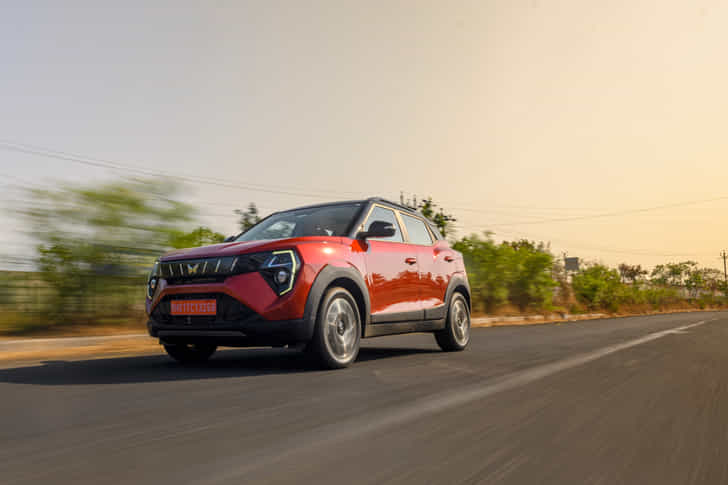
Hi, I’m confused between the Skoda Kylaq and Tata Punch EV and would like some advice on which one to buy. The car will primarily be used for city driving, with occasional highway trips. The budget is Rs 10-14 lakh on-road. I previously owned a Volkswagen Polo GT TDI, so I’m looking for a car that can offer a similar level of driving satisfaction while also being practical for everyday use. I’m currently confused between these two options and would appreciate some guidance.
Skoda KylaqTata Punch EV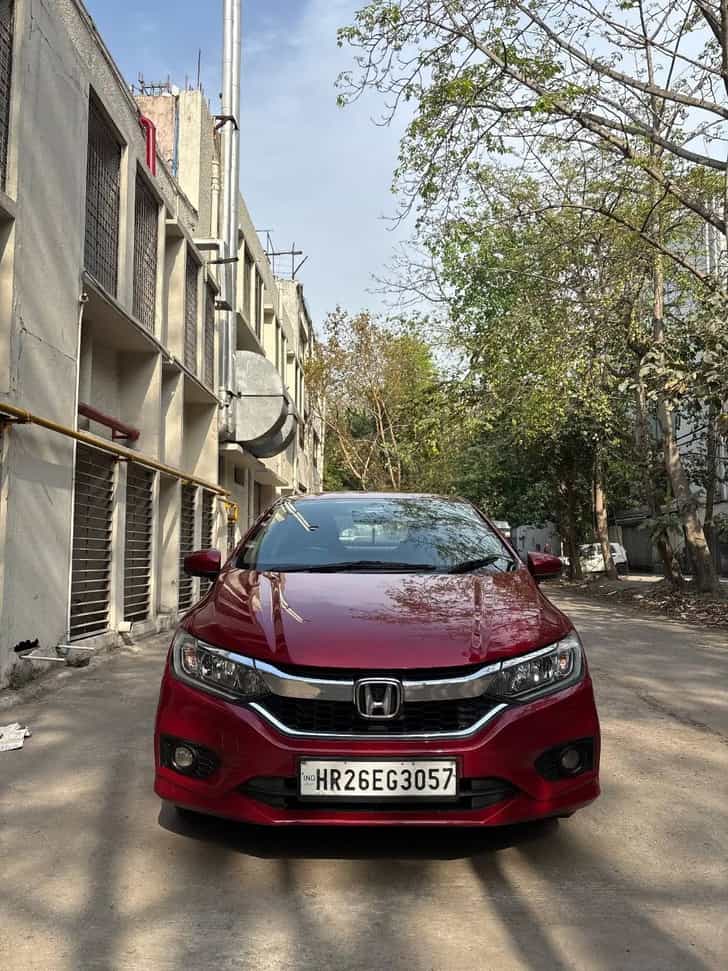
Hello, I need your guidance. I am a new learner planning to buy an automatic car for my family soon. My stretched on-road budget is Rs. 14 lakh. I am looking for a car with 5-star safety, good comfort and mileage, low maintenance and service costs, easy spare-parts availability, and good long-term reliability. I currently have two cars in mind: the Honda Amaze ZX CVT and Maruti Suzuki Brezza ZXi AT. Please suggest which one would be better for my requirements, and mention any other options I should consider.
Maruti Suzuki Brezza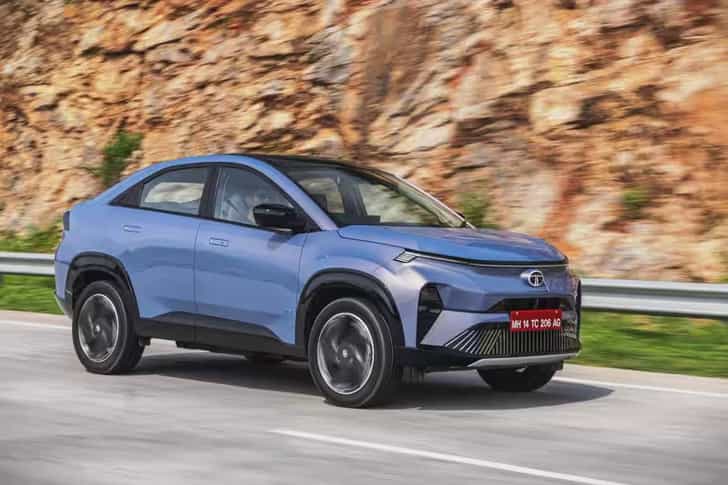
Hello, I’m looking to buy a fully loaded, feature-rich full-size SUV, and I’m willing to wait for the right option. The Hyundai Palisade is a very tempting choice, but it seems like it may not arrive in India until 2028. Would it be worth waiting for, or are there other good options under Rs 60 lakh that I should consider?
Kia SorentoHyundai PalisadeSkoda Kodiaq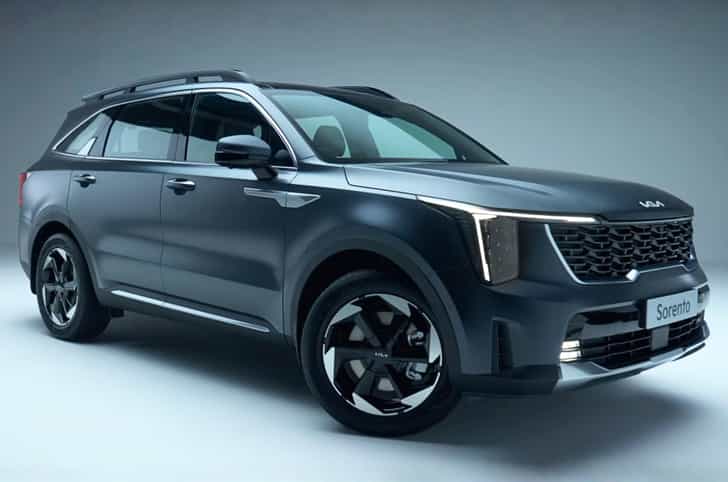
I currently drive a Hyundai i10 CNG, with daily running of around 6 km in Gurgaon city traffic and a monthly highway drive of around 200 km. I am now planning to upgrade my car, with an on-road budget of Rs. 12 lakh for a petrol sub-4-metre SUV, up to Rs. 14 lakh for a petrol midsize SUV, and Rs. 15 lakh for an EV. I live in a rented apartment on the second floor, so I am apprehensive about getting an EV. I prefer an EV, but installing a charger could be complicated due to the sanctioned load. My running could increase to nearly 800 km per month in the future. My key priorities are: - Good suspension and ride comfort, as I have a back problem - Decent fuel efficiency in heavy city traffic - Low to medium maintenance costs - Auto hold and ventilated seats would be good to have I sometimes consider buying a manual, but I mostly prefer an automatic. I am currently considering the Maruti Brezza, Baleno AMT, Fronx AMT/AT, Sonet iMT, Exter AMT, and even the upcoming Inster, VF3, and Bayon. I am open to other suggestions as well. Note: I had a bad driving experience with the Punch AMT, as it caused back fatigue.
Maruti Suzuki BrezzaKia SonetMaruti Suzuki BalenoHyundai ExterHyundai BayonRecently, a Volvo XC90, often regarded as one of the safest cars, was reportedly involved in an accident and caught fire within a matter of seconds, resulting in the tragic death of a renowned neurosurgeon. What could be the possible reason for such a rapid and intense fire? While accidents can understandably cause injuries and trauma, a vehicle catching fire so quickly after what appears to be a relatively minor impact raises serious questions about fire safety and occupant protection. When a car costs around Rs 1.23 crore, buyers naturally expect a very high level of safety, including protection against such secondary hazards. If a relatively minor accident can result in a vehicle being engulfed in flames and a person being trapped inside, it is fair to question how such risks can be prevented. This is also not the first reported case of a luxury vehicle catching fire after an accident. I have come across similar reports in the past. What do you think could be the possible cause, and what safety measures should manufacturers consider to prevent such incidents?
Volvo XC90Hi everyone, I am planning to buy my first car, and I will also be learning to drive with this car. My budget is around Rs 8-9 lakh. I am looking for a car with good ground clearance, as the roads in my area are not always in good condition. My usage will be relatively low, at around 6-7 km per day, with an occasional long road trip of around 800-1,000 km once every 6-7 months. I live in an eastern state, where both heat and rainfall can be quite extreme. The car will be parked in an open parking area, so it will have significant exposure to the sun and rain. Since this will be my first car and I am still learning to drive, I am confused about whether I should go for a manual or AMT. Reliability, ease of driving, ground clearance and reasonable maintenance costs are important to me. Considering my usage and conditions, which cars should I consider in the Rs 8-9 lakh budget? Also, would you recommend a manual or AMT for a first-time driver with this type of usage? I would really appreciate suggestions based on practical ownership experience.
Maruti Suzuki Fronx