Autocar India
12h

My requirement is a 6-7 seater vehicle. For low maintenance cost, I can go with either CNG or diesel car as my monthly running is 1000 km and occasionally it can be as high as 2000-3000 km monthly. I am from Pune and my frequent outstation routes will be Mumbai, Kolhapur, Latur and Kokan area (ghat sections). Also, since I can rent it out as self driving car and I will own upto 7-10 years. I have owned Alto, Wagon R, SX4, EON and i20 active disel. I have mentioned vehicles so that you can understand my driving and owning experience.

Verified
2h

Given your requirements, the Maruti Suzuki Ertiga CNG is the most sensible recommendation. Your monthly running of around 1,000 km, with occasional spikes, does not justify a diesel, especially with the higher purchase cost and maintenance associated with modern diesel engines. The Ertiga CNG strikes the right balance between low running costs, reliability and practicality. It is a proven 7-seater with a comfortable ride, good service network and low maintenance costs, which is important given your plan to keep the car for 7-10 years. The CNG system is factory-fitted and well-integrated, making it a far better option than any aftermarket CNG installation. The only drawback is the reduced boot space with the CNG tank, but for your usage pattern and occasional rental plans, the overall cost savings outweigh this limitation. If you need more space and comfort, the Maruti Suzuki XL6 CNG is a good alternative, offering a more premium cabin and captain seats in the middle row making it a strict 6-seater, but the Ertiga remains the more value-driven choice. Alternatively, there is also the Toyota Rumion, which is Toyota's version of the Ertiga so if there is a lower waiting time, you can check out the Rumion too.

VehicleMaruti Suzuki XL6
VehicleToyota Rumion
VehicleMaruti Suzuki Ertiga
2d

I'm planning to buy my first premium motorcycle and have a budget of around Rs. 3.1 lakh on-road. After a lot of research and multiple test rides, I've narrowed my options down to the Triumph Tracker 400 and the Triumph Scrambler 400 X. I'm looking for advice from owners or experienced riders who have spent time with either or both bikes. I've been riding motorcycles for around 7-8 years and this bike will be my primary motorcycle for at least the next 4-5 years. My usage will be approximately 70-80% city commuting to office and 20-30% rides during weekend with occasional long-distance trips of more than 250 km every 2-3 months. I will almost always have a pillion with me, so pillion comfort, suspension, and overall ride quality are very important factors. I enjoy riding but I'm not someone who rides aggressively all the time. I appreciate a refined, confidence-inspiring motorcycle that is also enjoyable on open highways. I'll be paying the full amount in cash so I'm looking for the best overall ownership experience rather than simply the cheapest option. During my test rides, the Tracker 400 felt lighter, more road-focused, and easier to ride in the city. It had a cowl so didn't get to check it with the pillion. The Scrambler 400 X engine felt somewhat the same but just a little toned down and not as aggresive as the Tracker given the higher power produced and better suspension. However, the braking was not as expected. My main concerns are related to finding more suitable bike for someone who rides mostly in the city but enjoys weekend touring. Which bike is more comfortable for both rider and pillion on longer rides? Does the Scrambler's taller suspension and larger front wheel become a disadvantage in daily city riding? Is the Tracker significantly easier to live with in traffic? Considering the fact that I'll own the bike for 4-5 years, which one offers the better overall ownership experience? I'd really appreciate insights from owners, especially those who have ridden both motorcycles or regularly ride with a pillion. Thanks in advance!

Verified
2h

For your usage, where you regularly ride with a pillion both usually inside the city and occassionally on the highway, the Triumph Scrambler 400 X is the better option than its sibling, the Tracker. The Scrambler has a far more upright and commanding rider's triangle, is more spacious for both rider and pillion and its suspension comfort is also much better than the Tracker. Coming to the braking issue on the Scrambler, Triumph (not Bajaj) insists on equipping the bike with organic brake pads which don't have the same life or power as sintered units but its an easy fix. You can fit the sintered pads from any other 350cc Triumph onto the Scrambler and this will be an inexpensive and easy fix to your problem.

Triumph Scrambler 400 X
Triumph Tracker 400
3d

I am confused between the Hyundai Grand i10 Nios Sportz AMT, Maruti Suzuki Swift AMT, and Tata Tiago Pure+ AMT. As a first-time buyer and driver with very low to moderate city and highway use, please help me choose the best car. Also, based on my usage, should I consider a CNG car or stick to my original plan of buying a petrol car? Please also suggest any better alternative available in this price range.

Verified
4h

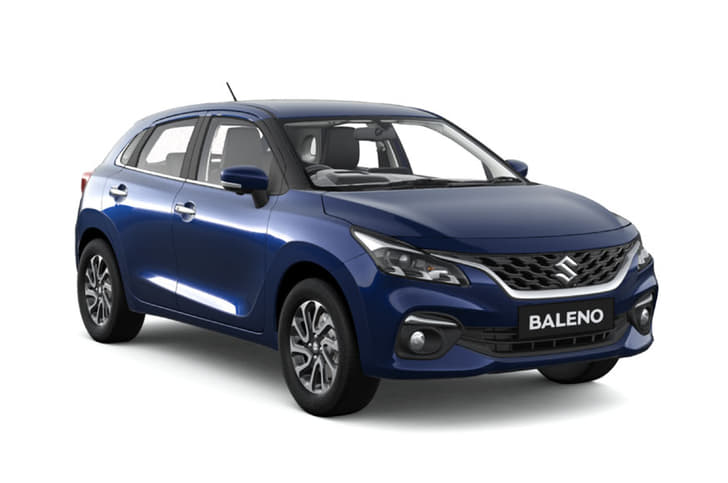
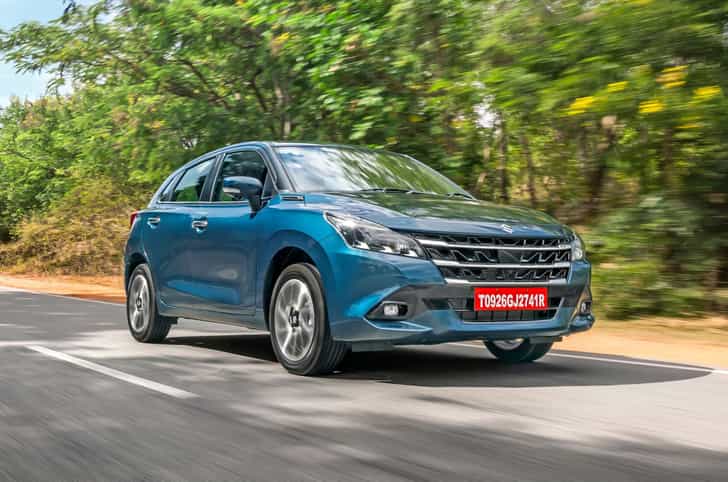
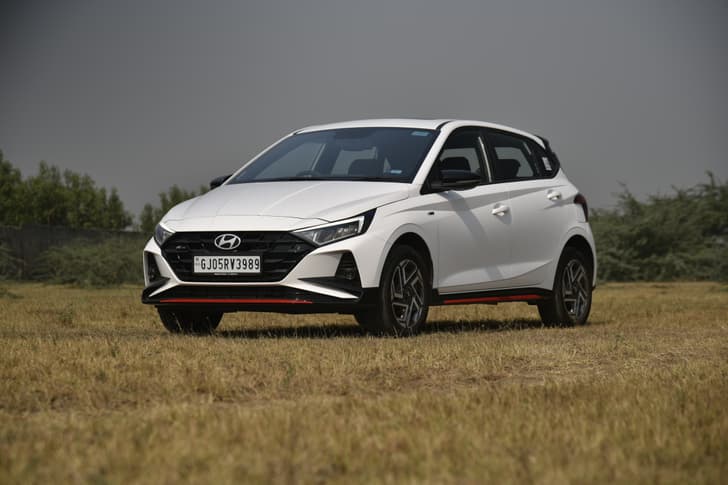
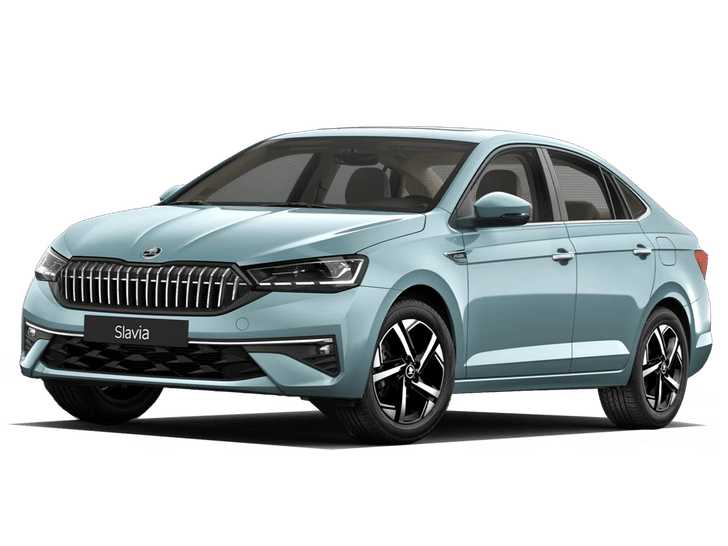
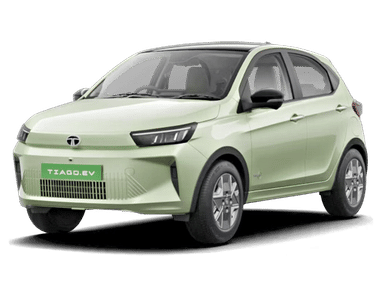
For a first-time buyer with low-to-moderate city and highway use, the Maruti Suzuki Swift AMT is the best fit. It is an easy car to drive in the city, with light steering, smooth AMT and a very user-friendly nature that makes it ideal for new drivers. The cabin is well finished, the ride is comfortable, and Maruti's service network is strong, which adds to long-term peace of mind.The Hyundai i10 Nios has a slightly more refined engine, but it is not as efficient as the Swift, and the cabin is not as spacious either. The Tata Tiago Pure Plus AMT is the value pick, but the powertrain is the least refined of the three and Tata’s service consistency is still not as strong as Hyundai or Maruti.On CNG, it only makes sense if your running is high enough to justify the higher upfront cost and lower boot space. For low to moderate use, petrol is the better choice. If you want a slightly larger car, the Maruti Suzuki Baleno AMT is a solid choice for not a lot more money, but overall the Swift AMT is the most balanced and easiest car to live with for a first-time buyer.

VehicleMaruti Suzuki Swift
VehicleMaruti Suzuki Baleno
VehicleTata Tiago
VehicleHyundai Grand i10 Nios
1d

I want to buy a car with an automatic gearbox for city commuting. My budget is under Rs 3 lakh. Would a 2014 Maruti Suzuki Celerio AGS be a good choice? I am hoping I won’t face major issues, as the vehicle is more than 10 years old. If not, please suggest another automatic option under Rs 3 lakh.

Verified
5h

For a budget under Rs 3 lakh and a requirement for an automatic gearbox for city commuting, the Maruti Suzuki Celerio AGS is actually a sensible choice. The AGS (Automated Manual Transmission) is simple and reliable, but if the actuators go wrong, they can be expensive to replace; however, this is for any automated manual transmission car. Given Maruti Suzuki’s service network, parts availability will not be a problem. The Celerio is also compact and easy to drive in traffic, which is exactly what you want for city use.That said, at 10+ years old, the condition of the individual car becomes far more important than the model itself. The AGS system is generally reliable, but like any mechanical component, it can develop issues if the car has not been well maintained. Make sure you get a thorough inspection done, check the service history and look for any signs of gearbox hesitation or rough shifting.If you are open to alternatives, the Hyundai Grand i10 Automatic (torque converter) is worth considering. It is smoother than the AGS and also reliable, though again you must check the condition of the actual car. It would be wise to buy from a reputed seller, as there could be some limited warranty available too.

21h

Being a Maruti Suzuki customer for 15 years now and I am very much used to hassle free ownership considering Brezza ZXI+ Petrol AT NA engine compared to TCMPFI AT in 3XO or Nexon DCA (dropped due to DCA). However, considering upfront extra cost for Brezza coupled with smart hybrid replacement possibility and no spare wheel, I am simply unable to convince myself to go for Brezza top variant as I like 360 camera feature. With my congested traffic city driving around 500-800 km per month, will it be still worth to pay additional 2.30 lakh rupees compared to any car in segment, only for Maruti Suzuki brand especially when competition is offering so much more for such a lesser price than Brezza top variant. Lesser mileage costs also gets compensated for any turbo engine with lesser purchase cost than Brezza.

Verified
15h

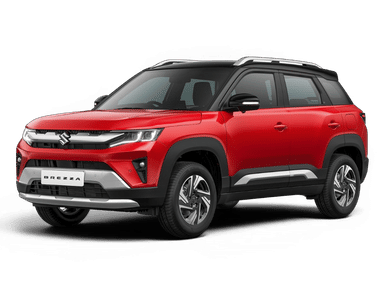
You should definitely go for the Brezza ZXi+ AT if you are used to Maruti's hassle-free ownership experience and running costs as no other car in the segment comes close on that front. It is not more expensive than top variants of the Nexon or XUV 3XO, which in fact cost around Rs. 1 lakh more, on road, and instead it is one of the more reasonably priced cars in the segment, despite not qualifying for small-car tax benefits with the 1.5-litre engine. With the latest version, you get a few more features too, like ventilated seats and some driver assist features, but overall, it is not as well equipped as others in the segment. Despite having a larger engine and a torque-converter automatic gearbox, the Brezza AT is more fuel efficient than most other cars in the segment, especially the turbo-petrols, which drink a lot when you drive them eagerly. We would recommend checking the prices again on our website or with your local dealers, as all things considered, the Brezza does seem like the best deal for you.

VehicleMaruti Suzuki Brezza
VehicleMahindra XUV 3XO
Maruti Suzuki Brezza
2d

Hey, I’ve booked the 2026 Kia Seltos HTK IVT variant. As you know, it comes with a lot of features, and this variant covers almost everything I need for my daily usage. However, I’m a bit confused now because the next-generation Hyundai Creta is expected to launch either towards the end of this year or in early 2027. Is it really worth waiting for the new Creta, or should I go ahead with the Seltos without having second thoughts? If I do decide to wait, I’d also like to know whether Hyundai actually offers a better overall ownership experience in terms of maintenance costs, service quality, spare parts availability, reliability, resale value, pricing, mileage, and long-term ownership compared to Kia. It’s already almost August, so if we wait just a few more months, we could probably get a 2027-manufactured and registered vehicle, which is another reason we’re considering waiting. At the same time, we’re planning to keep this car for the long term (8-10 years or more), so we want to make the right decision now rather than regret it later. That’s why I have so many questions. I’d really appreciate an unbiased opinion from the experts on whether it’s better to stick with the Seltos or wait for the all-new Creta. Thanks in advance.

Verified
16h

Go ahead with the Kia Seltos HTK IVT. The Seltos is a very well-rounded product, and the HTK IVT is a sweet spot in the range with a good balance of features and value. The bigger point is that the Seltos and Creta are fundamentally very similar cars underneath, sharing the same platform, engines and gearboxes. The ownership experience between Hyundai and Kia is also broadly similar in terms of maintenance costs, service reach, reliability and resale value. There is no clear advantage to waiting for the new Creta from that perspective.The only reason to wait would be if you are specifically interested in the new Creta’s design, interior or feature set. But that is an unknown at this stage, and there is no guarantee it will be meaningfully better than the Seltos. In fact, the Seltos is already one of the most complete cars in the segment, and the IVT gearbox is smooth and well-suited to city driving.Given you are planning to keep the car for 8-10 years, it makes more sense to buy a proven product now rather than wait for an unknown. The Seltos will serve you well over the long term, and you are unlikely to regret the decision.

VehicleKia Seltos
VehicleHyundai Creta
2d

Hey Folks, I have a 2017 Feb Hyundai Creta SX Petrol, just driven 35k kms. The car is well maintained with consistent yearly servicing at Hyundai. Now, I am thinking that it's now 9.5 years old; how confidently can I stiil go on road trips, needing me to drive the vehicle for 1800 kms in 2 days? Regardless, should I also consider the current E20 uncertainty & go for new car?

Verified
17h

If your 2017 Hyundai Creta SX petrol has been consistently serviced at Hyundai and is running well, there is no reason you cannot confidently take it on an 1,800km road trip. Modern cars are designed to last well beyond 10 years with proper maintenance, and 35,000km is a very low mileage for a 9.5-year-old car. The key is to ensure the car is in good health: get a thorough pre-trip check-up, replace any ageing rubber components, check fluids, tyres and brakes, and you should be good to go. Be mindful of where you refuel, and stick to well-maintained fuel stations that see high customer turnover.On the E20 question, there is no need to replace a well-maintained car purely because of ethanol. Your Creta is likely E10-compliant, and should safely run on E20, albeit with a drop in fuel efficiency.The only reason to change would be if you are already feeling the itch for a new car or want a significant upgrade in safety, features or performance. Otherwise, keep the Creta, enjoy the road trip and revisit the replacement decision when the car genuinely starts to show its age.

VehicleHyundai Creta
2d

I'm looking for your expert opinion to help me finalise my next used family car. I'm currently considering the MG Hector Plus Sharp Pro 1.5 Turbo Petrol MT (2024), Hyundai Alcazar 2.0 MPI Petrol, Kia Carens 1.5 Naturally Aspirated Petrol, and Maruti XL6 Alpha Plus Petrol. My usage is around 500 km per month (approximately 6,000 km per year), with most of my driving being in the city. My family consists of four members, and while I rarely need the third row, having a 6- or 7-seater is a bonus for occasional family trips. I plan to keep the car for at least 7 to 10 years. Fuel economy is not a priority; instead, I value comfort, features, reliability, and good performance. Long-term dependability, ease of maintenance, and a hassle-free ownership experience are far more important to me than mileage. One of my biggest concerns is the increasing use of ethanol-blended petrol, with E20 already in use and the possibility of higher blends such as E30 in the future. I'm unsure whether I should avoid turbo-petrol engines for long-term ownership or whether modern turbocharged engines are reliable enough. Based on my usage, which of these four cars would you recommend? Would you choose a naturally aspirated engine, such as those in the Alcazar, Carens, or XL6, over the MG Hector's 1.5-litre turbo-petrol for someone planning to keep the vehicle for 7 to 10 years? How concerned should I be about E20 or future E30 fuel and its long-term impact on these engines? Is the MG Hector's 1.5 Turbo Petrol engine dependable enough for long-term ownership, or would you prefer the Hyundai 2.0 MPI or the other naturally aspirated options? Is the Kia Carens 1.5 NA petrol sufficiently powerful for occasional trips with six or seven passengers, or is it likely to feel underpowered? Similarly, is the Maruti XL6 Alpha Plus adequately powered for highway driving with a full load, or does its 1.5-litre mild-hybrid engine struggle in such conditions? Finally, how would you rank these four cars in terms of long-term reliability, performance (especially when fully loaded), build quality and safety, maintenance costs, service network, feature list, and overall ownership experience? If this were your own long-term family car purchase, which one would you choose and why? I'd really appreciate an unbiased recommendation based on my specific requirements rather than general market popularity. Thank you!

Verified
20h

Based on your usage and priorities, the Hyundai Alcazar 2.0 naturally aspirated petrol would be our recommendation. Your monthly running is low, the third row will only be used occasionally, and you're looking for a comfortable, feature-rich family car that can be kept for 7 to 10 years. The Alcazar strikes the right balance. Its 2.0-litre naturally aspirated petrol engine is a simple, proven unit that should be easy to own over the long term, while also offering better performance than the Kia Caren's 1.5-litre naturally aspirated petrol engine. Hyundai cars also have a strong reputation for reliability and aftersales support, which becomes even more important for long-term ownership.As for the E20/E30 question, there's little reason to worry. The Alcazar's 2.0 engine is likely E10 compliant but will run on E20 just fine, and while higher ethanol blends can lead to a slight reduction in fuel efficiency, they are unlikely to have a significant impact on long-term reliability.The MG Hector 1.5 turbo petrol is a good engine, but it is a heavier car and the turbo petrol will not offer any real advantage in your running. The Carens is the more practical and better packaged family car, but since you aren't frequently using the third row, the Alcazar is the better pick.

VehicleHyundai Alcazar
VehicleMG Hector
VehicleKia Carens
1d

I own a Maruti Vitara Breeza ZDI 2017 model vehicle and the vehicle has completed nearly 69000 km till date. I have moved to Delhi and the issue with not allowing BS4 vehicles to run during winters is looming large. My diesel car will turn 10 year old by June 2027 and so I want to upgrade my to suit my needs. We are a family of 3 and occasionally my mother joins us, sometimes relatives visit us and a pet dog also accompanies us on most of our long drives. I am looking for a car with features like sunroof, large infotainment and ventilated seats. Should it be a petrol, diesel or hybrid vehicle and should it be a 5 or 7 seater? My budget is less than 30 lakhs and I will be owning the vehicle for at least next 10 years.

Verified
22h

The Mahindra XUV 7XO Petrol Automatic would be the best fit for your requirements. Your annual running is relatively low, so a petrol makes more sense than a diesel or strong hybrid, especially considering Delhi's regulations and your plan to keep the car for the next 10 years. The XUV 7XO offers a spacious cabin, a usable third row for occasional family trips, plenty of luggage space with the third row folded for your pet, and comes loaded with the features you're looking for.The Kia Carens Clavis Turbo Petrol DCT is the more practical alternative. It offers even better interior space and practicality, especially if you expect to use the third row more often, the 1.5 turbo DCT has enough power and will be more efficient but it doesn't feel as rugged or as SUV-like as the Mahindra.

VehicleMahindra XUV 7XO
VehicleKia Carens Clavis
Mahindra XUV 7XO
Mahindra XUV 7XO