Autocar India
HA

Harshith

22w

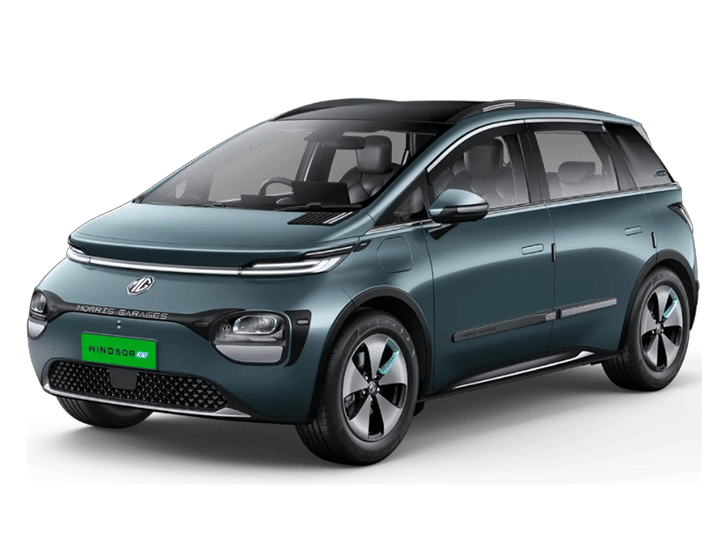
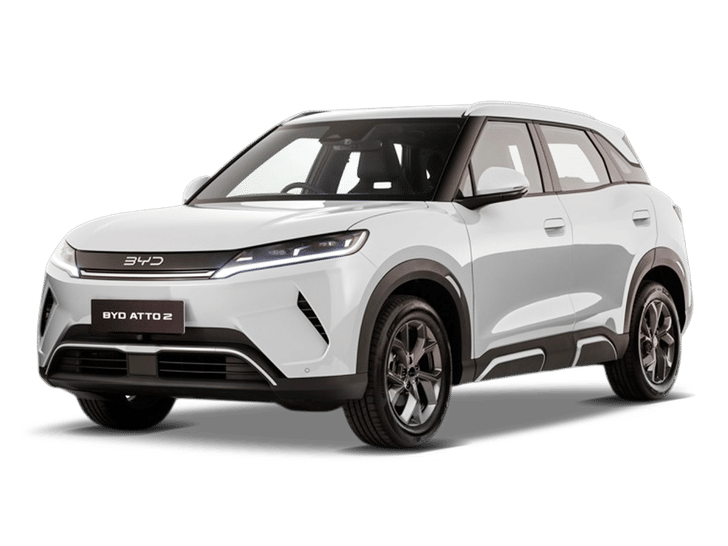
I drive 2,000 km per month, with about 80% on highways (primarily the Hyderabad ORR). I’m choosing between two EVs: the Windsor EV Pro at ₹20 lakh on-road and the BYD Atto 3 Dynamic at ₹27 lakh on-road. Is the ₹7 lakh premium for the BYD Atto 3 worth the investment for my usage? Please advise.

Autocar India team

Autocar India

Verified
22w

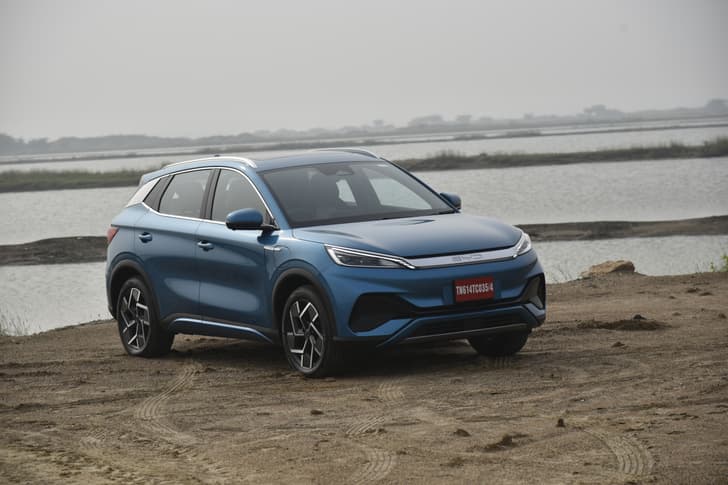
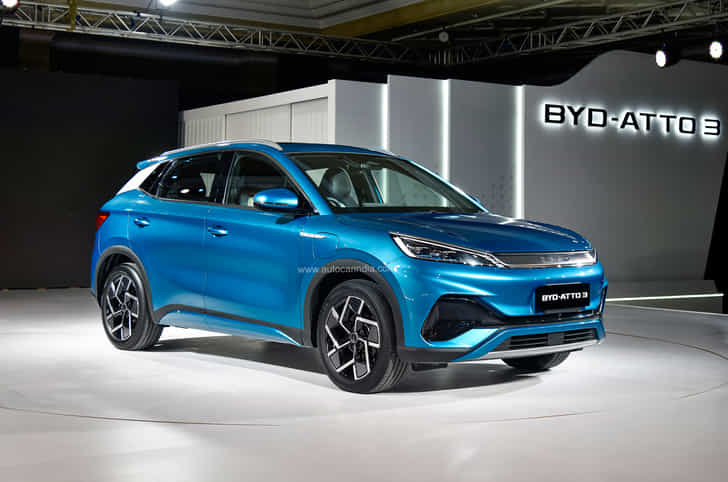
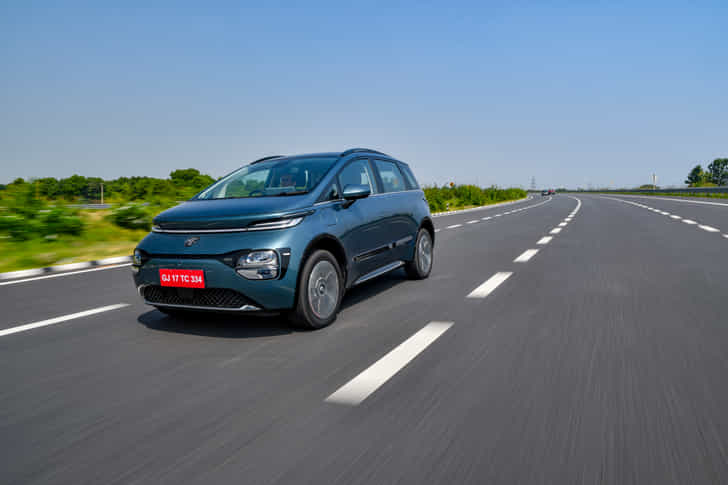
The Windsor offers great value for money, and its cabin is spacious and well-appointed, but it’s fundamentally a city-focused EV. For your usage, especially with 80% of your running on highways and the fast, open conditions of Hyderabad’s ORR, the BYD Atto 3 is the more suitable choice.

The MG Windsor’s ride is on the firmer, brittle side, and it lets in a fair bit of road noise, which becomes tiring at higher speeds. 

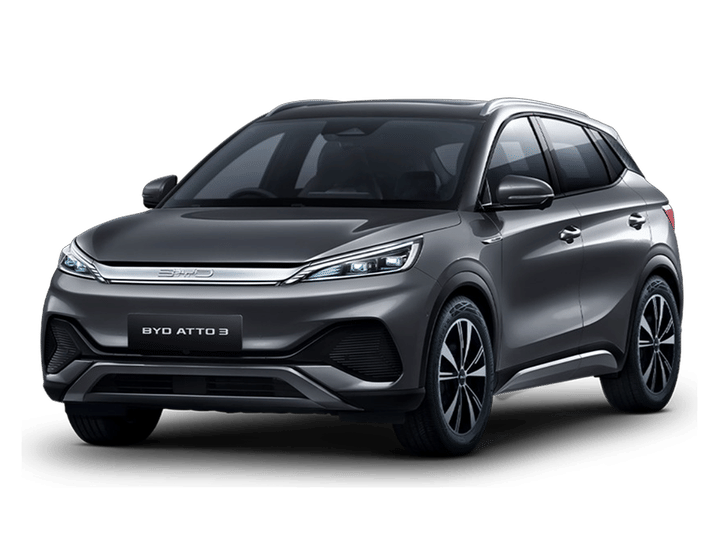
In contrast, the Atto 3 is noticeably better insulated, feels more planted at speed, and generally drives like a segment-above product. It’s also more refined overall and offers significantly more range- an important factor given your monthly 2,000km usage.
So yes, for your specific requirement, the extra Rs 7 lakh for the Atto 3 is justified.

BYD Atto 3

BYD Atto 3

More questions on similar cars

KD

Koustav Dutta

2d

Hi, I’m planning to buy my first car with a budget of around 13-14 lakh. My usage will be minimal, mostly occasional office travel and a few long drives each year (like Ladakh or Spiti). Based on this, I’ve decided to opt for a petrol manual, naturally aspirated engine, as I prefer a simpler and more reliable setup (also a bit concerned about future fuel changes, like E85). Initially, I shortlisted the Kia Sonet because of its looks, but I’ve seen reviews mentioning it lacks power on highways and in hilly terrains, especially during overtakes. I also considered Honda Elevate, Toyota Hyryder, and Hyundai Creta. However, after comparing base variants, I found the Kia Seltos (2026) to be the most value-for-money option. It offers key features, like a display, all-disc brakes, steering-mounted controls, cruise control, TPMS, Rear view camera, parking sensor, speakers, etc., which are missing in the base variants of the other cars. I’m also not interested in a sunroof. Given my usage and priorities, would you recommend going ahead with the Seltos, or should I reconsider any of the other options?

Autocar India team

Autocar India

Verified
1h

Light daily use with a few tough hill trips in a Rs. 13-14 lakh cap points you straight to the Kia Seltos HTE 1.5 petrol base manual. From your list, it fits your brief best because the 1.5-litre naturally aspirated motor feels adequate on highways and hills compared to smaller engines, and the base trim still gives you the useful everyday features you care about without paying for a sunroof or extra frills.Why does it suit you? First, power and gearing. Versus the Sonet’s smaller petrol, the Seltos feels stronger when you need a quick overtake or a climb with luggage, so you will shift less and feel more relaxed on the highway. Second, you’ve called out features like a touchscreen, steering controls, cruise control, rear camera and TPMS. The Seltos base packs most of these, so you don’t need to step up to a variant just to avoid living with a bare cabin. Third, your choice of a simple petrol manual lines up well with the Seltos 1.5, which is a proven, easy-to-own engine.A couple of trade-offs to note. On broken roads at low speeds, the Honda Elevate and Hyundai Creta ride softer over bad patches, but their base trims miss many of the features you want. Also, like any non-turbo petrol at high altitude, you will need to use lower gears on steep climbs.Given your priorities, go ahead with the Seltos 1.5 petrol base manual. It lines up with your needs and budget the best.

VehicleKia Seltos
VehicleHyundai Creta
VehicleHonda Elevate
SI

Siddharth

18h

I am confused between the Range Rover Velar and the Audi Q8. I am aware of the price difference and engine options. I would like an opinion on which one would be better for long-term ownership.

Autocar India team

Autocar India

Verified
16h

The two luxury SUVs belong to slightly different segments, with a roughly Rs 30 lakh price difference. That said, of the two, we would lean towards the Audi Q8 for long-run peace of mind in India. The Q8 tends to have fewer small issues as the years add up, its electronics feel better sorted, and the engine-gearbox feels very smooth even in slow traffic and in our heat. Audi also has a wider service reach in most cities, and parts supply is usually quicker, which matters when you want the car back on the road fast after a service or repair. Besides, you get a more powerful 6-cylinder engine and far more interior space.There are trade-offs. The Q8 costs a fair bit more and it is a large car to park in tight spaces. Running costs will be higher than the Velar, especially if most of your use is in the city. The Range Rover Velar is more of a style statement, inside and out, and while you miss out on a six-cylinder engine, what you do get is a diesel engine option.

VehicleAudi Q8
VehicleLand Rover Range Rover Velar
HV

Harshith Vadnala

23h

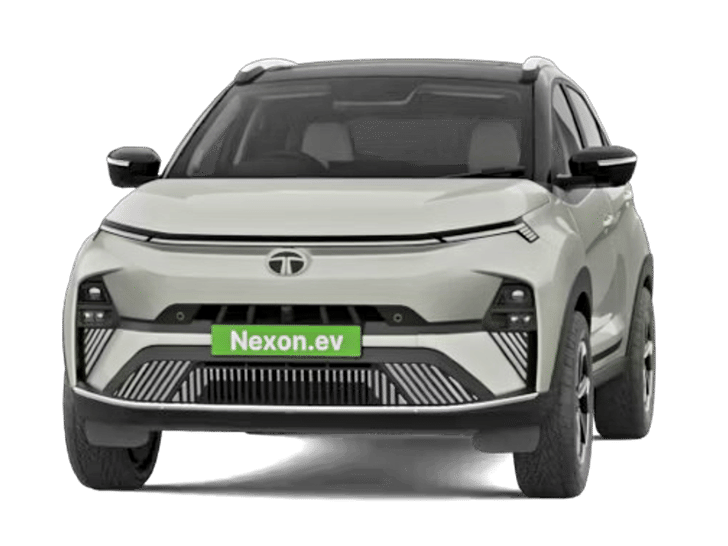
Hi, I live in Gurugram and am planning to buy my first car. We are a family of four, including one child and my mother (60+). I have shortlisted the Tata Sierra Accomplished Plus AT and the Tata Nexon Fearless+ S AT, but I am confused between the vehicle choice and fuel options. I am inclined towards diesel, as I plan to travel to my hometown, Hyderabad, by road twice a year. Mileage and concerns around ethanol-blended fuel are also influencing my decision.

Autocar India team

Autocar India

Verified
20h

Your usage and priorities make the decision quite clear. You want safety, space for family, including an elderly passenger, highway capability for long trips like Gurugram to Hyderabad, and good efficiency. The Tata Sierra delivers strongly on all of these. It has a 5-star BNCAP rating for both adult and child protection, which directly addresses your safety requirements. It is also a larger, more comfortable car than the Tata Nexon, with better rear seat space and ride comfort, which will matter for your mother on long drives.On the diesel vs petrol question, diesel suits your usage better. You have long highway runs planned, and diesel gives you better efficiency and stronger torque for effortless cruising.The Tata Nexon diesel automatic is still a very good option. It also has strong safety credentials and will be easier to drive in the city due to its smaller size. But compared to the Sierra, it feels more compact, less comfortable for long journeys and not as premium overall.

VehicleTata Sierra
VehicleTata Nexon

Popular discussions right now

MA

Mahesh

1w

Could you please help me choose the most suitable car within a ₹14 lakh on-road budget? I am currently confused between the Skoda Kushaq facelift, Tata Nexon Creative Plus, and Mahindra XUV 3XO AX5, considering my usage of around 1,000 km per month and the need for a safe, comfortable, and reliable family car for use with two young children?

Autocar India team

Autocar India

Verified
6d

With around 1,000 km a month, two young kids and a cap of ₹14 lakh on-road, the Mahindra XUV 3XO AX5 is the one that fits your brief best. It rides comfortably over broken city roads and speed breakers, and the rear seat is more than spacious enough for your kids. Safety is a strong point too, with a solid feel, good driver aids for this price, and mounts to fix child seats in the back. It also fits your budget in a well-equipped trim, so you are not forced into a bare-bones version. A trade-off to note: The boot is not the biggest in this price range, so if you often carry a full-size stroller plus luggage, do a quick fit check. If you prefer a more contemporary looking cabin, the Tata Nexon Creative Plus is your alternative from your list. It offers a slightly roomier boot and a very nice interior, and is easy to drive in the city, but the petrol engine feels a bit less smooth at low speeds and Tata service quality can vary by city. The Skoda Kushaq facelift would be a good pick, but only if you can stretch your budget, as within ₹14 lakh you’ll only get the base manual model, and Skoda’s service reach is smaller. Overall, for your family use and budget, the XUV 3XO AX5 lines up best.

VehicleMahindra XUV 3XO
VehicleTata Nexon
VehicleSkoda Kushaq
VN

Vedant Nawange

4d

Hi, I am confused between buying the Kia Seltos diesel, which I love for its interior and power and which gives around 15 km/l mileage, and the Toyota Hyryder, which involves a slight design compromise but offers 22+ km/l mileage. My daily running is around 70 km, including both city traffic and highway cruising. Also, please share if there is even the slightest possibility of a Kia Seltos hybrid coming next year, as I would be happy to wait.

Autocar India team

Autocar India

Verified
2d

With a 70 km daily mix of traffic and highway use, we would lean towards the Toyota Urban Cruiser Hyryder strong-hybrid. Your usage is high, and the hybrid will use far less fuel in city traffic while staying calm and smooth. It pulls away on electric power at low speeds, so stop-go driving feels quiet and easy.You like the Seltos for its cabin and stronger shove, and that is fair. The Seltos diesel feels stronger when you press the throttle for quick passes, and its cabin does look and feel richer. If most of your 70 km is open highway and you really value that strong pull and the Kia car interior, the Seltos diesel automatic is still a solid pick.On a Kia Seltos hybrid: Kia does intend to introduce a hybrid, but timing is not yet decided as they are trying to localise components. We estimate it could arrive in 2027, but that could change. For your mix of city and highway, the Hyryder strong-hybrid lines up best with what you need right now.

VehicleKia Seltos
VehicleToyota Urban Cruiser Hyryder

Posted on: 25 Nov 2025