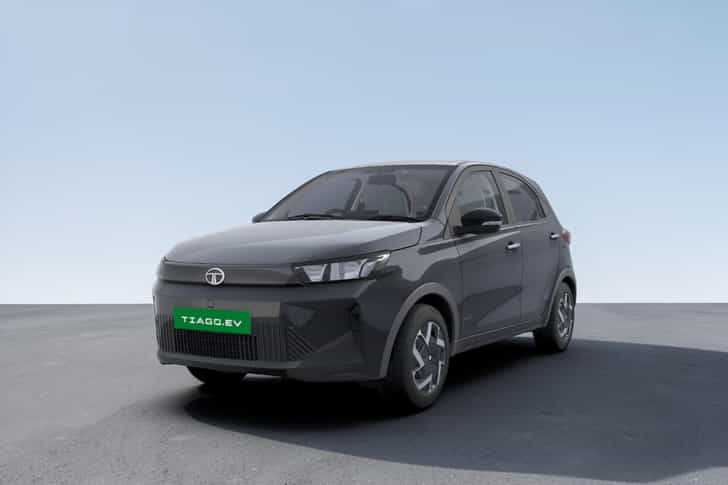
I bought Tata punch petrol AMT adventure in April 2026 but I did not like it because it jerks a lot in Delhi traffic, and suddenly last month my car broke down as its battery was down. The workshop guy returned the car to me after 2 days but today, suddenly the battery went down again. Now I want to sell this car and I don't know for how much will it sell. My car has only completed 2200 km. Please suggest which car should I buy in its place?

 Skoda KylaqTata Punch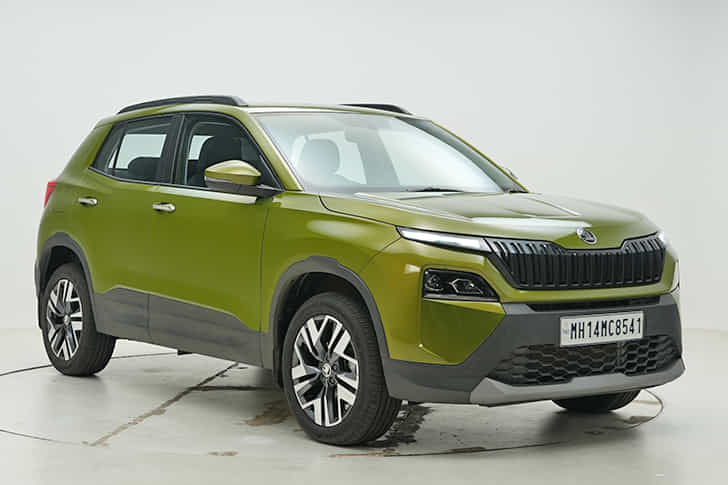
Hi Autocar Team, I'm looking for some guidance on whether I've made the right decision or whether I should reconsider before delivery. My current car is Toyota Etios Liva V Petrol, which has been extremely reliable but now it delivers only around 10-12 kpl for my usage. This results in high running costs. My monthly driving is approximately 1,200-1,500 km that consists of daily commute and occasional highway trips. My initial plan was to keep costs under control and I had booked the Tata Punch EV Empowered+ 40 kWh, largely to restrict my budget to around Rs. 15 lakh on-road. However, while researching alternatives up to approximately Rs. 20 lakh ex-showroom in Kerala, I ended up booking the Kia Syros EV X-Line. The Syros EV appeals to me because of significantly better rear-seat space and cabin width as compared to my Etios Liva, more premium interior and features, better long-term family comfort, larger battery and range as well as better overall sense of upgrade from my current car. However, I'm still feeling anxious about whether I'm overspending. The jump in EMI from the Punch EV to the Syros EV is substantial and will have a noticeable impact on my monthly finances. While I can manage it, I want to be sure that the additional expenditure is genuinely justified and not merely an emotional decision. Based on my monthly running of 1,200-1,500 km, could you please advise if the Syros EV worth the additional cost over the Punch EV 40 kWh? From a value-for-money perspective, would you proceed with the Syros EV or step back to the Punch EV? Are there any other EVs under Rs. 20 lakh ex-showroom that I should seriously consider instead? I am not interested in the MG Windsor EV due to its styling, so alternatives apart from the Windsor would be appreciated. If you were in my position and were planning to keep the vehicle for 8-10 years, which option would you choose and why? Looking forward to your expert opinion.
Kia Syros EVTata Punch EVHello, I am planning to buy an EV that I need for a daily commute 170 km out which 80 km is on expressway. Rest is on state highway and city with heavy vehicle traffic. I am looking for a comfortable 7-seater for long term for at least next 8-10 years. I am inclined towards MG Tomahawk top trim and XEV 9s pack two Above 70kWh. Please advise.
MG Hector Tomahawk EVMahindra XEV 9SMy monthly running is 3000km that translates to 40000 kilometers annually with most round trip of around 400-500 km thrice a month on highway. I own a petrol car and its mileage is close to 14 kpl. Should I opt for EV under 20 lakh budget or should I look for diesel or strong hybrid?In hybrid, we will not have a better boot space since we always use it to carry stuff.
Mahindra XUV 7XOKia Seltos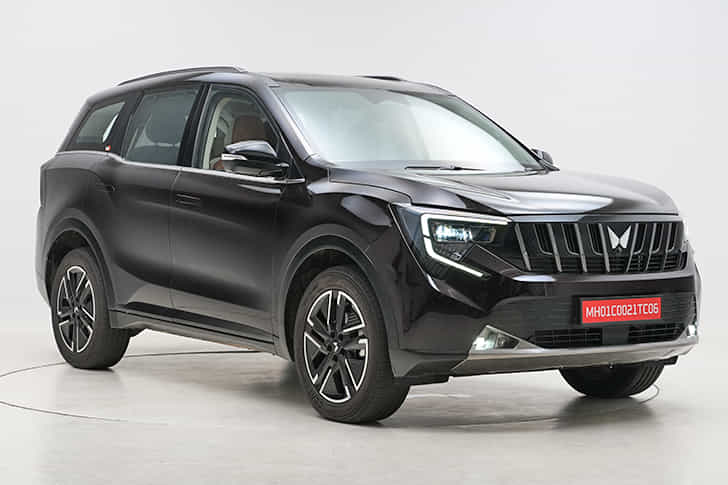
I have a Yamaha FZ25 (2021 model), with around 14,000 km on the odometer. Its ABS unit has failed. Yamaha service centre in Bangalore is quoting around Rs. 20,000 for a new ABS unit + labour charges. I'm currently considering refurbishing the existing ABS unit since I found an ABS specialist in Kerala who can repair the ABS modulator for around Rs. 6,000, with a 4-month warranty. The plan would be to remove the unit in Bangalore, courier it to them, get it repaired and then reinstall it. Other option to replace it with a used ABS unit/motor. A local workshop says they can source a used ABS unit/motor and fit it. I am not sure about the reliability history of a used unit. I can also continue using the bike without the ABS as its brakes are currently working as conventional brakes, but obviously without the ABS safety function. Another option is to replace it with a new Yamaha ABS unit that is around Rs. 20,000 which includes the unit and labour charges as per Yamaha. Which option would you recommend? Also, has anyone got FZ25/Yamaha ABS unit repaired or replaced in Bangalore?
I want to buy my first bike. I already have an Activa but I would like to travel around 300-600 km once in a month or once in two months for 20- 30 km a day in city. I wanted to travel in North India sometimes which may include a Ladakh trip as well. So, I need a bike that is suitable for all of my requirements under a budget of around 3 to 3.5 lakh. I have Suzuki V-Strom SX, Triumph Speed 400, Meteor 350 and all such kinds of bikes in mind. I've checked each and every bike specifications but I couldn't decide .So please help me out in choosing my first bike.
Hello guys, I’m a 30 year old working professional and am looking to buy an EV mainly for city commute and occasional highway driving (20%). I appreciate build and ride quality, refinement and reliability. The EVs that I’m mainly looking at are the Ioniq 5, Kia EV6, BYD Sealion 7 and BMW iX1. Which do you think will be the right fit for my use case? I’m actually leaning towards the Korean cars and am not willing to spend for the iX1 just for its badge value. Thank you for the answer in advance. You guys are a great source of reliable and measured Automative content in this country. Really appreciate it!
Kia EV6Hyundai Ioniq 5BYD Sealion 7BMW iX1 LWB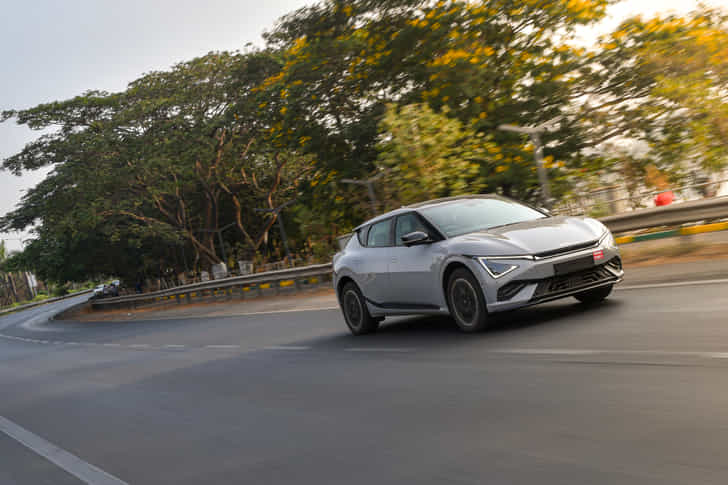
I would like to buy a new car especially SUV in the budget of around 16 lakh. I am travelling around 1200 km monthly. Which is suitable for me between electric or petrol automatic car? My preferences are Maruti Suzuki Brezza ZXi Petrol Automatic, Tata Nexon EV Creative 45 electric and Hyundai Venue HX6 AND HX5. Which will be better for me? I am giving more importance to fuel efficiency, low cost maintenance and safety.
Maruti Suzuki BrezzaHyundai VenueTata Nexon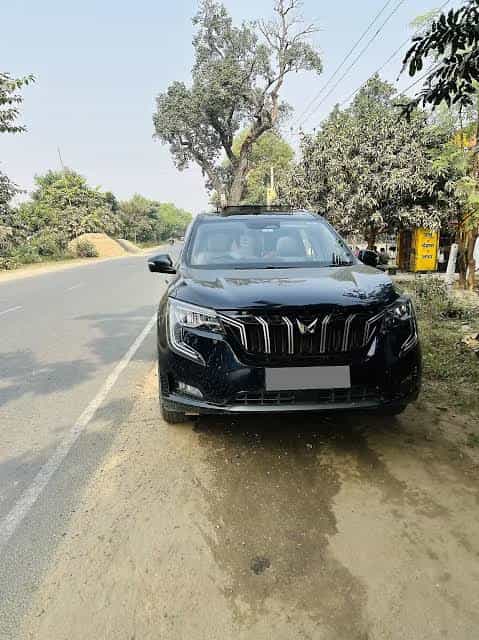
I’ve been driving a Maruti Ritz Diesel for approximately 7 years and am looking for a proper upgrade. My running is around 750-1,000 km/month, with 75-80% highway driving, and typical long trips of 200-250 km one way. My budget is roughly Rs. 19-22 lakh (on-road) in Bangalore. I generally keep my cars for a long time, so long-term reliability and highway performance matter more to me than just features. I have shortlisted Kia Seltos 1.5 Turbo DCT that is around Rs. 20.6 lakh. This is probably the most fun of all the options. The turbo feels strong and the DCT is quick and smooth. My concern is long-term ownership because it is a dry-clutch DCT, and I’m wondering about DCT/turbo-petrol reliability over 5+ years. It is also around Rs. 1 lakh cheaper than the diesel. Another shortlisted car is Kia Seltos 1.5 Diesel AT for around Rs. 21.6 lakh. This feels like the natural upgrade from my Ritz Diesel. It generates 250 Nm torque, highway performance and potentially better mileage that are better for my usage. But my running is only 750-1,000 km/month, so I’m wondering whether the extra 1L and diesel-specific considerations, particularly DPF, are worth it when I don’t drive that much in the city. Would love to hear from long-term Seltos diesel owners. Another shortlisted car is Renault Duster 1.3 Turbo DCT Adventure that costs around Rs. 19 lakh. I’ve driven it multiple times and really like the way it feels. It feels more rugged and planted than the Seltos, with better suspension and less body movement at highway speeds. I can physically feel the difference in the heavier boot/doors and overall solidity. I know both cars are 5-star rated, so I’m not equating weight or feel with crash safety. The Duster has a wet-clutch DCT, unlike the Seltos dry clutch, which is another reason I’m considering it. The compromise is features and rear space as the Seltos has noticeably better knee/legroom. However, the Duster is still perfectly comfortable for my family’s height, so I can live with that. I have also shortlisted Kia Seltos 1.5 NA CVT/IVT that is priced around Rs. 19.65 lakh. I would select it for its simplicity. I know I’ll compromise significantly on torque as compared to the turbo and diesel, especially coming from a diesel Ritz, but a 4-cylinder NA petrol is a relatively straightforward option and potentially fewer powertrain-related headaches will be there compared to DPF and modern turbo/GDI systems. If I go this route, I may also wait for the Elevate facelift. Although the current Elevate’s poor thigh support is a major concern for me. My wife strongly prefers the Seltos, so realistically, my biggest dilemma is Seltos Turbo DCT vs Diesel AT. Duster is the wildcard because I personally like its ruggedness and driving character, while NA petrol is the fallback for its simplicity. I am looking for genuine 5-year ownership experience, highway performance, reliability, DCT/DPF experience, mileage and maintenance opinions rather than just brochure figures.
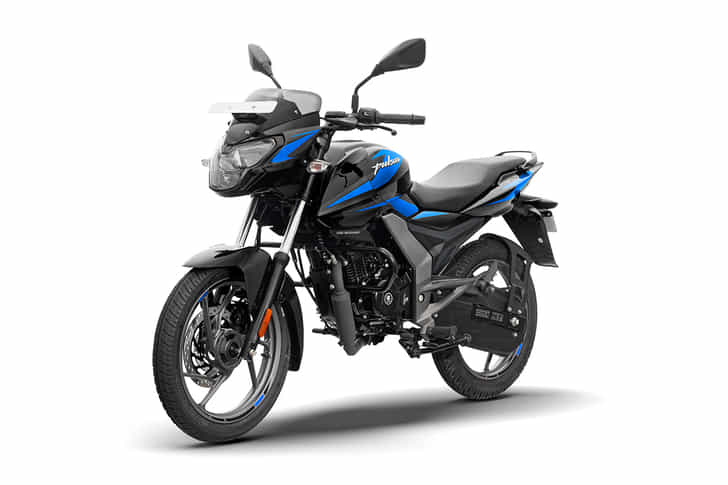
Kia SeltosRenault DusterI currently own a previous-generation 2026 Pulsar 150 Twin Disc. The new model comes with updated switchgear that includes a hazard light switch. Is it possible to install the new switchgear with the hazard switch on my bike? What could potentially go wrong with such an upgrade? For context, my bike is only two months old and has covered around 1,000km.
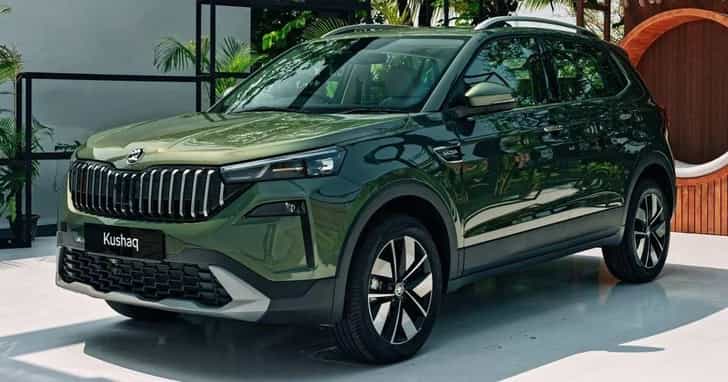
I am looking to upgrade to a petrol automatic car in Pune. My current car is a Ford Figo, and the new car will primarily be driven by four adults for city use, with occasional outstation trips. The overall running will be moderate rather than very high, so reliability is an important consideration. I have shortlisted the Maruti Suzuki Fronx 1.0 Turbo AT in the Alpha or Zeta variant, the Maruti Suzuki Brezza ZXI AT, and the Skoda Kylaq AT in the Signature Plus or Sportline variants. Please suggest the most suitable model and variant based on these requirements, and also recommend any other options from different brands within a budget of around Rs 15 lakh on-road in Pune.
Maruti Suzuki BrezzaMaruti Suzuki FronxSkoda KylaqHonda ElevateI want to buy a new petrol car from Maruti Suzuki and am considering the Vitara, Victoris, or any other suitable option from the brand. Which car would be the best choice for me? I currently own a 2011 Maruti Suzuki Swift. My daily running is around 15km, and I am a PSU employee who will be retiring in January. I would appreciate your feedback.
Maruti Suzuki VictorisMaruti Suzuki BrezzaMaruti Suzuki Grand Vitara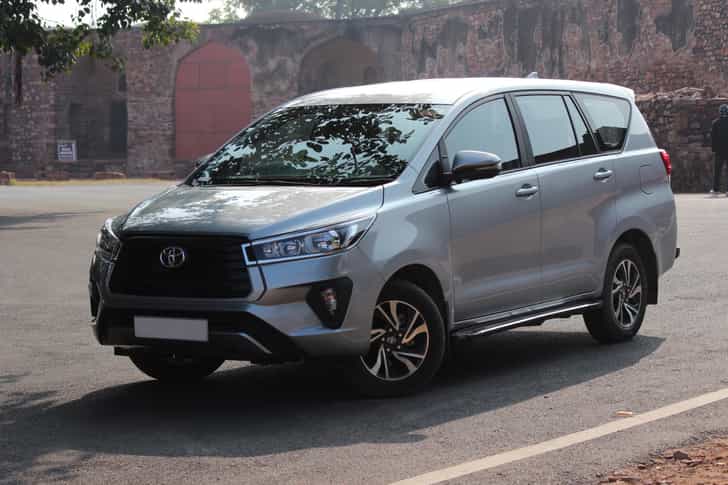
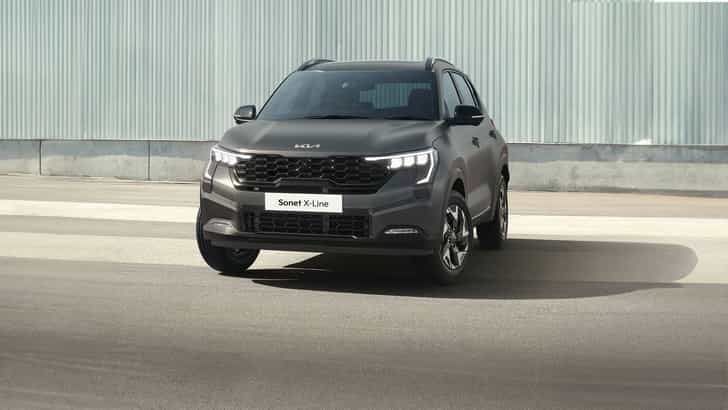
Hello, I’m looking to buy a good car in India. We previously had an Alto, and this will be our first new car. I’ve taken test drives of the Creta and Seltos. The Creta looks good overall, while the Seltos feels newer and more premium, although my family didn’t really like its door handles. This will primarily be a family car, with our usage being around 80 percent on highways and 20 percent in the city. I’m considering either of these two, but I’m also open to other options under a budget of Rs 20 lakh. Any suggestions or recommendations would be helpful. Thanks!
Kia SeltosHyundai CretaSkoda Kushaq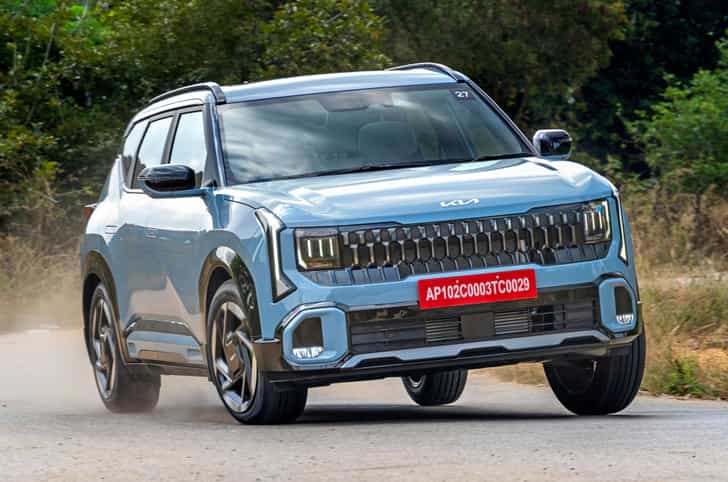
I’m stuck between the CB350RS and Scram 440 and would love to hear from people who have ridden either or both. I’m primarily looking for a daily city bike, with occasional long rides and weekend tours. I commute around 26km every day through peak Bangalore traffic, and the roads aren’t exactly great either, with plenty of potholes, broken stretches and stop-and-go traffic. I had initially shortlisted the CB350RS because I really liked its character, relaxed nature, thump, refinement and mileage. It feels like a bike I’d genuinely enjoy riding every day. However, I felt it was slightly lacking when I needed to make quick overtakes or manoeuvre through gaps in traffic. It isn’t necessarily slow, but it doesn’t feel particularly eager when you need that extra shove. Then I rode the Scram 440, and that’s where the dilemma started. I absolutely loved its character and the way it delivers power. It felt much easier to make quick overtakes and manoeuvre through traffic. The seating position and suspension also felt significantly better suited to Bangalore’s terrible roads. On the other hand, I’m still drawn to the CB350RS because I really like its overall feel and calmer, more relaxed character. So, which one would you pick for this kind of usage? I’d especially appreciate feedback from anyone who has owned or ridden both.
Hi guys, I’m looking for a four-car garage that can fulfil some specific roles. I need an EV for city use in Bangalore, and I’m considering either the Tata Tiago EV or Punch EV. I also need a high-mileage family hauler, for which I’m thinking of the Toyota Innova Hycross VX(O). For a fun car for myself, I’m considering the Volkswagen Virtus GT. Finally, I want another SUV that doesn’t need to be as large as the Hycross, so I’m considering the Mahindra XUV 7XO, Kia Seltos or Mahindra BE 6. I’ll be travelling frequently between Bangalore, Hyderabad and Coimbatore, and I’m also planning a road trip across India. My overall budget for the four cars is around Rs 1-1.5 crore. I’m open to suggestions, so I’d really appreciate any recommendations. Thanks in advance!
Tata Tiago EVTata Punch EVToyota Innova HyCrossToyota Urban Cruiser HyryderVolkswagen VirtusMahindra XUV 3XOKia SeltosKia SorentoSkoda Slavia