Autocar India
•7w

I'm 38, a government employee earning ~₹90,000/month. I need a new car for daily commuting — 70% highway, 30% city, mostly hilly, bumpy roads and state highways in Jammu region. I drive around 2,000 km/month (~24,000 km/year). My current car is a 2019 Tata Tiago with 1 lakh km on the clock. It needs frequent repairs and gives only 10 kmpl, so I want to replace it. Budget: up to ₹17–18 lakh (on-road). Priorities: Strong driving performance/power — I enjoy driving, not just commuting Manual transmission preferred Mileage should be reasonable, not the top priority, but shouldn't be too low either Durability on rough hilly roads Shortlisted so far: Renault Duster 1.3 Turbo MT Mahindra XUV 7XO AX7 Diesel MT Considered and rejected: Kia Seltos Diesel — didn't like the exterior design or driving performance. Question: Between the Duster and XUV 7XO (or any other option I'm missing in this budget), what would you recommend for my use case — considering long-term reliability, service network availability in a hilly/semi-rural area, ride quality on rough roads, and overall value for money?


No comments yet

Be the first one to start the conversation

More posts on similar cars

•2d

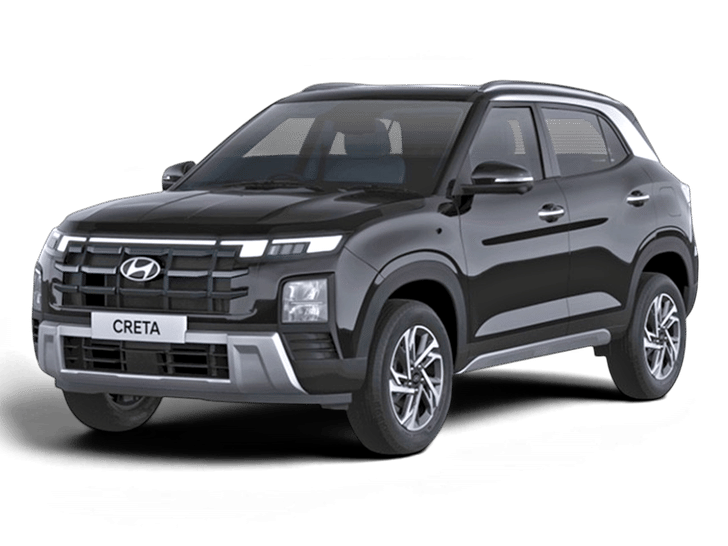
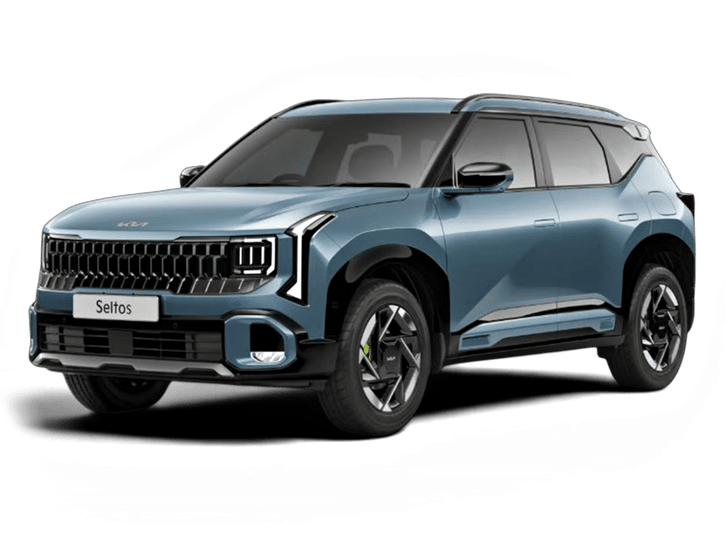
I’ve been driving a Maruti Ritz Diesel for approximately 7 years and am looking for a proper upgrade. My running is around 750-1,000 km/month, with 75-80% highway driving, and typical long trips of 200-250 km one way. My budget is roughly Rs. 19-22 lakh (on-road) in Bangalore. I generally keep my cars for a long time, so long-term reliability and highway performance matter more to me than just features. I have shortlisted Kia Seltos 1.5 Turbo DCT that is around Rs. 20.6 lakh. This is probably the most fun of all the options. The turbo feels strong and the DCT is quick and smooth. My concern is long-term ownership because it is a dry-clutch DCT, and I’m wondering about DCT/turbo-petrol reliability over 5+ years. It is also around Rs. 1 lakh cheaper than the diesel. Another shortlisted car is Kia Seltos 1.5 Diesel AT for around Rs. 21.6 lakh. This feels like the natural upgrade from my Ritz Diesel. It generates 250 Nm torque, highway performance and potentially better mileage that are better for my usage. But my running is only 750-1,000 km/month, so I’m wondering whether the extra 1L and diesel-specific considerations, particularly DPF, are worth it when I don’t drive that much in the city. Would love to hear from long-term Seltos diesel owners. Another shortlisted car is Renault Duster 1.3 Turbo DCT Adventure that costs around Rs. 19 lakh. I’ve driven it multiple times and really like the way it feels. It feels more rugged and planted than the Seltos, with better suspension and less body movement at highway speeds. I can physically feel the difference in the heavier boot/doors and overall solidity. I know both cars are 5-star rated, so I’m not equating weight or feel with crash safety. The Duster has a wet-clutch DCT, unlike the Seltos dry clutch, which is another reason I’m considering it. The compromise is features and rear space as the Seltos has noticeably better knee/legroom. However, the Duster is still perfectly comfortable for my family’s height, so I can live with that. I have also shortlisted Kia Seltos 1.5 NA CVT/IVT that is priced around Rs. 19.65 lakh. I would select it for its simplicity. I know I’ll compromise significantly on torque as compared to the turbo and diesel, especially coming from a diesel Ritz, but a 4-cylinder NA petrol is a relatively straightforward option and potentially fewer powertrain-related headaches will be there compared to DPF and modern turbo/GDI systems. If I go this route, I may also wait for the Elevate facelift. Although the current Elevate’s poor thigh support is a major concern for me. My wife strongly prefers the Seltos, so realistically, my biggest dilemma is Seltos Turbo DCT vs Diesel AT. Duster is the wildcard because I personally like its ruggedness and driving character, while NA petrol is the fallback for its simplicity. I am looking for genuine 5-year ownership experience, highway performance, reliability, DCT/DPF experience, mileage and maintenance opinions rather than just brochure figures.

Verified
•1d

Given your usage pattern of 750–1,000 km a month with 75-80% highway driving and a long-term ownership mindset, we would pick between two. The Kia Seltos 1.5 diesel automatic would be a sensible choice as the diesel’s strong mid-range torque and better fuel efficiency on highways make it a natural upgrade from your Ritz diesel, and your running is sufficient to justify the diesel premium. The DPF concern is largely a non-issue in your case because your usage is predominantly highway, which is exactly the kind of driving that keeps the DPF healthy.The Duster would be the more fun option, and yes the wet-clutch DCT would be better in start stop conditions, but in your case this would be even lesser of a factor as your driving is mostly on the highway and since you said the space is ok for you and your family you could consider this one too. Overall for you the Seltos diesel automatic is more the head buy while the Renault Duster would appeal to the heart. It all comes down to which you want to lean towards.

VehicleKia Seltos
VehicleRenault Duster
•19h

Hi, I want to buy my last car as I am 66 years old. I have been driving a Honda City for the last 12 years without any major hiccup. The Honda City engine and its reliability is excellent although its ground clearance is an issue. I have looked at Elevate and given its ground clearance as an SUV, I am impressed although the issues on E20 and abrupt blending issues are surely technical issues. Windsor EV was a great test drive but all controls on screen could be a bottleneck for me at my age and am planning to move to an automatic. Please recommend as experts. My monthly running will not be more than 500 km. Should I also look at Seltos. I will appreciate a feedback from experts. I want a reliable, easy to drive car with low maintenance cost and good family value with. There won't be any great pick ups or many highway drives will not be there.

Verified
•1h

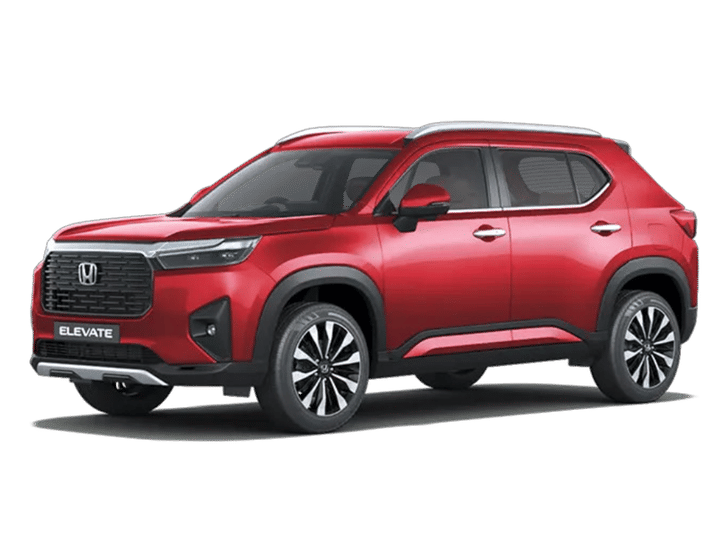
Given your 12 years of trouble free City ownership, the Elevate is the most natural replacement. It retains Honda’s simple 1.5-litre naturally aspirated petrol engine, adds substantially better ground clearance and gives you the easier ingress and SUV driving position you liked. The CVT is also very well suited to your low speed, low running usage and should make the transition to an automatic easy.On your E20 concern, we would not treat it as a reason to avoid the Elevate. Honda says all its cars manufactured in India since January 2009 are E20 material compatible, and the current Elevate is officially certified for E20. Honda also says E20 should not cause durability concerns or require any component changes. There can be a marginal reduction in fuel economy because ethanol contains less energy than petrol, but with your 500km monthly running, that is unlikely to be significant.The Seltos is worth a look, particularly if you want a more feature rich and premium cabin, but given your priorities of reliability, easy driving, low maintenance and long term ownership, the Elevate fits your requirements more naturally. The Windsor EV is also an interesting option, but at just 500km a month, there is little financial reason to move to an EV, especially when you have concerns about its touchscreen heavy interface.

VehicleHonda City
VehicleHonda Elevate
VehicleMG Windsor
VehicleKia Seltos
•1d

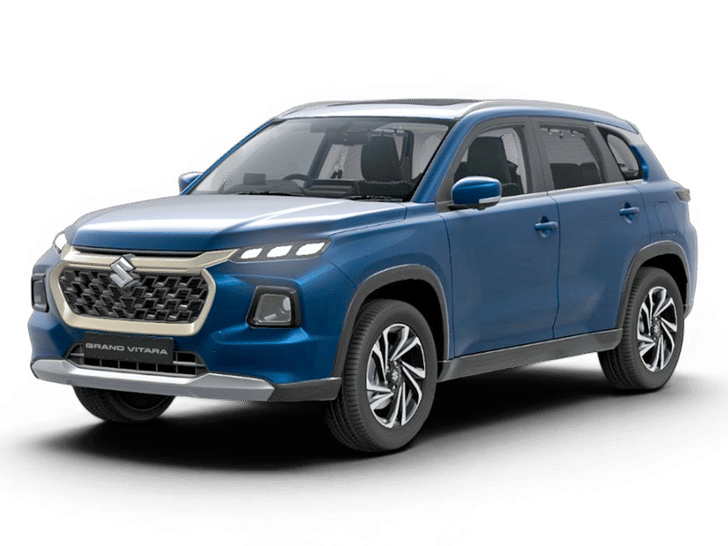
Hi, I am looking to buy either Syros EV or a hybrid car. My usage is around 65 km run in heavy traffic zone between Delhi and Gurgaon almost 3 times a week on weekdays and local city driving on weekends. Once in 4-5 months, I plan intercity trips. Please tell whether Syros EV or Maruti Grand Vitara makes sense. I do have an independent house so I can set up home charging. However, I am also concerned on what should be done if EV breaks down considering current facilities and how quick is the road side assistance for EV. Finally, I want to go ahead with company leasing due to which I will be the second owner and have to buyback after 3 years. Please suggest.

Verified
•13m

Go for the Kia Syros EV. With your usage pattern of 65 km runs in heavy traffic three times a week, plus local city driving on weekends, the Syros EV makes far more sense than the Maruti Grand Vitara Hybrid. You have a predictable, high-frequency commute and the ability to install a home charger, which is exactly the scenario where an EV delivers maximum benefit. The Syros EV is a well-rounded package with a comfortable ride, spacious cabin and a premium feel, and it will handle your daily runs effortlessly while keeping running costs low.On the question of breakdowns and roadside assistance, Kia offers a robust support network and dedicated EV roadside assistance. In the event of a breakdown, the response time is generally comparable to that of an ICE car, and Kia can arrange for the car to be towed to the nearest service centre if required. The Syros EV also comes with an 8-year battery warranty, which covers the most expensive component of the car and provides peace of mind over the ownership period.The company lease arrangement with a buyback after three years further strengthens the case for the Syros EV. You are not exposed to long-term depreciation risk, and you get the benefit of lower running costs and a modern EV ownership experience without worrying about long-term battery degradation.

VehicleKia Syros EV
VehicleMaruti Suzuki Grand Vitara

Popular discussions right now

•6d

Help me choose the right car for my usage. Please be practical and challenge my assumptions. My situation: I am 31 and work as a software developer. I currently work from home in Balsane, Dhule, but I am moving to Mumbai around March. My wife and I are expecting a baby in February. My parents live in a village where local transport is poor. My Mumbai office is near Powai, but parking is difficult. I prefer a manual car. Usage: My current running is around 10,000 km per year, but it may increase. I travel between Mumbai and Balsane, which is around 400 km one way, around 5-7 times a year, along with Dhule/Sakri and local trips. I also drive around Mumbai on weekends. The AC is usually on, and on long trips, the car will have my wife, baby, and luggage. Budget: Rs. 6-9 lakh on-road. I am willing to spend more only if it is genuinely worth it. Shortlist: - Tiago XE Petrol - Punch Pure+/Smart Petrol - Punch Pure+/Smart CNG - Brezza LXi turbo-petrol Please tell me: 1. Which one should I buy and why? 2. Petrol vs CNG for my usage? The CNG premium is around Rs. 1 lakh, and the nearby village pump may open around Diwali, but this is not guaranteed. 3. What real-world mileage can I expect with the AC on? 4. Please consider loan interest, fuel costs, maintenance, depreciation, and resale value. 5. Is the Brezza worth the extra money? 6. Give me one final choice and tell me what I should avoid.

Verified
•6d

The Brezza LXI Turbo is far superior to the Punch and Tiago as far as smoothness, performance, and cabin space are concerned. It is also backed by Maruti's widespread support network, and the ownership experience is likely to be fuss-free. The on-road cost of the Brezza LXI will fall within your Rs 9 lakh budget, and even though you might miss a few features, it still feels worth opting for. Alternatively, you could also consider the Maruti Dzire VXI MT for its large boot, comfy ride and strong fuel efficiency.

VehicleMaruti Suzuki Brezza
VehicleTata Punch
VehicleTata Tiago
VehicleMaruti Suzuki Dzire
•3d

I currently drive a Hyundai i10 CNG, with daily running of around 6 km in Gurgaon city traffic and a monthly highway drive of around 200 km. I am now planning to upgrade my car, with an on-road budget of Rs. 12 lakh for a petrol sub-4-metre SUV, up to Rs. 14 lakh for a petrol midsize SUV, and Rs. 15 lakh for an EV. I live in a rented apartment on the second floor, so I am apprehensive about getting an EV. I prefer an EV, but installing a charger could be complicated due to the sanctioned load. My running could increase to nearly 800 km per month in the future. My key priorities are: - Good suspension and ride comfort, as I have a back problem - Decent fuel efficiency in heavy city traffic - Low to medium maintenance costs - Auto hold and ventilated seats would be good to have I sometimes consider buying a manual, but I mostly prefer an automatic. I am currently considering the Maruti Brezza, Baleno AMT, Fronx AMT/AT, Sonet iMT, Exter AMT, and even the upcoming Inster, VF3, and Bayon. I am open to other suggestions as well. Note: I had a bad driving experience with the Punch AMT, as it caused back fatigue.

Verified
•2d

Given your priorities of ride comfort, fuel efficiency and low maintenance, the Maruti Brezza automatic is the most sensible upgrade. It offers a comfortable ride, a proven naturally aspirated petrol engine and Maruti's strong service network, which keeps long-term ownership costs in check. The torque converter automatic is smooth in city traffic, and the Brezza's higher seating position will help with your back issues. The Sonet iMT is not the right choice here. While it is a good car, the iMT is not a true automatic and will not offer the same ease of use in Gurgaon traffic. The Baleno AMT and Exter AMT are also not ideal given your back issues and the fact that AMT gearboxes are not as smooth as torque converter automatics in stop-start conditions.On the EV front, your apprehension about charging is valid. Without a straightforward home charging solution, an EV will add unnecessary complexity to your ownership experience. The upcoming Bayon is interesting and if you can wait a few weeks you would have a better picture before making a decision. For now, the Brezza automatic strikes the best balance between comfort, efficiency and hassle-free ownership.

VehicleMaruti Suzuki Brezza
VehicleKia Sonet
VehicleMaruti Suzuki Baleno
VehicleHyundai Exter
VehicleHyundai Bayon

Upcoming launch buzz

Community discussions on upcoming launches

Want to sell your car?

Sell your car at the right price, without the stress.

Expert reviews worth reading

Posted on: 1 Aug 2026