
Autocar India
6w

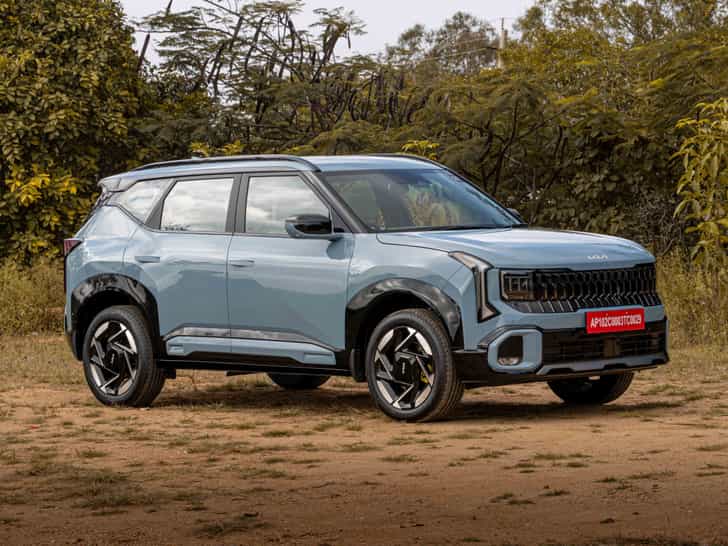
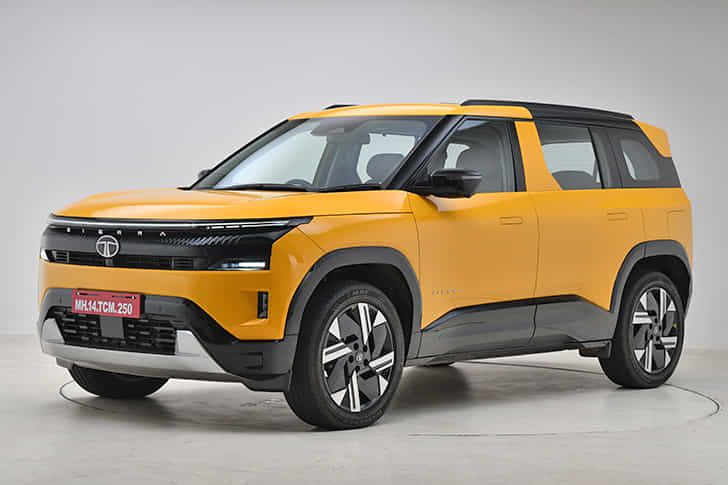
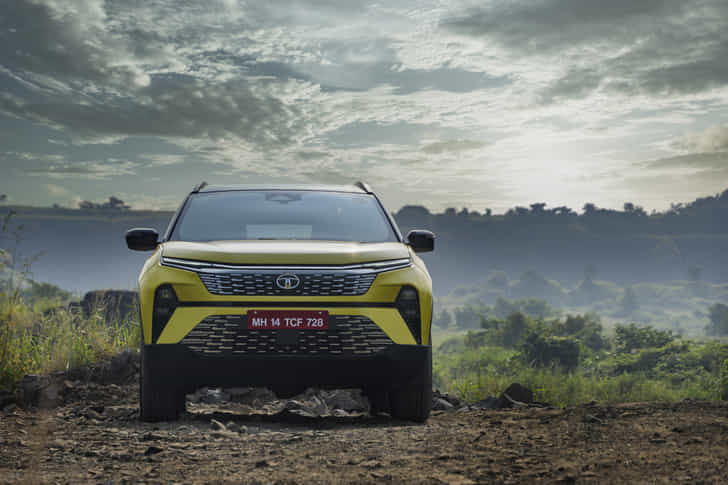
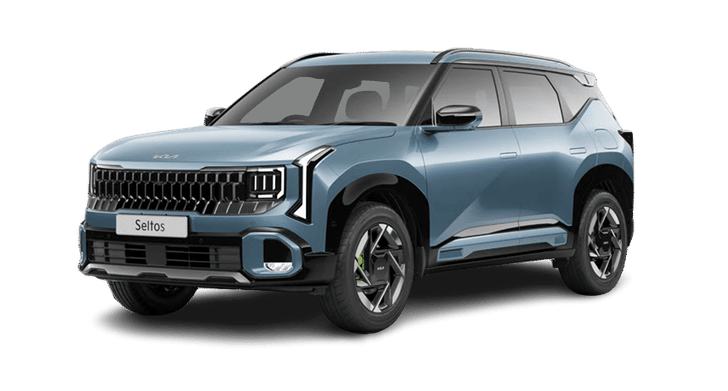
Hi, I currently own a second-generation Maruti Suzuki Swift Petrol Manual, which I have driven for around 80,000 km over the last 10 years. I am now planning to upgrade to a new car. I work in the private sector, and my primary usage will be daily office commuting during weekdays, along with occasional long drives on weekends with family. We are a family of five - my parents, wife, 4-year-old child, and myself. At the moment, I am confused between the Kia Seltos 2026, Tata Harrier Petrol, and Tata Sierra Petrol. My average monthly running is quite low, at around 500 km. My budget is around ₹16-18 lakh on-road with BH registration.

Verified
6w

The Kia Seltos 1.5 NA petrol seems to be the right fit as a family car. It suits your low monthly use, is easy to drive every day, and it'll feel like a huge step up from your Swift in space, comfort and modernity. 

The Tata Harrier and Tata Sierra are larger and heavier cars, and their 1.5-litre turbo-petrol engine isn't likely to be as fuel-efficient as the Kia either. Also, while they're wider, which makes them more suited to ferry three adults abreast in the back, for everyday use, these could feel relatively more cumbersome to drive and park in the city. 

For your use and budget, the Seltos NA petrol seems ideal. You could also consider the CVT automatic version for a smoother, more effortless drive.
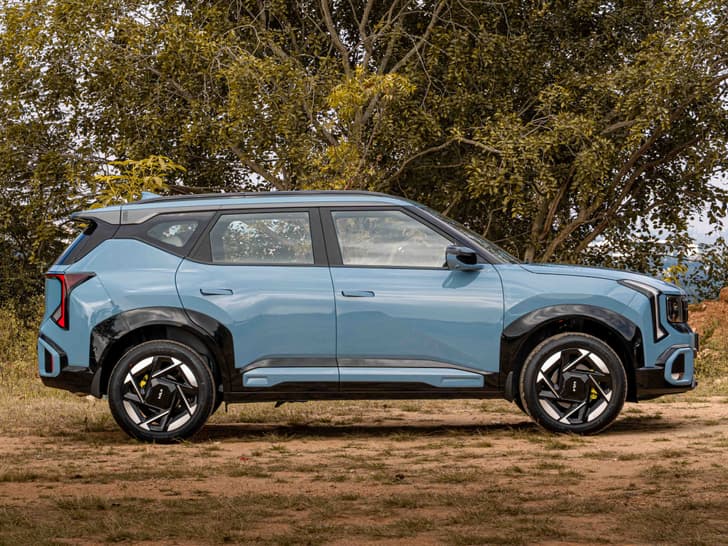
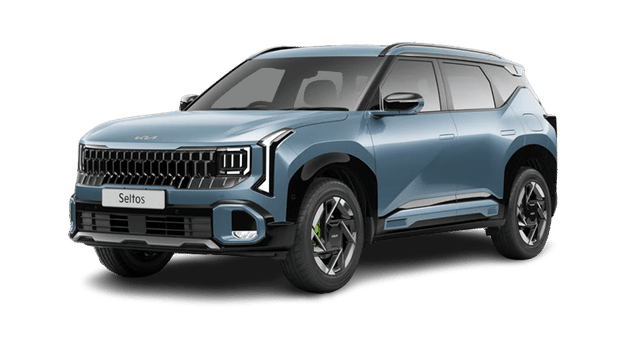
Kia Seltos

Kia Seltos

Want to sell your car?

Sell your car at the right price, without the stress.

More questions on similar cars

2d

Need buying advice - XUV 7XO, Seltos, Harrier or Safari? Hello Everyone, I’m planning to replace my 2021 Maruti Suzuki Brezza (clocked 50000 km) and would love some guidance. My usage: Location: Chembur, Mumbai Office commute (3 days/week): -50 km round trip (Chembur-Airoli) Approx. monthly running: 1,000-1,200 km Regular weekend drives around Mumbai/Lonavala/Alibaug, with 8-12 outstation trips a year and 1-2 native (Konkan) trips annually. Family of 3, with parents and in-laws joining us on majority of trips. I also have a left knee ligament issue, so an automatic transmission is a must. I’ve test-driven the Kia Seltos Diesel AT, Mahindra XUV 7XO Diesel AT, and Tata Safari AT (only petrol was available for the test drive). I’m currently confused between the Seltos, XUV 7XO, Harrier and Safari. One additional challenge is that my apartment has a mechanical puzzle parking system. The parking platform is quite tight, although there is a 5.5 m driveway opposite the parking slot to help with maneuvering. So overall dimensions and ease of parking are also important. My priorities are: Reliability (8-10 years) Comfortable suspension Rear seat comfort Strong highway performance Good service support Easy city drivability Which one would you recommend based on my usage? Are there any ownership experiences, reliability concerns, or other SUVs in the 25-30 lakh budget that I should seriously consider? Thanks in advance!

Verified
1d

Your usage is almost tailor-made for a modern diesel. At 1,000-1,200km a month with frequent highway drives, weekend trips and annual drives to the Konkan, you'll comfortably justify the diesel and shouldn't have to worry about DPF-related issues. The Kia Seltos Diesel Automatic also strikes the best balance for your requirements. It is the easiest of the four to drive and park in Mumbai, which is particularly important given your apartment's tight puzzle parking. It has a refined and efficient diesel engine, a smooth automatic gearbox, a comfortable ride, a premium cabin and one of the strongest service networks in the segment. It should also prove to be a dependable long-term ownership proposition.The Mahindra XUV 7XO Diesel Automatic is a close second. It offers more space, a more powerful engine and feels like a bigger, more substantial SUV. It is also the more accomplished overall product when compared to the Harrier and Safari, offering a better balance of performance, features, technology and overall package. The only drawback is that it is physically larger than the Seltos, which may become a hassle in your parking situation and while navigating Mumbai's streets.The Harrier and Safari are excellent highway cruisers with comfortable ride quality and spacious cabins. However, they are considerably larger than the Seltos, and when compared with the XUV 7XO, the Mahindra is the more complete package overall. Unless you specifically need the Safari's third row, we don't see a compelling reason to choose either Tata over the Mahindra.

VehicleKia Seltos
VehicleMahindra XUV 7XO
VehicleTata Harrier
VehicleTata Safari
2d

Hi, I’m planning to buy an automatic petrol SUV and am confused between the Kia Seltos HTE(O) IVT Petrol and the Hyundai Venue HX5 DCT Petrol. The on-road price difference is around Rs. 3 lakh, so I want to understand whether the Seltos is truly worth the extra cost. My typical usage includes 3,000-4,000km per year on moderate Indian roads, with occasional city driving. I also do weekend trips with family or friends, usually with 4-5 people. My car may sit idle for 15-20 days at a time. I currently drive a Hyundai i20 diesel manual.

Verified
1d

If you have the budget to accommodate the Rs. 3 lakh price difference, go for the Kia Seltos HTE(O) IVT. It is a significantly larger car, so your weekend trips with 4-5 people and luggage will be far easier. It also has a smoother and more refined powertrain overall, and its IVT automatic gearbox works equally well in the city and on the highway. Ride quality is better, the boot is much larger, and rear-seat space is something your passengers will appreciate.As for the Hyundai Venue, while a good SUV on its own, it is simply at a disadvantage for its size, given your intended usage. Its 1.0-litre turbo petrol is more powerful and feels punchier than the Seltos' 1.5 litre NA petrol, but it also suffers from serious turbo lag, and the DCT gearbox can be very clunky at low speeds, both of which are made worse when the car is full up. Thus, overall, the Seltos is just the better choice.Your automatic gearbox should have no real issue with sitting idle for 15-20 days at a time. What needs to be looked out for is the battery, which could discharge, and the fuel in the tank. E20 petrol, which is the norm in India now, can separate into petrol and ethanol if it comes in contact with moisture, which is a possibility when the car is left idle for a long. It is thus advisable in any case to run the car, even briefly, at least once a week.

VehicleKia Seltos
VehicleHyundai Venue

Popular discussions right now

3d

My annual running is below 7,000 km, and I plan to keep my next car for 12-15 years. I am confused between Grand Vitara, Hyryder, Elevate, Creta, Seltos and Victoris. My priorities are reliability, a good balance of power and fuel efficiency, family comfort, low maintenance and long-term ownership. I am also concerned about India's future ethanol-blending policy (E20 and higher blends). Which of these would be the best long-term choice and why?

Verified
2d

With an annual running of less than 7,000km, fuel efficiency should not be the deciding factor. Instead, you should focus on comfort, reliability, ownership experience and how well the car will age over the next 12-15 years. That's why we wouldn't prioritise the Grand Vitara, Hyryder or Victoris Hybrid. Their hybrid systems command a price premium that you'll struggle to recover with such low annual usage.Between the remaining options, the Kia Seltos strikes the best balance. It offers a refined and proven naturally aspirated petrol engine, a smooth IVT automatic, a spacious and premium cabin, excellent comfort and a strong ownership experience. It also feels newer and more upmarket than the Elevate, while the Creta is due for a generational update sooner.The Honda Elevate deserves a mention for its simplicity and reliability. If absolute mechanical simplicity is your priority, it is arguably the safest long-term bet. However, it doesn't feel as premium as the Seltos. The engine and CVT combination isn't quite as refined, and Honda's dealer network is smaller.As for ethanol blending, we wouldn't let it influence your purchase decision. While there is plenty of discussion around E25, E27 and E30 fuels, there is currently no confirmed roadmap for such a transition. More importantly, all of these cars are E20-compliant, and manufacturers have engineered a degree of tolerance beyond that. The most likely effect of higher ethanol blends would be a small reduction in fuel efficiency and slightly accelerated wear of certain fuel-system components over a very long period, not a major reliability issue.

VehicleKia Seltos
VehicleHonda Elevate
VehicleMaruti Suzuki Grand Vitara
VehicleMaruti Suzuki Victoris
VehicleToyota Urban Cruiser Hyryder

Posted on: 12 May 2026