Ford has confirmed it is developing range-extender hybrids to grab a larger share of electrified car sales after having suffered a drop in global EV sales in 2024. The company’s CEO, Jim Farley, said the brand is developing SUV and pick-up platforms designed for range-extender EVs (RExs) without stating any launch date.
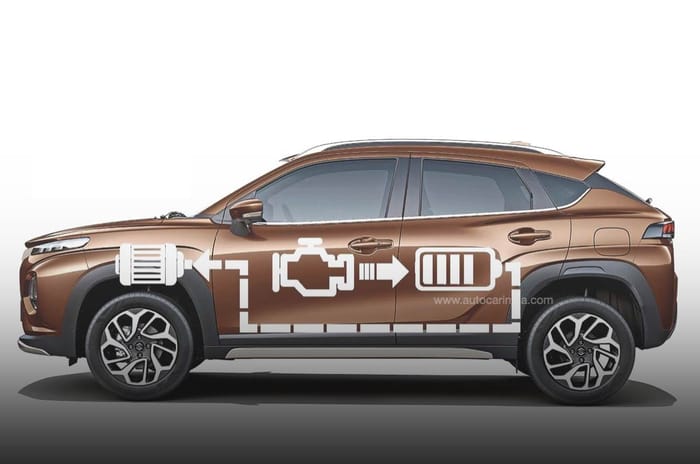
- RExs have a series hybrid powertrain with an e-motor driving the wheels
- Ford global EV sales dropped 9 percent in 2024 to 1,05,000 units
- Production of range-extender SUVs more affordable than pure EVs
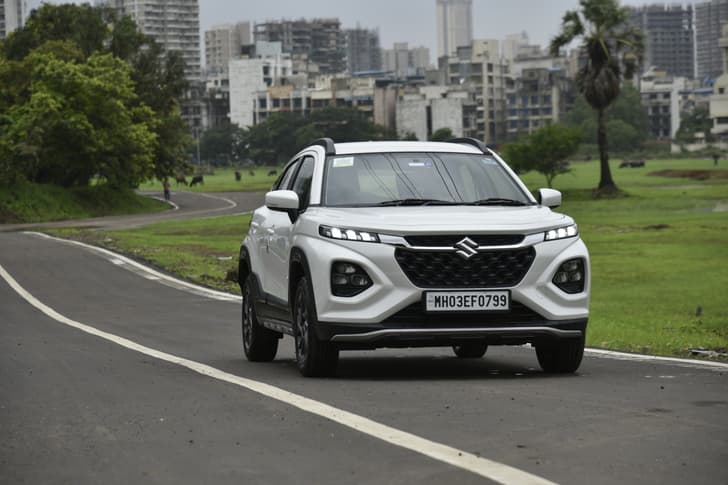
REx vehicles essentially use series hybrid powertrains, where an electric motor drives the wheels, and a petrol engine is used solely as a generator to recharge the battery pack, acting as a range-extender – the same sort of technology seen on the Nissan Note that was being tested in India and Maruti’s upcoming Fronx hybrid.
Speaking at Ford’s earnings call, Farley referenced interviews with owners of RExs built by Chinese brand Li Auto, which, due to the technology, has managed to obtain a substantial share of the premium SUV market in China. “We were really impressed that the customers thought of these vehicles as EVs. They do not think of them as hybrids or plug-in hybrids. They use 95 percent of the miles as electric, and they plug them in every night.”
Ford EV sales slump
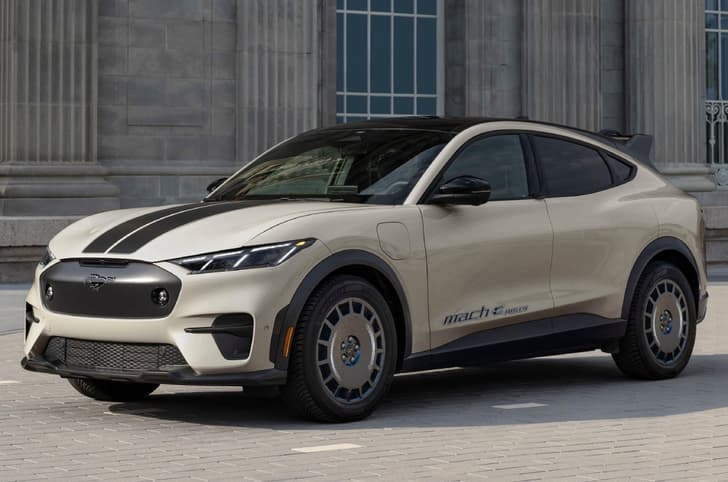
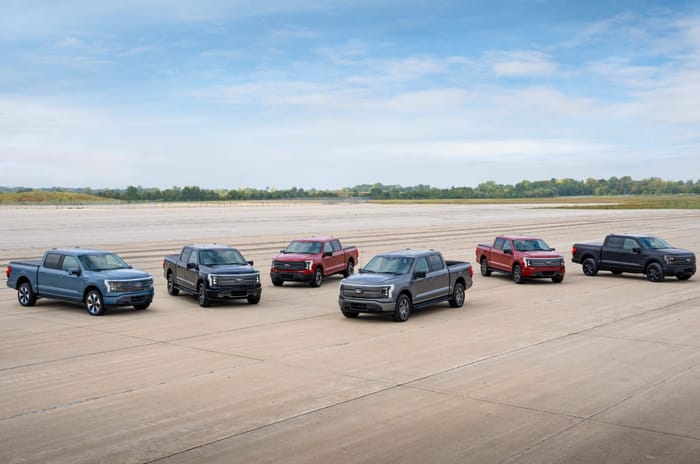
Company figures show that Ford’s EV sales dropped 9 percent globally in 2024 to 1,05,000 units despite launching the Explorer and Capri in the European markets. Meanwhile, global revenue generated by Ford’s Model E division – responsible for EVs – decreased by 35 percent as it was forced to offer discounts in the US market, especially for the Mustang Mach-E SUV and the F-150 Lightning pickup. Last year, the Model E section lost USD 5.08 billion (about Rs 44,410 crore) as it spent more than it earned developing new models.
Range-extenders more affordable than pure EVs
Ford CEO Farley admitted that customers of larger vehicles in the US were still reluctant to buy an electric car, and that was before EV-sceptic Donald Trump became President. “The economics are unresolvable,” he said. “These vehicles have worse aerodynamics, and they’re very heavy, which means very large and expensive batteries.” A shift to RExs in these segments would help drive down prices, Farley argued. “For the customer, you’re able to buy an electric vehicle that’s fully comparable to an ICE vehicle in terms of cost,” he said. “Because there’s no transmission, no gears [and] no driveline, there’s no duplicate axles, there’s no duplicate powertrain; the incremental investment of fitting that combustion engine is very minimal to the customer.”
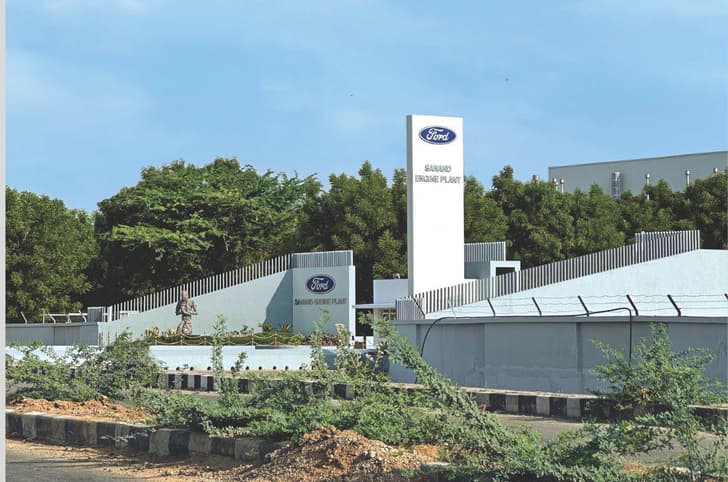
Farley said Ford was committed to its ‘skunkworks’ project of developing a low-cost EV platform despite the likely ending of incentives for EV sales and manufacturing in the US under the Trump administration. “This capability of making money in high-volume EVs… is going to be a global capability,” he said. ”It’s strategically important for us.” In fact, the word is that EVs based on this low-cost platform could be made at Ford’s Chennai plant – for India and global markets.
Carmakers in India launching hybrids
While the EV sales slump has not hit the Indian market as acutely, several manufacturers with a presence here have announced plans to launch or study the feasibility of bringing hybrid models. Honda is considering the ZR-V hybrid for an India launch, Kia is working on a three-row hybrid SUV to rival the XUV700 and Safari, and Mahindra’s XUV 3XO hybrid is expected to arrive in 2026. However, Maruti Suzuki, and by extension, maybe Toyota, are the only carmakers in the country that are currently looking at range-extender EVs for India.
 Autocar India News Desk
 Dhruv Dhaka

 Uday Singh