

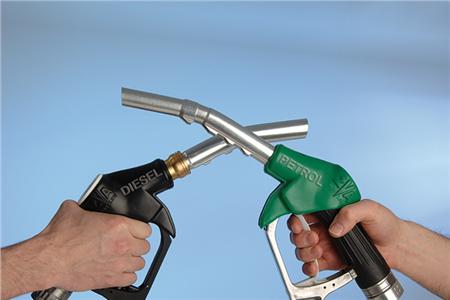
In recent years, India has become well known as a diesel car market. Thanks to a sharp rise in the price of petrol, the gap between it and the price of diesel grew wide, causing a dramatic shift at just about every price point. Even in the luxury segments, where the inherent smoothness and refinement of petrol powertrains are traditionally thought to be preferred, diesel variants outsold their petrol counterparts by significant margins. There are a number of other factors that contributed to this – better diesel engine technology for one – but ultimately it boiled down to the lower running costs that came with using diesel fuel.
Now, petrol is making a comeback of sorts. Over the past year-and-a-half, the government’s decision to de-regulate diesel prices with a gradual increase has seen the price gap between the two fuels reduce, making buyers take a serious look again at buying a petrol-engined car.
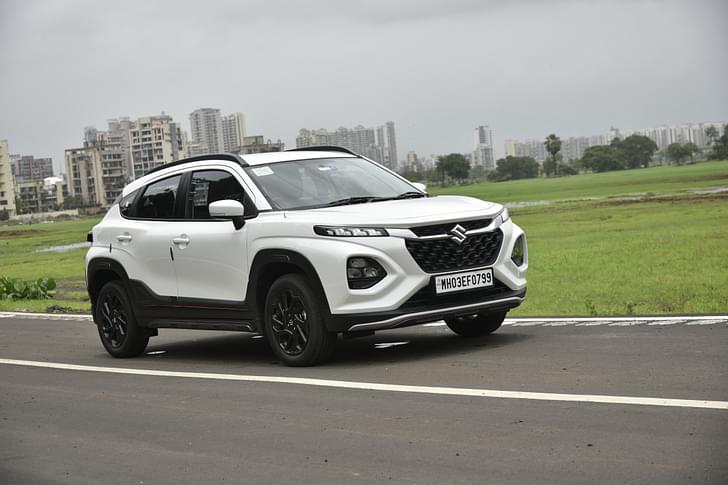
In fact, the tide has already started to turn. Market leader Maruti’s Swift hatchback has seen its petrol sales go up from around 4,900 units to about 5,700 units. Rahul Kale, general manager at one of the largest Maruti dealerships in Mumbai, has noticed a strong bias towards petrol. He said, “There are far more enquiries and bookings for petrol models, especially in the metros than there are for diesels. In fact, our sales ratio is about 4:1 in the favour of petrols now.” And it isn’t just limited to the metros.
Another model that has showed an even more distinct tilt to petrol is the Nissan Micra. With the debut of the petrol-only Active variant, sales have shot up three times to 4,718 units in April-October 2013 from 1,652 units in the year-earlier period. Toyota’s Etios Liva, which got off to a slow start, has also seen a rising trend in sales of petrol variants with 4,598 units sold in the first seven months of 2013-14 as against 1,460 units sold a year ago. The VW Polo has seen a rising trend in sales of its petrols with April-October 2013 sales at 8,343 units as against 5,424 units a year ago. Tata Motors has even accelerated its powertrain development programme – working on a 1.2-litre turbo-petrol offering that is based on the old Xeta engine.
 Rivan RS
 Viraaj Bhatnagar
 Uday Singh
 Suraj Viswanathan