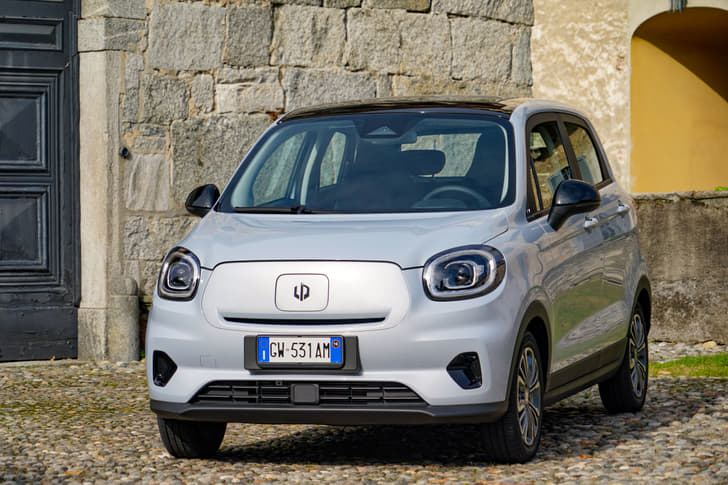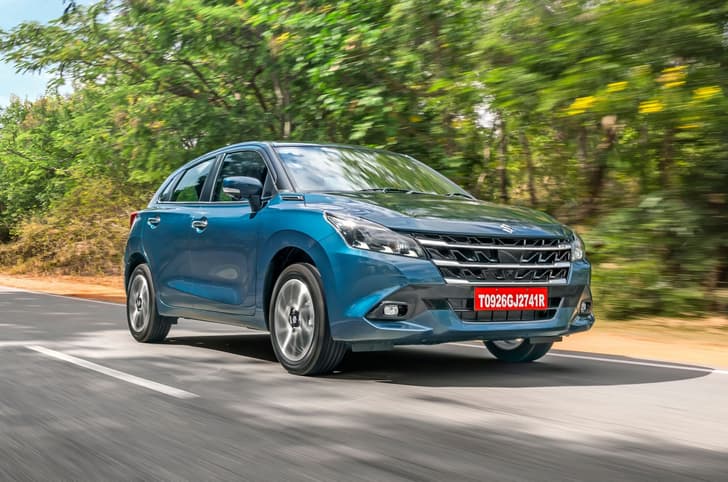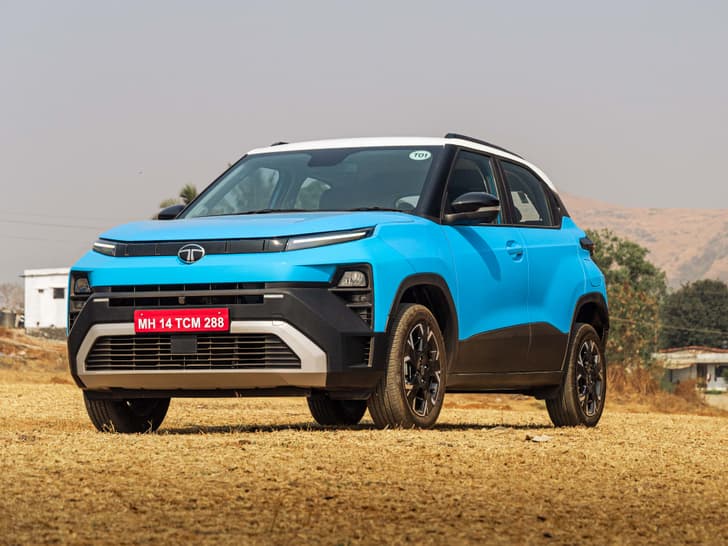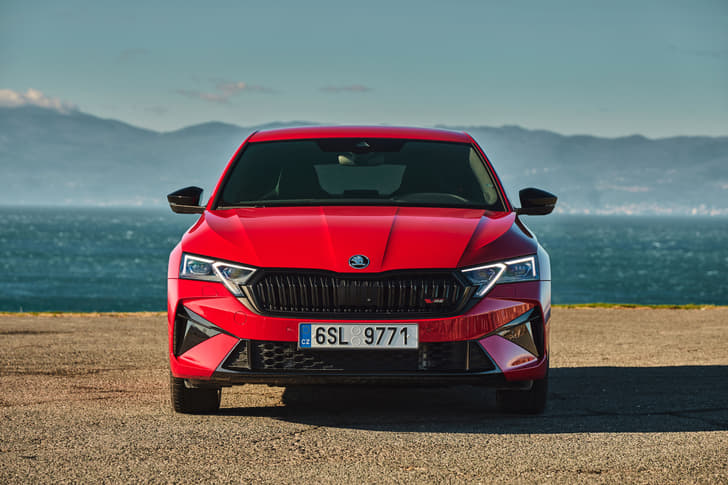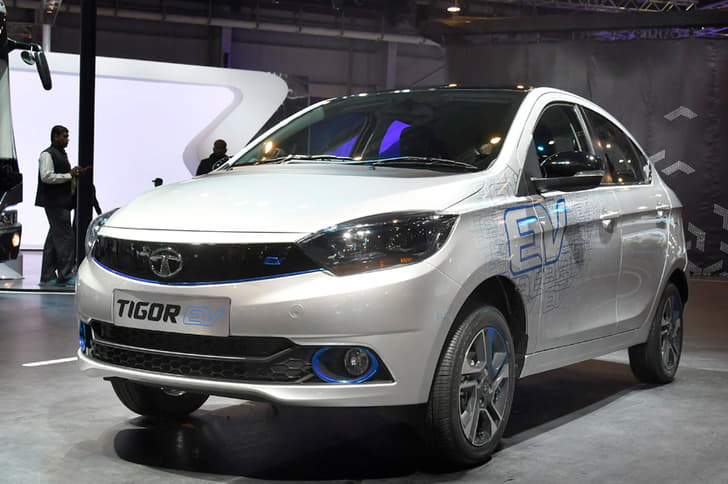
In an ambitious move, last year, the government ordered 10,000 electric cars to replace petrol and diesel cars used by its officials. The purpose behind the order of these 10,000 electric cars was to make electric vehicles more popular and reduce harmful emissions.
However, the June 2018 deadline has been missed and the government has delayed its plan by one additional year. Energy Efficiency Services Ltd. (EESL), the government-owned entity, was given the task of acquiring 10,000 cars. EESL had announced a tender for 10,000 cars in September last year and had planned to put 500 cars in operation by November and the rest by June 2018. As it stands, only 150 cars have been employed in New Delhi and another 100 odd cars in Andhra Pradesh and other provinces. This tender for electric cars was won by Tata Motors and Mahindra & Mahindra.
According to Bloomberg, the main reason for the low deployment of electric cars is the lack of charging stations. Currently there are 200 charging stations for government cars, of which around 100 are located in the capital city. Bids for charging stations have not received any positive reception, so far, and without adequate charging stations, it looks like an uphill task to put the proposed number of 10,000 cars in operation. Despite this, the government looks positive; and earlier this year in March, EESL floated a second tender for an additional 10,000 electric cars.
The push for electric vehicles comes from Prime Minister Narendra Modi’s administration which is targeting to replace more than 30 percent of the cars used by officials with electric vehicles, on-road by 2030. The government's shift to electric vehicles is an attempt to reduce air pollution while also reducing the country's reliance on fossil fuels – the most expensive commodity imported by India. However, lack of subsidies for electric vehicles and the almost non-existent charging infrastructure in the country are among the biggest hurdles faced by electric vehicle manufacturers in India.
 Viraaj Bhatnagar
 Dipan Sur
 Dhruv Dhaka
 Saptarshi Mondal