autocar-logo
Delhi

Ox flat-pack truck unveiled

The all-terrain 99hp Ox truck can be assembled from a flat-pack kit in less than 12 hours; expected to launch in two years.
2 min read9 Sep '16
Staff WriterStaff Writer
7K+ views

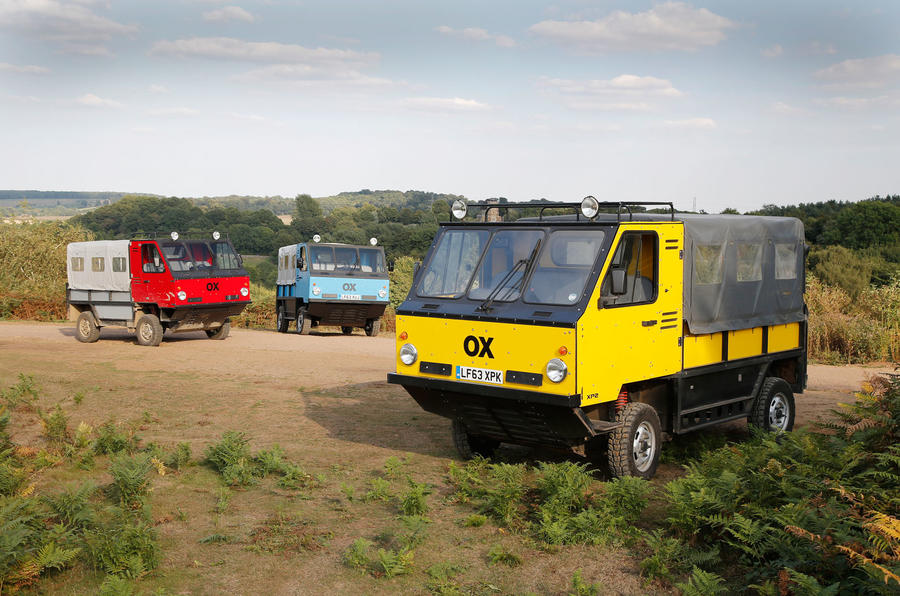
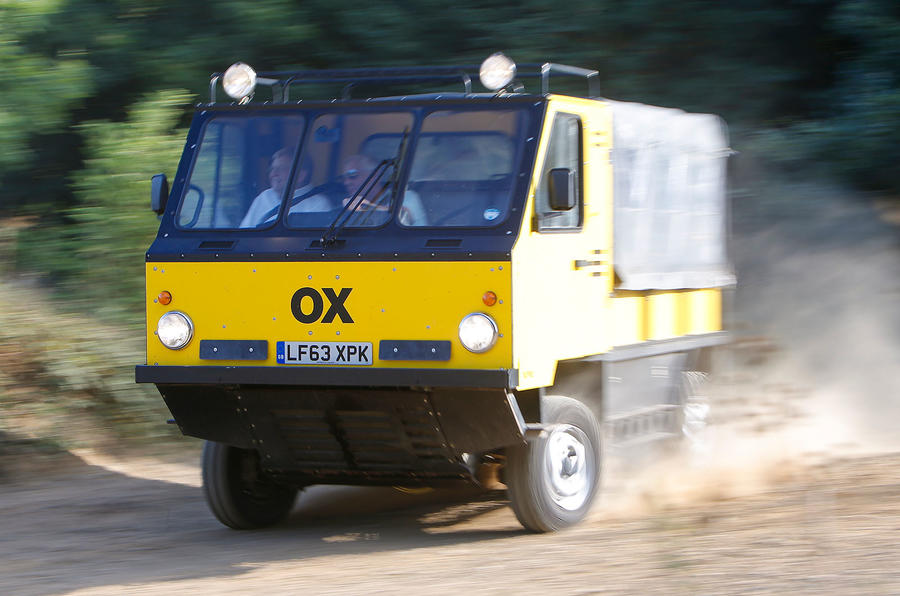
The world’s first flat-pack truck has been revealed in driving prototype form by Global Vehicle Trust (GVT). Called the Ox, the truck is the brainchild of entrepreneur Sir Torquil Norman, GVT’s main backer. Four years ago, Norman formed a partnership with Gordon Murray to use the British designer’s revolutionary iStream design principles to create an extremely durable, all-terrain light truck specifically for remote parts of Africa.

About the same length as a Ford Focus, the Ox can carry two tonnes, which is twice as much as a car-based pick-up. Its central-seat, cab-forward design leaves load space for eight 44-gallon drums, or three standard pallets, or 10 people on bench seats that can double as sand ladders. Additionally, the tailgate can be detached and used as a ramp for the loading crew to walk up or even for rolling up drums.

The chassis is a steel ladder with bonded-in wooden panels to provide torsional rigidity, a key iStream principle. The truck is powered by the Ford Transit van’s 99hp, 2.2-litre four-cylinder diesel engine mated to a six-speed gearbox. The all-coil, all-independent suspension uses simple, long-travel steel leading arms in front and trailing arms behind, and the suspension parts are identical side to side.The body parts – mostly flat panels in ultra-durable coated plywood – are also identical side to side, as are the seats and flat windscreen pieces.

Six Ox kits, with engines, fit into a standard 40ft container. A team of three can assemble one in less than 12 hours without any special tools.

At this stage, the Ox has a simple front-wheel drive layout, which saves weight and complication, but four-wheel drive versions are possible, says Murray. However, the Ox has better ground clearance and shorter overhangs than most pure off-roaders and early testing in rough and muddy terrain has returned such good results that the partners question the early need for four-wheel drive.

If the right backing can be found, Murray and GVT believe work already done would allow a UK manufacturing plant to be sending the Ox to market, which might include European as well as emerging market destinations, within two years.
 

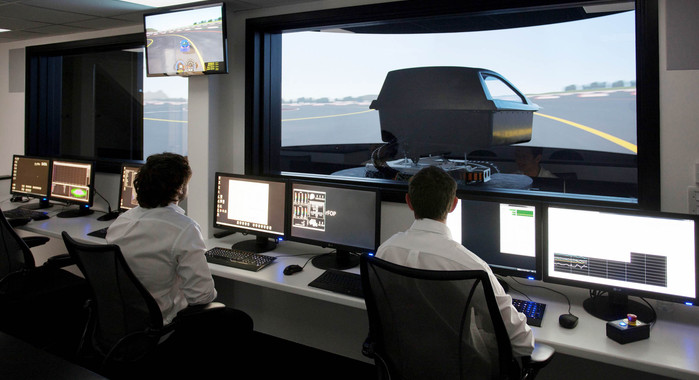
Simulators to help prevent motion sickness in next-gen autonomous cars

Engineers tweak simulator settings to induce motion sickness; studies aim to mitigate nausea by prototype stage.
2 min read9 Sep '16
Staff WriterStaff Writer

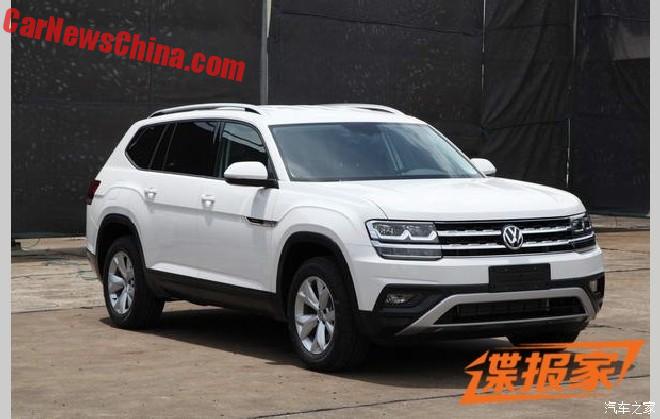
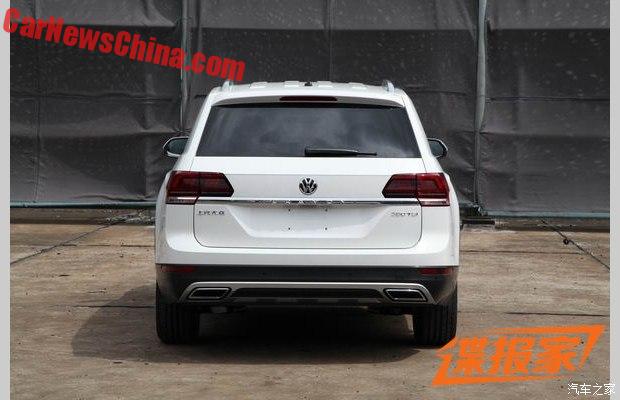
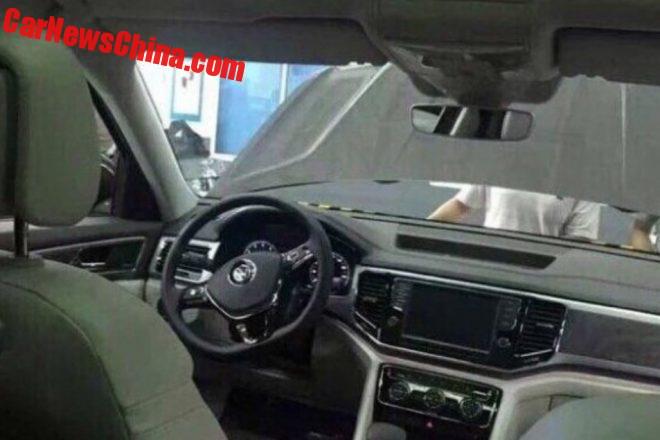
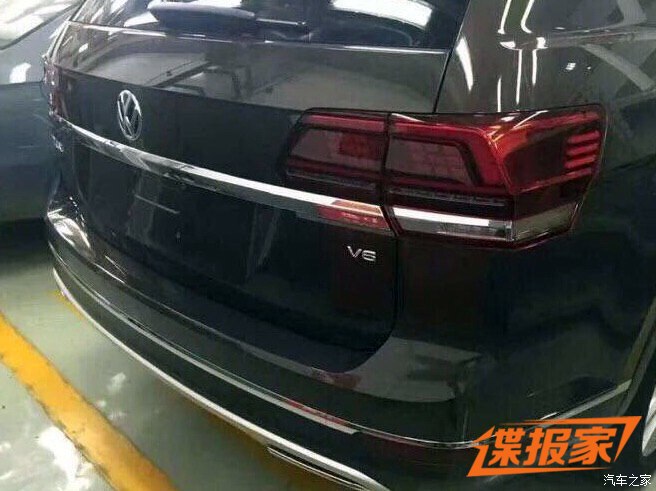
Volkswagen Teramont seven-seat SUV spotted undisguised

New seven-seater is part of VW’s plan to expand SUV line-up; expected to get a hybrid powertrain and turbocharged four-cylinder petrol and diesel engines.
2 min read9 Sep '16
Staff WriterStaff Writer

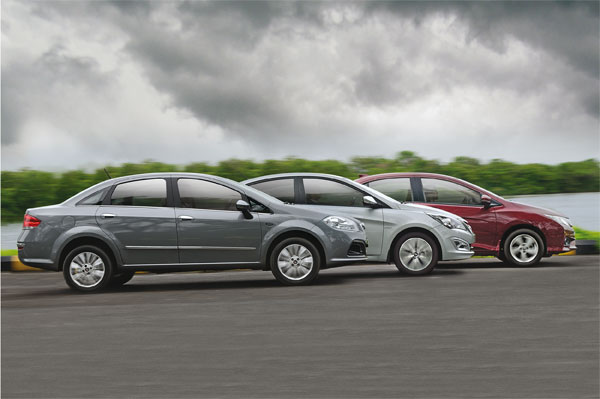
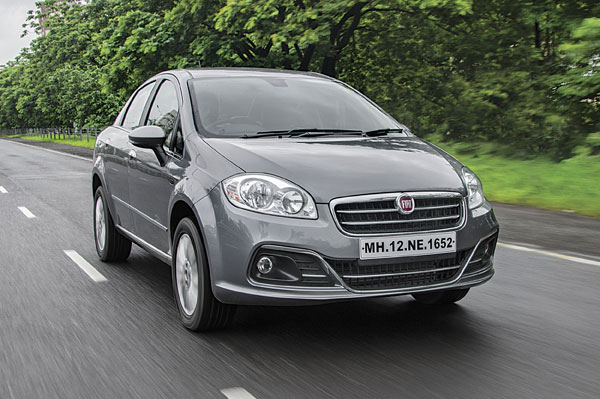
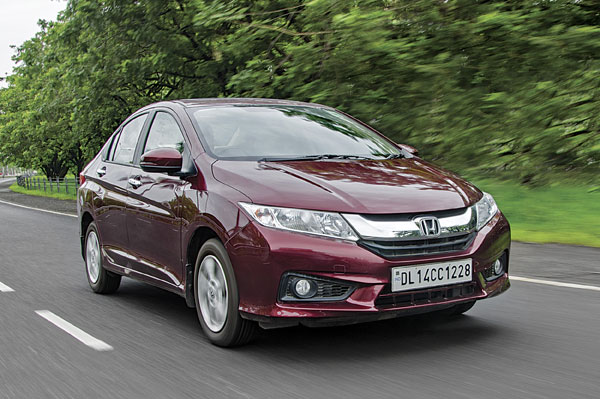
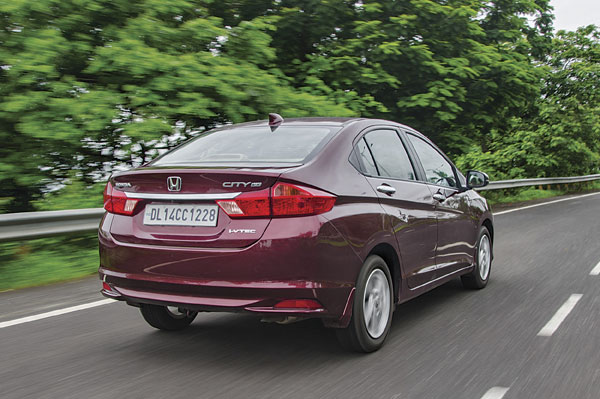
Fiat Linea 125 S vs Honda City vs Hyundai Verna comparison

Is Fiat's new Linea 125 S good enough to take on the best cars in its class? We find out which sedan makes for a fun, practical petrol family car.
3 min read9 Sep '16
Staff WriterStaff Writer

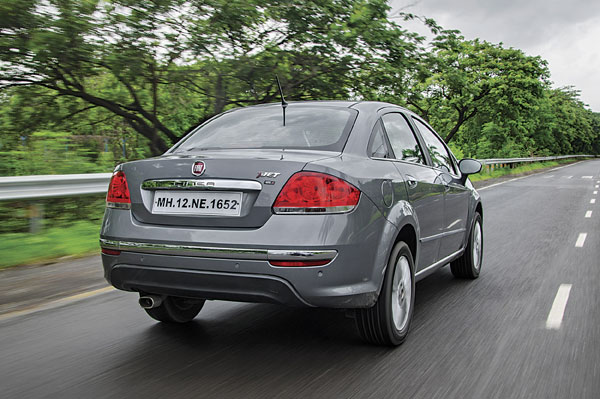
Linea has a fantastic ride, does a good job of absorbing potholes.

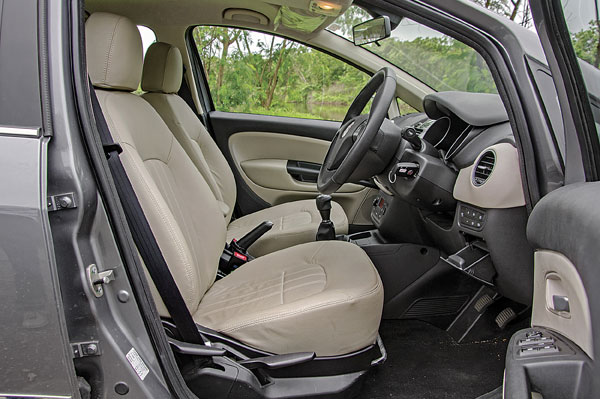
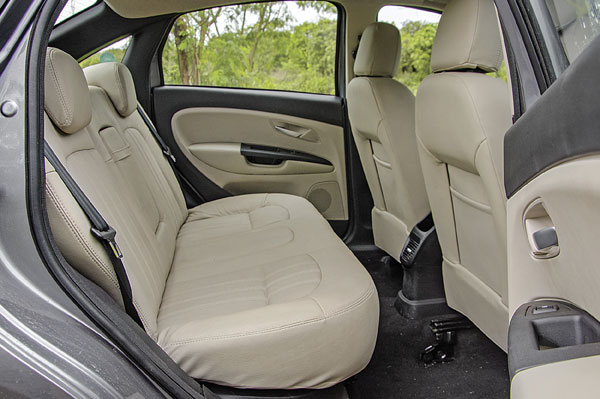
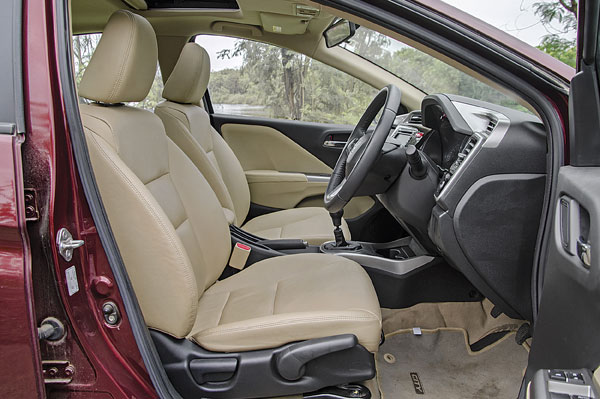
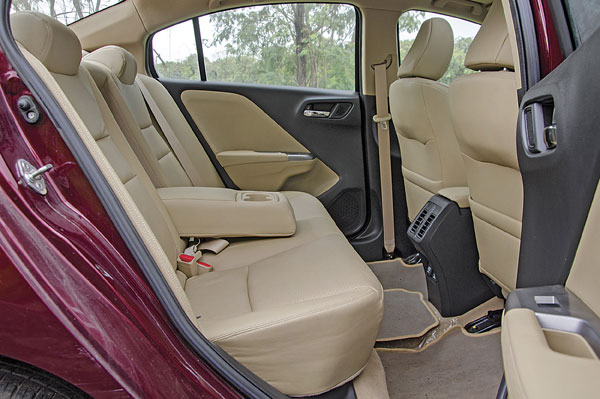
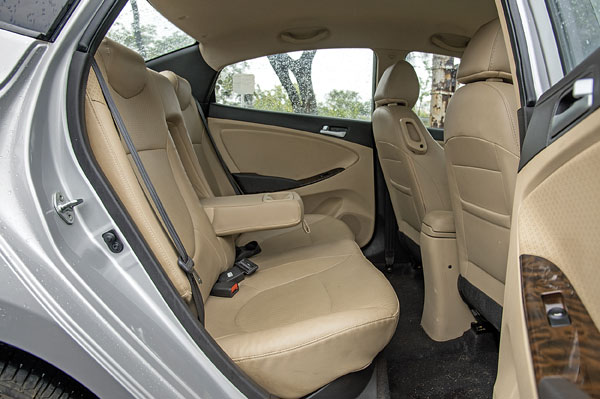
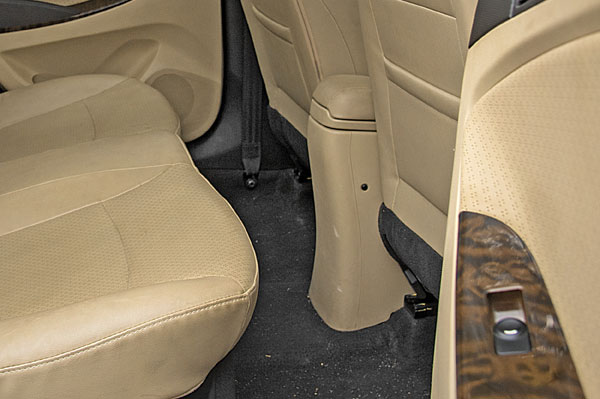
All seats in the car are well padded and large, though the rear legroom is poor.

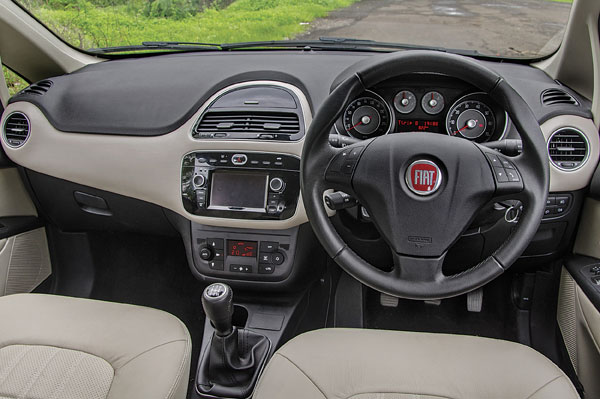
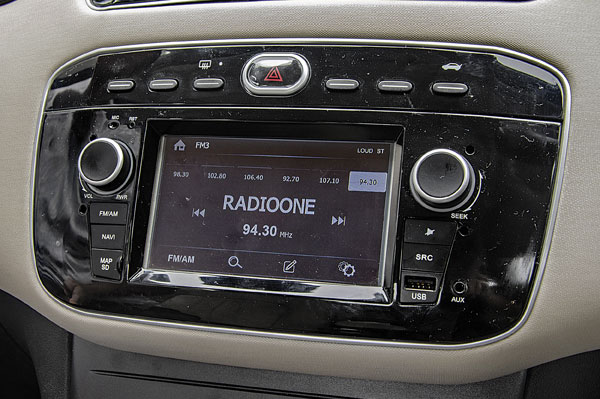
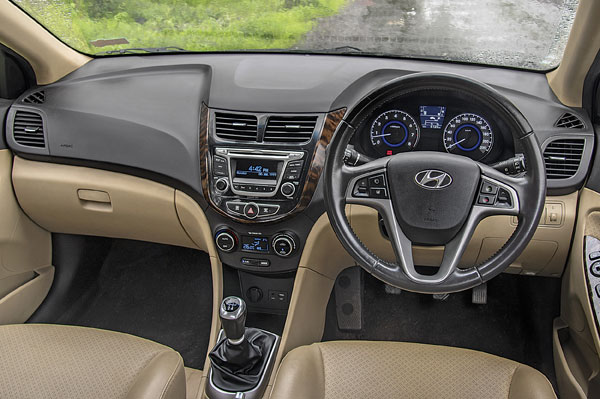
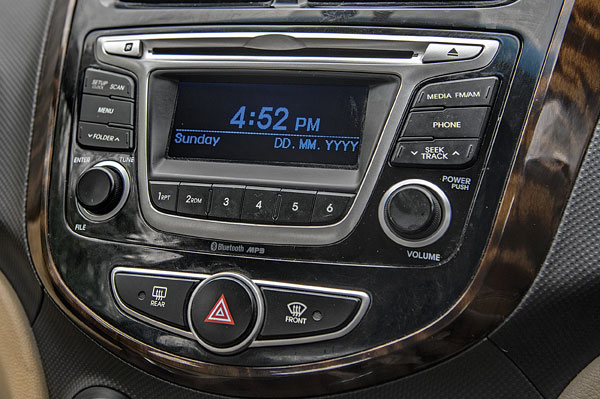
Dashboard is quite pleasing to look at and buttons are well-built. Screen is small though.

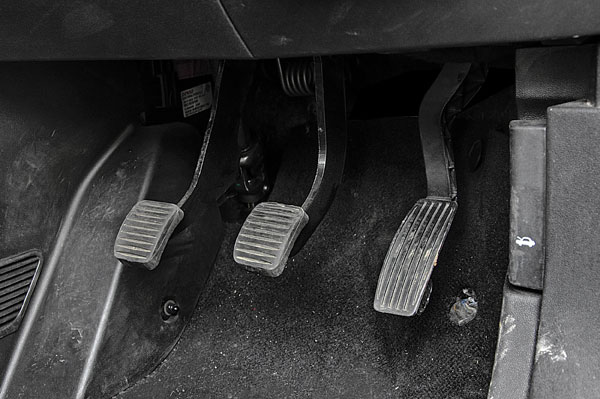
Dead pedal is handy.
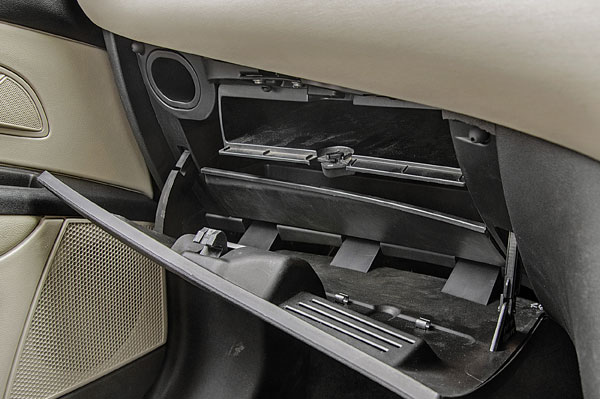
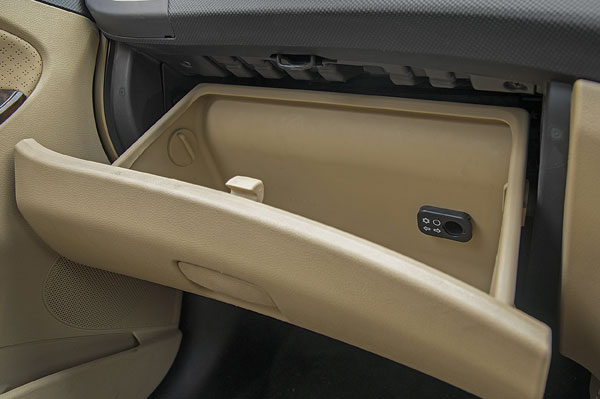
Glovebox gets a secret compartment.

The Linea's touchscreen is small and not very responsive, but graphics are clear.

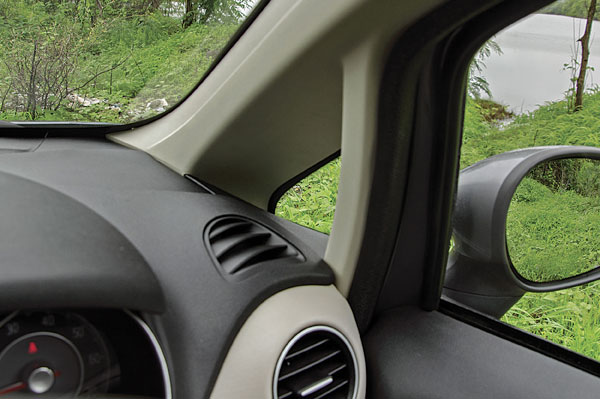
Front quarter glass provides good visibility.

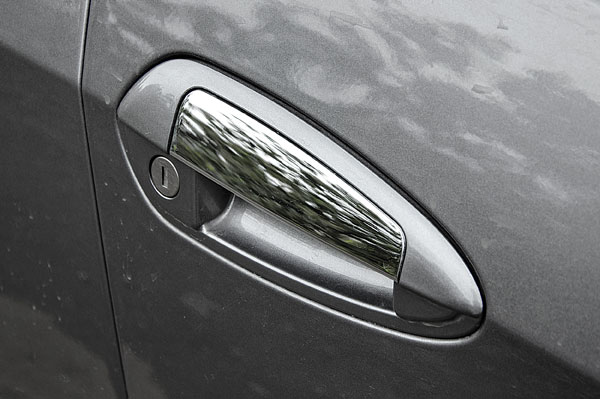
No keyless entry.

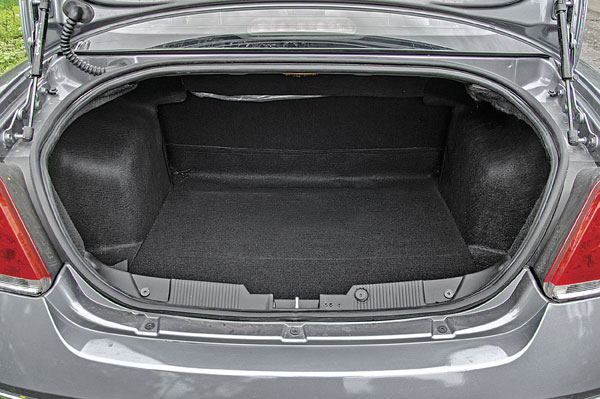
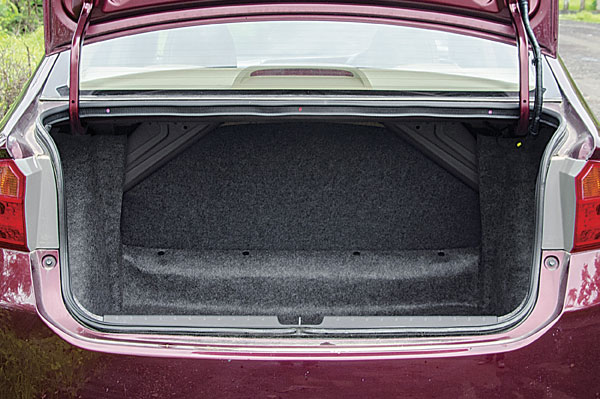
Linea's loading bay is narrow but capacity is good.

Low-speed ride isn't good in the city; it improves at speed.

Easily the best seats in the class, good support all around and even good amount of space.

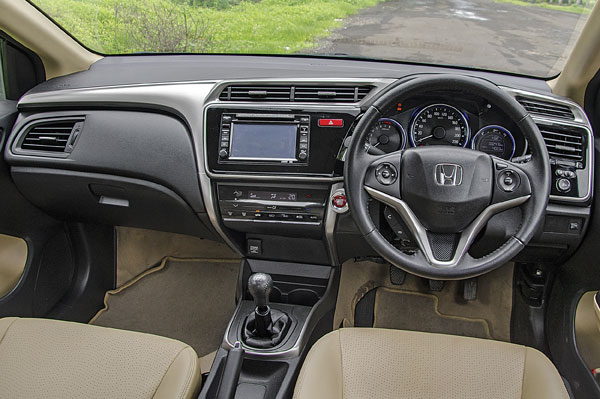
Dashboard design doesn't look cohesive, but quality and materials used are quite good.

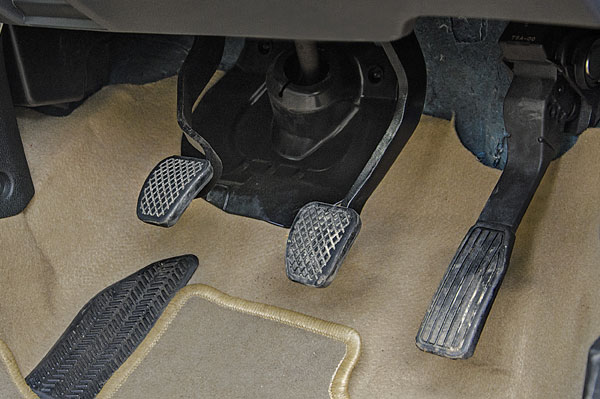
Dead pedal space is flat, not ideal.
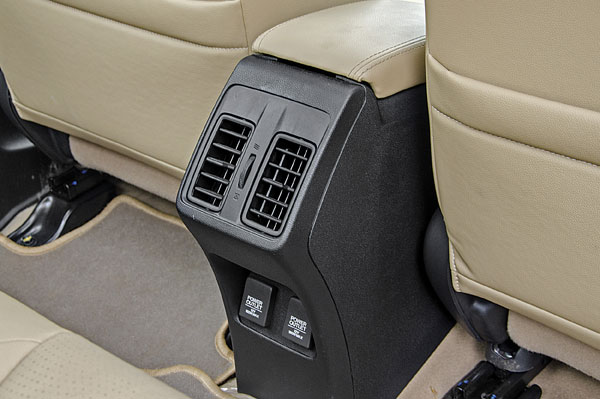
Two power outlets in rear.

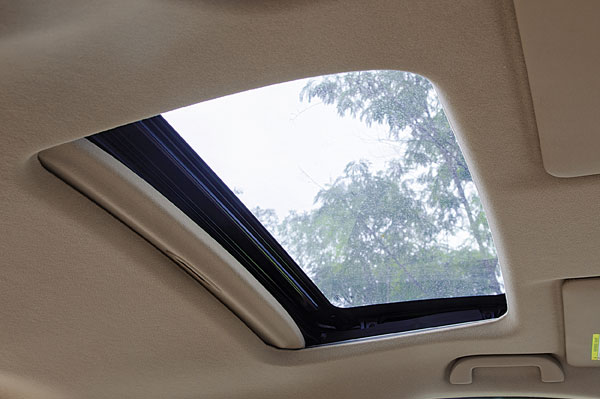
Electric sunroof is unique.

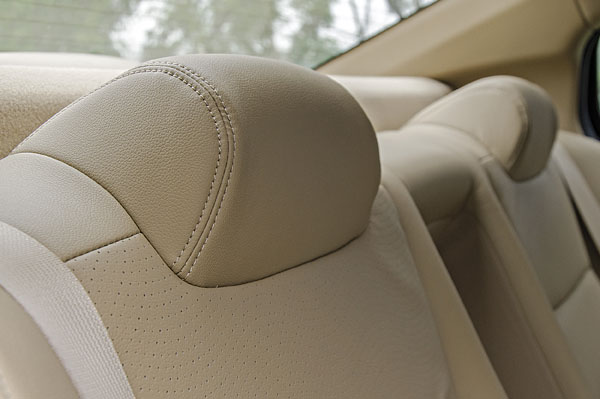
Rear headrests not adjustable.

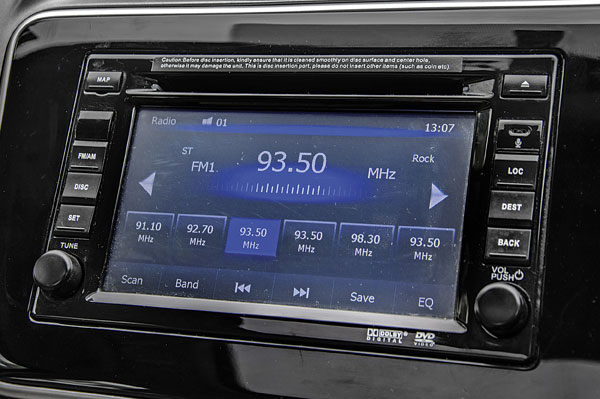
The City's touchscreen is large, but it is clunky to use, and not very responsive.

Loading lip is low, bay is wide and well thought out.
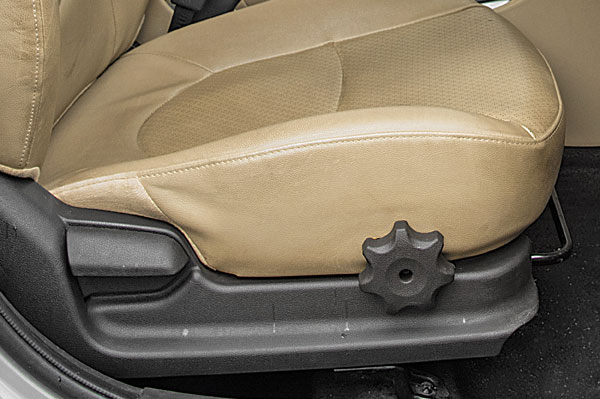
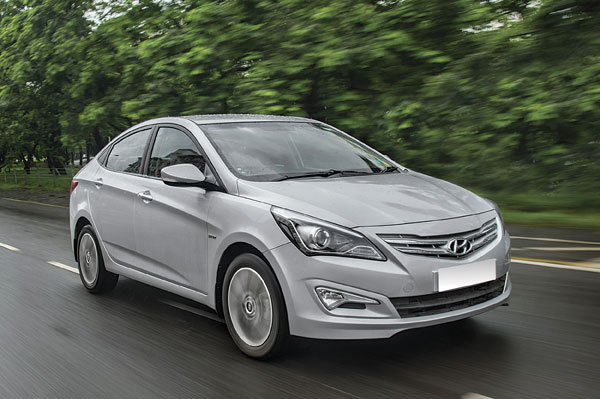
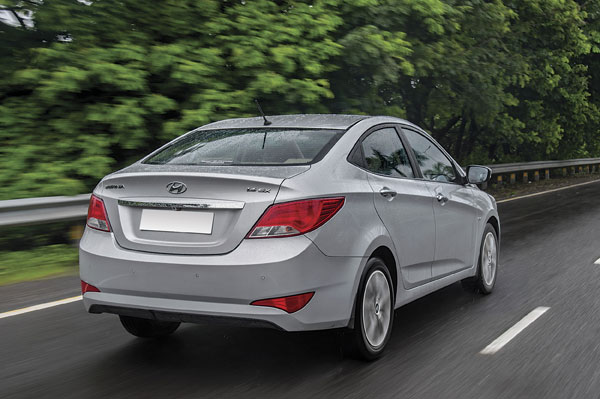
The Verna has good low-speed ride, but it bobs at speed.

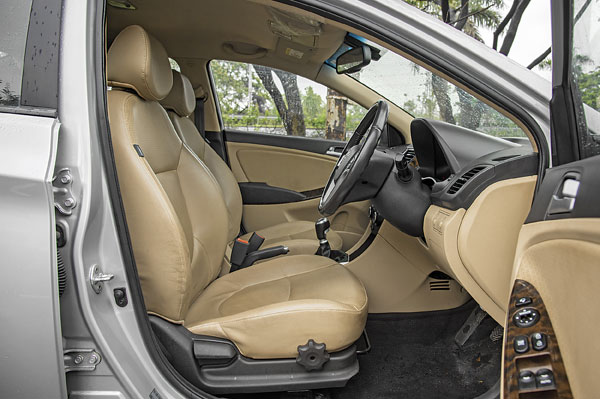
Front seats are adequately supportive but rear seat is low and cramped.

Dashboard looks a bit dated now but buttons and knobs work quite well.

Glovebox is cooled

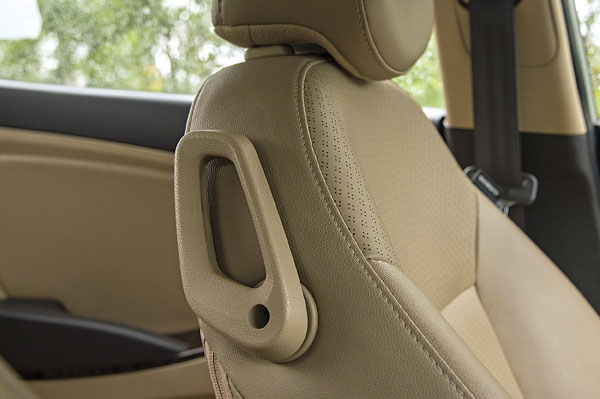
Front seat can be moved from the rear.

The Verna's analogue infotainment system looks and feels dated now.

No rear AC blower.

Front seats get adjustable thigh support.

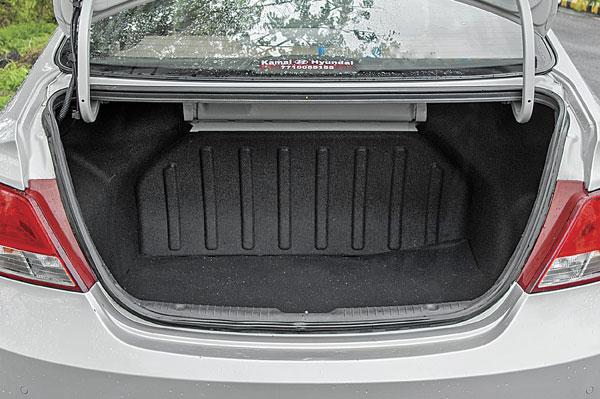
Not a very spacious boot but loading is relatively easy.

Mahindra pulls the plug on ‘Reva’ brand name

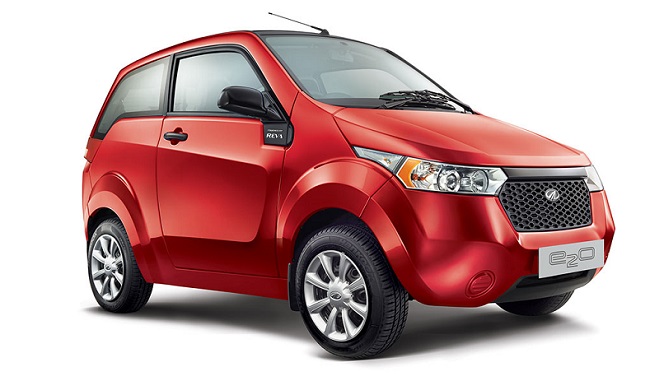
The electric mobility division will officially be called Mahindra Electric.
1 min read9 Sep '16
Sergius BarrettoSergius Barretto

2017 Land Rover Discovery to get remote folding seats

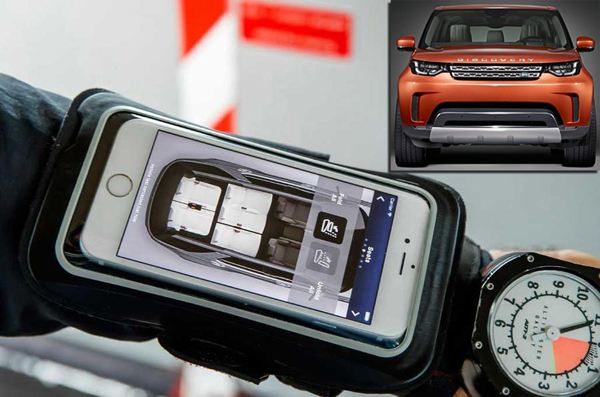
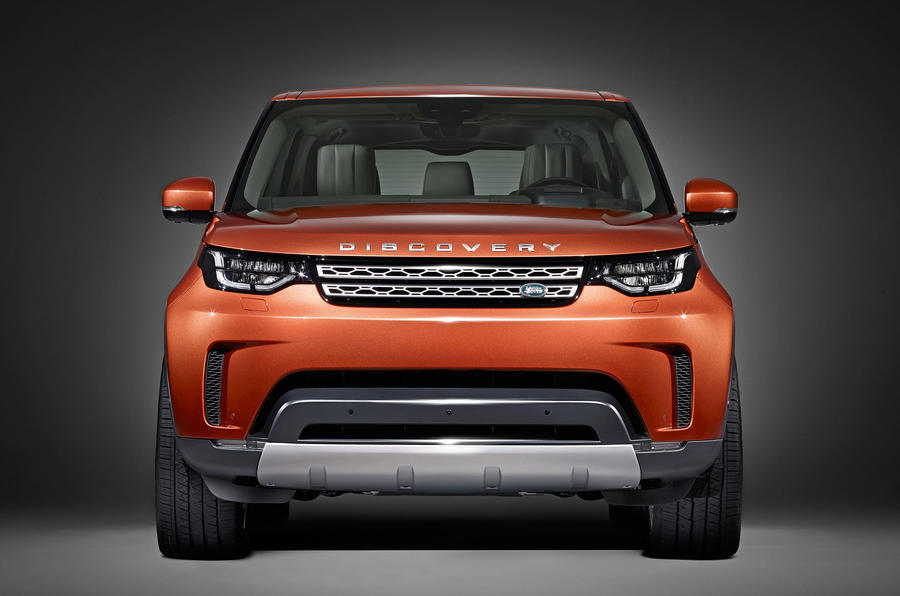
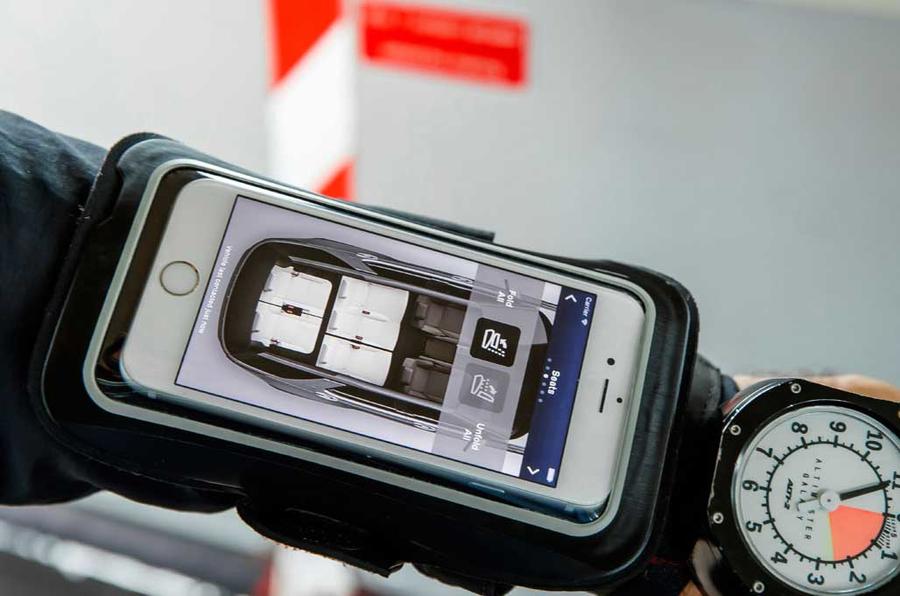
The technology will enable next-gen Discovery owners to remotely configure the rear seats via the InControl Remote mobile app.
2 min read9 Sep '16
Staff WriterStaff Writer