



Featuring a number of prototype and concept technology demonstrations at CES 2017, the Honda Cooperative Mobility Ecosystem concept envisions a future where vehicles will communicate with each other and with infrastructure to mitigate traffic congestion and eliminate traffic fatalities, while increasing the productivity of road users and delivering new types of in-vehicle entertainment experiences. Vehicles will create new value by autonomously providing services when not in use by their owners.
The Japanese automaker also announced collaborations with Visa, DreamWorks Animation and some innovative start-ups through the Honda Developer Studio and Honda Xcelerator open innovation programmes based out of Honda Silicon Valley Lab.
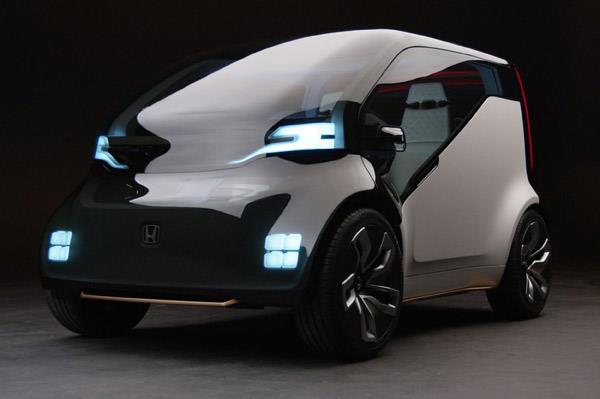
Supporting its Cooperative Mobility Ecosystem theme, Honda introduced the Honda NeuV, an automated electric mini-vehicle concept equipped with an artificial intelligence (AI) ‘emotion engine’ and automated personal assistant, creating new possibilities for human interaction and new value for customers.
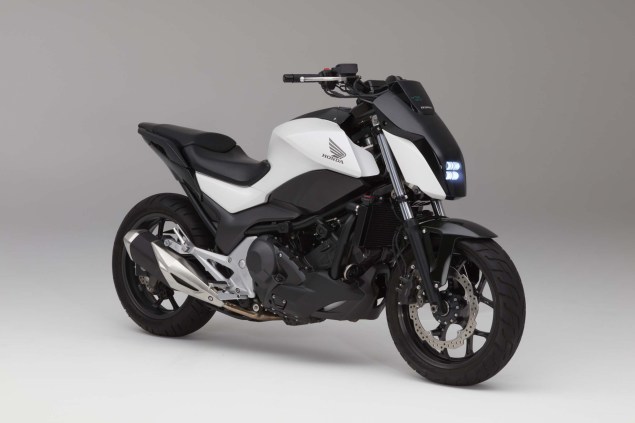
Global debut of Moto Riding Assist
Honda had the global debut of the Moto Riding Assist, a concept motorcycle that applies Honda’s robotics technology to maintain balance.
Moto Riding Assist technology leverages Honda’s robotics technology to create a self-balancing motorcycle that greatly reduces the possibility of falling over while the motorcycle is at rest. Rather than relying on gyroscopes, which add a great deal of weight and alter the riding experience as announced by other companies, the Honda Moto Riding Assist incorporates technology originally developed for the company’s UNI-CUB personal mobility device.
“Since our founding, Honda has focused on creating technologies that help people,” said Yoshiyuki Matsumoto, president and CEO of Honda R&D Co. “Our goal is to showcase a future technology path that results in a redefined mobility experience.”
 Rishaad Mody
 Azaman Chothia
 Ved Janve


 Vishal Venugopal