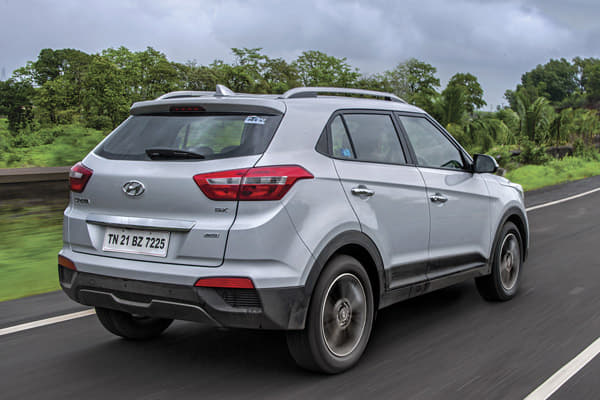
Drive in to a fuel station in an SUV and the attendant will instinctively reach for the diesel nozzle. Things, however, are about to change. Diesel is slowly but steadily losing acceptance due to concerns, often unfounded, regarding its environmental effects. Those willing to pay 25-30 percent more on running costs (fuel) can now look at a new breed of petrol SUVs.
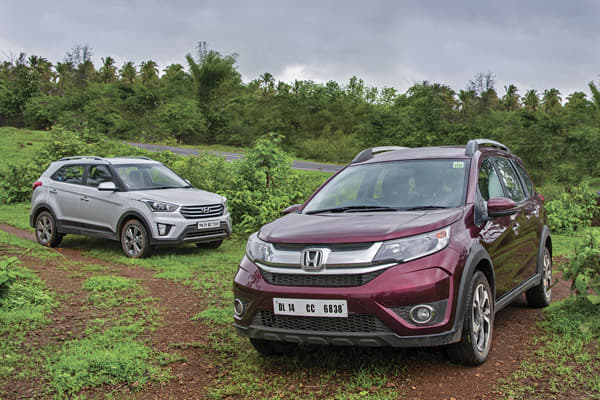
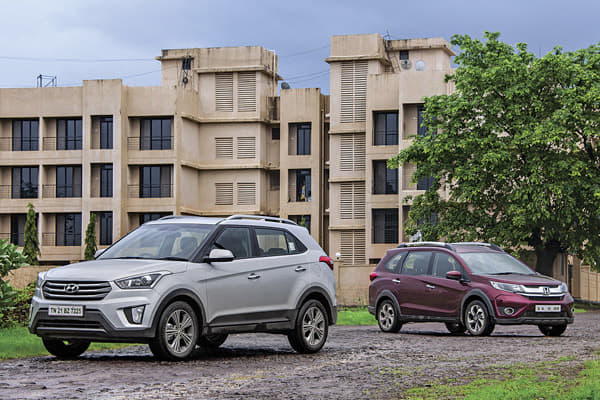
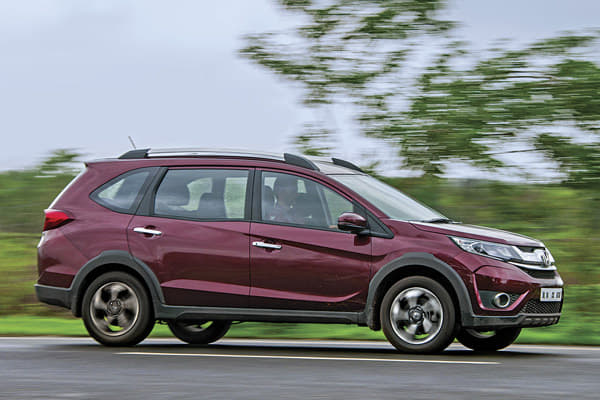
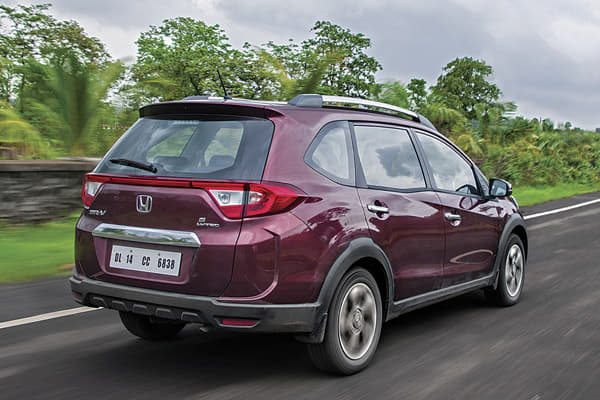
While the Creta came with a petrol since launch, it found few takers. Now, with diesel losing its edge and the price gap between petrol and diesel narrowing, Hyundai is taking another stab at the petrol market, but this time, with the addition of an auto 'box. Honda is in the fray too with the recently launched BR-V petrol with a CVT auto 'box. But which is the better car?
What are they like to drive?
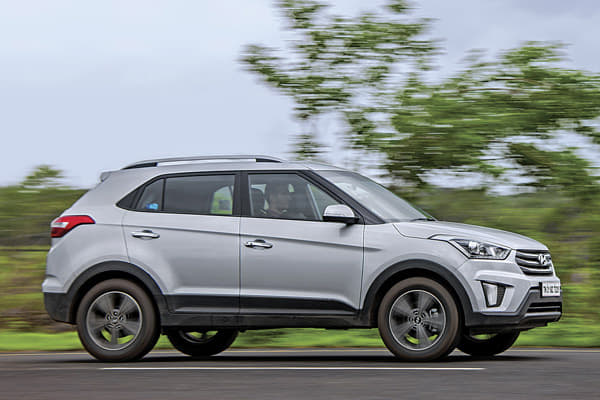
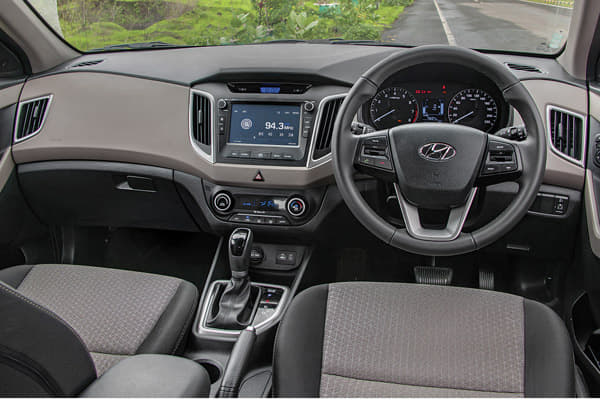
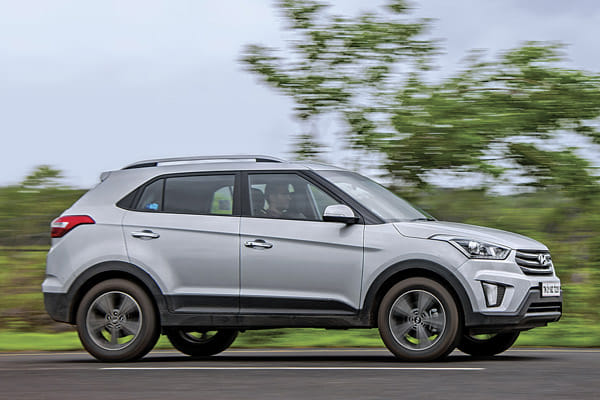
Most buyers will drive these petrol automatic SUVs in town and only occasionally venture out onto the highway. And it’s the Creta that’s a bit better of the two here. The old-school torque converter-equipped automatic gearbox helps delivers a strong surge from low engine speeds and the responsive and punchy 1.6 engine continues to deliver constant power even further up the rev band. The auto 'box shifts up smoothly and silently and at every-day speeds, you hardly feel it work up a sweat. The strong bottom-end and mid-range make the Creta marginally faster off the mark than the Honda. Step-up the pace, however, and the relatively weak top-end of the Hyundai motor means it struggles. It feels strained in the top-end, there's no increase in power, and you soon realise that it is better off delivering power in lower revs. The gearbox even has a nice tiptronic function that is useful for overtaking, but you really are better off just putting your foot down.
The Honda has a smaller 1.5-litre motor that makes less power on paper; 119hp – but the engine is the same as that of the City, which means it just loves to rev. In addition, all of the Honda's power is concentrated in the top end, at high engine speeds. This is predominantly why 0-100kph is almost a second faster. There's a nice snarl when the engine crosses 4,000rpm, the engine's becomes more eager to rev, and power delivery becomes stronger and stronger the faster you spin it. The Honda’s engine even picks up nicely from slow speeds. Its CVT gearbox also gets a small torque convertor, so the initial response to the accelerator is excellent. Ask for more power though and the comparatively weak mid-range and rubber-band effect of the CVT automatic cause the BR-V to flounder.
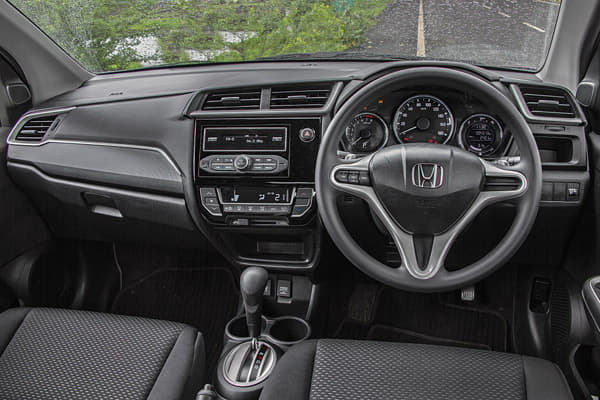
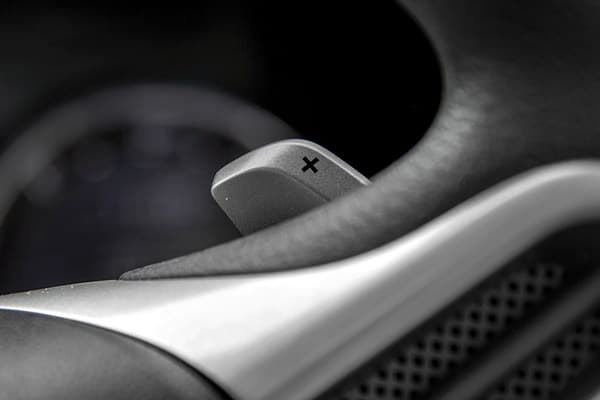
This situation can be resolved with manual intervention. Like in the City and Jazz, the BR-V also gets steering-mounted paddle shifters. These paddles are convenient to use and a quick dab of the left paddle is often useful in increasing the pace of the car. Once you do this, you enter a stepped gear-like mode in the CVT gearbox, which is much nicer to use.
The Honda is also easy to drive in traffic. The BR-V's direct steering makes this 4.5-metre car quite easy to steer, there's a nice lightness to how the controls operate and while the BR-V needs some goading to turn into tight corners (due to the long wheelbase), driving for long distances can be quite relaxing. Straight line stability is very good, it takes long and fast corners in its stride and the brakes work well; which delivers plenty of confidence. Wish the ride was a bit more absorbent and silent though.
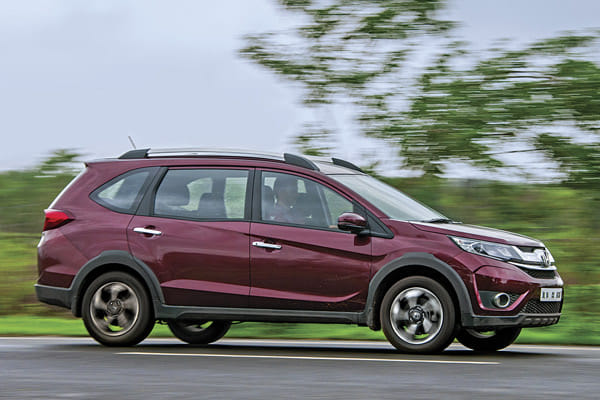
The Creta doesn't feel as stable as the Honda at speed. There is a bit more body roll when you drive through corners, it doesn't deliver as much confidence in faster sections and there is a bit more up and down movement at speed too. Still, the Hyundai rides comfortably in the city. Yes, at slow speeds, the Creta handles bad roads with a hint of firmness as well, but most bumps are ridden over without much in the way of a deflection filtering into the cabin. The steering, however, feels more connected and delivers a bit more feel. And without the extra length, the Hyundai feels much more agile in the city.
 Dipan Sur
 Dhruv Dhaka

 Viraaj Bhatnagar