

Early this year, Global NCAP crash tested a group of Indian-made hatchbacks and the results were quite catastrophic. However, the dismal scores were largely down to the fact that the cars tested were base models and did not feature airbags (a VW Polo with airbags scored four out of five). Now, NCAP’s ASEAN arm has conducted a similar crash test, and this time the cars relevant to India did feature at least two airbags. Here is how they held up.
Testing method
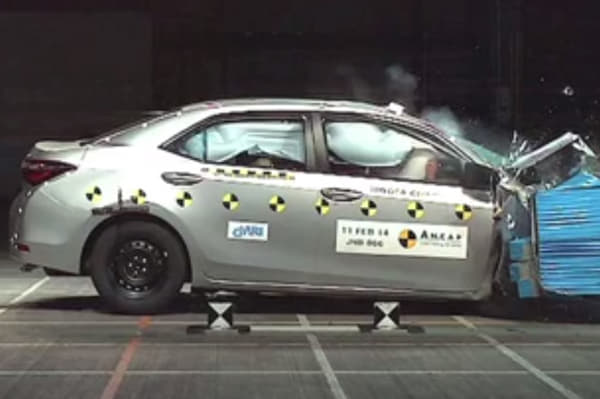
A frontal offset crash test is conducted by having crash-test dummies at both the driver and front passenger seats and two child dummies (representing 3 and 1.5 years of age) inside the Child Restraint System (CRS) in the rear seat. The collision occurs against a crushable aluminium barrier at 64kph and the vehicle comes to a complete halt.
Scoring
Adult occupant protection (AOP) refers to the safety score for the front passengers on a scale of 0-16 (16 being the best). Child occupant safety (COP) refers to the safety of the two children in the rear seats when fastened in a child seat. The score is rated in percentage compliance, with 100 percent being the best.
It’s important to note that while most of these Malaysian-made models may look similar to the ones sold in India, there may be a difference in the grade of sheet metal used for their manufacture. Hence, some Indian made cars may perform differently when subjected to the same test. It is best to look at these ratings as a guideline rather than an absolute rating.
Ford Fiesta
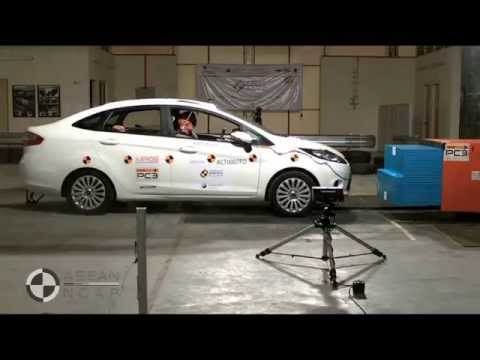
An impressive five-star score for the Ford Fiesta. The only points of contact were the front legs for both front passengers and these too were well within the acceptable limits.
Honda CR-V
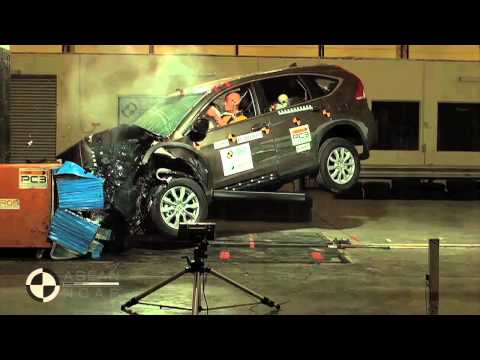
AOP: 15.46, 5 stars; COP: 86%
A two-airbag variant of the CR-V scored 15.46 points, landing it a five-star rating, and making it one of the safest cars on this test.
Honda City (previous generation)
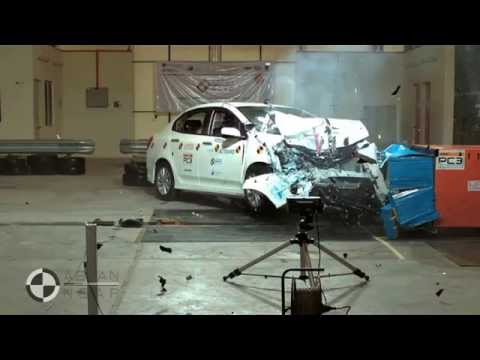
AOP: 15.44, 5 stars; COP: 81%
The car here is the previous-generation Honda City and it secured a perfect five-star rating, with chest impact force well within limits.
VW Vento
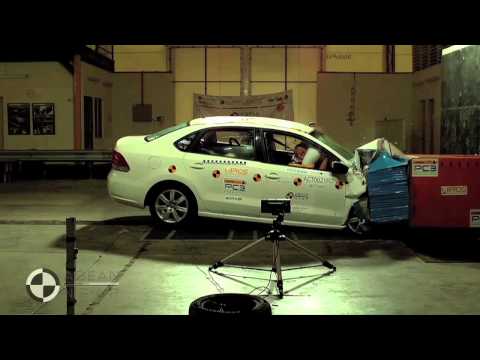
AOP: 14.51, 4 stars; COP: 85%
A Volkswagen Vento with two airbags scored four stars, but there was an impact (in acceptable limits) in the driver’s upper leg/thigh region and right knee.
Toyota Corolla Altis:
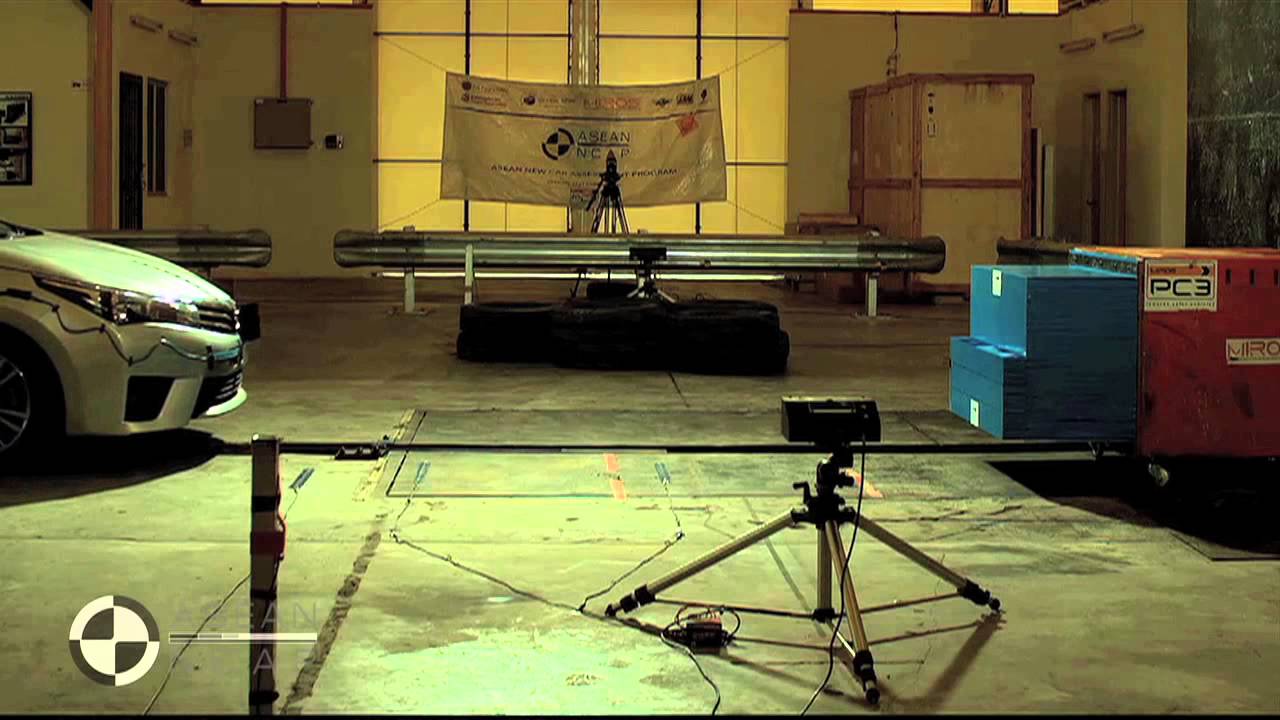
The Toyota Corolla Altis scored four stars in its dual-airbag variant with some contact on the driver’s upper leg and left knee. Interestingly, the seven-airbag variant scored five stars with no contact registered.
Suzuki Swift
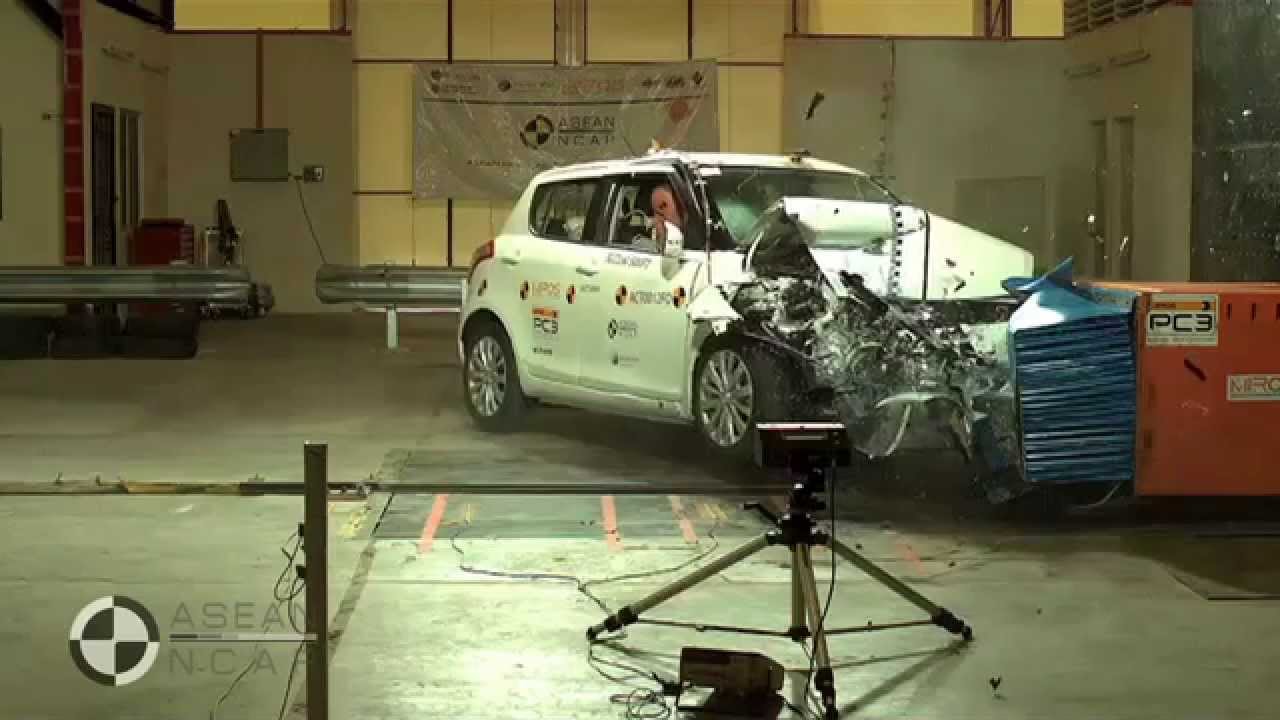
AOP: 13.32, 4 stars; COP: 77%
The popular Suzuki Swift scored four stars in the ASEAN NCAP crash test. However, while the impact in the driver’s chest area was within acceptable limits, the impact to the left leg was just marginally within limits.
Nissan Sunny/Renault Scala
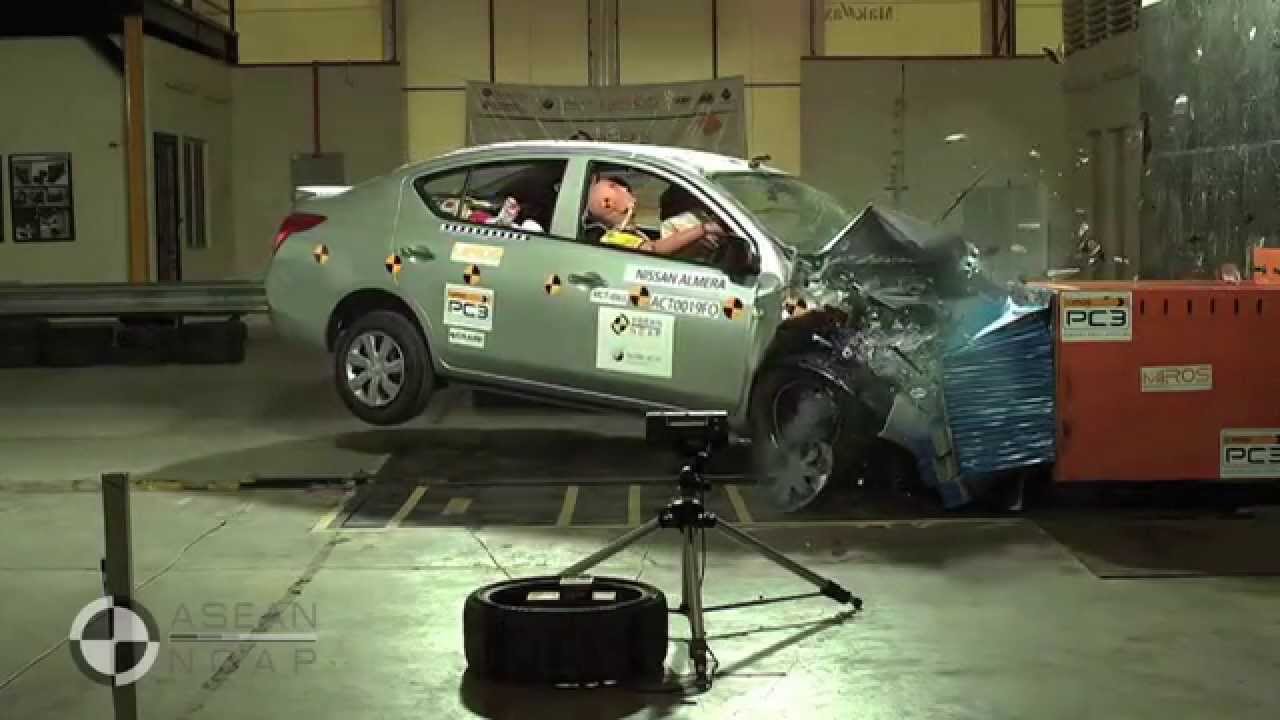
AOP: 12.74, 4 stars; COP: 52%
Four stars for the Nissan Sunny/Renault Scala, which offered acceptable overall protection, expect for the driver’s right thigh, where the impact force was just marginally within limits.
Mitubishi Pajero Sport
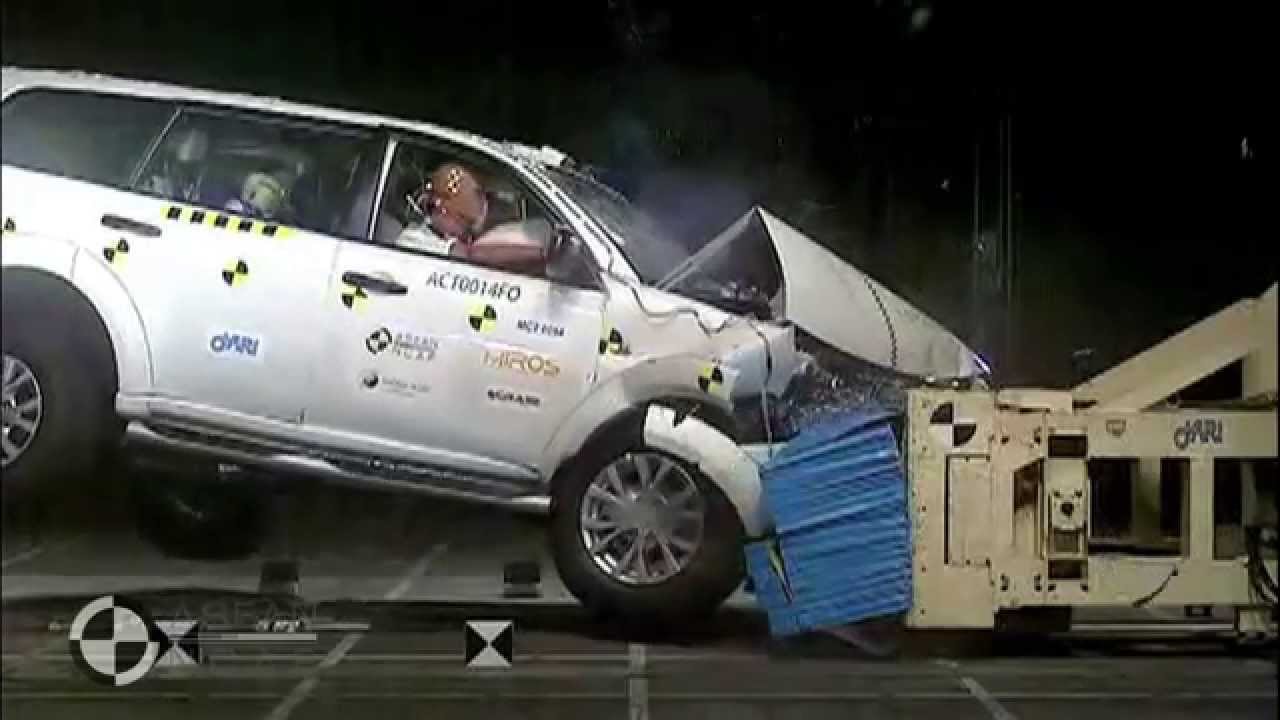
AOP: 12.08, 4 stars; COP: 40%
Surprisingly, the Pajero Sport scored lower than most cars here, especially when it came to child safety. As for impact analysis, the driver’s upper leg and both knees came into contact, but the force was within acceptable limits.
Hyundai i10
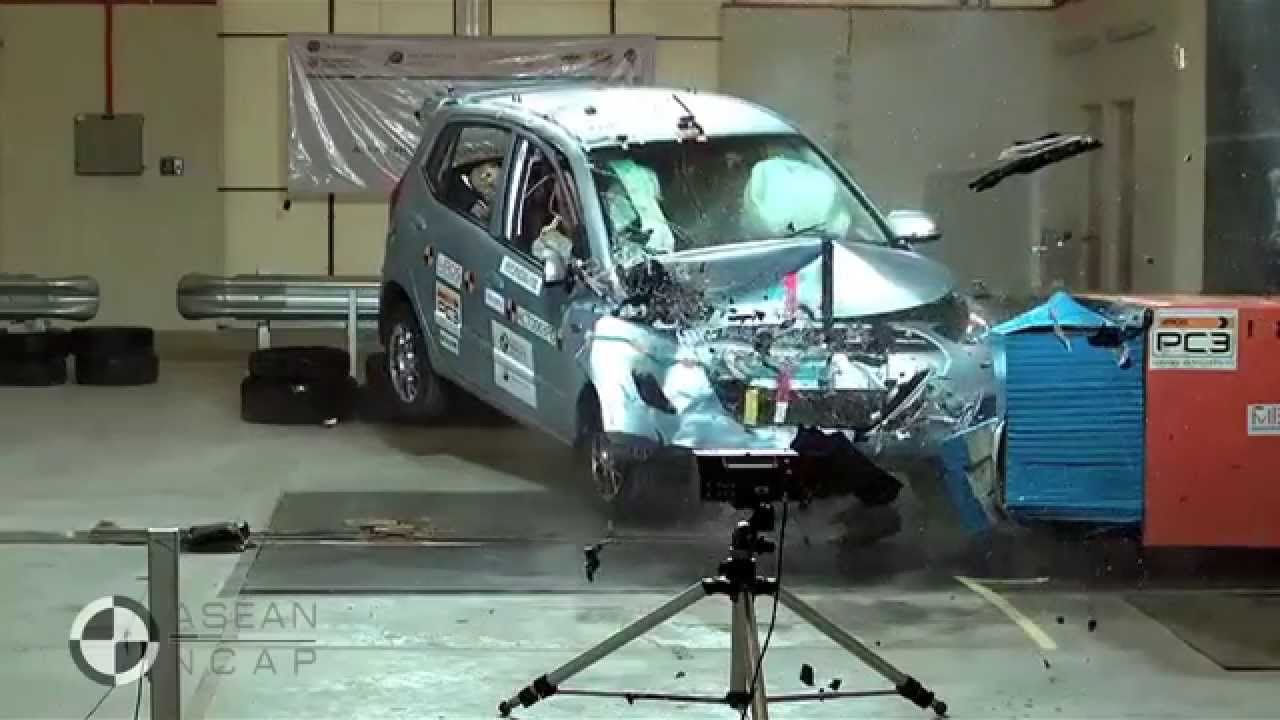
AOP: 7.31, 2 stars; COP: 48%
With just two stars, the Hyundai i10 is the lowest rated car here. It offered poor protection to the driver’s feet and left thigh and just marginal protection to the right leg. The passenger’s right thigh too experienced strong impact beyond the acceptable limits.
These results clearly demonstrate the importance of airbags and child seats when it comes protecting your passengers during an impact. While airbags are slowly making their way into a wider range of cars, child seats, in terms of popularity, still have a long way to go. The government plans to make child seats mandatory from April 2015, and though a bit late, it is definitely a move in the right direction.
Aditya Bengali

 Uday Singh
 Suraj Viswanathan
 Lenny D'sa
 Dipan Sur
 Glenn Noronha