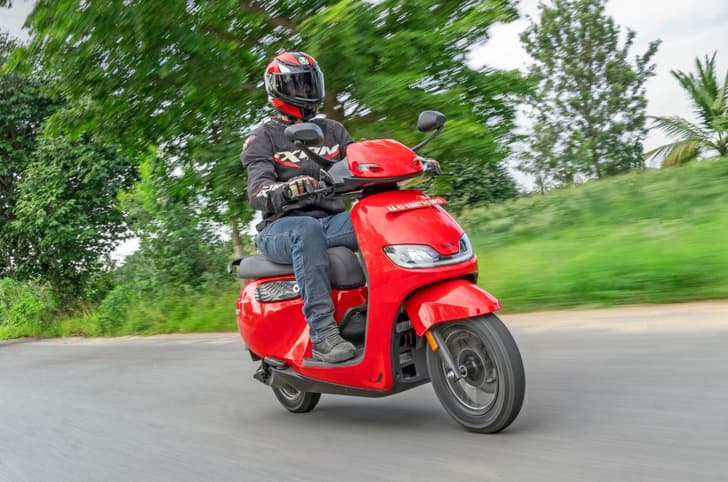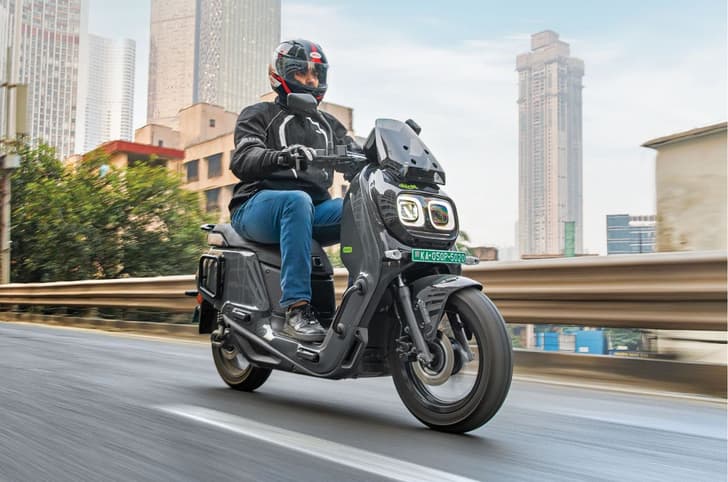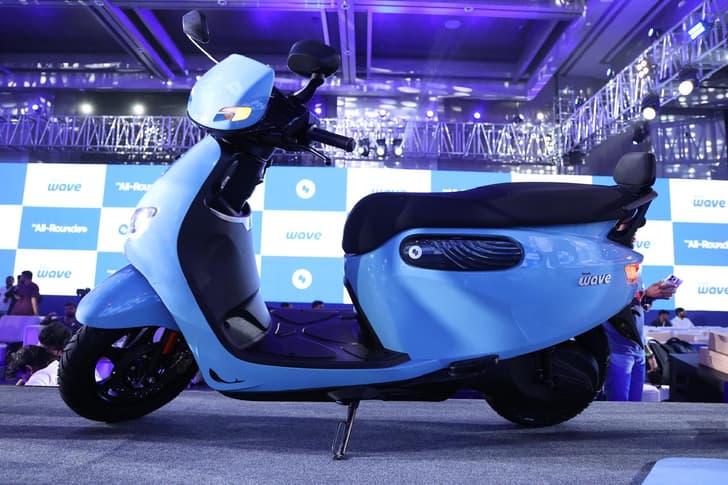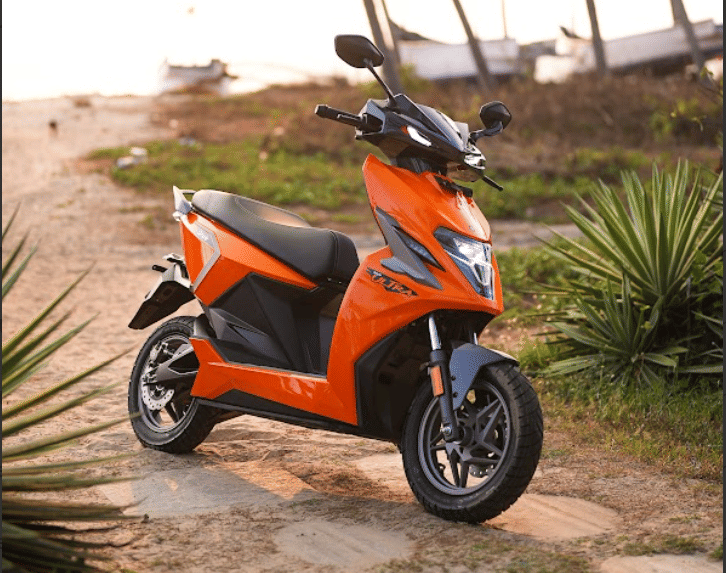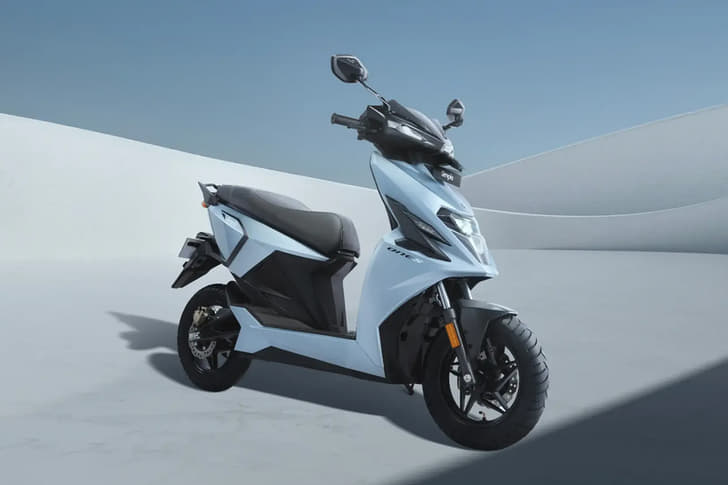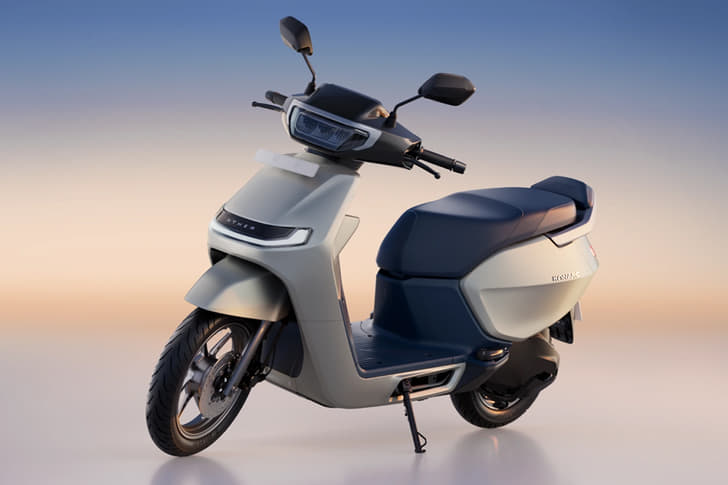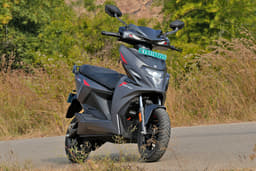

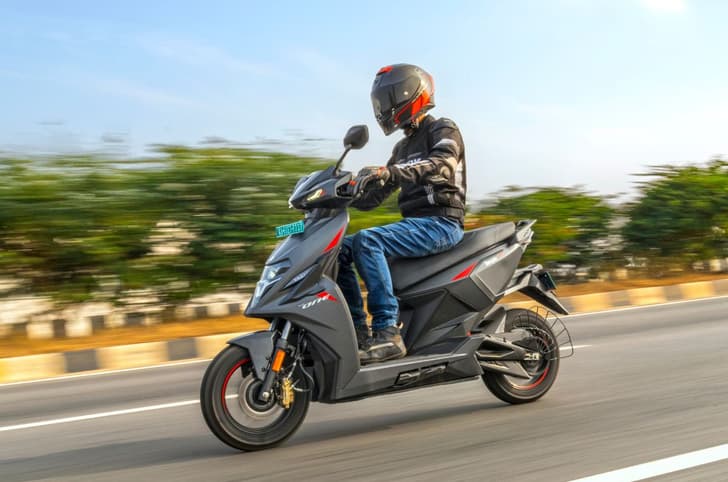
The Simple One that we got to experience for this ride was the top-spec variant with a 5kWh battery pack. The Simple One also gets a 4.5kWh option and the Simple One S is the entry level model with a 3.7kWh battery pack.
Simple One Gen 2 Design and Quality
Sleek and compact but build quality not up to the mark.
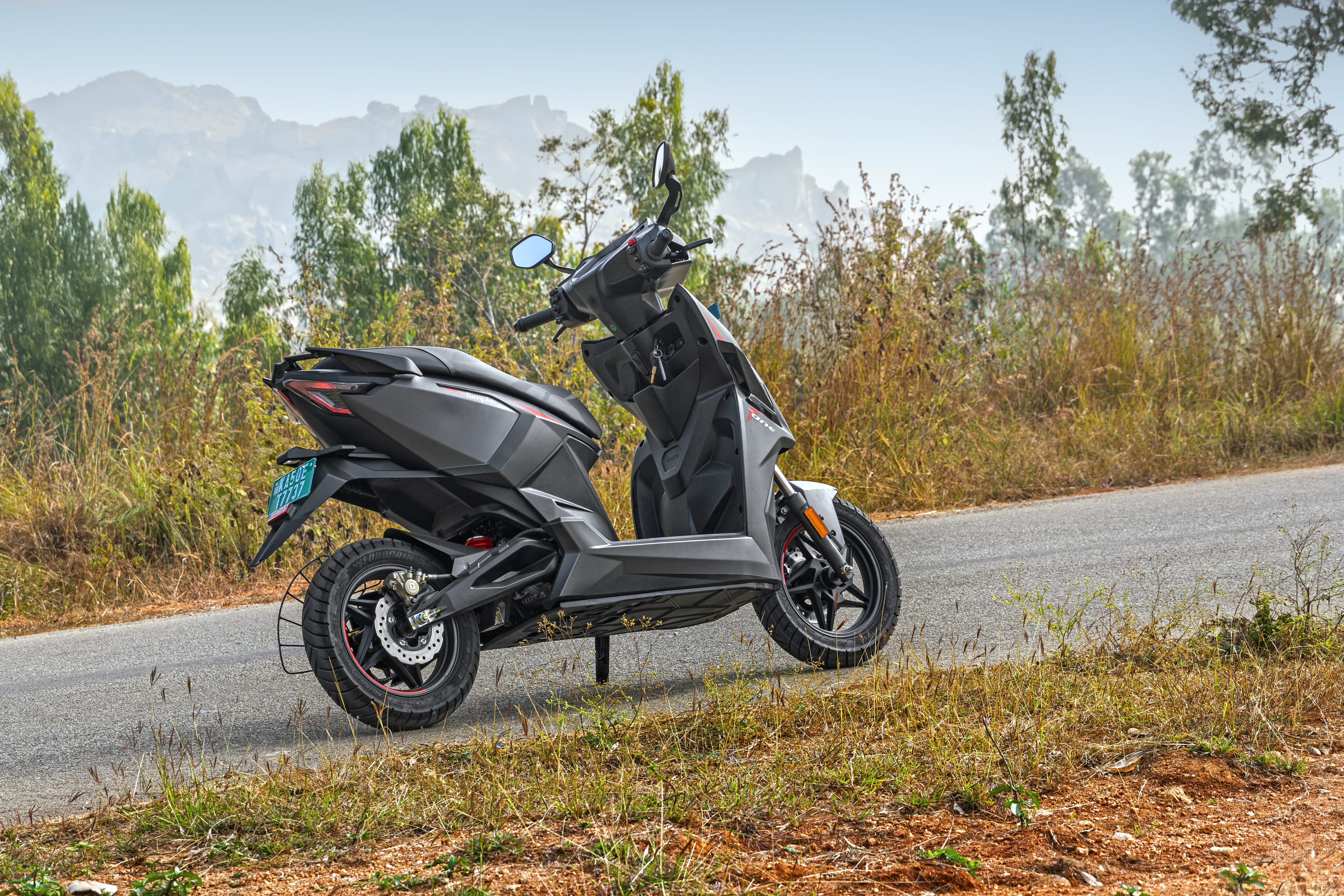
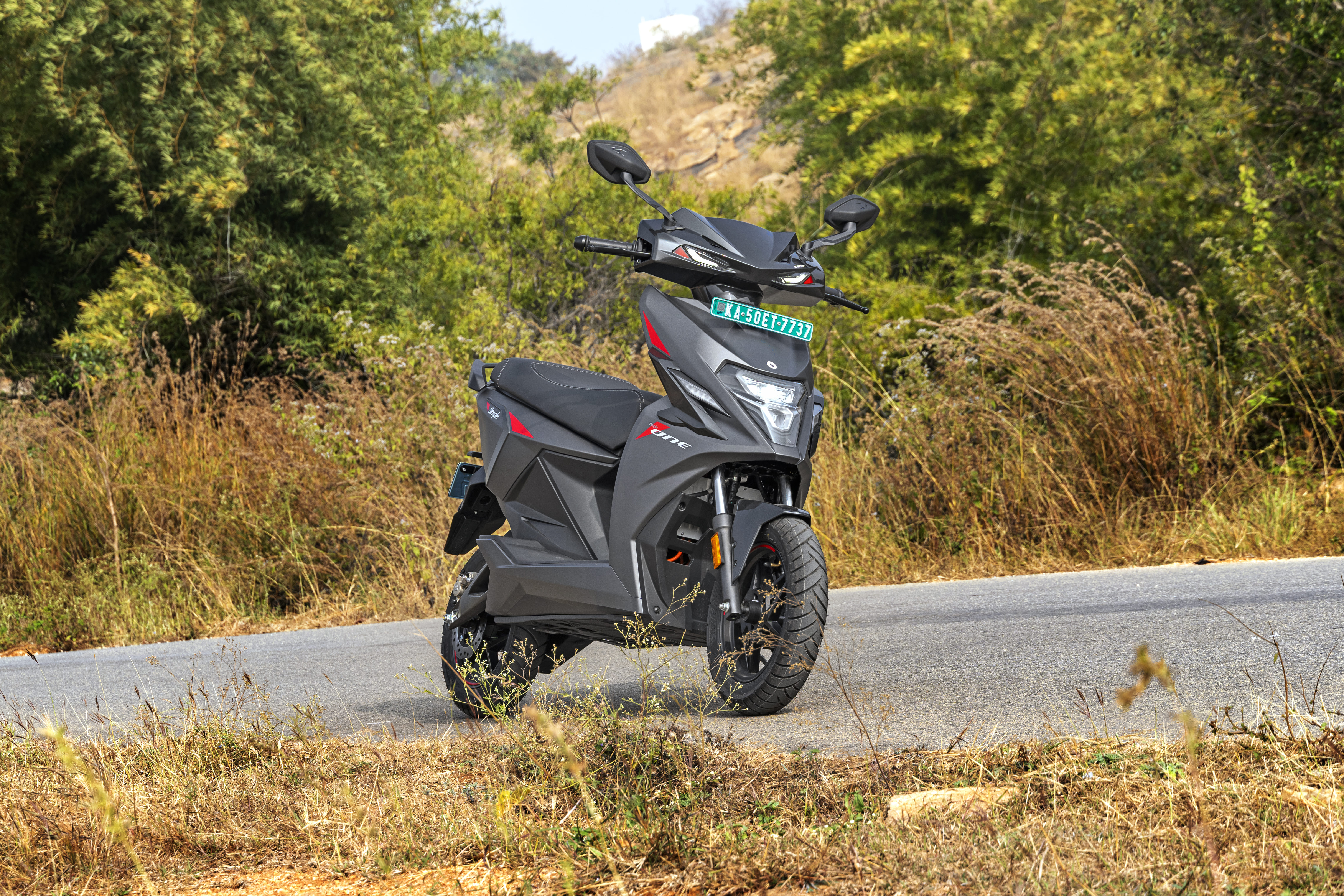
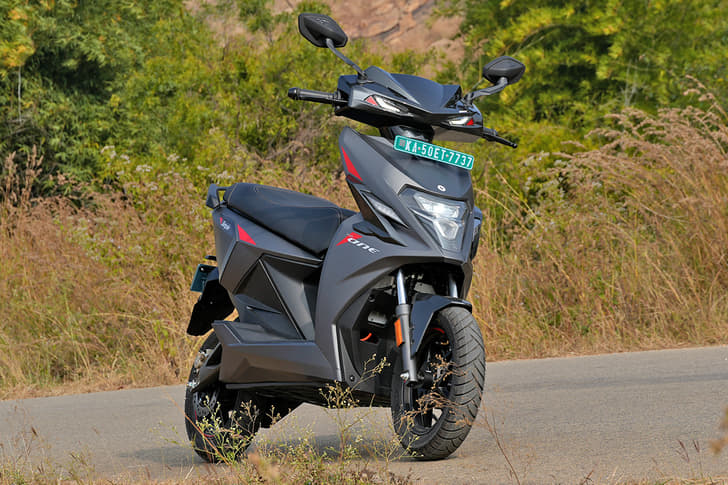
In terms of styling, Simple has kept the design almost the same as before. There are just a few very minor changes like some updated panels at the front and the rear for a sleeker and more aerodynamic look. It also gets new rearview mirrors, but the overall design is very similar to before. The overall build quality and fit and finish still has room for improvement, as there are some areas with visible panel gaps.
Simple One Gen 2 Position and Comfort
Comfortable enough for daily commutes.
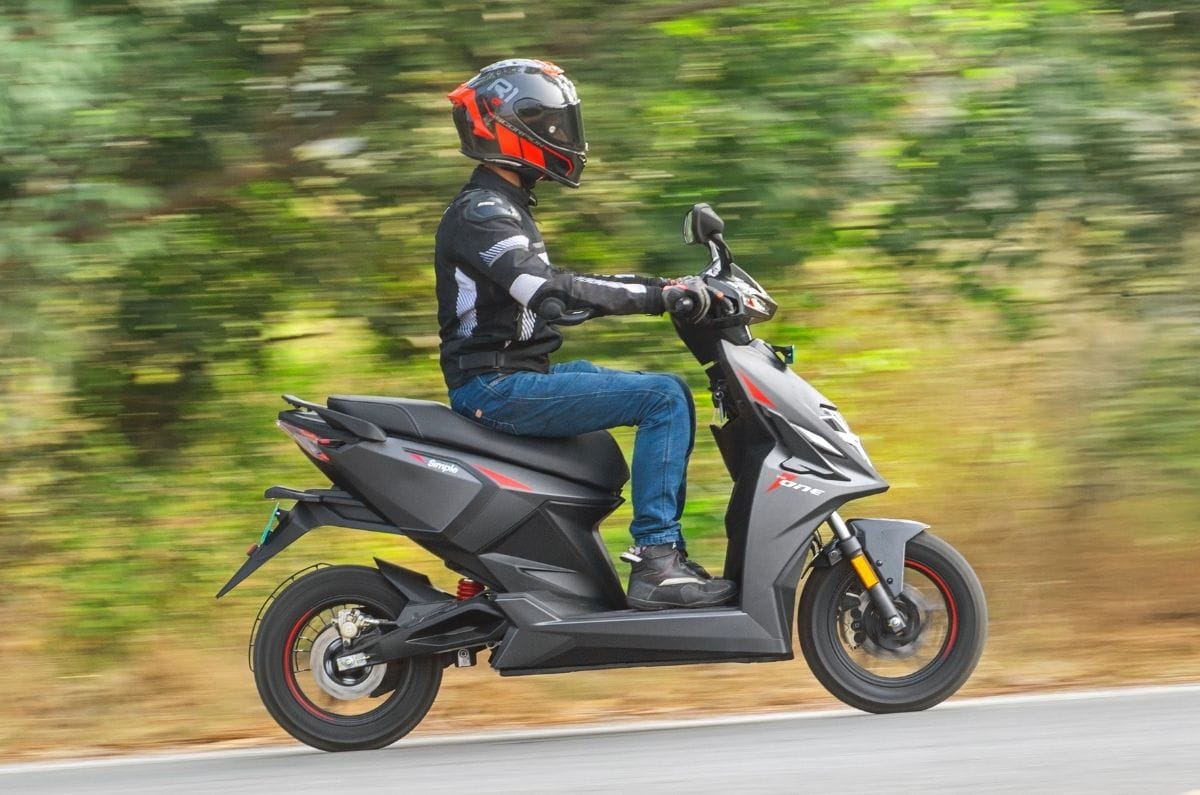
With a 5’7 frame, I was able to fit well on the compact scooter, but cannot completely flat foot to the ground, because it is a wider seat. The 780mm seat height has been reduced by 16mm to make it more accessible and there is new foam into the seat to make it slightly stiffer. I did around 45 to 50 kilometers with the scooter and was impressed with the comfort that it offered. Additionally, the company claims to have reduced the kerb weight from 137kg to 129kg.
Simple One Gen 2 Performance and Riding Range
New ride modes to enhance performance and range.
Simple has added two new riding modes called Eco X and Sonic X which results in a total of six riding modes - Eco X, Eco, Ride, Air, Sonic and Sonic X. The Eco X mode is tuned to analyze a rider's throttle input, adapt to the environment around and deliver more range. Ideally, this mode is only usable for short rides on narrow and slow speed back roads. Sonic X on the other hand is now the quickest mode, getting the scooter from 0-40kph in a claimed 2.55 seconds and a top speed of 115kph. It offers a slightly sharper response than Sonic mode, but the acceleration can feel a bit jerky for inexperienced riders. I feel like the mid Air mode is the best balance, offering a good mix of performance for highway and city use, both. This mode has smooth acceleration and feels good while cruising at 85kph on the highway.

The battery setup has also changed now and all models of the Simple One no longer have the separate removable battery under the boot. Instead, it now has a fixed 5 kWh battery pack in the floorboard, which is said to be denser, lighter and more efficient than before. The earlier model’s combined battery weight was around 34kg, whereas this one weighs 30kg, making it lighter by about 4kg. Additionally, this model gets an IDC-estimated range of around 265 km, compared to 248 km on the earlier model. The battery pack also sits lower in the floorboard to improve the centre of gravity and comes with an updated battery management system. Considering the short amount of time we spent with the scooter, riding range is something we will have to test properly later on. This 5kWh variant is said to take 5 hours and 20 minutes to charge from 0 to 80 percent with the portable charger.
Simple One Gen 2 Ride Handling, Ride Quality and Braking
Decent at cruising speeds, but unstable at high speeds.
In terms of ride quality, this is a light and nimble feeling scooter. It’s easy to flick into corners, transitions from one side to another effortlessly, and is very easy to manoeuvre in and out of parking spots. Simple has also reworked the suspension at both ends. At slow speeds, especially over speed breakers and potholes, it feels quite comfortable. At higher speeds, when you hit bad potholes, there is a slight judder. The scooter also gets new Eurogrip tyres which do a decent job of providing grip, and while the ride quality and handling abilities are good at lower speeds, there is an issue at higher speeds. What I did notice in Sonic and Sonic X modes is that once I crossed 95km/h, the handlebar started to judder quite a bit and some fellow journalists reported a similar experience on their test scooters. This makes the front end feel unnerving and doesn't inspire confidence which is why I landed up using Air mode for most of my time spent with the scooter.
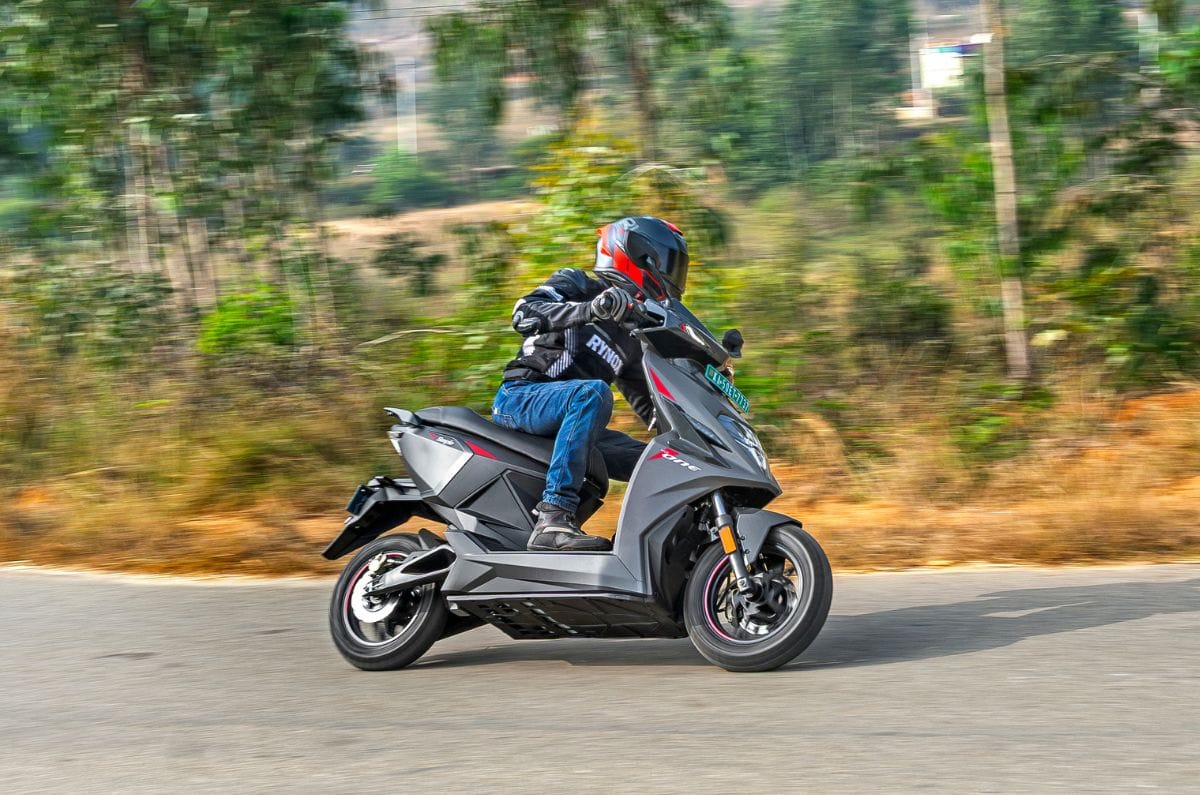
The scooter gets disc brakes at both ends, and Simple says the brake pads have been updated for better braking performance. During my ride, I found the braking performance to be mostly adequate but , in the fastest Sonic X mode, I did feel that the initial front brake bite could have been slightly better. However, using both brakes together feels better to get the scooter to a halt.
Simple One Gen 2 Features
A vast feature list but could do with some improvements.
The Simple One gets a 7-inch TFT touchscreen that works well when using the touch functionality, but I felt like the quality of switchgear can be improved and the screen could have been brighter under harsh sunlight. The joystick on the left hand side gives easy access to some of the features, but it did not work well and had to be pushed multiple times to react. Meanwhile, on the right side, the cruise control and park assist feature share a switch. Bluetooth connectivity, turn-by-turn navigation, Hill Hold and other connectivity features are also included in the package.
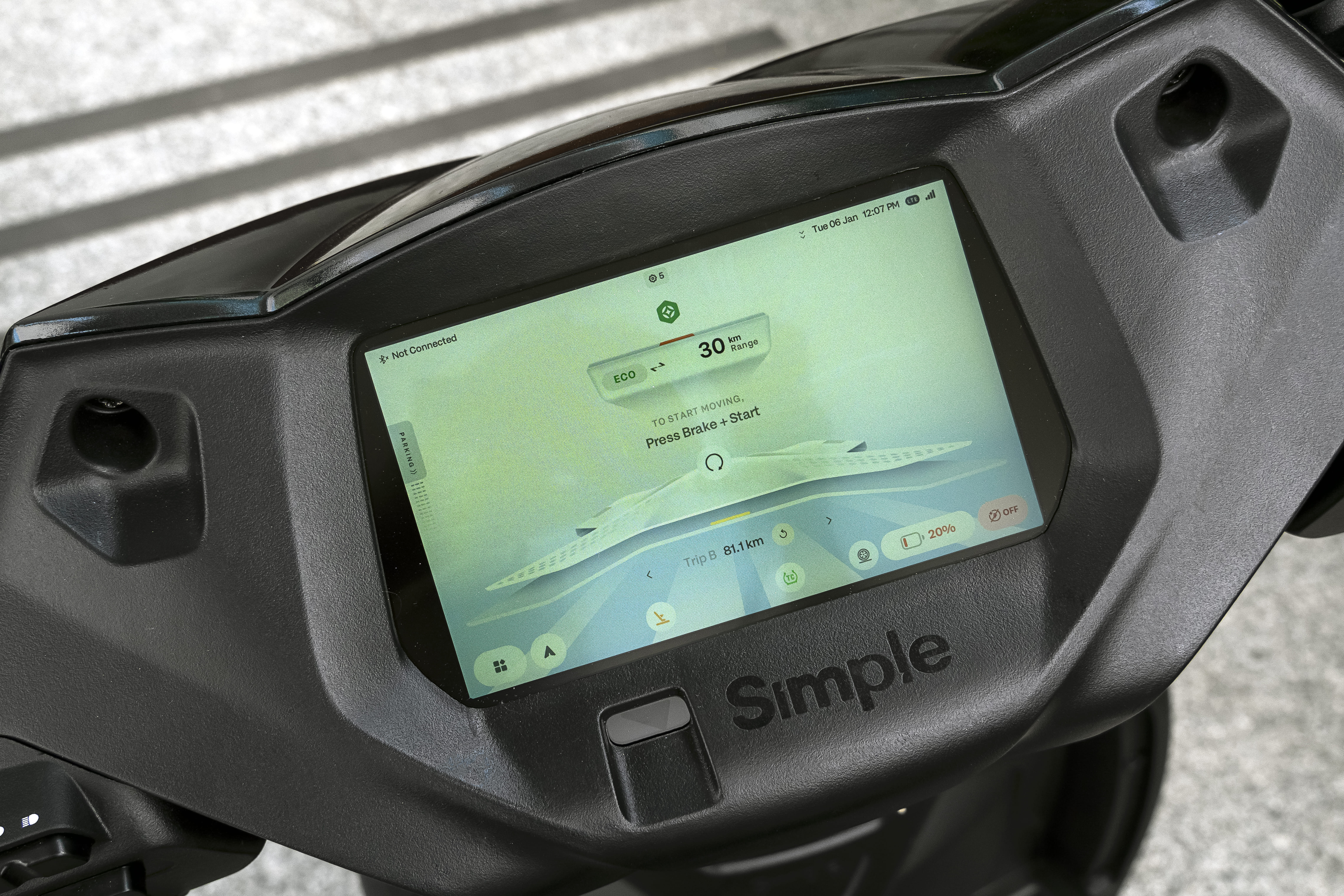
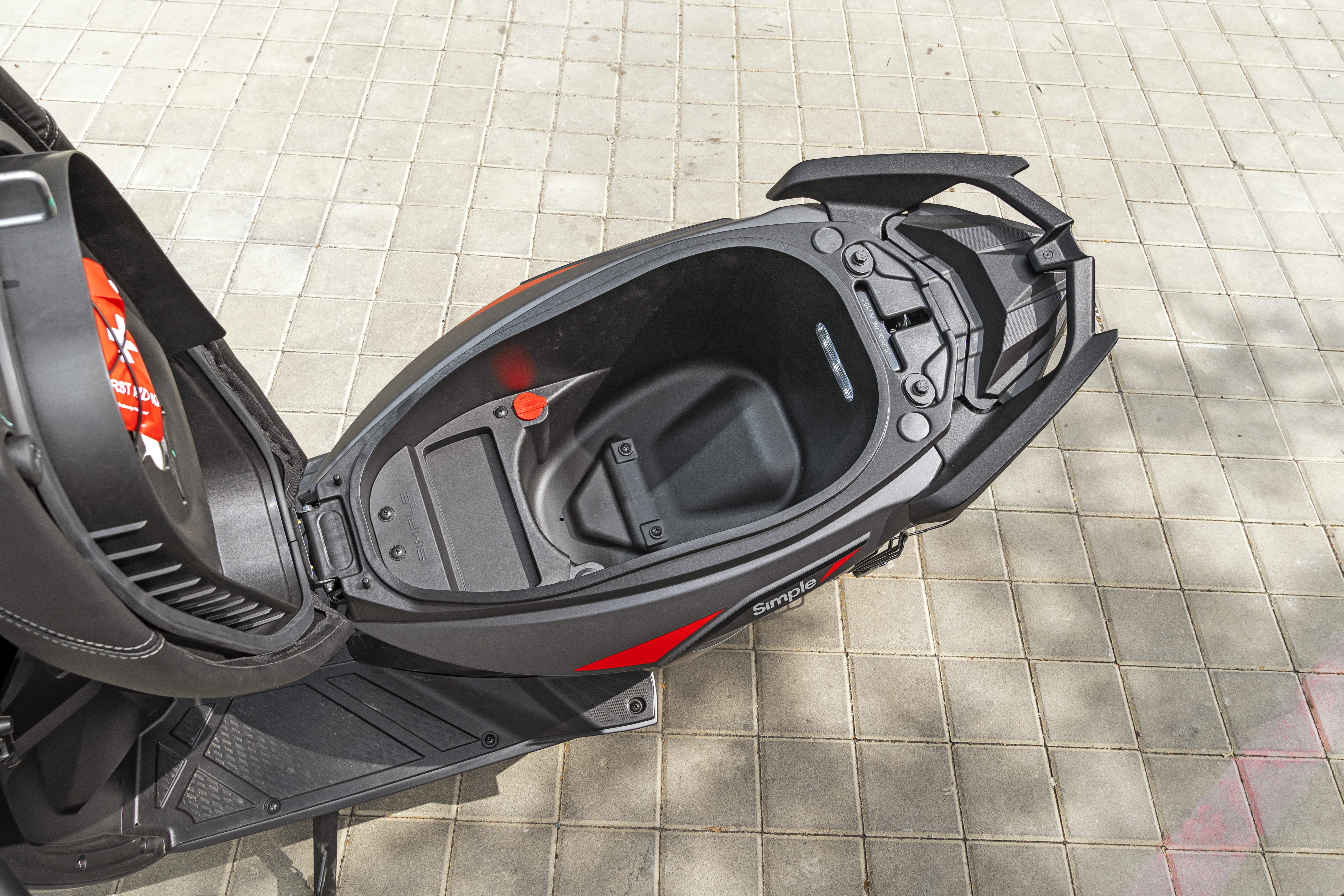
I used the Traction Control in road mode and it did not cut power unnecessarily and Regen braking could be felt properly in the highest mode while decelerating from around 60kmph. Overall, it has a vast feature list but the functionality of these features occasionally feel iffy and could do with some refinement. However the scooter does score on the practicality front with a 35 litre boot, and a USB charging port and a 1 litre storage pocket at the front as well.
Simple One Gen 2 Price and Verdict
Better, but still some work to be done.
The Simple One Gen 2 is a step forward over the earlier model. The performance upgrades like the new ride modes make it more versatile, and in Air mode, it’s a quick and enjoyable scooter for both city and highway use. The lighter battery pack, improved seat comfort, and reworked suspension do improve the overall riding experience over short rides. That said, it continues to have its share of flaws. The handlebar judder at high speeds, inconsistent build quality, and refinement of features take away from what is otherwise a fairly promising package. If Simple can address these issues, the Gen 2 has the potential to feel like a more complete product. But then, priced at Rs 1.78 lakh (ex-showroom) for this top-spec, 5kWh variant, it is also on the expensive side, which won’t do it any favours in a price conscious market that already has plenty of more affordable options from large manufacturers.
 Dinshaw Magol
 Rishaad Mody