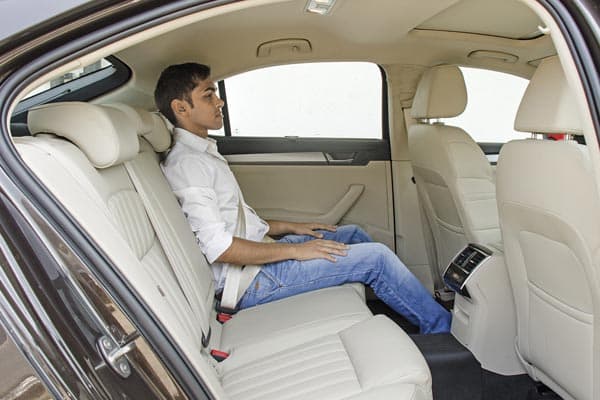
Space is probably the ultimate luxury. Think about it. Yachts are classified in feet, estates are measured in acres and when you talk mansions, you normally count living rooms, bedrooms and state rooms. The ‘bigger is better’ yardstick is also commonly used when it comes to luxury cars – small cars after all are cheap, and large ones are expensive; that’s just the way it is. What’s unique about the Superb is that it is a car that breaks the mould when it comes to the price-to-size ratio. While most of its competition follows the same template in terms of price versus size, the Superb is just massive on the outside and the inside. And that gives it an edge.
Built on specially modified platforms over the years, which include stretched rear doors and longer wheelbases, the key to the success of the Superb has been its mighty interior space and huge levels of comfort.
The first Superb of the modern generation, however, was not born of natural model progression, but of necessity. Skoda simply wanted to make a car for the Czech President, and it hasn’t looked back since.
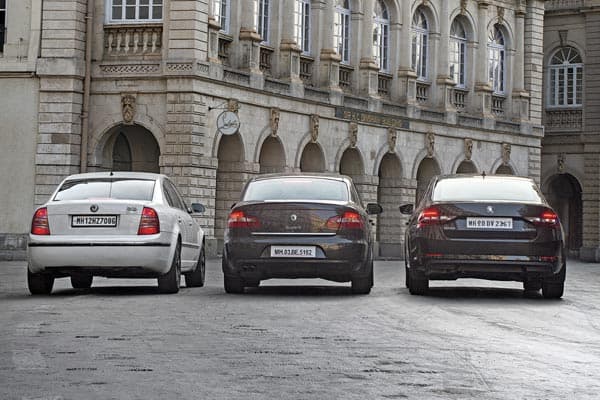
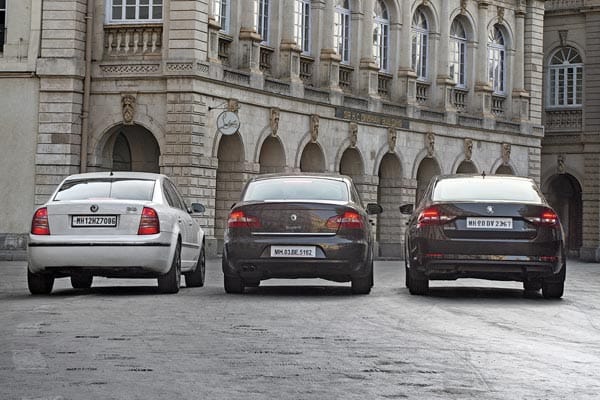
But what are the various generations really like when you examine and experience them? To answer that, we bring three generations of the Superb together and drive them back-to-back.
The Template is set:
B5 (2004-2008)
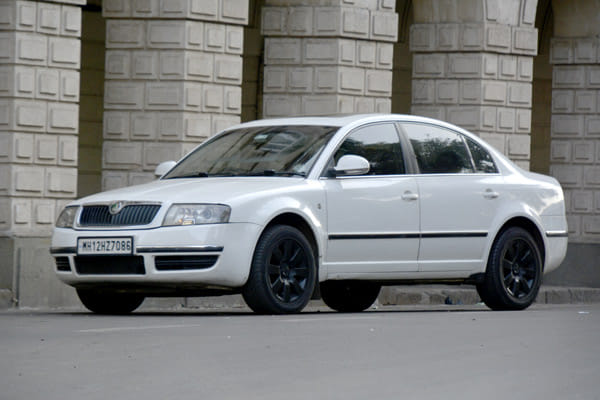
The first-generation Skoda Superb, even more than a decade on, still looks attractive in the early morning sun. Unadorned by superfluous details, the clean profile lends it a timeless quality. Yes, the headlights and grille seem to have aged, and so have some other bits, but the graceful lines of the car still stand out. And what catches your eye is the astonishing length, the long, sloping bonnet and the stretched-out rear.
This B5 was built on a VW Passat platform that had been stretched a full 95mm between the wheels. An interesting twist here is that the Passat itself was originally based on an Audi A4, and because the Audi uses the quattro system and, as a result, has its engines placed longitudinally, the first-gen Superb carries a similar architecture as well.
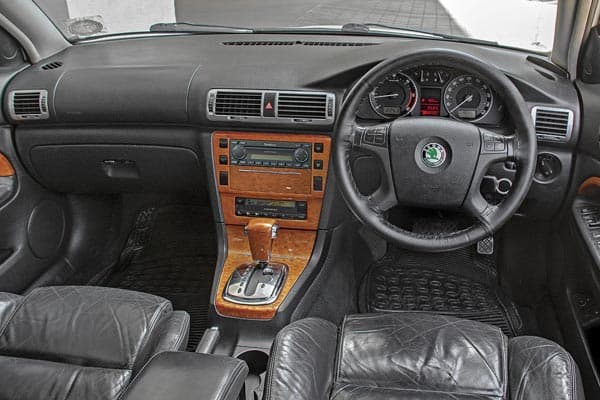
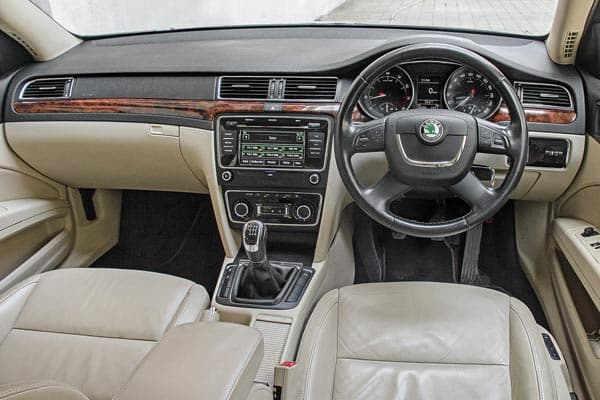
The Superb also differentiated itself from its competition, on the inside. Details such as vents, gauges and dials were crafted to lofty VW standards, and the cabin appeared indestructible. The switchgear still feels solid. The faux wood trims, however, aren’t to my liking and looks a bit too garish.
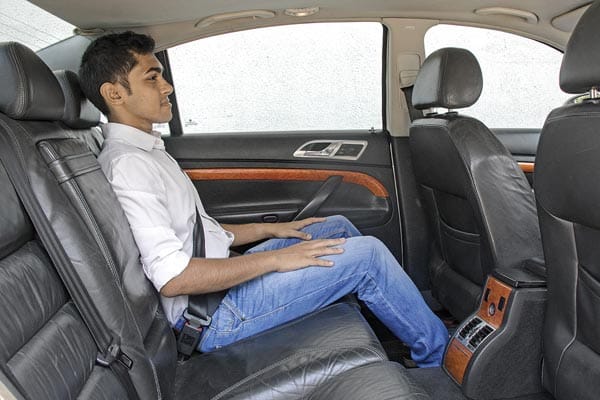
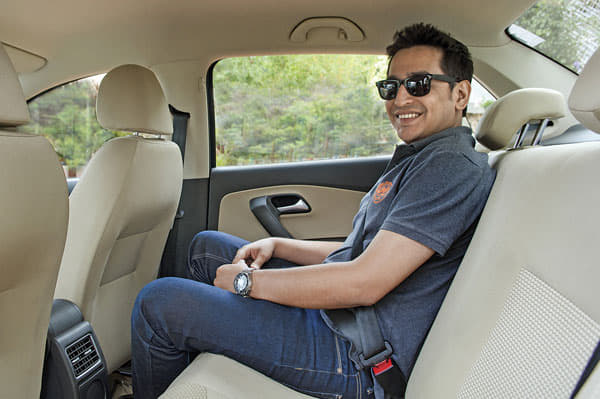
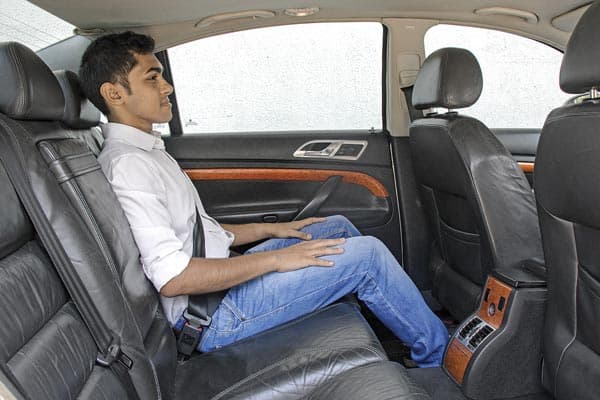
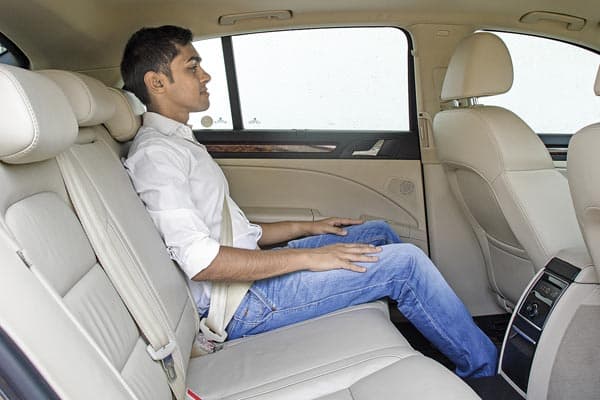
What the Superb is really all about, though, is comfort and rear passenger space. Settling down into the rear seat even today, nearly 10 years down the line, is still a real treat. The easy access to the rear seat, the room on offer, the angle of the backrest, are all near perfect. I am sat a bit low, possibly due to the coupé-like roof, and visibility isn’t great, but the overall impression of the car is so good, you tend to overlook these little flaws.
What I also notice is this car is full of kit. This includes the signature umbrella holder in the door (replete with a drainage system for water from wet umbrellas), that’s been carried over to the future models, red night-time pilot lights that provide unobtrusive illumination, a sunshade at the rear, automatic rain-sensing wipers, an auto-dimming rear-view mirror and even electronic stability control. A lot of these features are standard on cars today, but back then, they were a huge deal; right up there with stuff you only got on a Mercedes.
The Superb, however, was about more than just passenger comfort. The performance afforded by the two engine options – a 2.8-litre V6 petrol and a 2.5-litre V6 diesel – was quite impressive too. The petrol engine has an incredible five-valves-per-cylinder, and the diesel motor makes do with four valves per cylinder. We drove the diesel, and it was quite agreeable even after all these years, with creamy power gushing out, especially in the mid-range. The handling and ride was a bit of a let-down, with the former being unpredictable and the latter a bit lumpy.

 Uday Singh
 Glenn Noronha
 Dipan Sur