What’s the most important safety feature in a car?
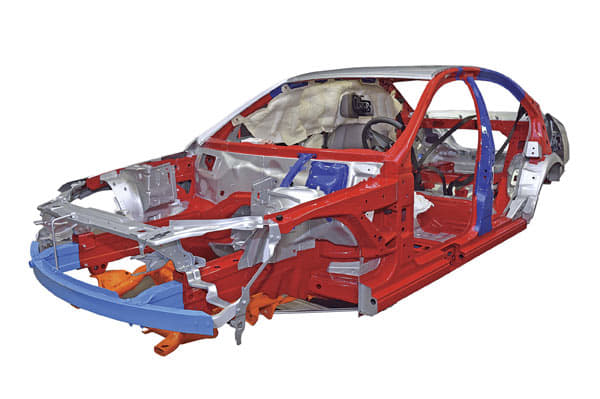
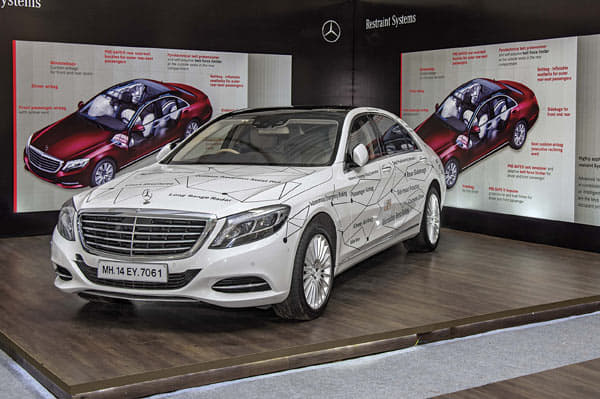
Modern technology has made cars safer than ever before. Car manufacturers like Mercedes-Benz seed a lot of time and enormous amounts of money to develop technology to make cars safer. Mercedes-Benz engineered the world’s first Passenger Safety Body in 1959. The Anti-Lock Braking System was developed by the company in 1978. And in 2006 it gave us the mechanics of preventing collisions altogether with the next generation PRE-SAFE® technology. Safety has always been the core of this luxury car makers identity.
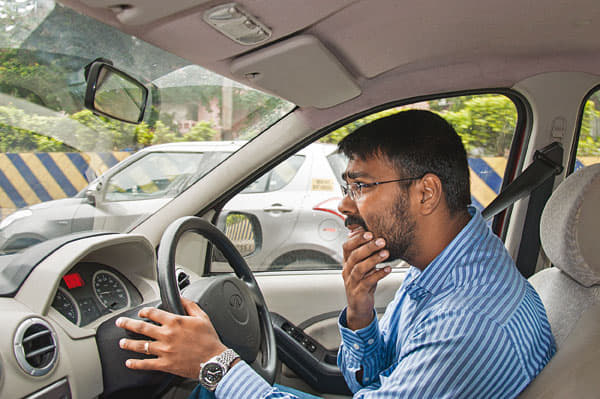
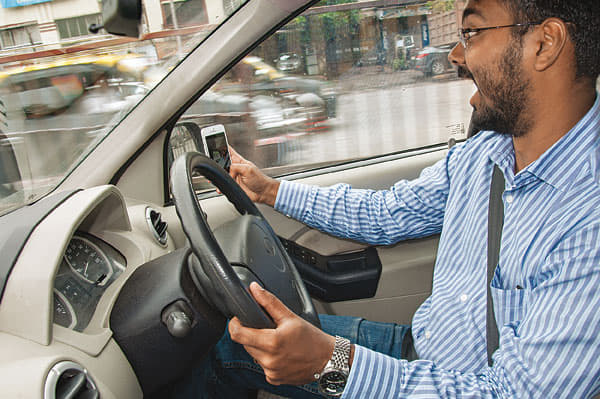
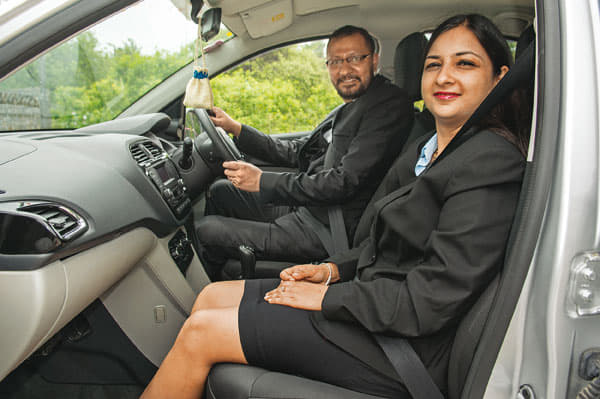
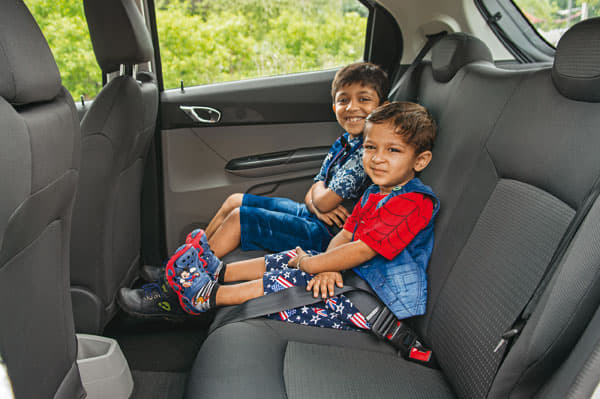
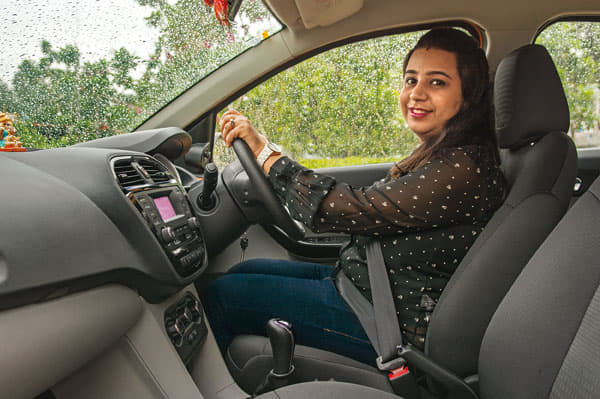
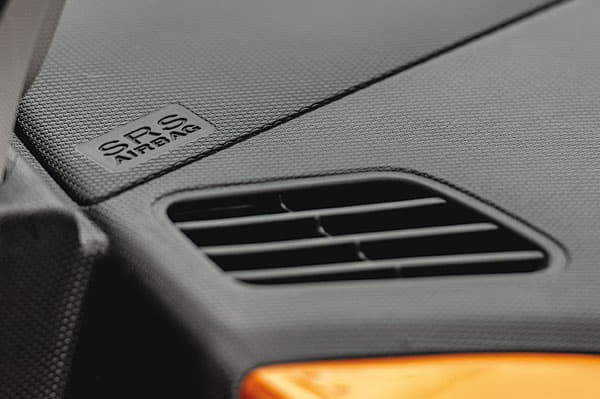
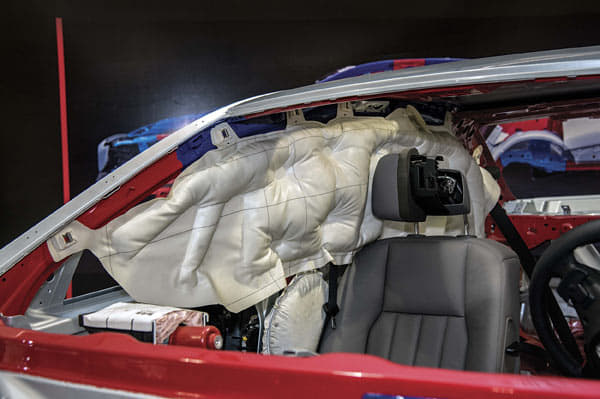
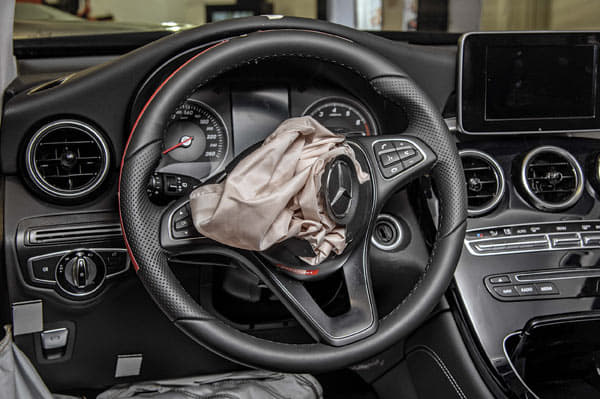
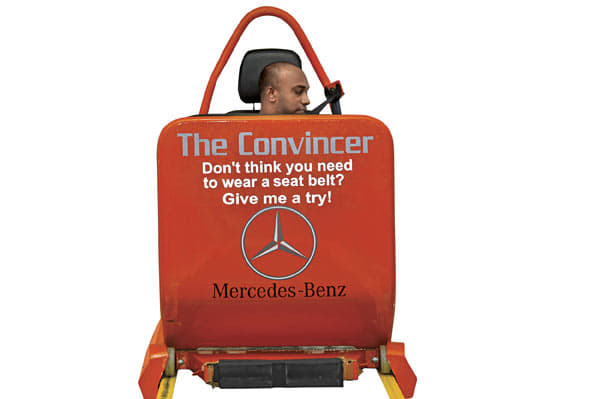
Yet even the most advanced safety system mean nothing if you ignore the most basic safety feature every modern car is equipped with -- the seat belt. It is the single most important safety feature in a car. Modern cars are engineered to deflect the energy of an impact away from the passenger compartment and systems like airbags are deployed to protect the passengers. If the passenger is not belted up, not even the most advanced system will help.
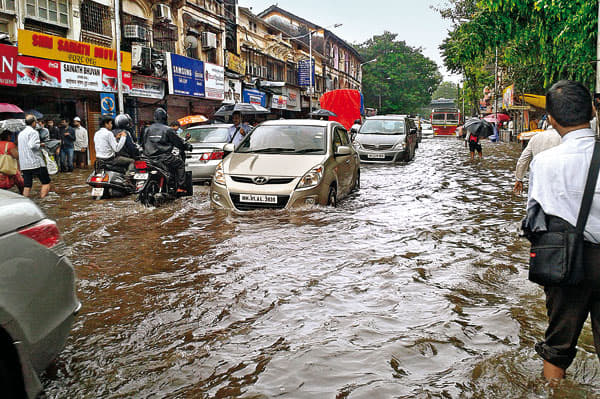
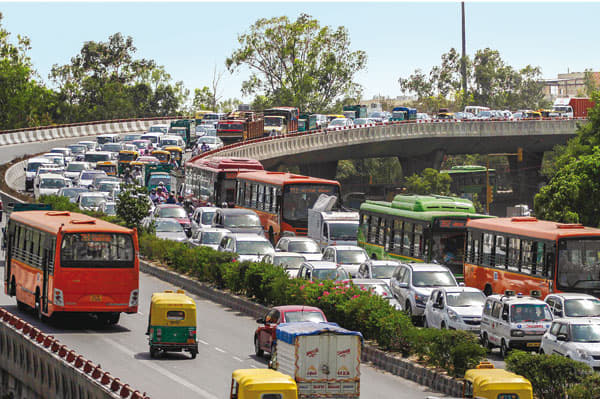
In keeping with the company’s pursuit of safety it has set up Mercedes-Benz Research & Development India with over 100 engineers contributing to technologies in active and passive safety. They have filed 54 patents on automotive safety. Yet safety remains to be an ignored subject in India. In fact, in India 17 people lose their lives on our streets every hour. So by the time you finish reading this article, another person would have lost his life on our roads.
As per Ministry of Road Transport & Highway, India (MoRTH) 2015 report, India is a signatory to Brasilia Declaration and is committed to reduce the number of road traffic fatalities by 50 percent by 2020. However, with one of the highest motorization growth rate in the world accompanied by rapid expansion in road network and urbanization over the years, our country is faced with the serious issue of road safety.
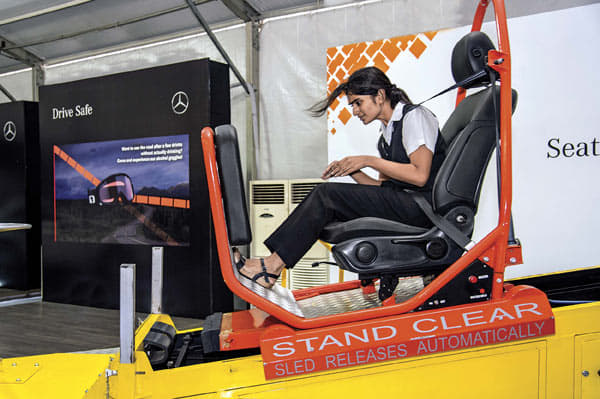
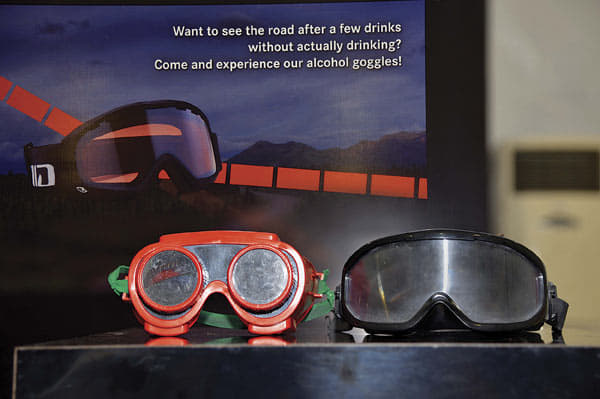
‘Safe Roads’ was hence conceptualized by Mercedes-Benz, in an effort to reduce this startling fatality rate on Indian roads, by creating more awareness on road safety. The campaign that was flagged off on 29th April 2015 in New Delhi. Mercedes-Benz believes that such initiatives are important to create a culture of road safety in India. Over 70 percent of the fatalities can be reduced in the next 10 years through awareness programs and enforcement of road safety.
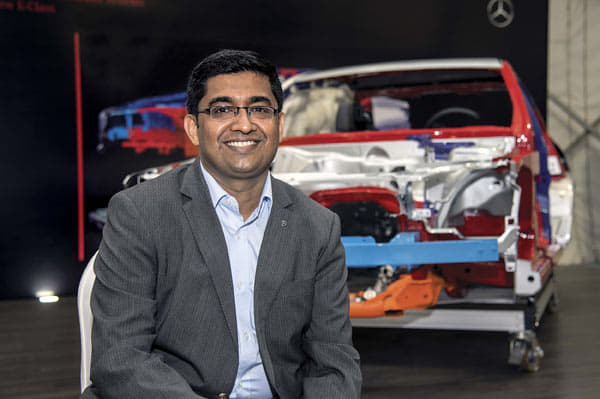
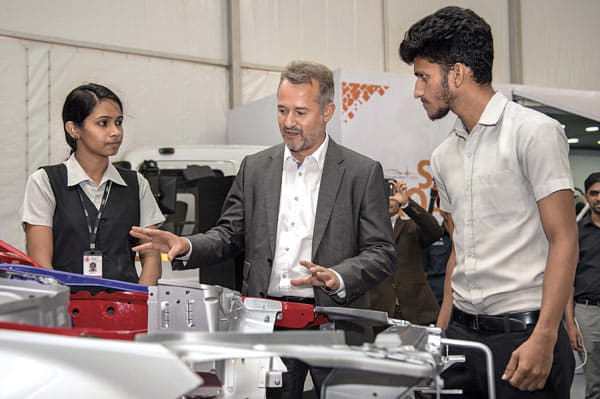
The Kochi edition of this unique initiative was flagged off at Rajagiri College, by Jochen Feese, Head of Accident Research, Sensor Functions and Pedestrian Protection, Mercedes-Benz Cars, in the presence of Mr. Manu Saale, MD & CEO, MBRDI.

 Uday Singh

 Glenn Noronha
 Dipan Sur