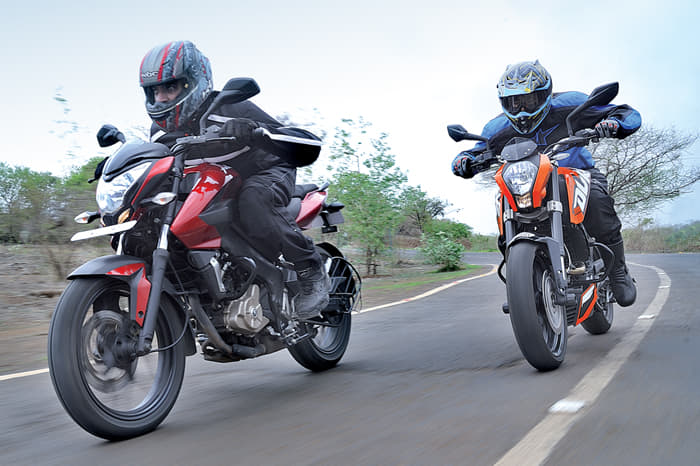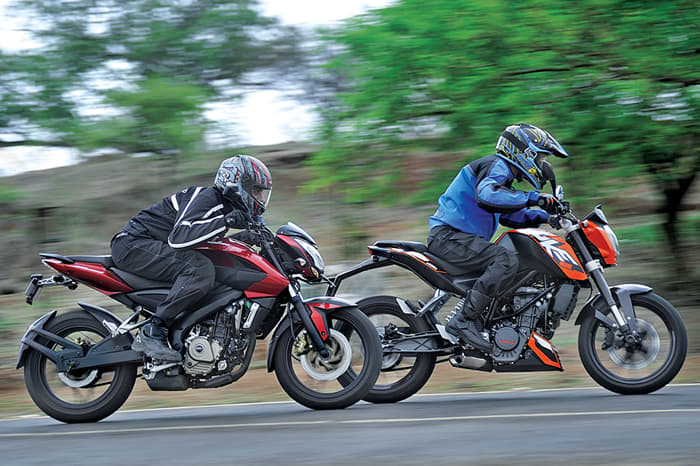



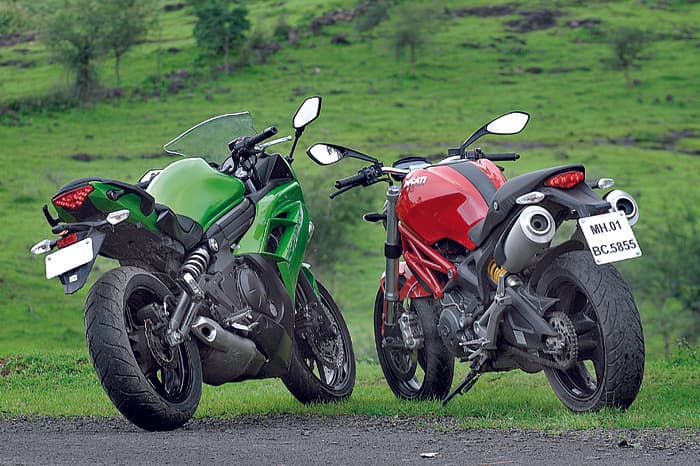
The surging influx of superbikes in India bodes well for bikers, and topping today’s list are two very fast, and useable twin-cylinder bikes, Kawasaki’s just launched Ninja 650, here thanks to Bajaj, and the Ducati Monster 795.
Read on to learn which of these tempting, top-class bikes makes the true segment leader?
A tale of two twins
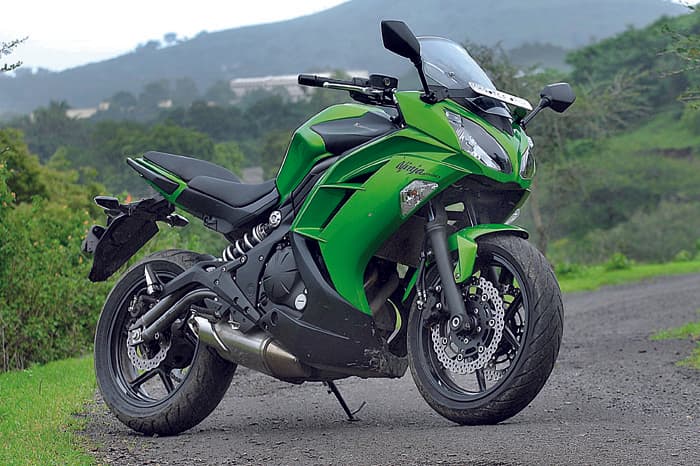
You can’t mistake the Ninja 650 for the Monster 795. The Kawasaki is a bigger, smartly faired-in bike. Both motorcycles come with effective headlights, the Ninja using a broad, twin-beam unit.
The adjustable windscreen on the Ninja requires tools and effort to reposition, but offers an advantage over the M795, allowing comfortable riding at over 150kph, speeds the Monster has trouble sustaining because of excess wind blast.
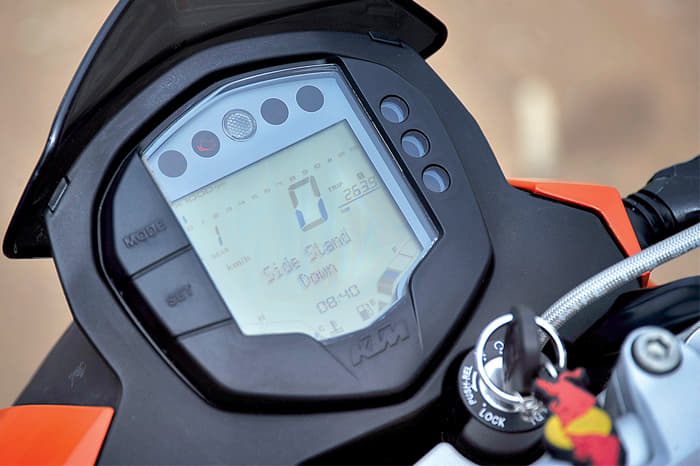
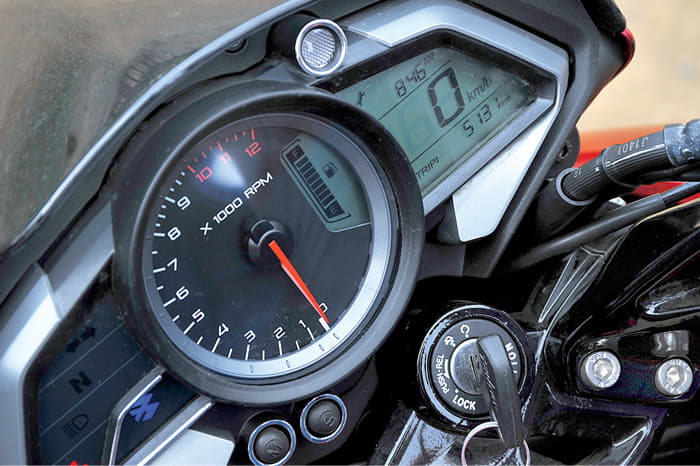
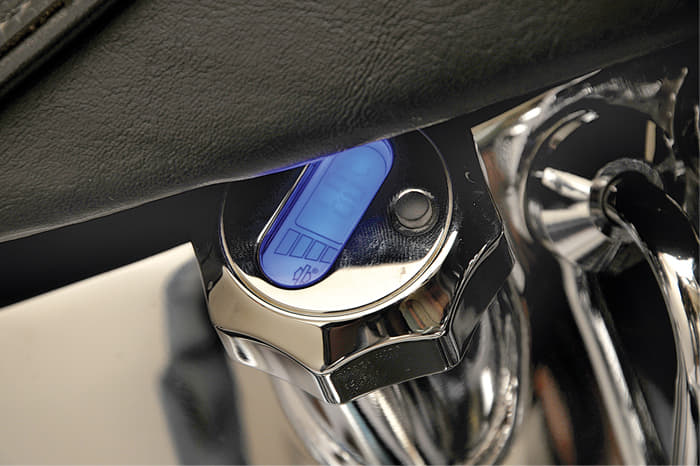
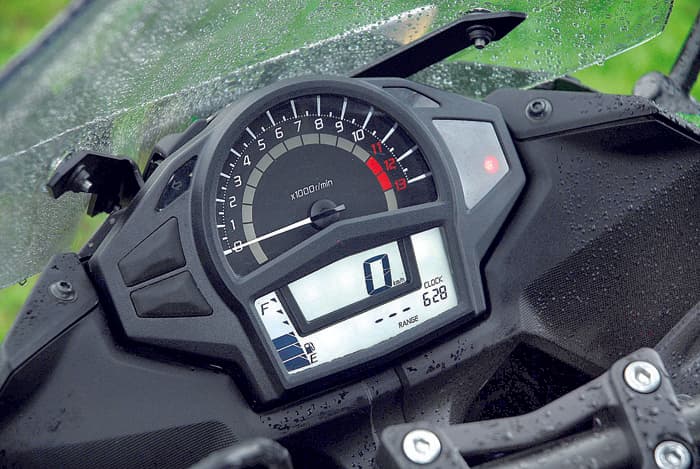
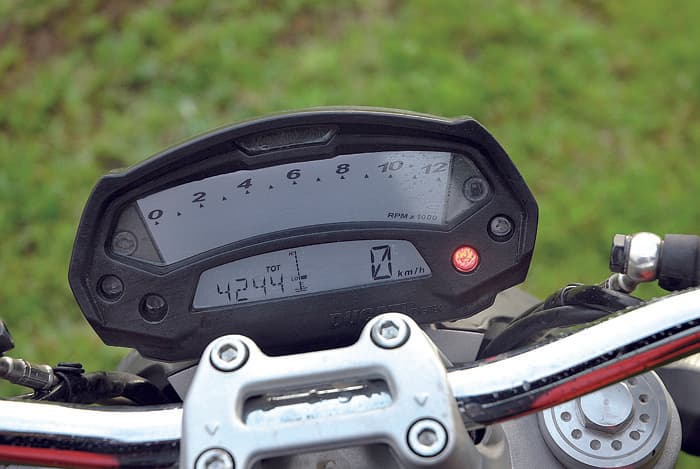
The 2012 Ninja offers LED-powered, white-lit instruments with a bold analogue tachometer, digital speedometer, average fuel consumption indicator, remaining rideable range and an economy riding mode indicator. The 795’s digital console is meanwhile compact and slim, with a cascading bar tachometer, bold speedometer, odometer, trip-meter and oil pressure indicator.
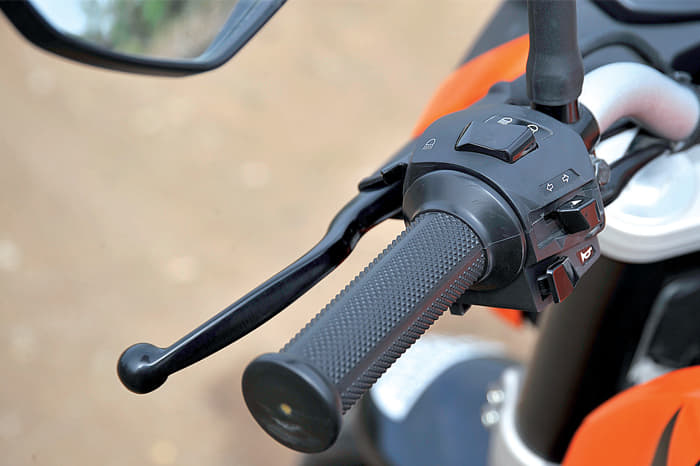
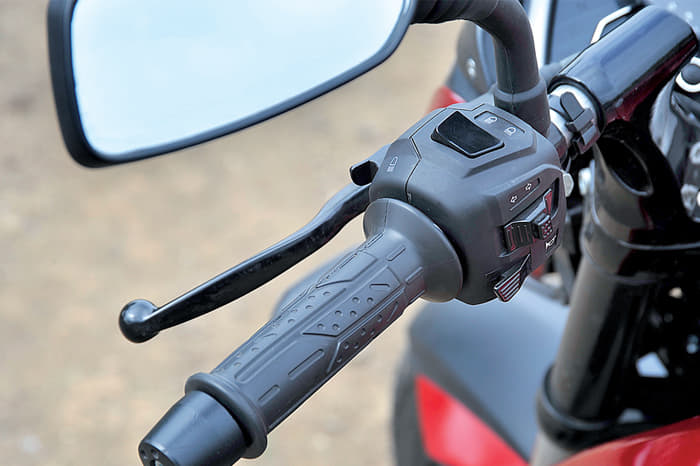
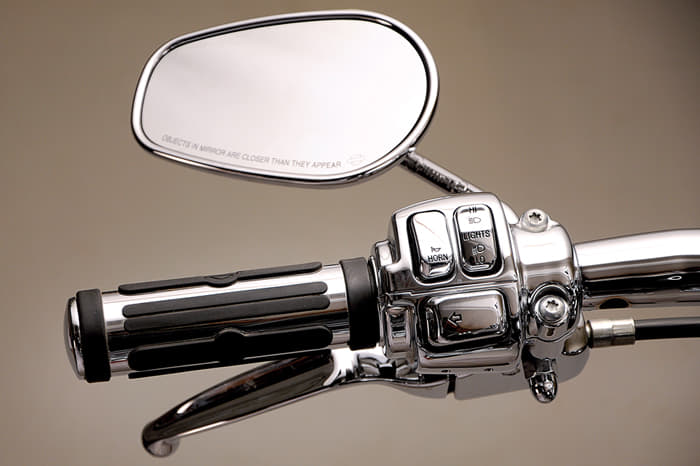
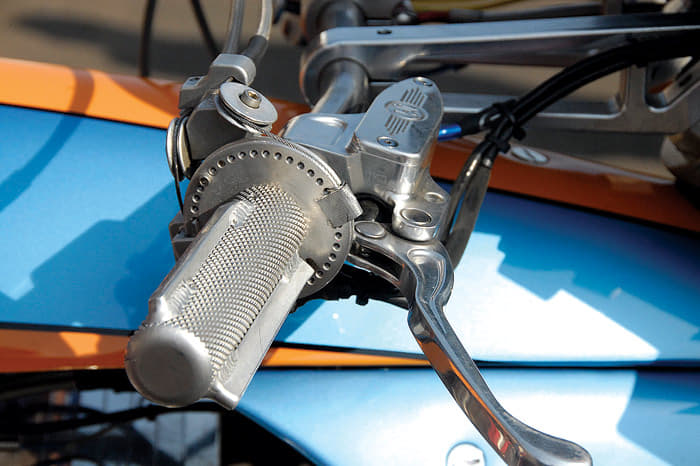
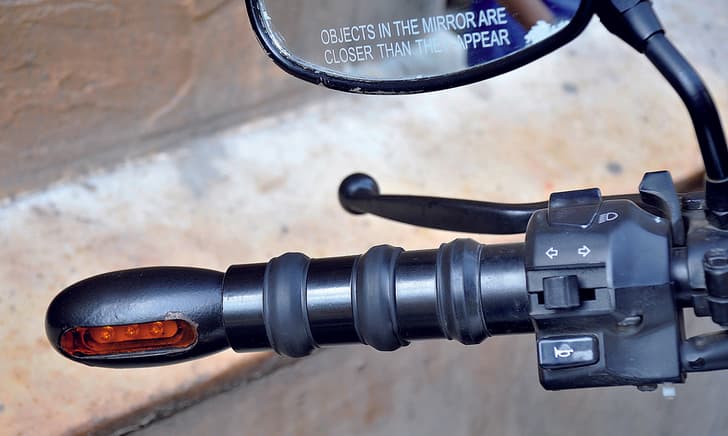
Reach-adjustable clutch and front brake levers are available only on the Ninja, the Monster losing out here. Likewise, the 650 wins brownies for its hazard warning button. Both bikes offer good switchgear and superb palm grips, as well as functional rear-view mirrors.
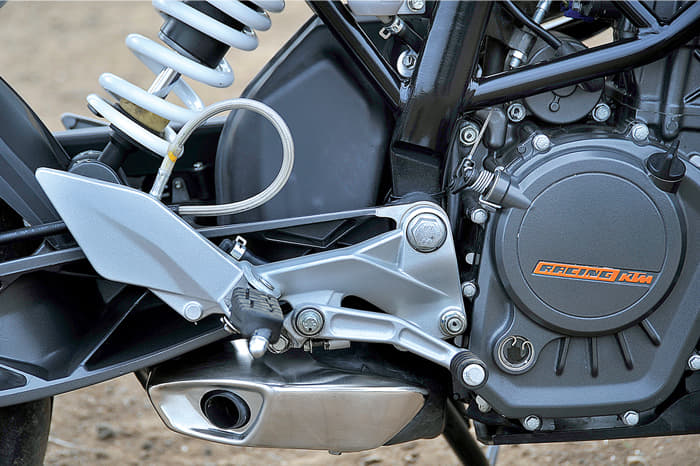
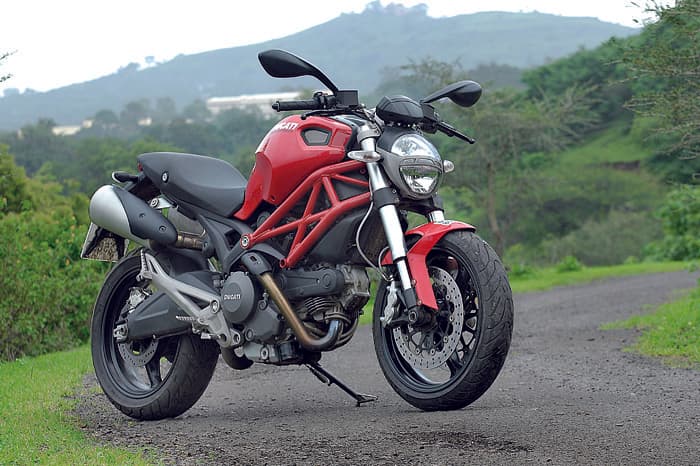
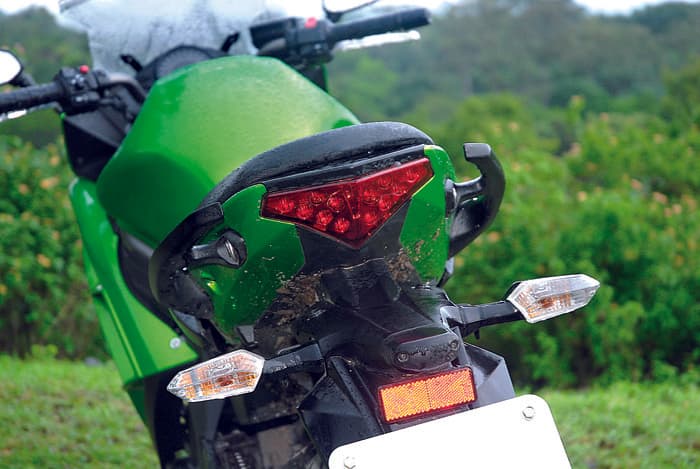
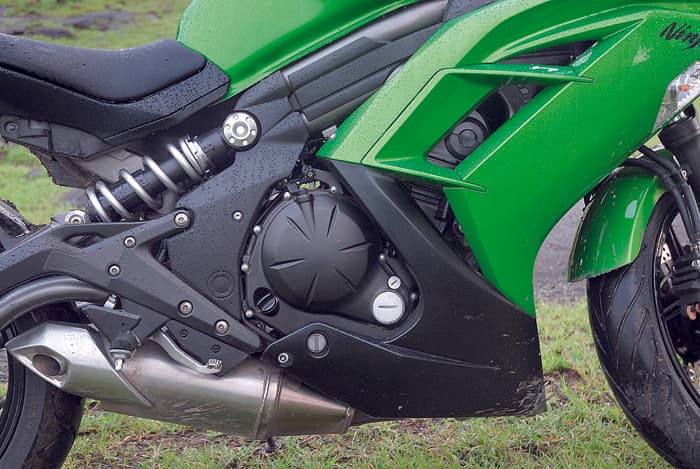
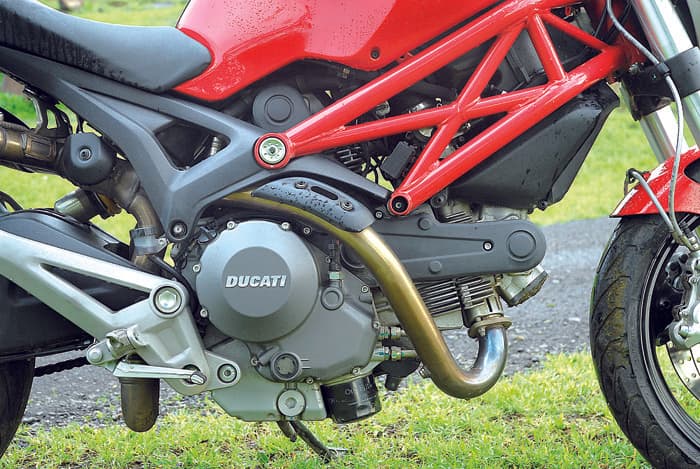
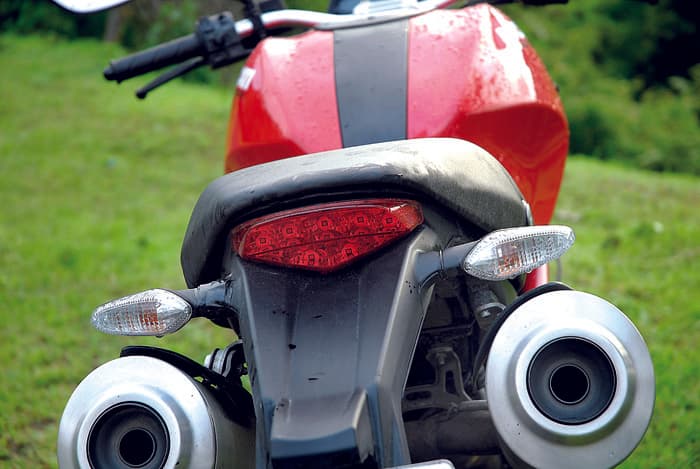
You can’t miss the muscular Monster’s bright red trellis frame and signature exhaust cans sticking out at rear. The Ninja tucks its exhaust system under its engine bay. Bungee anchors and more practical grab bars are standard on the Kawasaki, while both big bikes provide good overall quality, fit and finish and a keen attention to detail.
Twin power
Both these rivals use short-stroke, two-valve per cylinder engines, the Kawasaki deploying a 649cc, liquid-cooled parallel twin, where the Ducati uses an air and oil-cooled, 803cc, L-twin. Dual overhead camshafts power the Ninja head, while the Monster exercises Ducati’s more positive ‘Desmodromic’ valvetrain management.
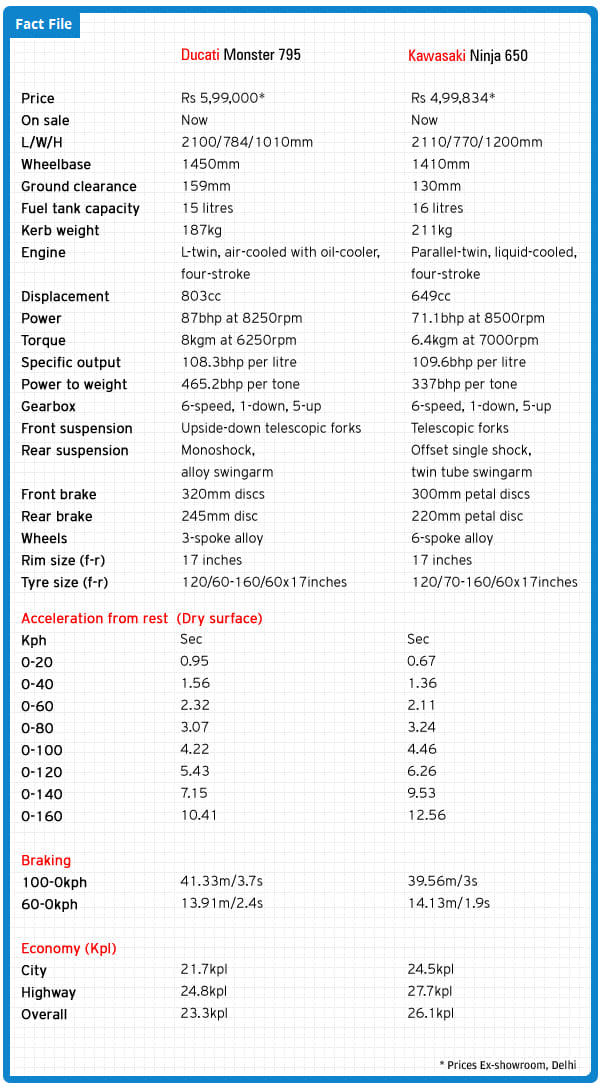
The Ninja 650’s 71.1bhp peak power output at 8500rpm falls short of the Monster 795’s 87bhp at 8250rpm. The 795 is also a much lighter motorcycle, tipping the scales at 187kg versus the 650’s 211kg.
The Ninja sounds very refined, relatively tame and well behaved as typical of Japanese bikes, converse to the louder, brasher Monster 795. Both bikes offer a nicely weighted feel at their clutch levers, the Monster 795 offering hydraulic actuation. Shifting through both these six-speed gearboxes is a cinch.
This Ninja and Monster are both seriously quick motorcycles with useable performance that proves more than sufficient on Indian roads. Apart from their true 210kph top speeds, the acceleration numbers show the Monster is quicker to 100kph in 4.22 seconds, where the Ninja takes 4.46sec. This difference widens at 160kph, where the 795 clocked 10.41s and the 650 12.56s.
The Ninja is a smoother motorcycle, its power feeding in with a linear, easier-managed delivery. The M795’s cracking mid-range piles in with full force post 4500rpm, frantically driving the bike to its 8500rpm redline in every gear. It takes concentration to avoid bashing the 795’s rev limiter when gassing the bike in first and second.
Corner carving
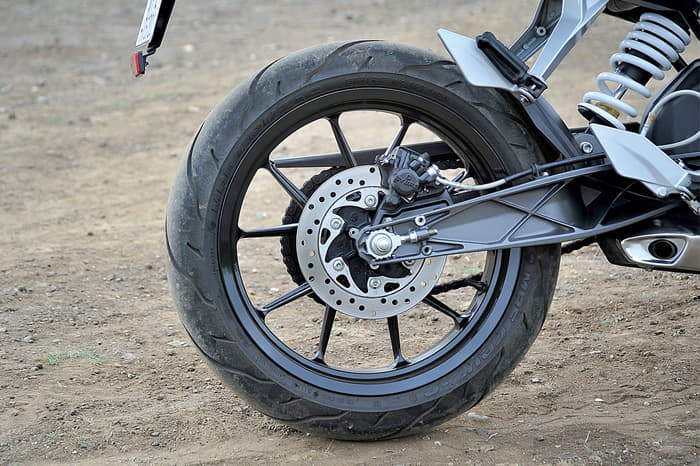
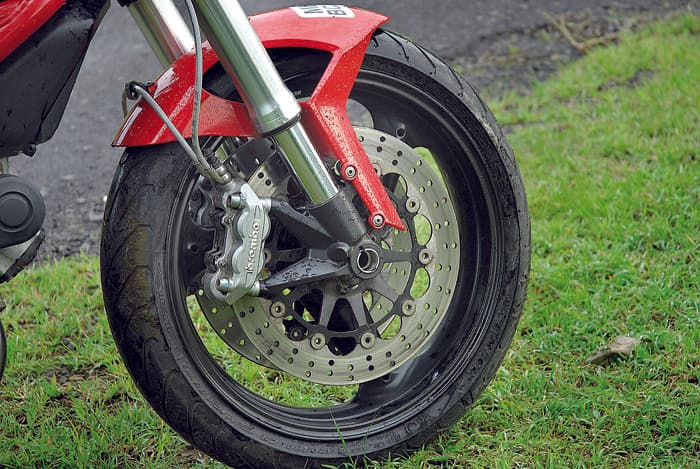
The Monster 795 beats the Ninja 650 hollow on chassis hardware. Their basic frames are comparable, the 795 using a Ducati-trademark trellis steel spine where the Ninja has a twin-tubular steel unit. The Ninja thereafter loses out, using conventional telescopic front forks to the Monster’s upside-downs. At rear, the Italian bike is on top, for providing a monoshock with alloy swingarm, converse to the Kawasaki’s offset monoshock and twin-tube swingarm.
The Ninja is a more comfortable motorcycle, with its relatively upright, commanding riding position and better pillion accommodation. Ride quality is better damped too. The Monster 795 holds the edge with slightly quicker turn-in, but lacks the confident, more stable cornering prowess of the Ninja 650. Both bikes come with gluey tyres, the Ducati’s Pirellis providing better traction than the Kawasaki’s Dunlop rubber.
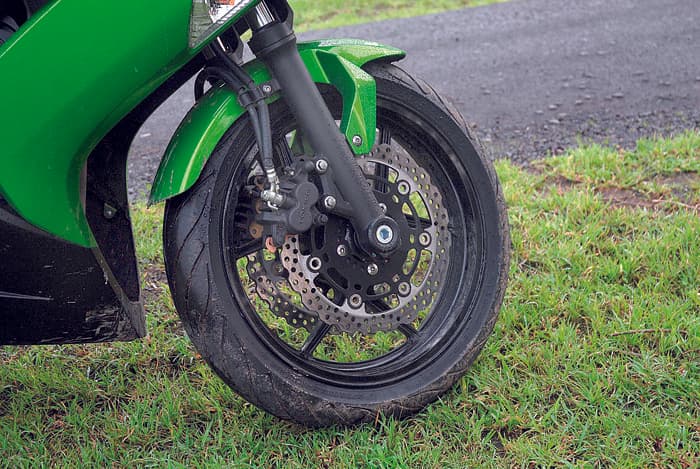
Twin-disc front brakes and single-rotor rear brakes are standard kit, but the M795 aces for using steel-braided brake lines, these working to deliver sharper brake response, opposed to the Ninja’s more progressive feel. The Monster 795 stopped in a really short 13.91m from 60kph during brake testing, while the Ninja 650 took 14.13 metres to come to rest from the same speed.
The Ninja 650 is a more frugal motorcycle, providing 24.5kpl riding in the city, where the Monster 795 gave us 21.7kpl. And during highway running, the 650 returned 27.7kpl with the 795 close behind with 24.8kpl.
The winner takes it all
The stylish Monster 795 is a big, bold step in the right direction for Ducati India. The faster Monster 795 is hard to beat when seen as a character-rich, stylish naked muscle bike.
Still on our roads, the 795 can’t hold a candle to the considerably more affordable, refined, comfortable and well-mannered Ninja 650.
This practical new Kawasaki is about the most sensible big bikes we can recommend you go ahead and buy in India today.
 Anshuman Singh
 Azaman Chothia
 Vishal Venugopal
 Ved Janve
.jpg?w=728&q=75)
.jpg?w=728&q=75)
.jpg?w=728&q=75)
.jpg?w=728&q=75)
.jpg?w=728&q=75)
.jpg?w=728&q=75)
.jpg?w=728&q=75)
.jpg?w=728&q=75)
.jpg?w=728&q=75)
.jpg?w=728&q=75)
.jpg?w=728&q=75)
.jpg?w=728&q=75)
.jpg?w=728&q=75)