autocar-logo
Delhi

Honda Drive to Discover Season 8

The eighth Honda Drive to Discover took us to Bhutan; we recall the journey and the commemoration of 300,000 1.5 i-DTEC-equipped Hondas in India.
3 min read24 Nov '17
Autocar India News Desk

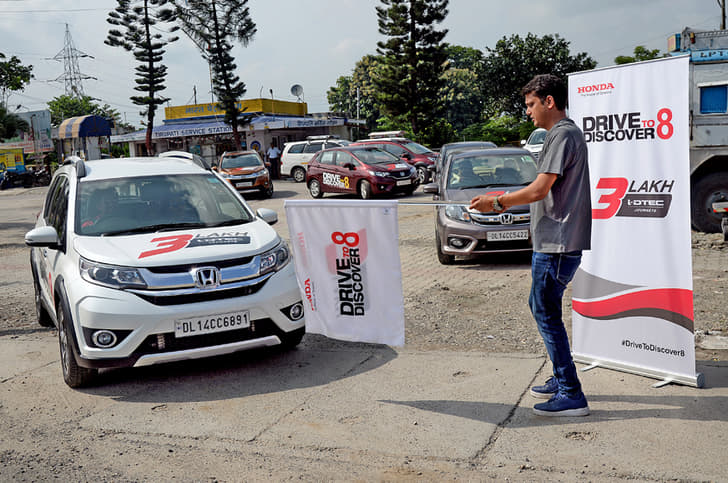
Flag-off from Siliguri after a sumptuous lunch.

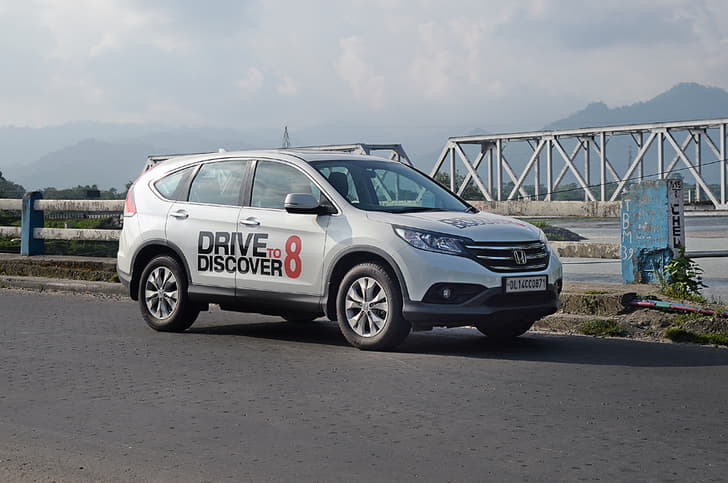
The powerful Honda CR-V automatic gearbox made the drive to the Bhutan border effortless.

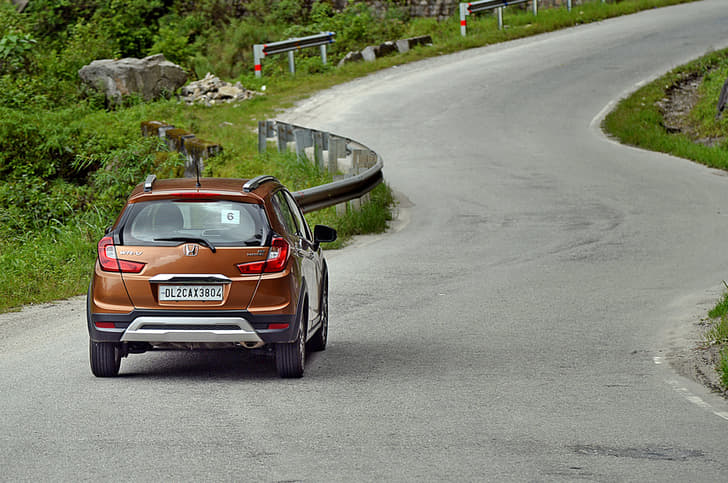
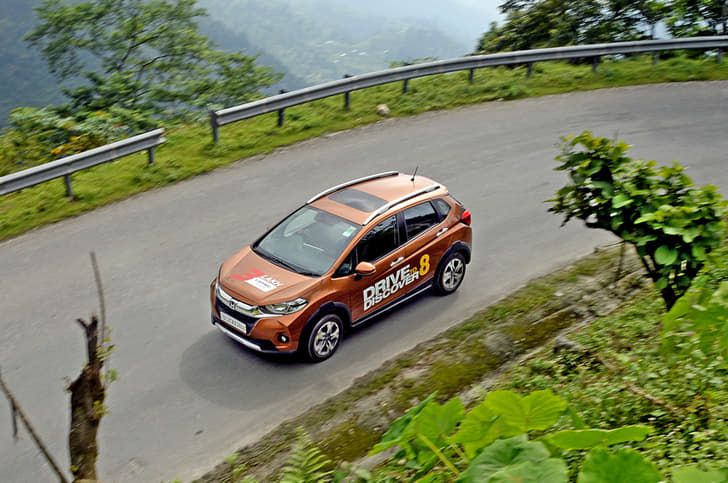
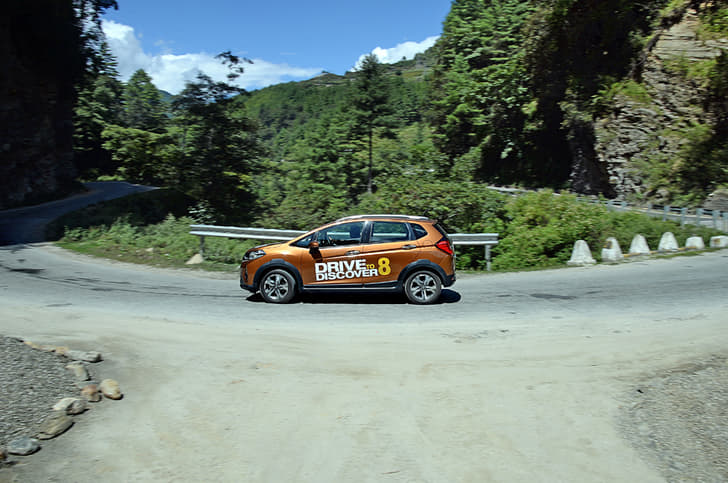
The smooth twisty roads were fun to drive in the Honda WR-V.

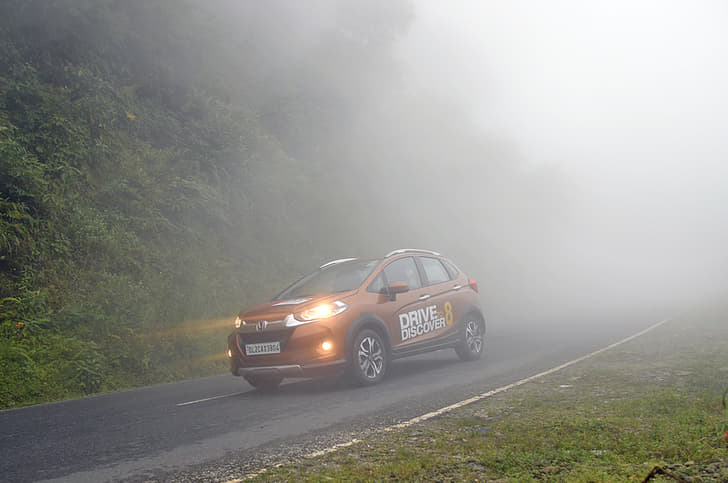
Fog and heavy rain reduced visibility drastically on the way to Paro.

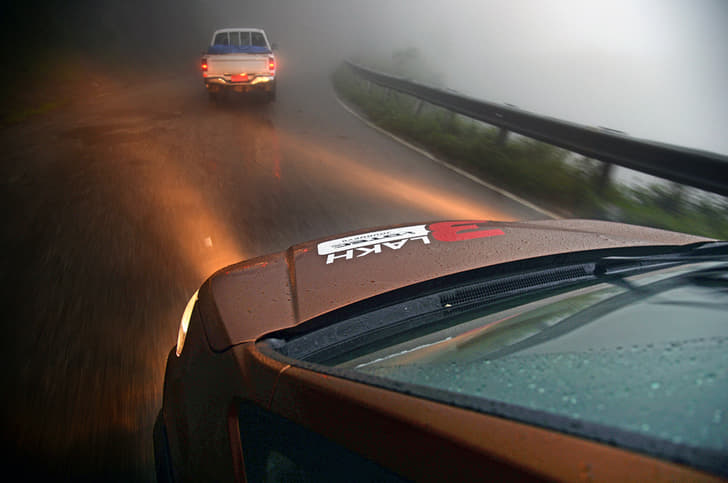
The WR-V's powerful headlights were most useful in the dark and foggy weather.

For most part the route to Paro was hilly and very scenic.

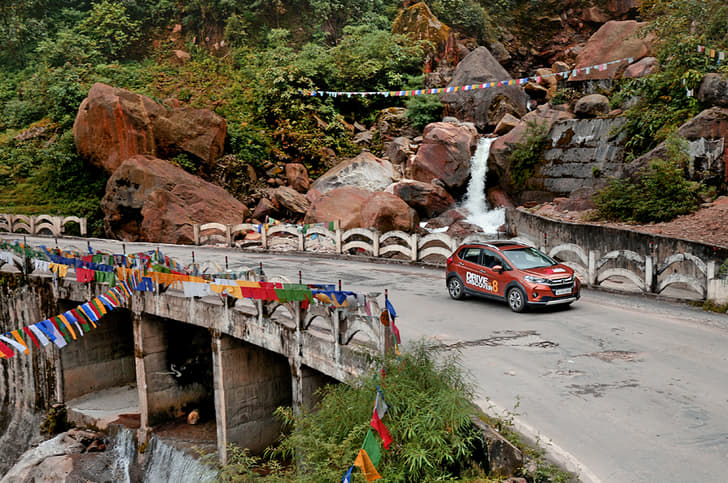
Streams and waterfalls like this were a common sight on the drive.

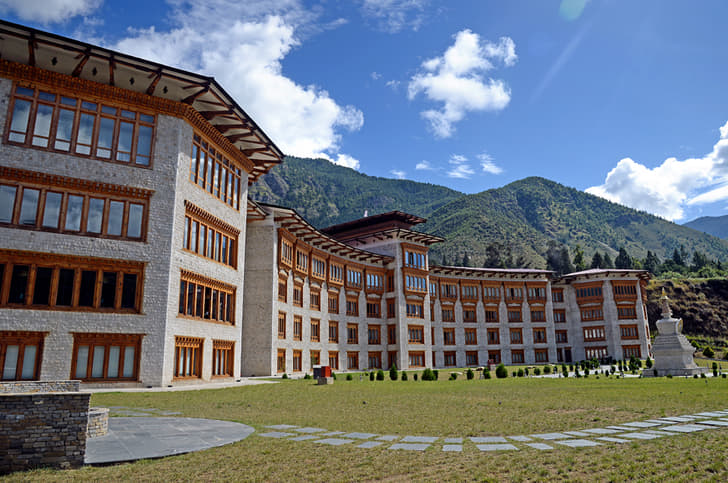
The Le Meridien is beautifully located on the outskirts of Paro with hills on one side and a river on the other.

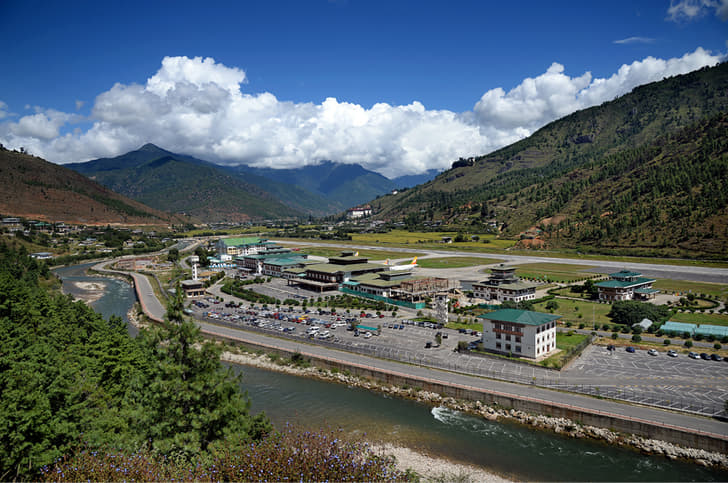
The quaint Paro airport makes for a pretty picture in the valley from high up.

The short drive up to the base of the Tiger's Nest was easy with the torquey WR-V.

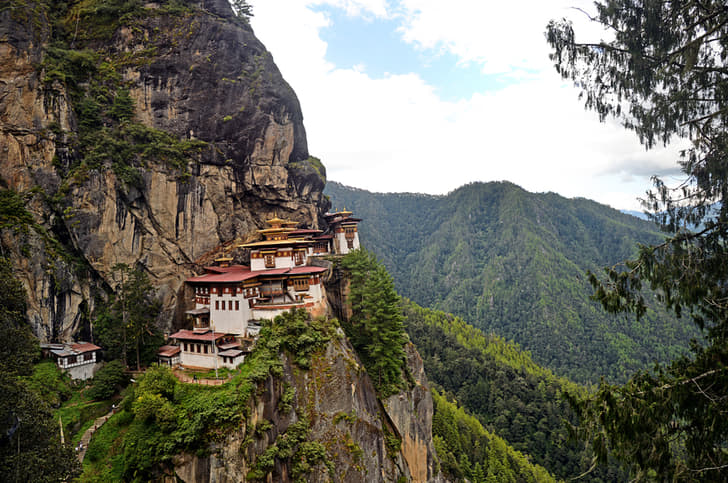
The Tiger's Nest perched comfortably on the side of a cliff is a spectacle not to be missed in Bhutan.

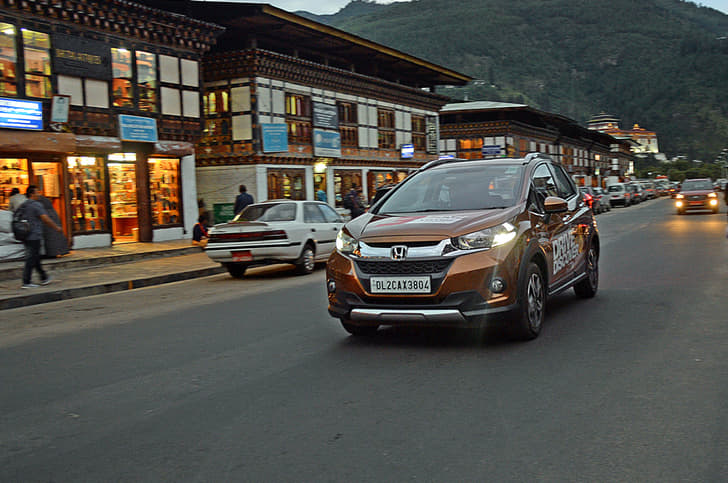
A late evening drive through the main street of the town lined with shops and restaurants.

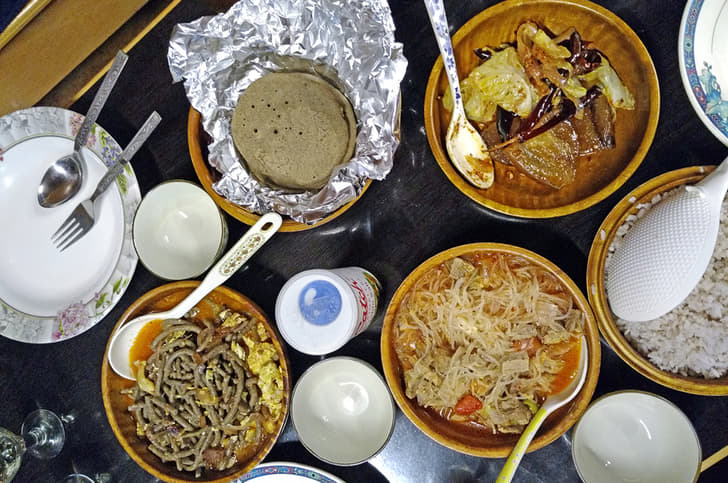
Authentic Bhutanese delicacies are a must for those who love food.

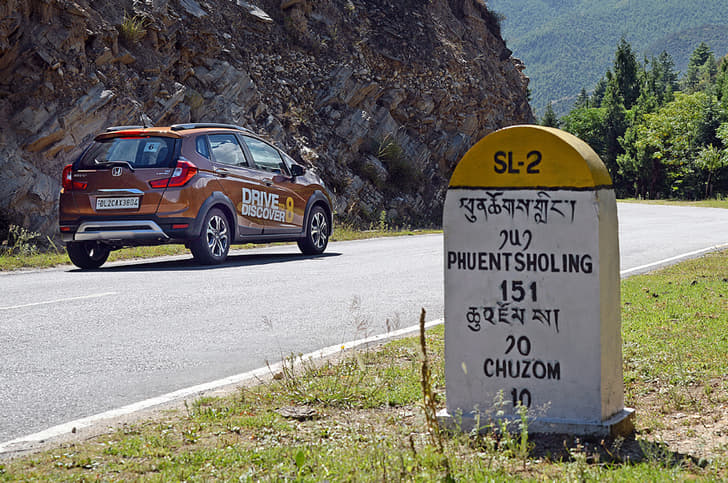
The drive back to Phuentsholing was bright sun and clear skies.

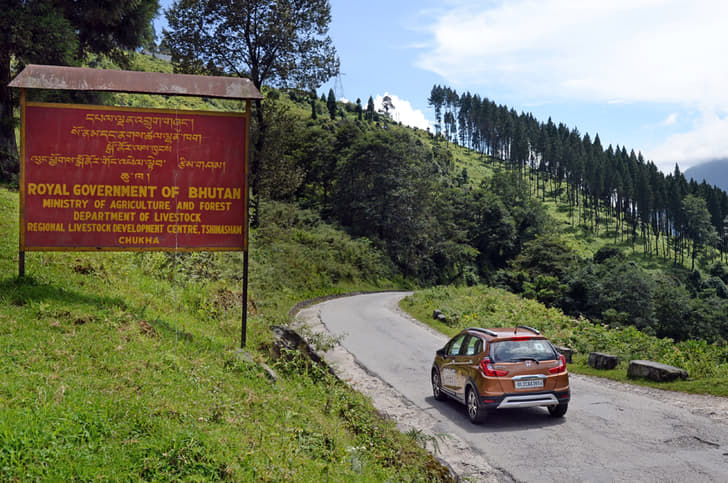
The WR-V in full flow amidst a beautiful countryside and blue skies.

One can never get enough of the beautiful landscapes wherever you drive in Bhutan.

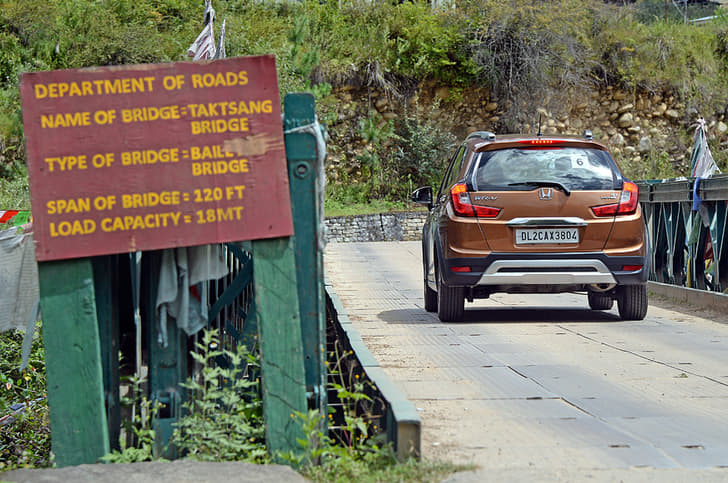
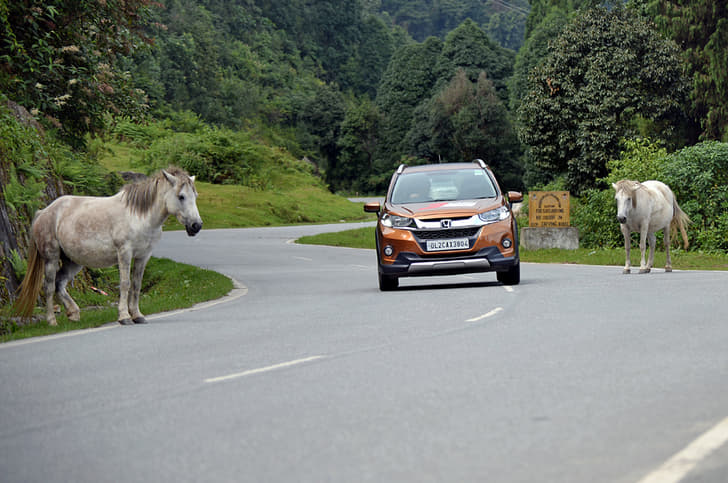
Not only the people but animals too are patient and strictly adhere to traffic rules.

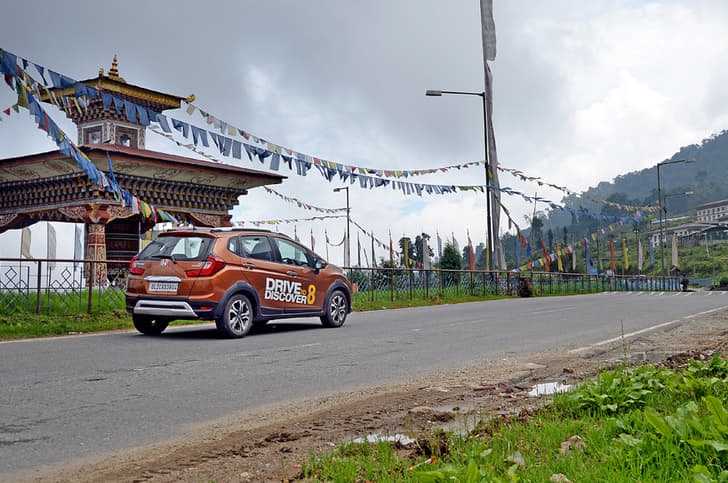
Prayer flags greet the WR-V as it glides through the town of Gedu.

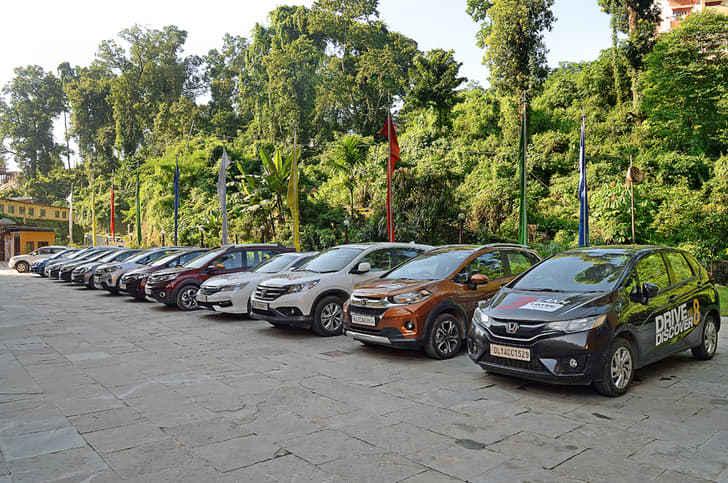
The fleet of Honda Cars get a much deserved rest before crossing back into our motherland.

Honda Drive to Discover is an annual event conducted by Honda, where select journalists get a chance to experience the Japanese carmaker’s line-up while exploring some of the most scenic parts of India. This year, the Drive to Discover commemorated 300,000 1.5 i-DTEC-equipped Hondas on Indian roads. In addition to this, it also marked a first, of sorts, for this event – with the journey venturing past the international border, to Bhutan.

Day 1 - September 12 - Siliguri to Phuentsholing - Siliguri was the starting point for the journey. Flying in to the cool of Bagdogra, the weather was a welcome relief from Mumbai’s humidity. A hearty lunch later and we were good to go. Our destination for the day was Phuentsholing, past the Bhutan border at Jaigaon. I was quite pleased to be allotted the CR-V as my drive – it’s an SUV I’ve always had a soft spot for. The CR-V was pleasurable to drive on the twist and turns and felt surprisingly nimble, too. The powerful petrol engine and the automatic gearbox just added to the driving convenience of not having to frequently downshift gears on climbs.

Day 2 - September 13 - WR-V - Phuentsholing to Paro - After breakfast, there were immigration formalities (necessary, to proceed from Phuentsholing) to complete – a process that took all of about 20 minutes. With me on day 2 on the drive to Paro was Honda's latest offering – the WR-V. On the way to the designated lunch halt, what started as a sunny day soon deteriorated to a gloomy one with heavy rain and fog reducing visibility to nearly zero, at times. The roads were good, though, with little traffic and it gave us a chance to enjoy the torquey WR-V diesel engine as it gobbled up the kilometers. Even the small bad patches of road didn’t prove too much of a bother. We finally got to Paro and checked into our hotel, a little before dinner.

Day 3 - September 14 - Paro, Tigers Nest - The next day we had to choose between either driving to Bhutan’s capital, Thimpu or visit the famed monastery known as the Tiger's Nest and hike all the way up. We decided on the latter. Having enjoyed my drive in the WR-V the day before, I decided to keep it, for the rest of the drive. The drive to the base of the climb didn’t take much time but my word – the climb up was long. The walk up took two and a half hours but the sights made it worth the effort.  Tiger's Nest, perched on a hillside, looked magnificent. Views of Paro in the distance and the surrounding countryside were no less special. Alas, my fitness got a reality check, on the way down. The journey down took an hour and a half! We regained our breath and strength on the journey back, which was punctuated by stops for photography and a lovely traditional Bhutanese meal. Satisfied after a fulfilling day of activity and a good meal, we retired for the day.

Day 4 - September 15 - Paro to Phuentsholing - It was time to head back to Phuentsholing, on the border. The weather on the drive back was clear and sunny. The comfortable WR-V with its ample performance proved to be a smooth cruiser, all the way back. However, I do wish the engine was quieter. On an unrelated note, the good traffic sense in Bhutan was an eye-opener. The cleanliness of the streets and discipline of people were noteworthy factors that added to the journey's overall experience.     

Day 5 - September 16 - Phuentsholing to Siliguri - The final part of the drive the next morning had us headed back to Siliguri. After a serene few days in Bhutan, the cacophony of car horns, hordes of people and potholes of India’s world famous roads were a jolting reminder that we were home. It was a pleasurable few days and my big takeaway was how good a long distance machine the WR-V diesel makes. I didn’t expect to – but I do miss the car. As they say, absence makes the heart grow Honda!

Ashley Baxter

Buying a small luxury sedan

Buying a less-run used premium car like a BMW 3-series, Audi A4, or Mercedes C-class.
1 min read24 Nov '17
Autocar India News Desk

How to correctly clean your two-wheeler

Use our handy guide to learn the best way to clean your treasured two-wheeler.
3 min read22 Nov '17
Firoze Irani

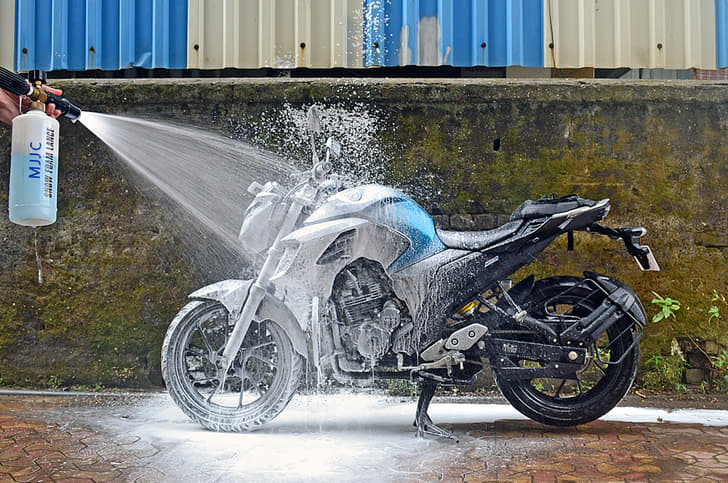
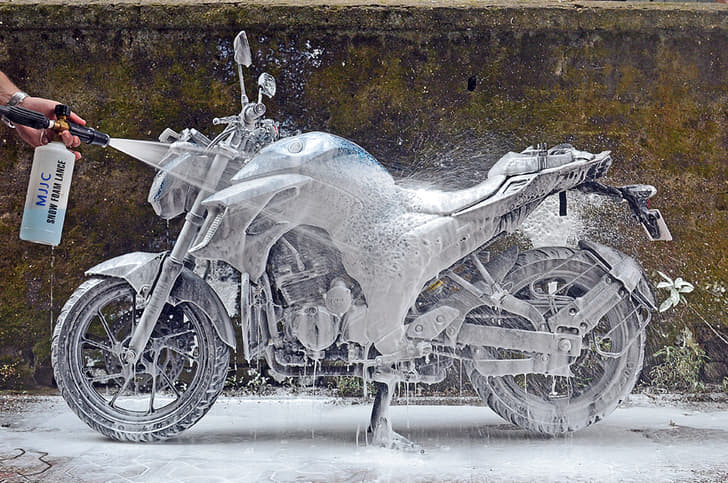
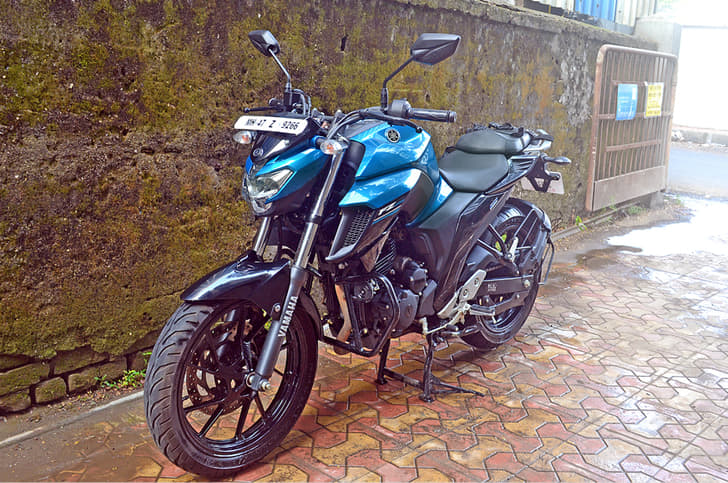
Beginning with the shampoo.

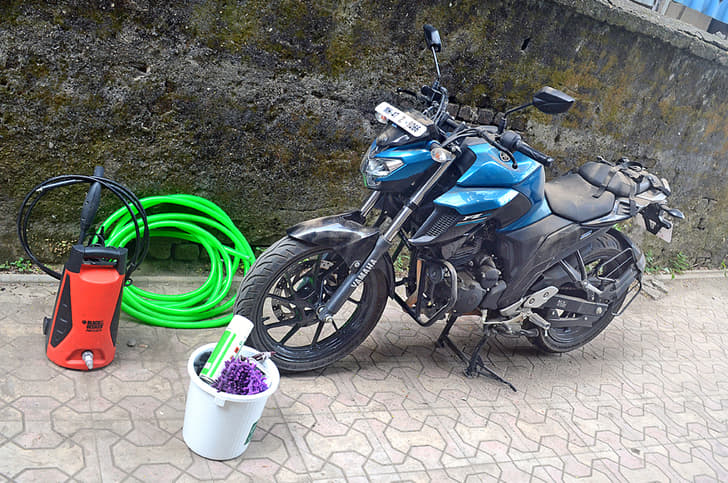
Choose a tiled surface for the wash.

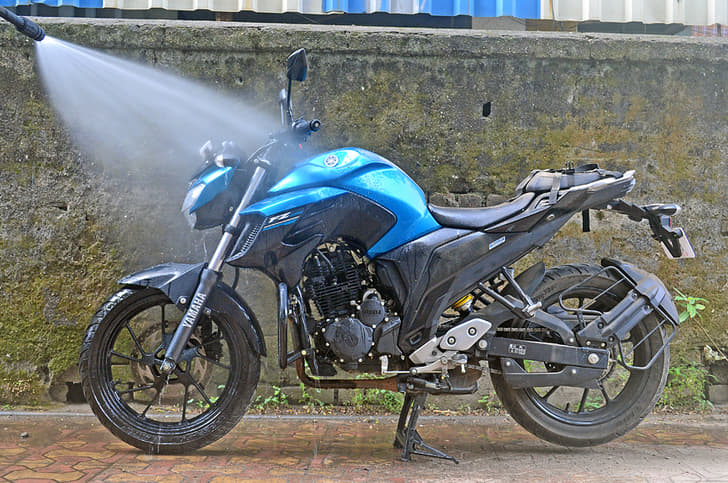
Use a low-pressure water spray from the top to the bottom.

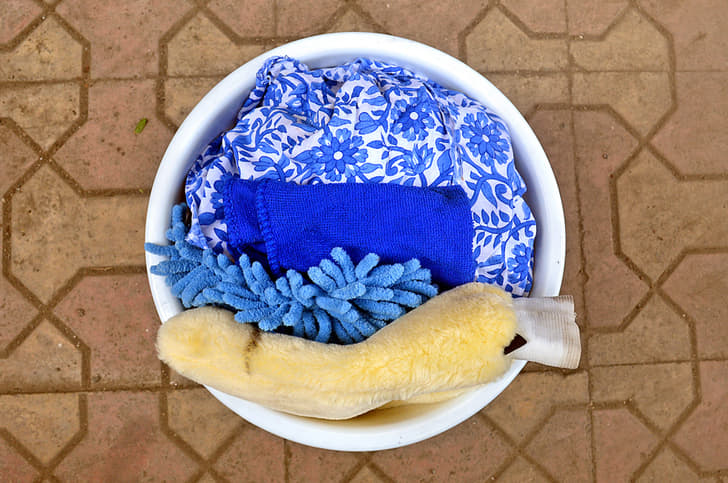
The cloth collection.

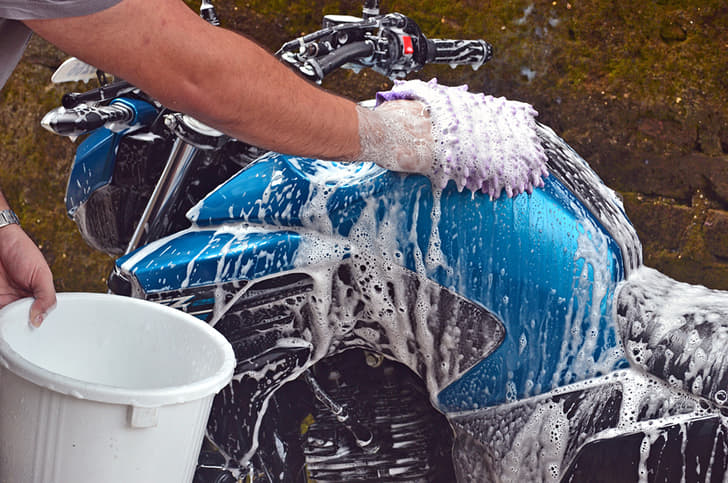
Drenched in automotive shampoo.

Using a microfiber wash mitt on the tank.

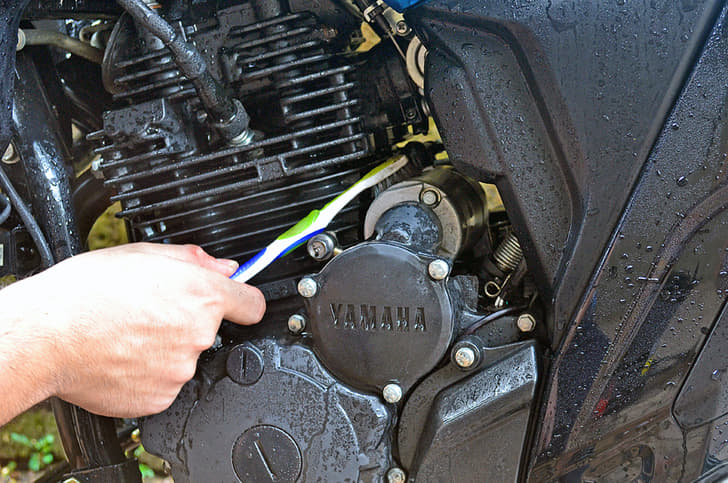
Toothbrush to clean the corners and creases.

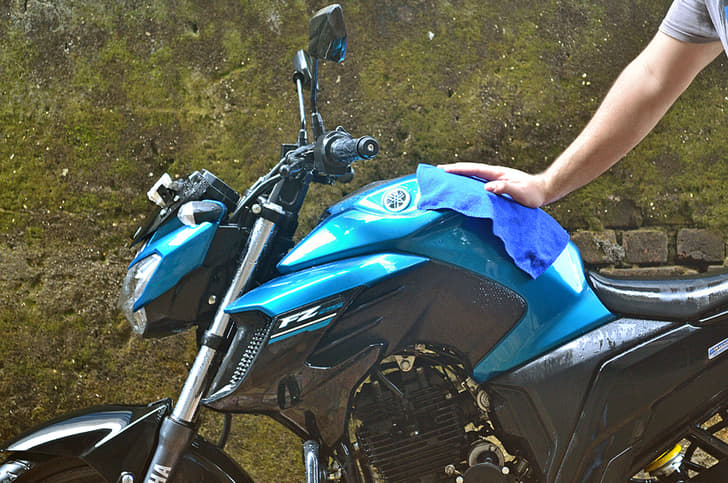
Drying off the motorcycle with another microfiber cloth.

The final product.

Luxury: By land or by sea

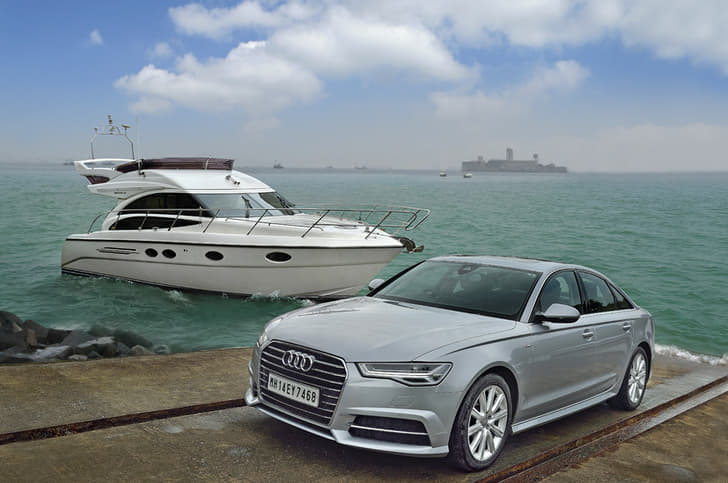
Open roads or open waters? Expansive luxury or rousing performance? We wonder if we are ready to make the move from car to boat.
4 min read22 Nov '17
Joy Chaudhuri

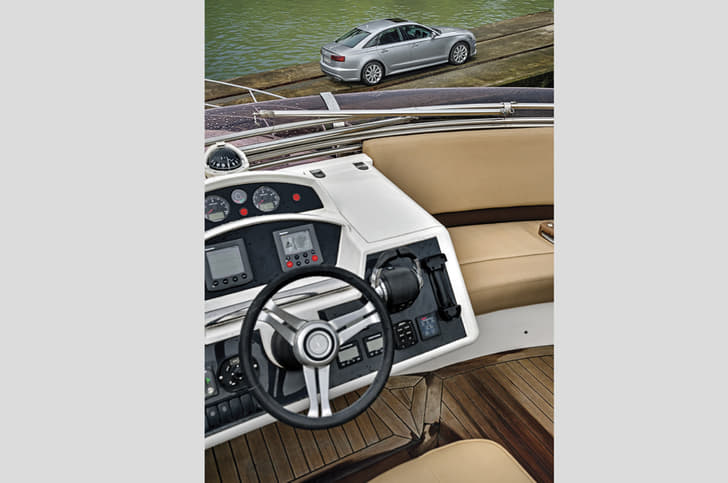
The Princess 42 is a flybridge yacht, which means it has two set of controls, one here on the bridge and another one below.

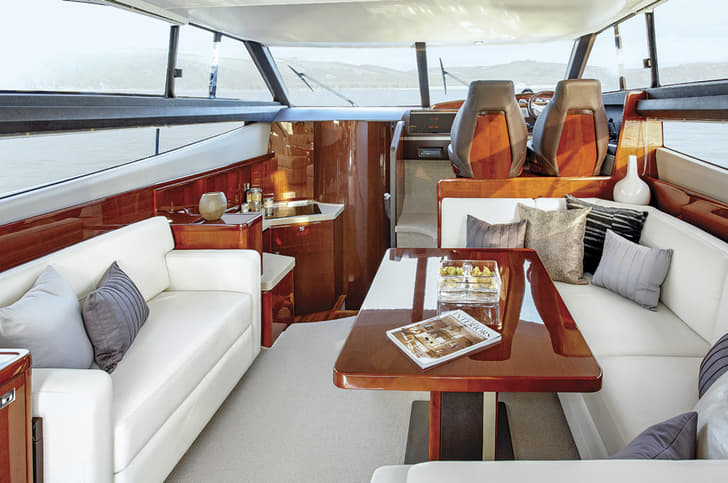
The deck saloon at the lower helm, where the controls are located, also features a galley. The two cabins are located at the front of the boat.

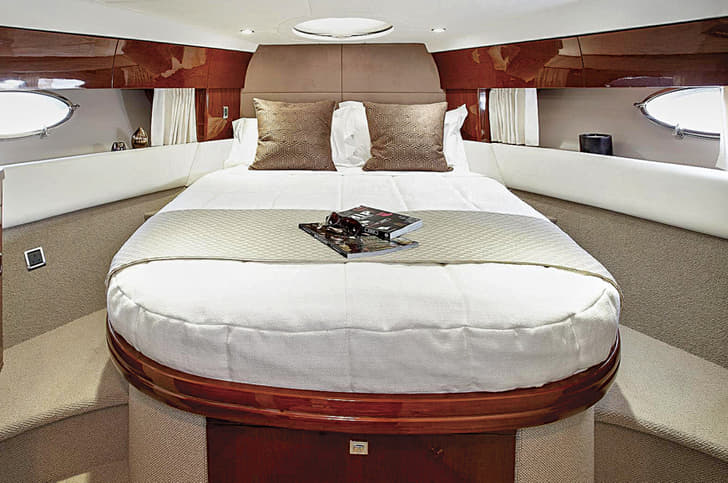
The boat has two cabins with en-suite bathrooms. This is the owner’s suite.

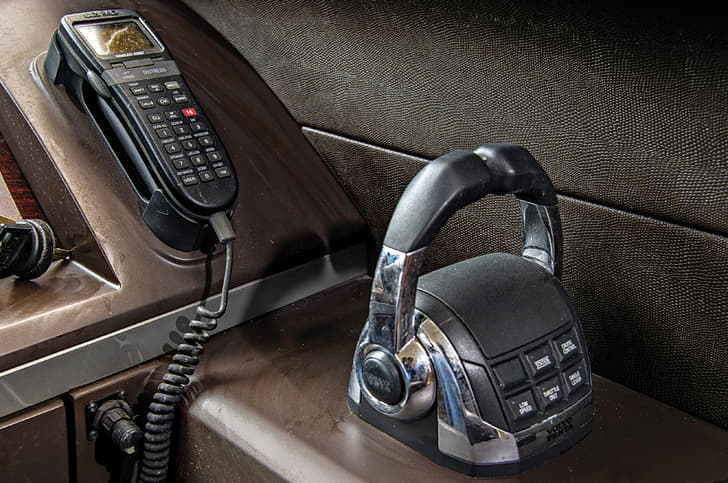
The two throttles on the Princess to control the two 370hp engines.

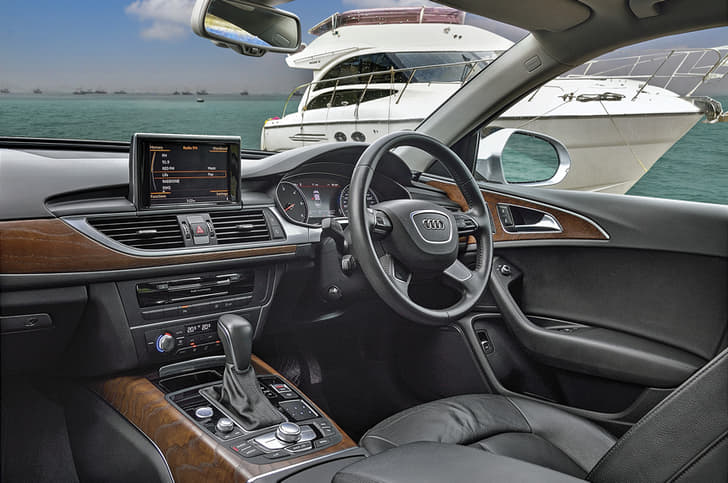
Unlike the Audi, the Princess comes with two steering wheels, two sets of instruments and two engines.

India's best driver's cars 2017

The 10th edition of our Track Day also saw us reel in our 100th car. We tell you which cars excelled and which didn’t.
10 min read20 Nov '17
Shapur Kotwal

In the boot, on the ground and in the air; we had cameras everywhere capturing all the flat-out action around the track.

Rains stop play in the afternoon.

All driver aid deactivated for fastest laps.

GT3 RS’ wing is a spectacle in itself.

Data from Vbox confirms fastest times.

Stopwatch time for quick references.

Narain’s flat-out action continues in the pits as he talks us through all the cars.

Dune bashing in Dubai in the Jeep Wrangler

Dune bashing in the desert is a bucket list item for serious off-road enthusiasts. We go to Dubai and put a tick on our list.
4 min read20 Nov '17
Hormazd Sorabjee

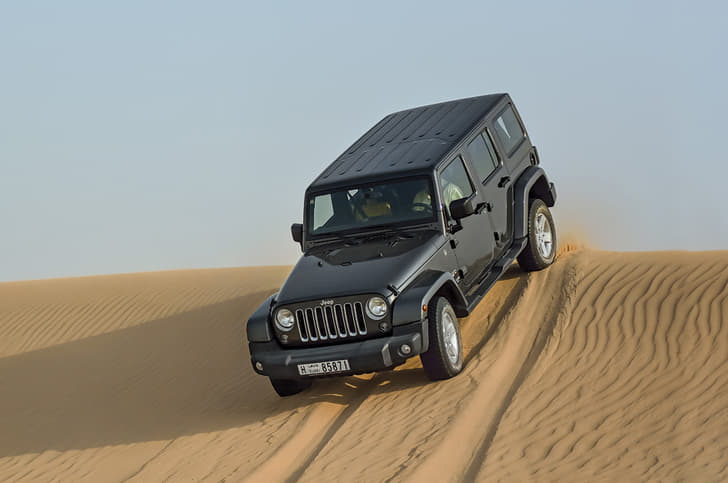
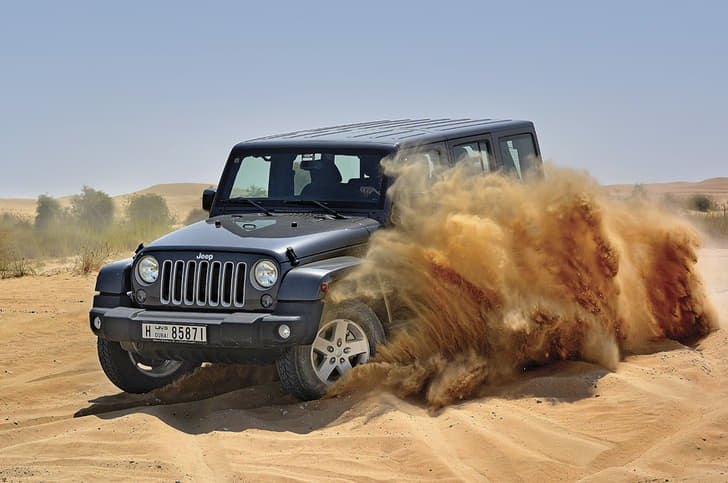
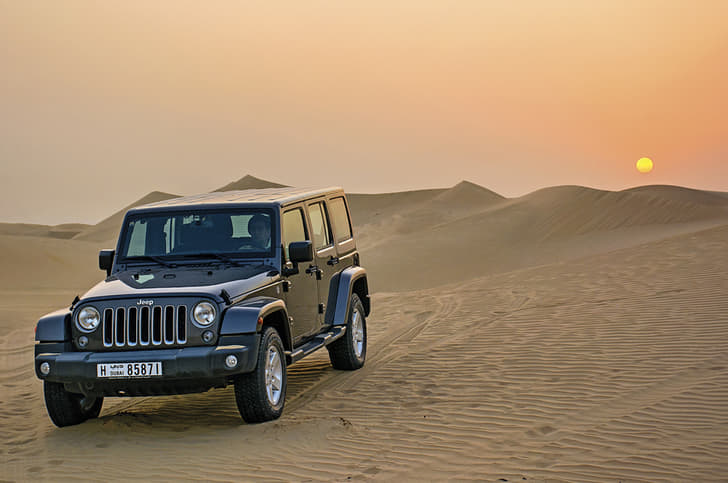
The Jeep Wrangler feels most comfortable off-road and was a perfect companion in the desert.

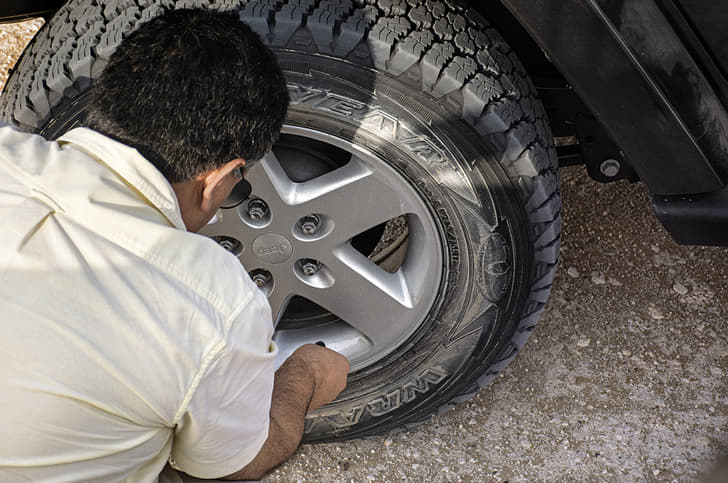
Dropping tyre pressure is crucial for desert driving.

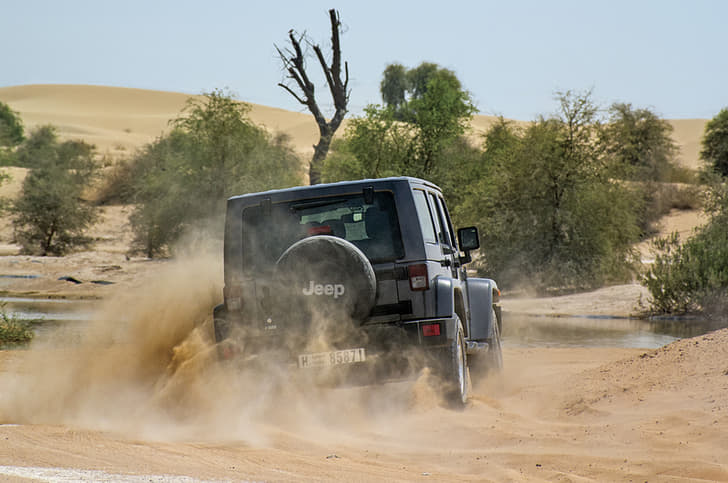
It’s hard to believe this desolate expanse of desert is just an hour away from the high-rises and malls of Dubai.

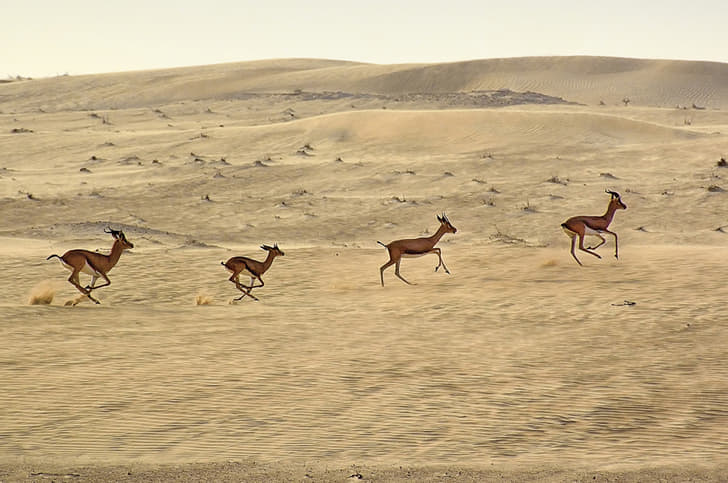
The desert has its own variety of wildlife. A small herd of Arabian gazelles scurries off into the dunes.

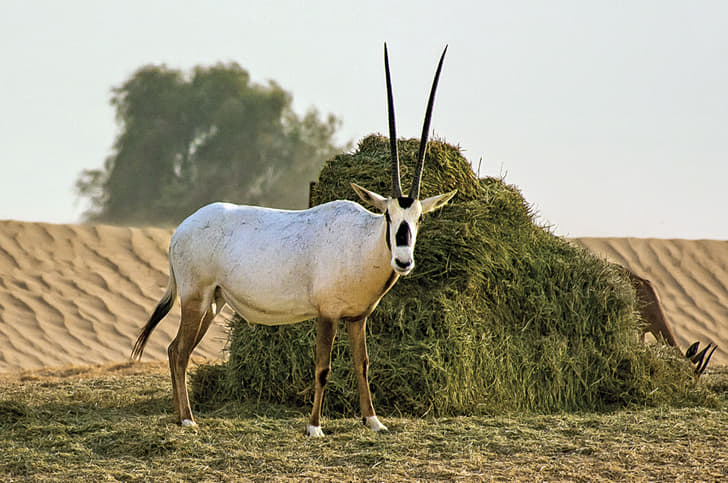
Arabian Oryx is used to tourists, looks on quizzically.