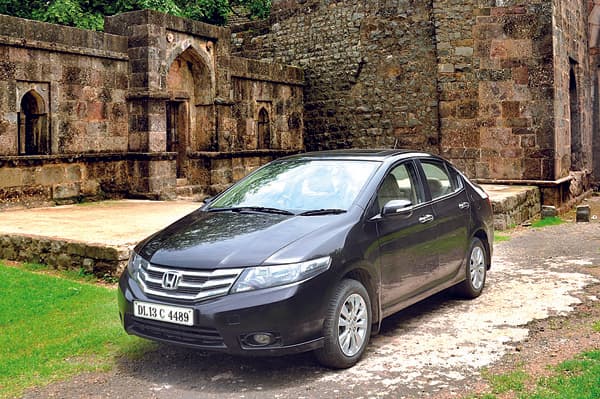
About 550km from Mumbai lies the beautiful town of Mandu. Occupied by Hindu, Afghan and Mughal rulers across the centuries, the place is steeped in beauty, art, architecture and history.
Mandu is fantastic to visit during the monsoons. The hills and countryside are carpeted in fragrant green interspersed with slivers of silver water twinkling and gushing down the hills. It is a rather popular weekend spot, so unless you fancy jostling for space with tourist buses, cars and gangs of bikers, visit sometime during the work week.
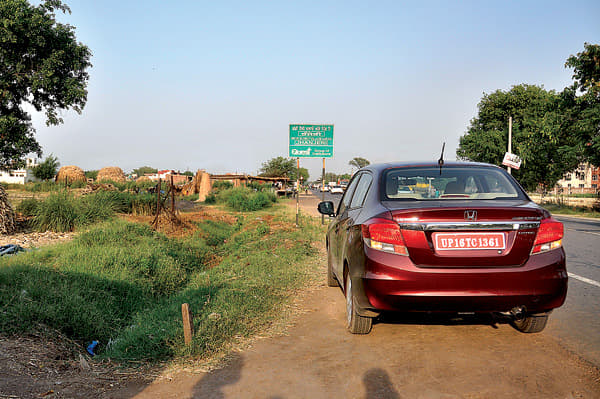
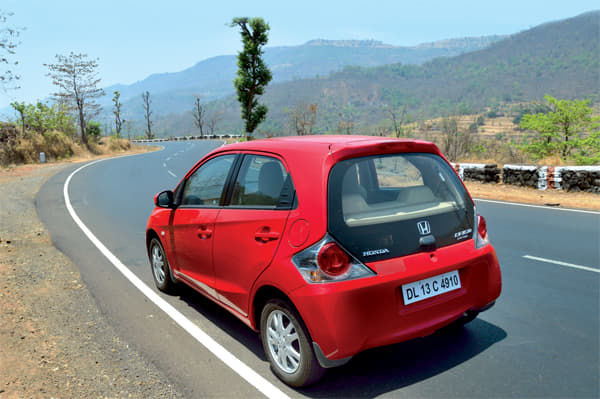
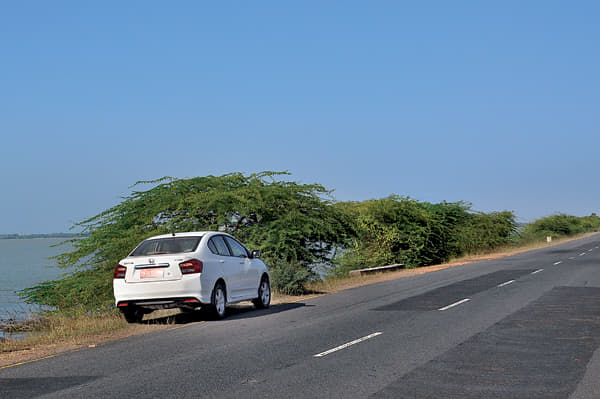
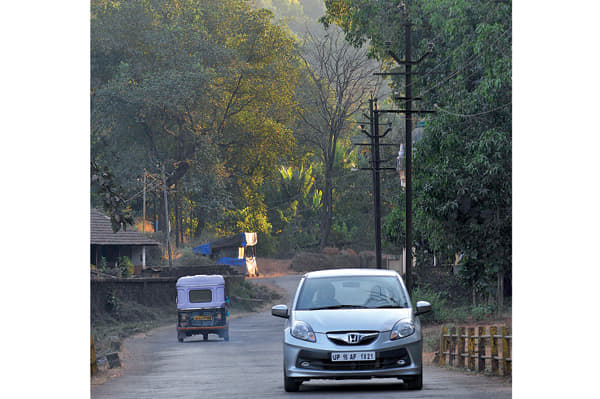
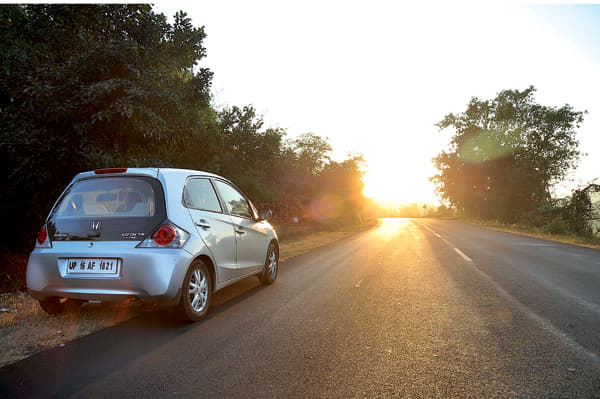
It’s an enjoyable drive to Mandu and should take you around nine to 11 hours. Leave as early as possible, not later than five in the morning, or you will spend the better part of your time trying to wriggle out of Mumbai. You need to take the NH3 that will take you past Thane, Nashik and Dhule. The road is a two-laner one-way all the way through and the surface is excellent. But be prepared to shell out Rs 500-700 in tolls. There’s lots of petrol pumps and places to stop and eat, so no worries on that front.
The excellently tarred road tempts you to be heavy on the throttle, but be careful of motorcyclists swerving into your path without checking their rear-view mirrors. Also, keep an eye out for vehicles coming down the wrong side. It is especially dangerous on the Kasara Ghat stretch with its blind corners, and supposedly, a one-way. You will definitely encounter at least one vehicle heading the wrong way on this ghat. Another major irritant on this road is the heavily loaded trucks trying to crawl past each other on the inclines and blocking the whole road. No amount of honking or yelling will get through to them, so just grin and bear it. The traffic thins a bit after Nashik and at about 496km from Mulund toll, you will find a small road on your left pointing to Mandu. This is where you get off NH3 and drive the final 25km to Mandu. The road is narrow, meandering through small villages till you come up to the ghat that will take you up to Mandu.
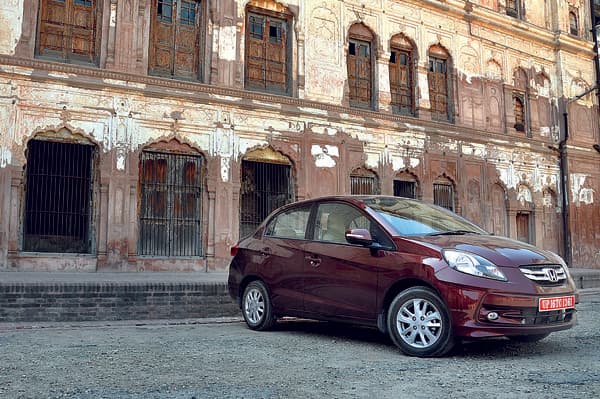
Perched along the Vindhya ranges at about 2,000 feet, Mandu, with its natural defenses, was originally the fort capital of the Parmar rulers of Malwa. Towards the end of the 13th century, it came under the sway of the Sultans of Malwa, the first of whom named it Shadiabad — ‘city of joy’. A majority of the standing monuments at Mandu were raised in the period of hardly 125 years, between AD 1401 and AD 1526. In this period, Mandu was under the Muslim rulers. This fortress town has 61 structures that have been declared as monuments of national importance by the Archaeological Survey of India.
You might not have the time, inclination or energy to explore each and every one of them, but here are a few that you must visit.

 Renuka Kirpalani
 Rishaad Sam Mehta