
Unless you’ve been living under a rock, and a really big one at that, you’ll be aware that ISRO’s Vikram lander has made a soft landing on the moon. The landing spot chosen is close to the unexplored lunar south pole, and what’s even more fascinating is that the Pragyan rover has successfully descended off the lander and will be exploring the surface of the moon for the next 14 days.
But what exactly is the Pragyan rover, and what makes it so different? Here are five fascinating details that are likely to leave you gobsmacked.
Chandrayaan 3 Pragyan rover: not much bigger than a shopping trolley
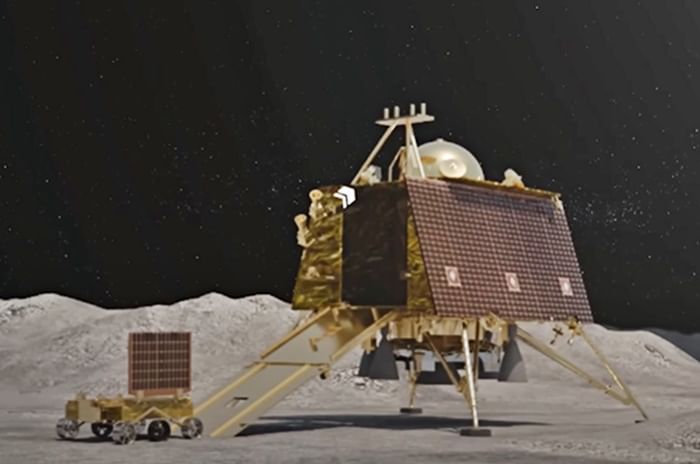
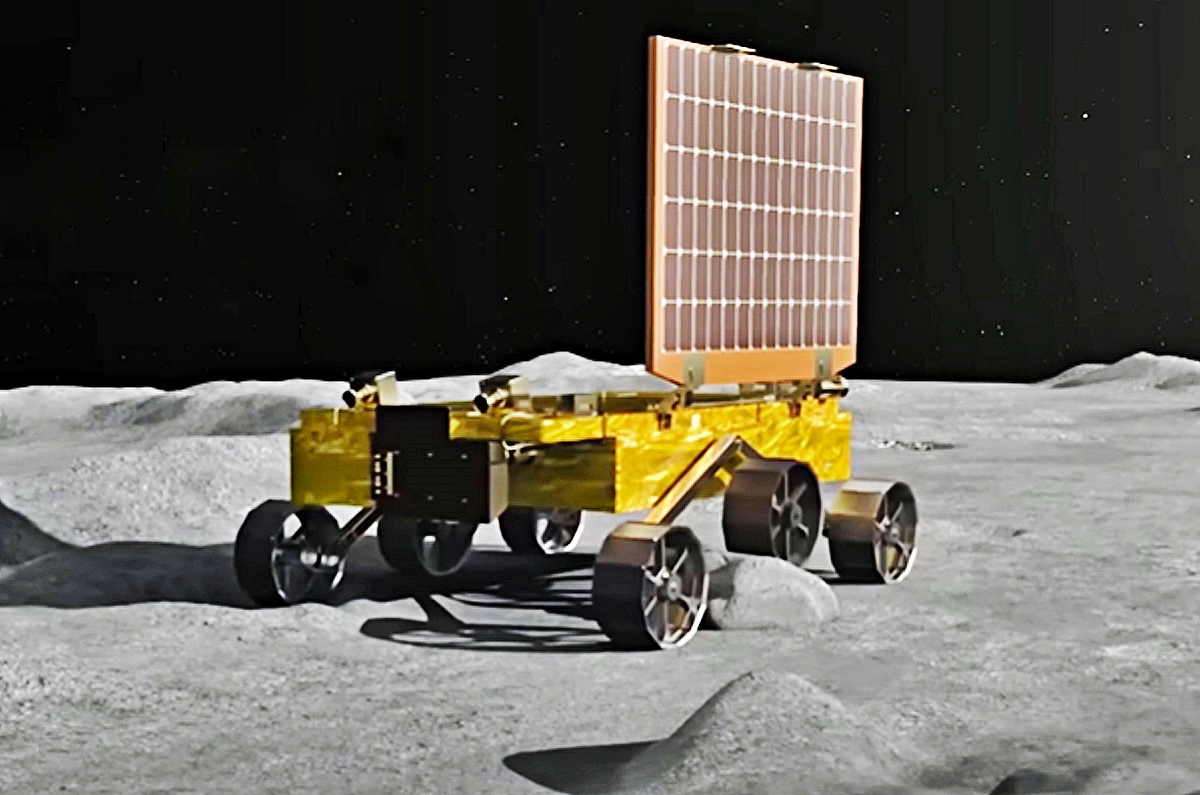
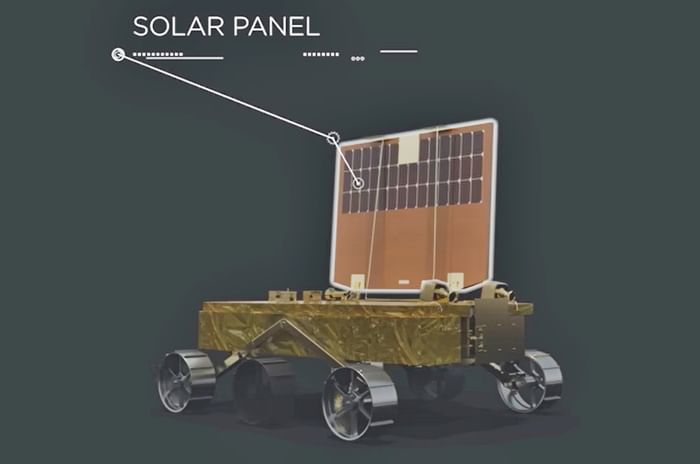
The Pragyan rover is small; much smaller than you’d expect. It weighs in at only 26kg. The rover has a rectangular chassis with a solar array hinged on one side and is around 36 inches long. It has a small battery that initially helps it deploy its solar array, but after that, all the power it makes comes through the solar panels. The solar array can generate only 50W of power. What works for it though is that the electric motor makes maximum torque as soon as the motor starts to turn.
Chandrayaan 3 Pragyan rover: moves at a glacial speed
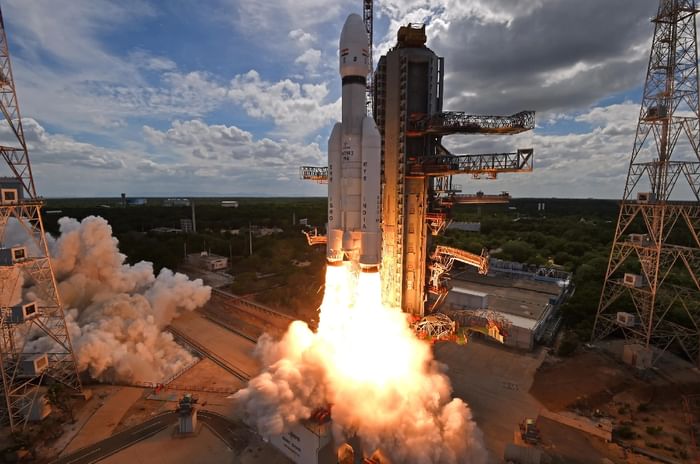
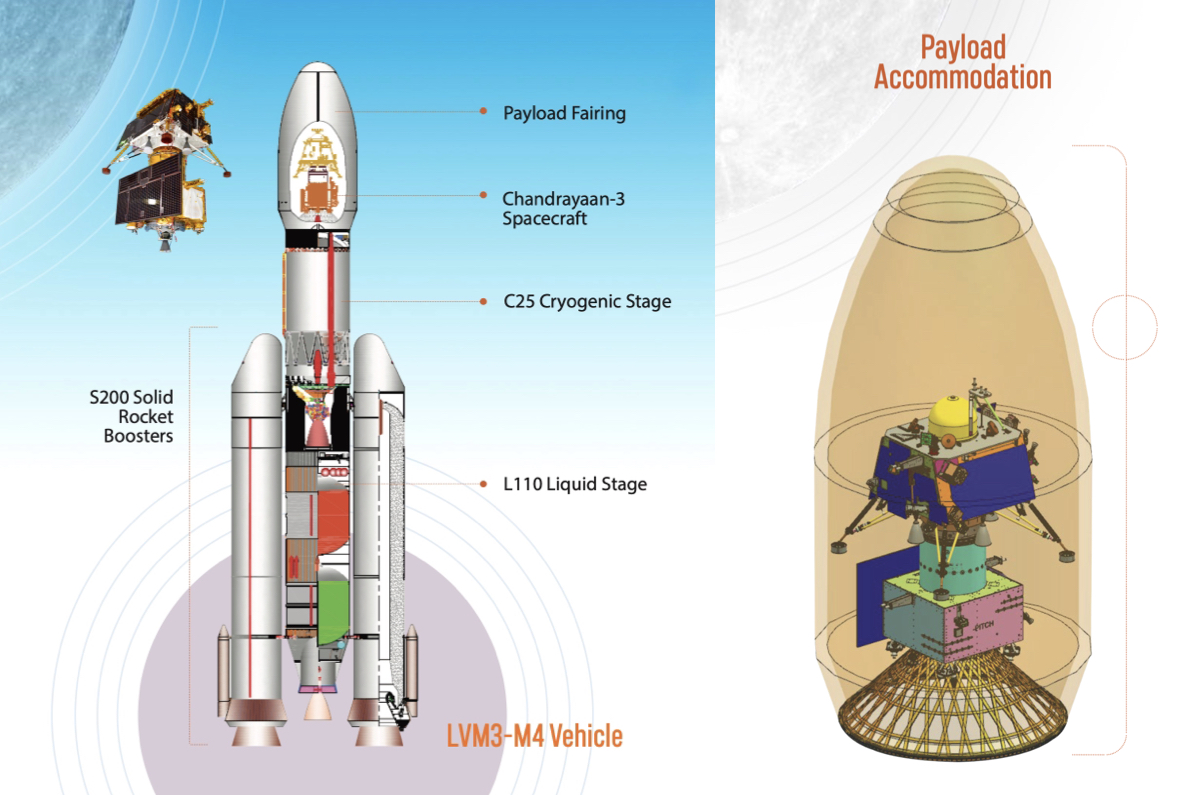
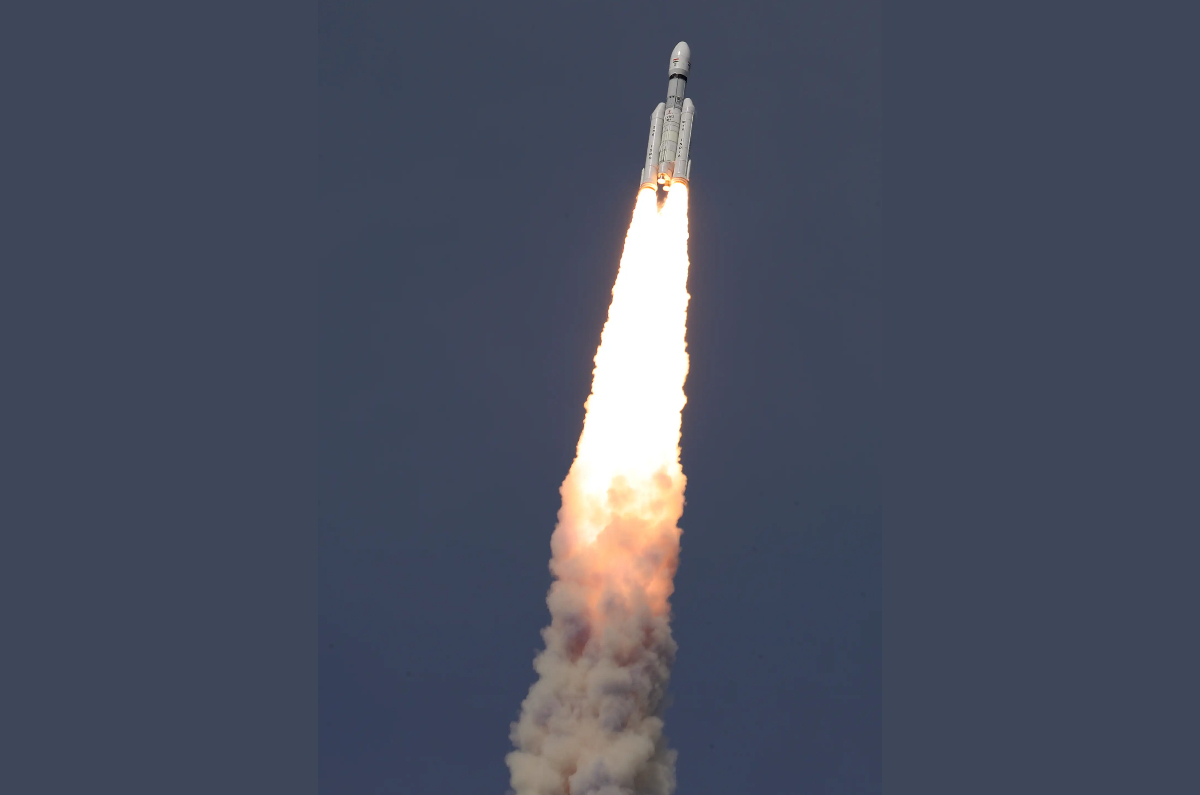
There are no speed limits on the moon, no speed cameras and no policemen. Despite this, the speed of the Pragyan rover is just one cm a second; for the record, that’s 0.036kph. Is that too slow? Probably, and that’s especially true if you are trying to get out of trouble, or are in a position where traction is limited and you need momentum to get unstuck. But solar power can only currently deliver so much useable power. In sharp contrast, the speed of the LVM3 rocket that carried Chandrayaan to the moon, is roughly Mach 30, or 30 times the speed of sound.
Chandrayaan 3 Pragyan rover: has ADAS… sort of
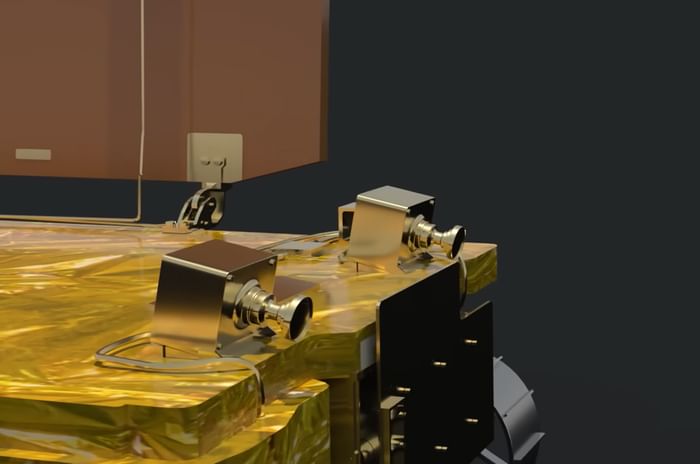
Just like many ADAS set-ups, Pragyan has a couple of ‘navigation’ cameras up front that help it ‘see’ what it has to drive over. Pragyan, however, is not fully autonomous. ISRO mission control can issue instructions from Earth, and that’s especially if it wants to make big course corrections or deploy any of the experimental sensors. Pragyan will not stray more than 500m from the lander as communications with Earth are routed through the Vikram lander.
Chandrayaan 3 Pragyan rover: unique rocker-bogie system
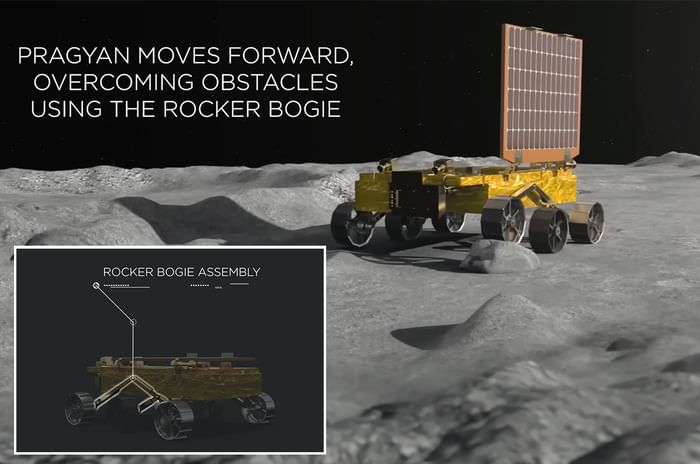
The moon’s surface is full of craters, large rocks and dips. This means the rover needs the suspension system of an extreme off-roader. The six-wheel rocker-bogie system that uses two ‘L’ shaped sections gives it a much-needed ‘leverage’ and the ability to clamber over rocks and sections that are higher than itself. Despite the fact that Pragyan is small, the rocker-bogie mechanism has a 50mm range of movement, where an individual wheel can move up or down without altering the attitude of the rover too much.
Chandrayaan 3 Pragyan rover: shelf life of just two weeks
Pragyan has a life of only 14 Earth days, or one lunar day. After this, it will follow 14 consecutive, 24-hour-long periods of night, during which Pragyan will brave the -230 degrees cold without power. ISRO scientists aren’t sure it will be able to survive the two weeks without sunlight or heat. However, there may be a small chance that when the sun rises next to the moon, Pragyan will heat up, and power up after a couple of days and get back to work. Fingers crossed.