autocar-logo
Delhi

Car warranties simplified

On paper, a car warranty is your best bet against big service and repair bills. In reality, however, there are loads of fine print.
2 min read19 Oct '16
Staff Writer

Every new car, irrespective of the make or model, is sold with a standard warranty. Most new car buyers expect the warranty to ensure peace of mind and a hassle-free ownership experience. The vehicle warranty does keep you safe from any expensive bills that may arise due to any manufacturing or material defect, but that’s only the big picture. 

The warranty is basically assumed to be a written assurance that a car’s parts will work as promised for a certain period. This, however, doesn’t exactly hold true. In reality, it’s a promise to fix or repair your car, or specifically, the parts covered under the warranty. And that, of course, is only if you fulfill certain ‘obligations’. But the warranty is quite complicated and full of legal jargon. So, to make it easier to digest, we’ve got answers to some frequently asked questions here that should help.

What is a standard new car warranty?

A new car warranty is a guarantee from the company that it will repair or replace, without any charge to the vehicle owner, any part (covered) that fails prematurely owing to a manufacturing defect. So, it is the most important document that you need when something goes wrong with your car. Although this sounds good on paper, all car owners must carefully read the small print to get an understanding of the actual parts that are covered by the manufacturer’s warranty. 

Car warranties simplified

What parts does it cover?

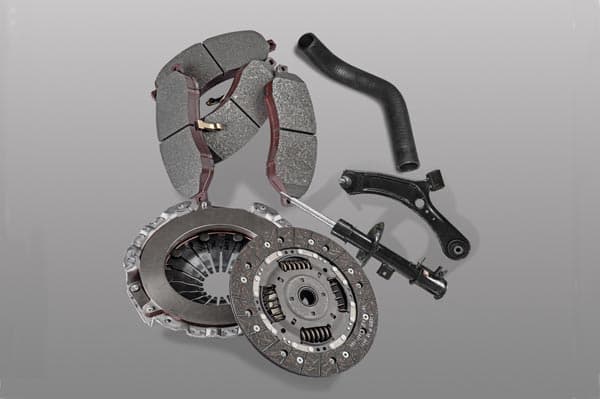
Usually, all new car warranties cover the mechanical and electrical components. However, certain parts that are prone to wear like brake pads, clutch and pressure plates, bulbs and parts made from rubber like pipes are exempt from warranty as they are cited to be exposed to regular wear and tear. It basically means that these parts could have worn out prematurely due to the harsh operating conditions (driving regularly in heavy traffic or humid climate) or bad driving habits (keeping the clutch engaged while the car is stationary in traffic) and not because of any manufacturing defect.

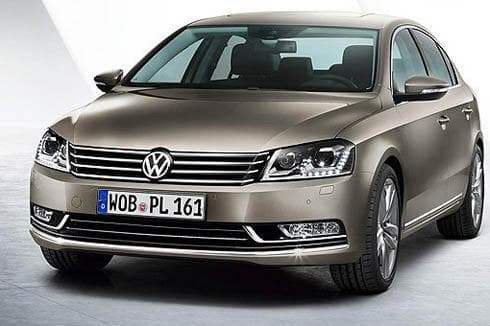
Auto Hold function in VW Passat

Does using the Auto Hold function on my diesel-automatic Passat overburden the gearbox?
1 min read18 Oct '16
Autocar India News Desk

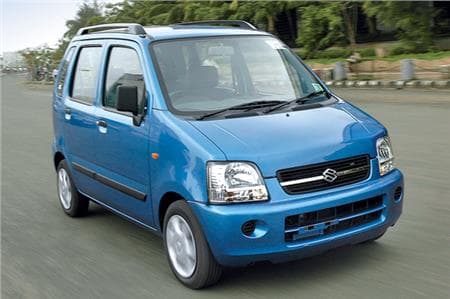
Suspension problem on Maruti WagonR

I get a strange thudding noise from the front left suspension when negotiating bumps even at low speed.
1 min read12 Oct '16
Autocar India News Desk

Big brother's watching

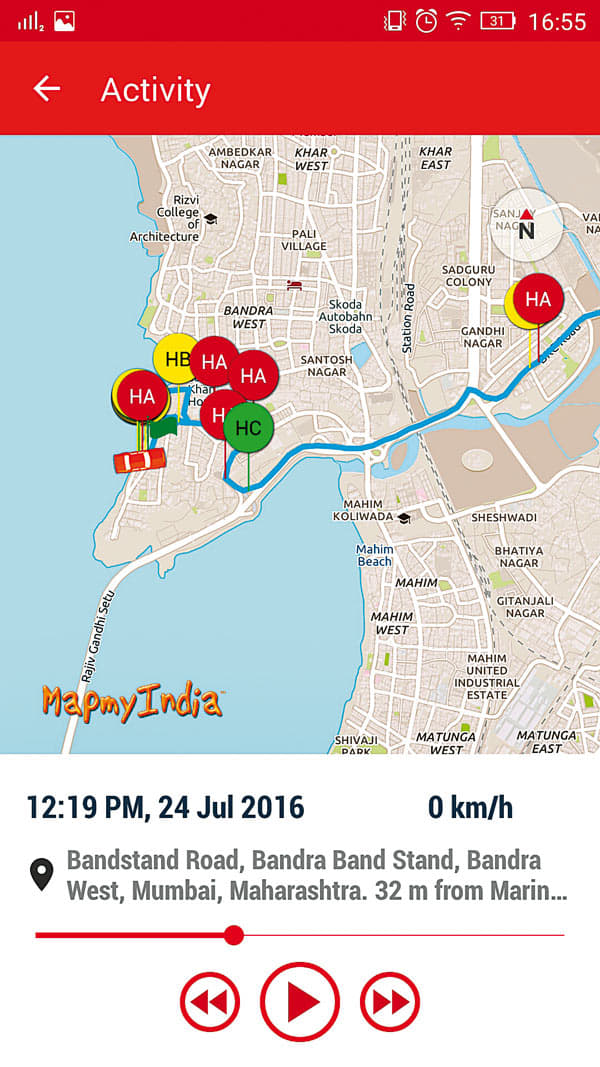
The new tracking device from MapmyIndia promises that your chauffeur will never be able to misuse your car without your knowledge. We test its credentials.
3 min read8 Oct '16
Saumil Shah

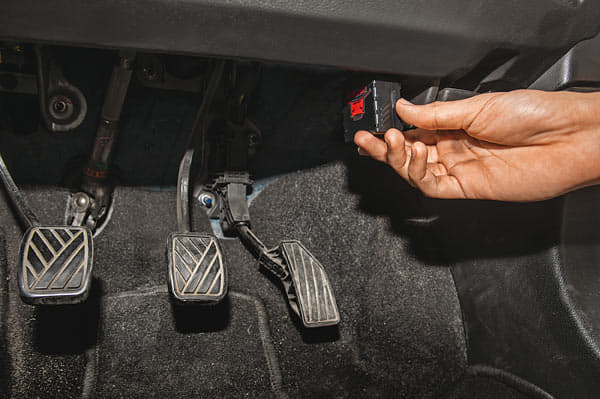
It’s as simple as plug-and-play in your car’s OBD port – there’s no wire-cutting or warranty issues.

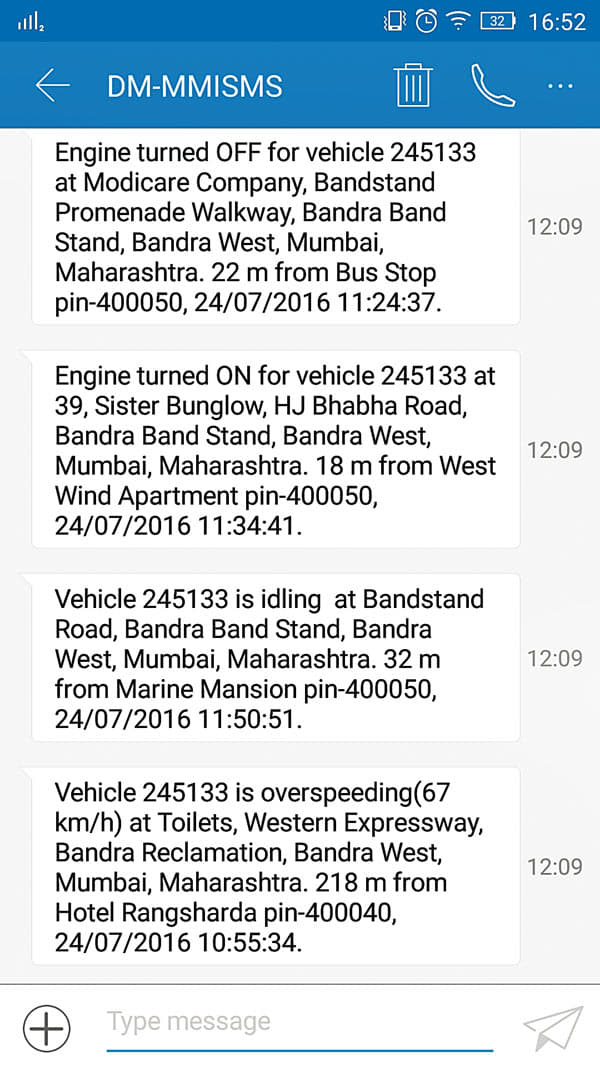
The notifications are incredibly detailed, with precise time and location stamps.

It’ll also record the entire history with route replay and green driving scenarios.

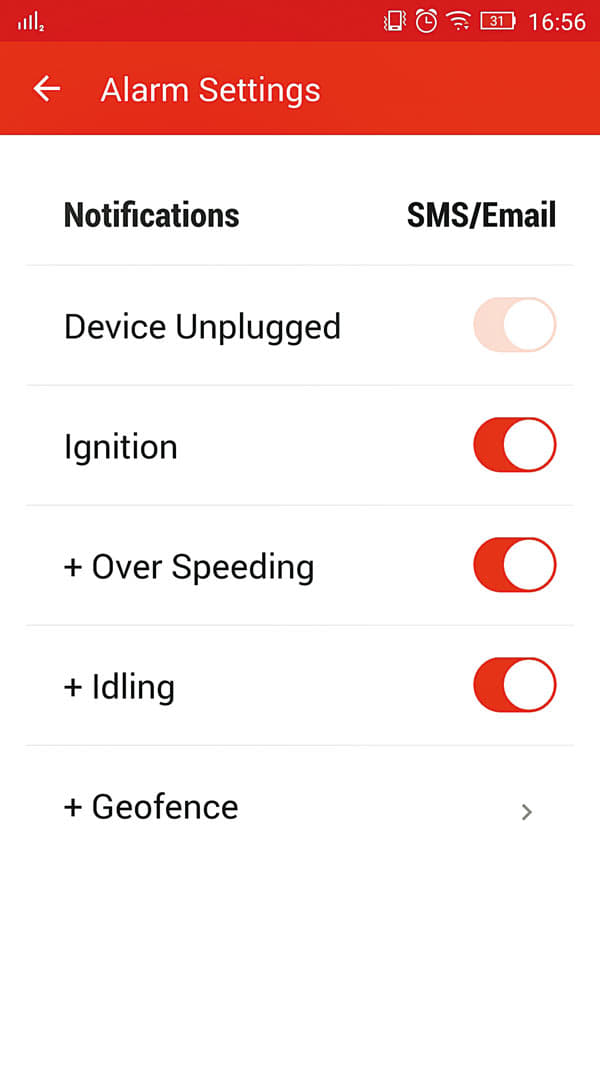
Preset your alert settings and you’ll receive notifications via SMS and email.

Driven by safety

Mercedes-Benz ‘Safe Roads’ campaign sheds lights on basic safety practices and trailblazing safety technologies.
2 min read30 Sep '16
Autocar India News Desk

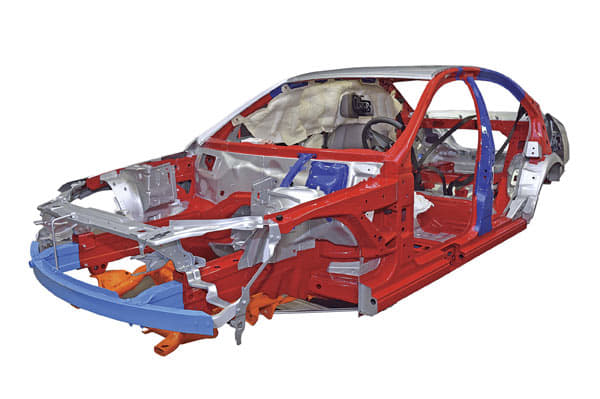
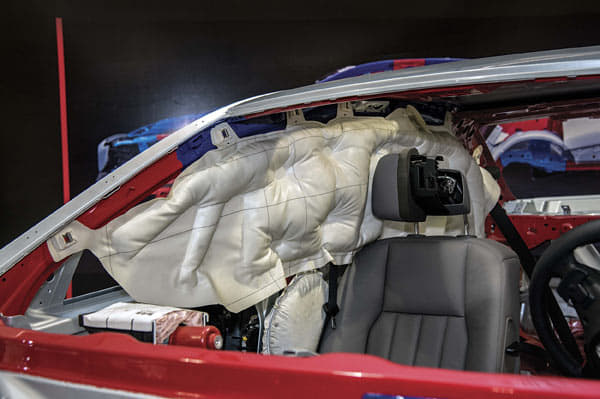
Body in White’ (BiW) exhibit shows the core elements of a car structure designed to absorb the energy during a crash and minimize passenger cabin intrusions.

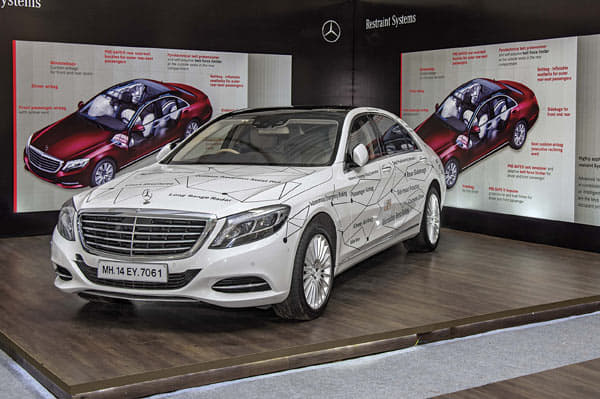
Mercedes-Benz S-Class S500 equipped with innovative technologies that give a glimpse of the future of safety.

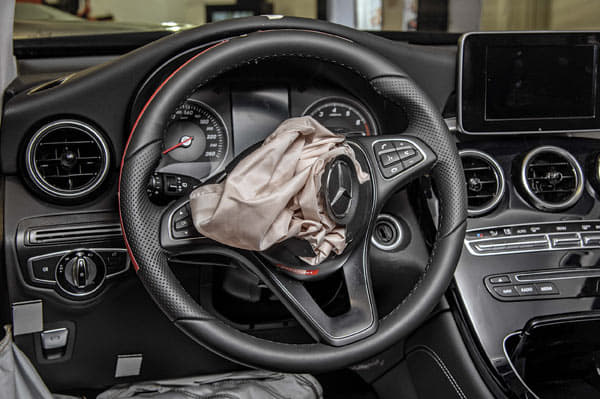
Visitors got to see and understand how technologies like airbags work.

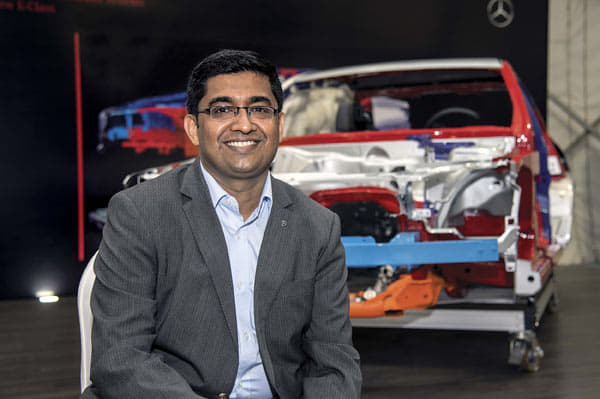
Manu Saale who heads research and development in India believes in safety first.

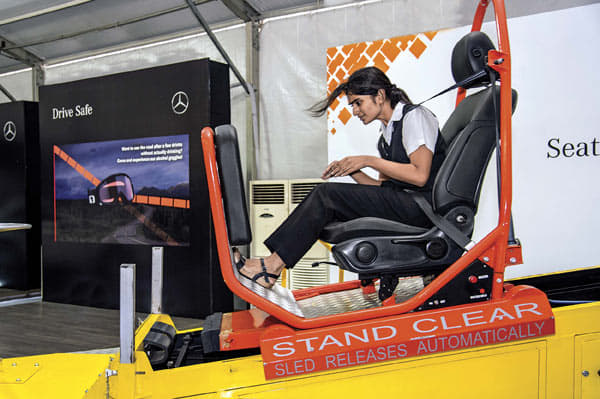
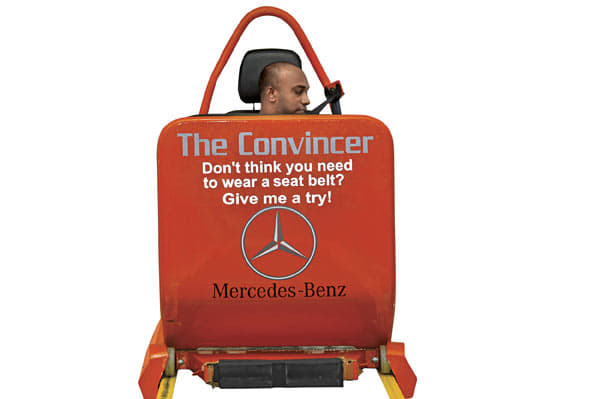
The most popular exhibit at the venue, it enabled visitors to experience the impact of seat belts in a simulated crash environment at low speed.

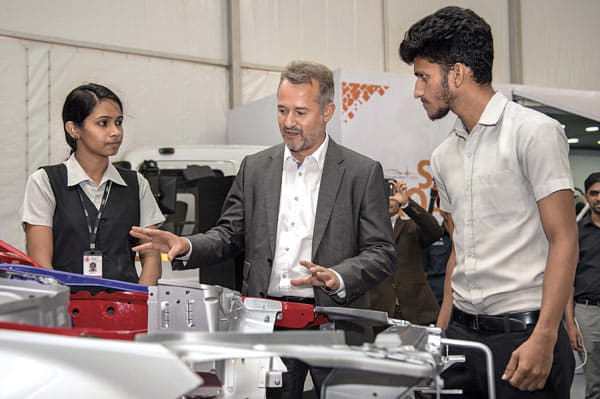
Jochen Feese, Head of Accident Research, Pedestrian Protection and Sensor Functions, Mercedes-Benz Cars, hoping to inspire the young ones.

To the Beatles Ashram with the Beetles

Shapur Kotwal & Joy Chaudhuri take a new Beetle and a ’70s classic up to the Beatles ashram in Rishikesh.
3 min read28 Sep '16
Shapur Kotwal

Lennon and Harrison stayed six weeks in the lush and serene environs of Rishikesh.

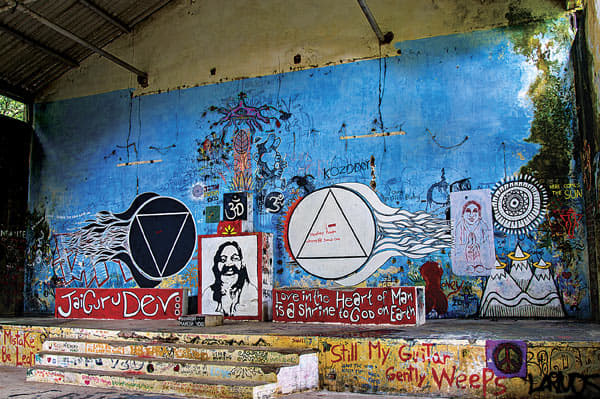
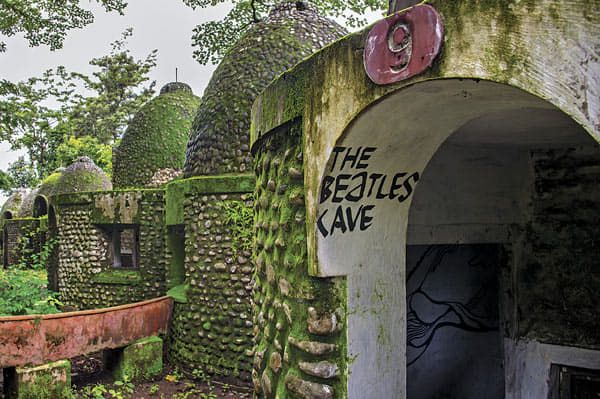
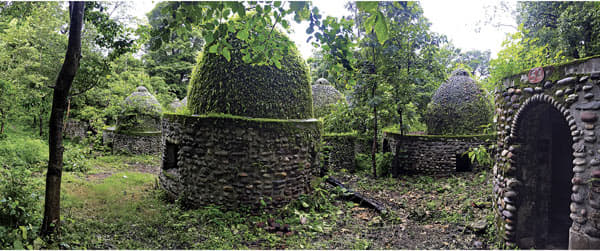
The jungle has taken back a lot, but some bits still remain.

Sometimes the art just makes you stop in your tracks

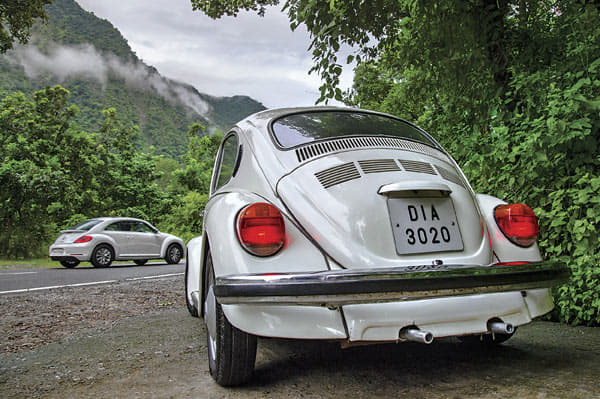
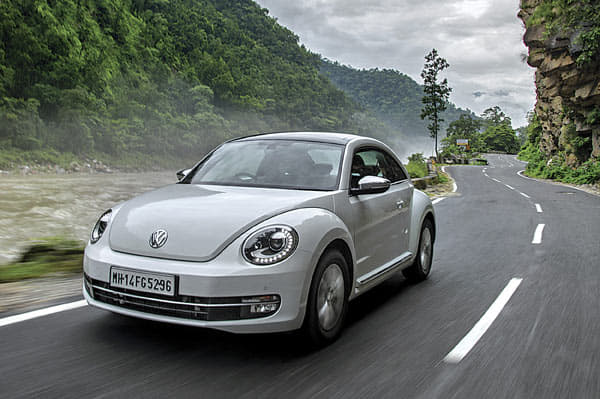
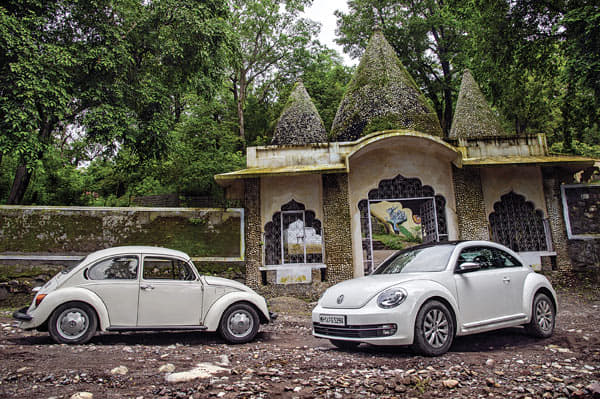
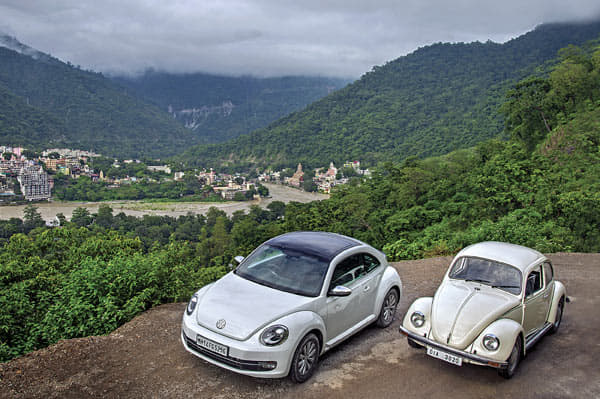
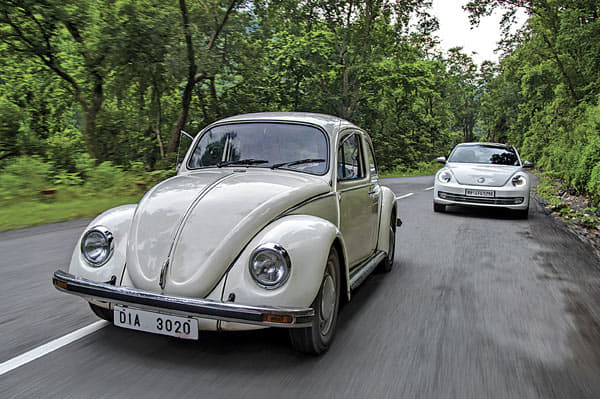
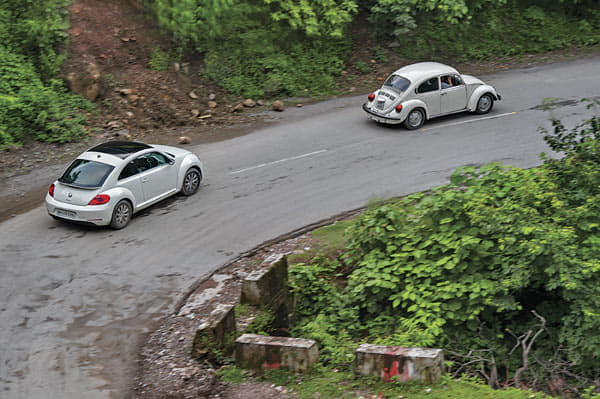
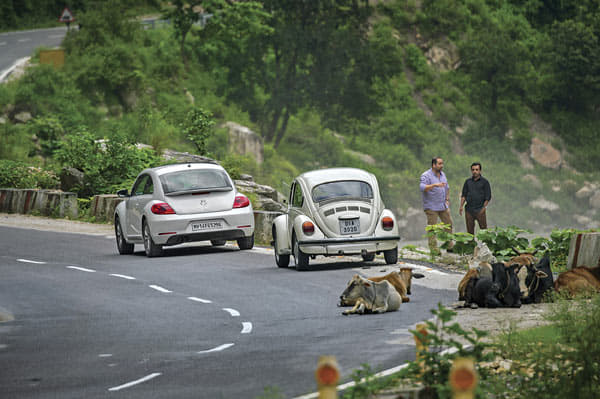
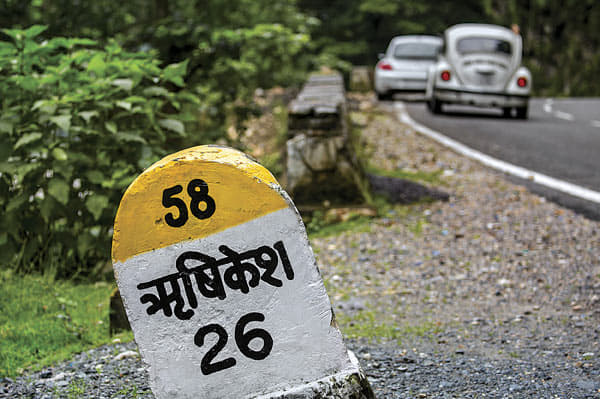
The two Beetles on the very road that the Beatles took nearly half a century ago to reach the Maharishi’s ashram .

The road to the ashram was well paved in sections only.

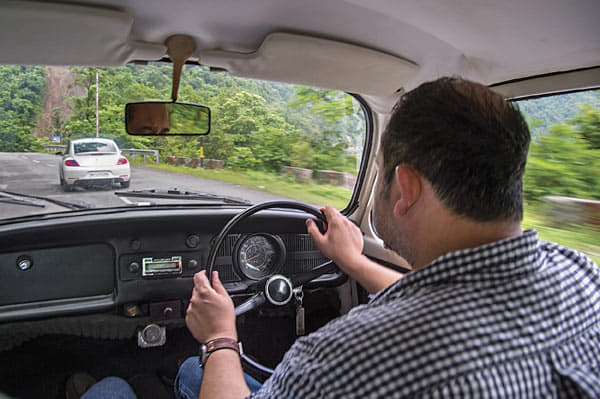
Driving the old Beetle is an aural as well as a physical experience.

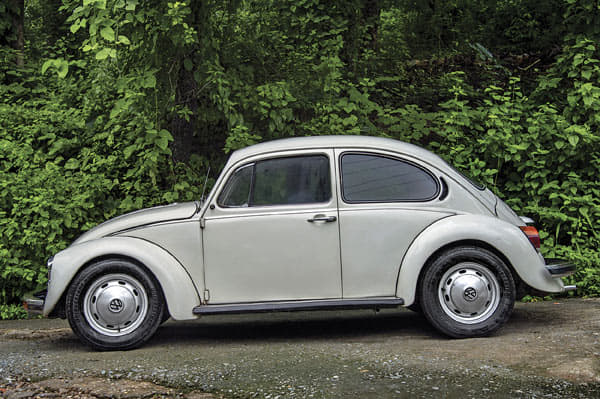
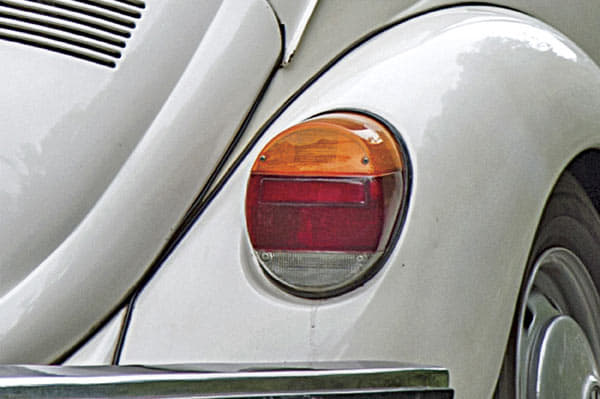
The classic’s fender is free-flowing, unlike the modern car’s that seems a bit abrupt.

It wasn’t until 1969 that VW used the name ‘Beetle’.

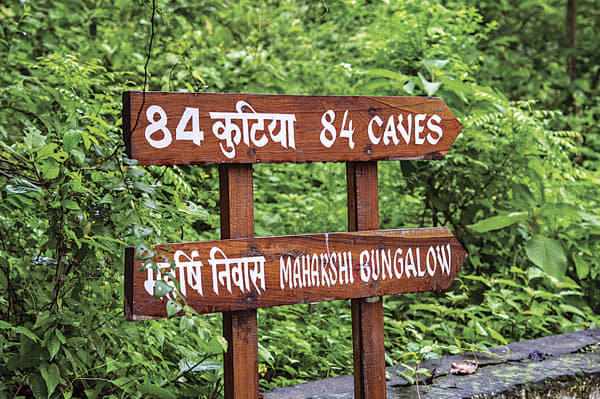
Getting directions here wasn’t easy, we had to just ask and be lucky; and we were.

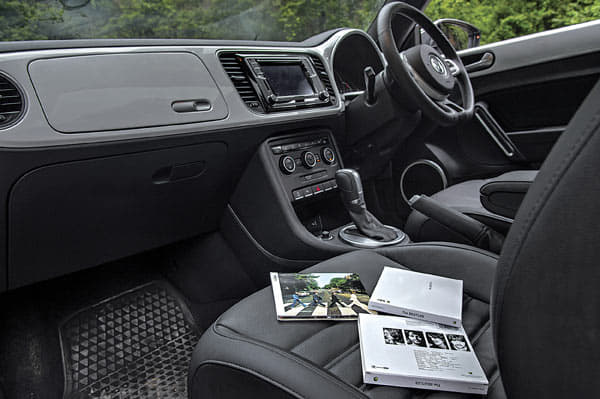
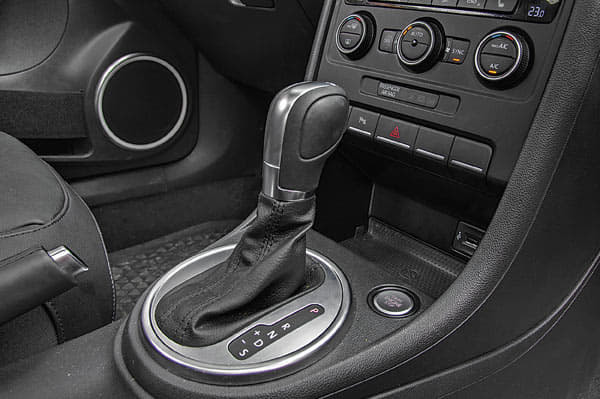
You can’t tell how many gears the DSG has.

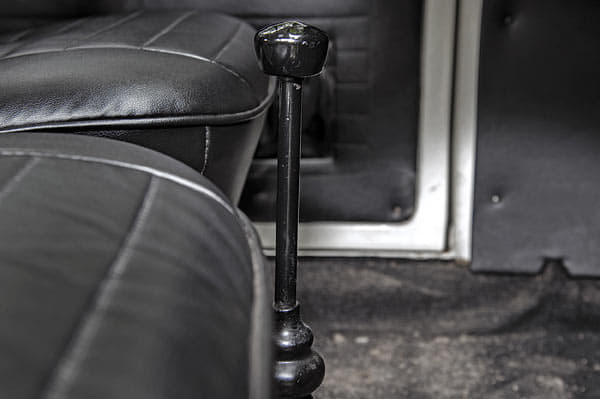
Four-speed manual is slick but noisy.

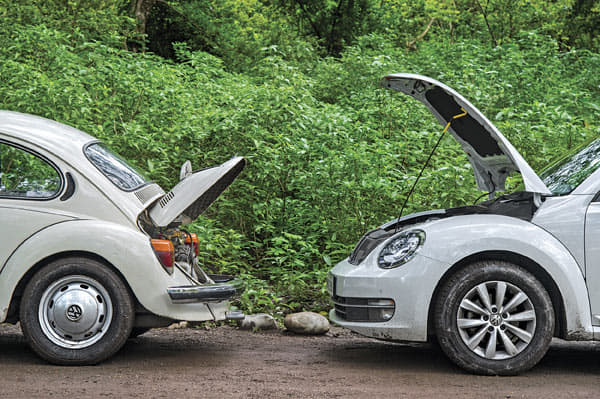
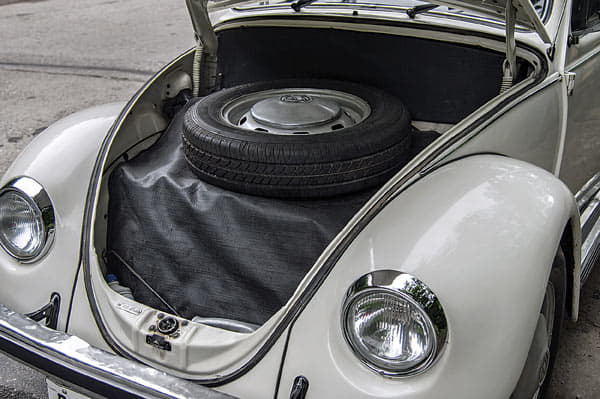
Luggage space isn’t great in the nose.

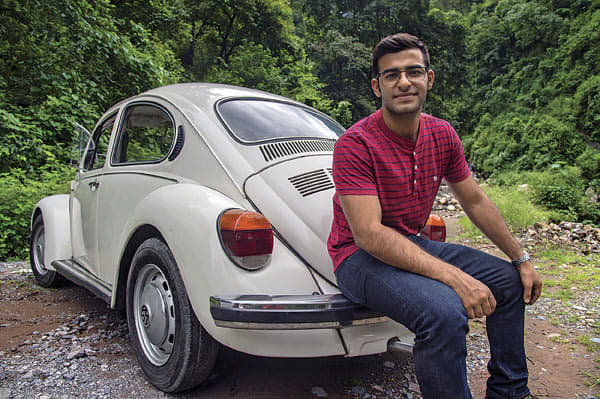
Samarth strikes a pose on his uncle Daksh’s car.

George’s classic ‘Here comes the Sun’ was written in this ashram.

The meditation huts or pods look straight out of a sci-fi movie.

Ropeways are sometimes the only way across the Ganga; check out the mist that forms over the cold river.

Car warranties simplified - Introduction | Autocar India