Dear Autocar Team, I currently own a Dzire diesel manual (2018) and now I am planning to buy a new car but I am very confused between Harrier EV Fearless Plus 75kwh and the XEV 9S Pack Two Above 79kwh. Although, I love diesel cars but since I live in Faridabad, my biggest concern is about increasing bans and restrictions on diesel cars. My main usage is on highways and bit within the city. I have clocked 1.3 lakh km on my Dzire in 8-9 years. I am getting the exact Harrier EV model for Rs. 22 lakh (on-road) whereas the XEV 9S will cost around Rs. 27-28 lakh (on-road) and that is my biggest confusion. Should I spend this additional amount on the XEV 9S for Harrier ev because I don't want any hassles as an since I plan to keep the car for the next several years.

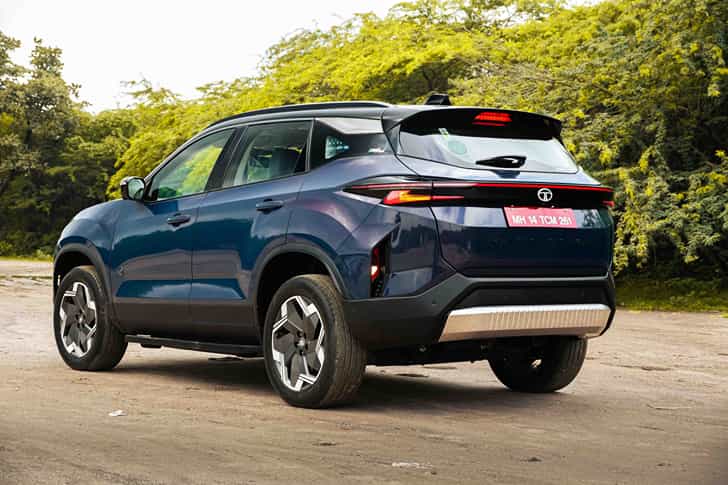
 Tata Harrier EVMahindra XEV 9S
Hi Autocar Team, I am planning to buy an electric vehicle for my daily commute of approximately 80 km in Hyderabad, with a budget of up to Rs. 20 lakh. My key priorities are spacious interiors, strong safety features, good build quality and overall reliability. Considering my daily usage, would opting for a Battery-as-a-Service (BaaS) model be financially beneficial in the long run? Please suggest suitable EV options that meet my requirements.
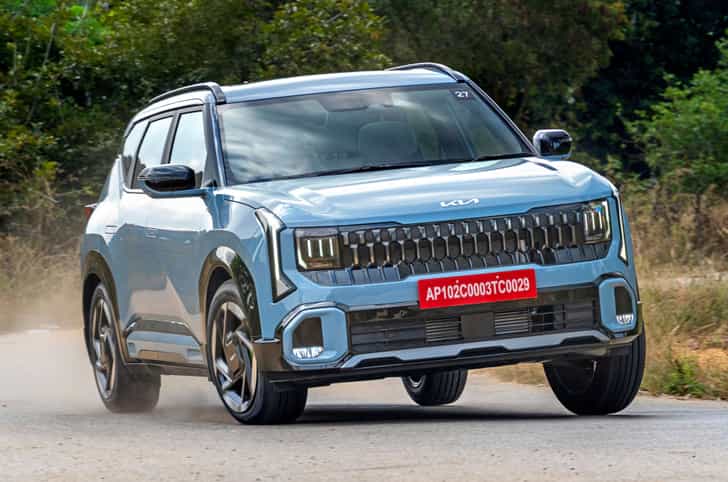
Kia Syros EVUpcoming launch buzz
Community discussions on upcoming launches
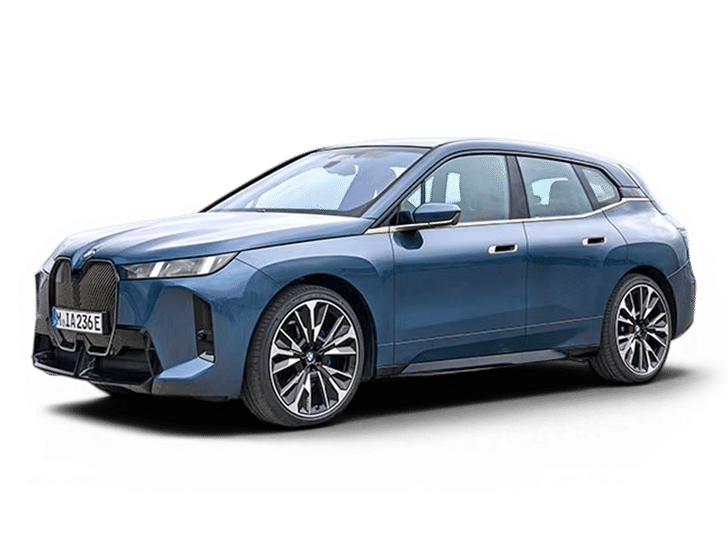
BMW
iX facelift
Audi
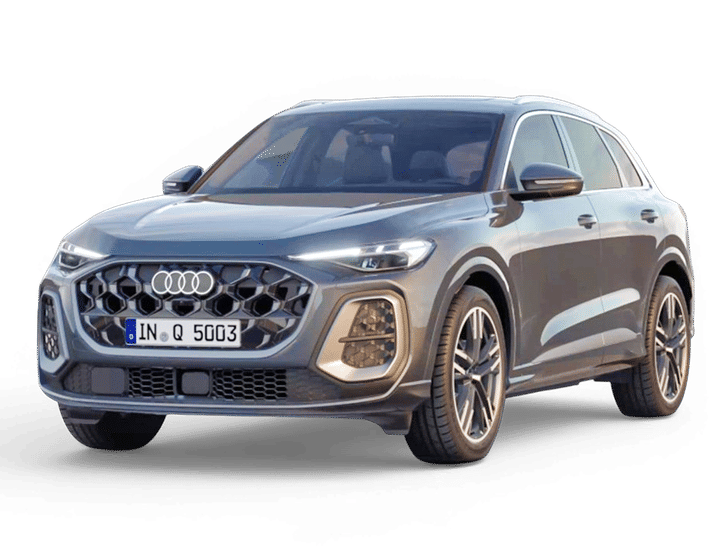
New Q5
Audi
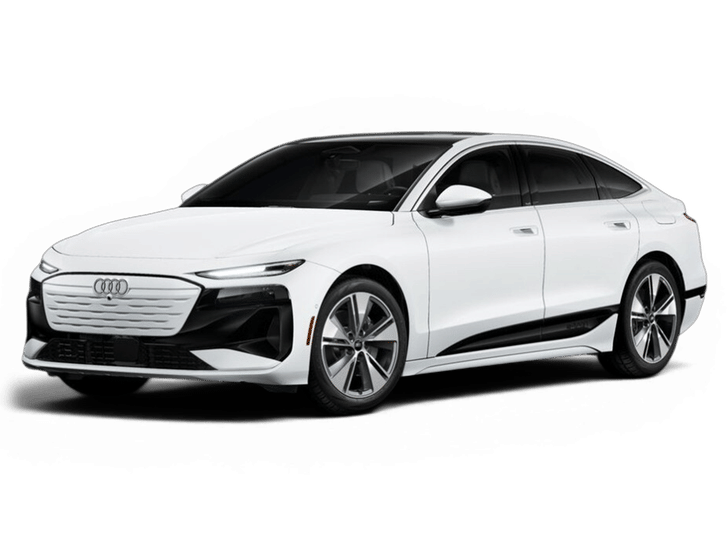
A6 e-tron
Audi
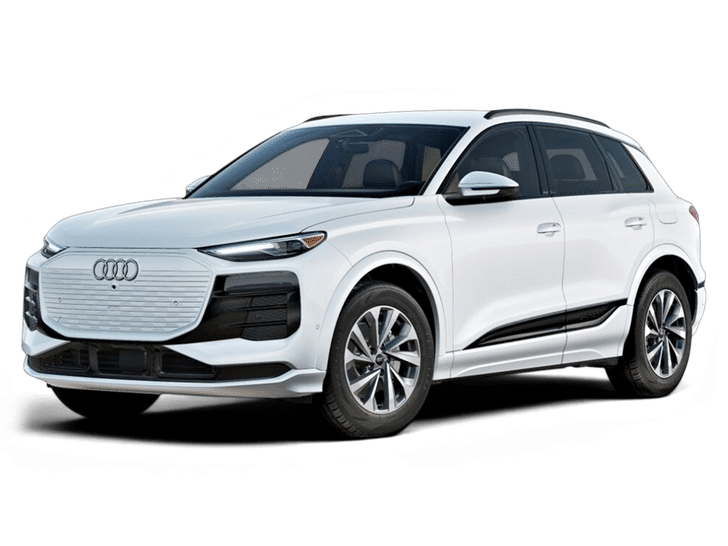
Q6 e-tron
Audi
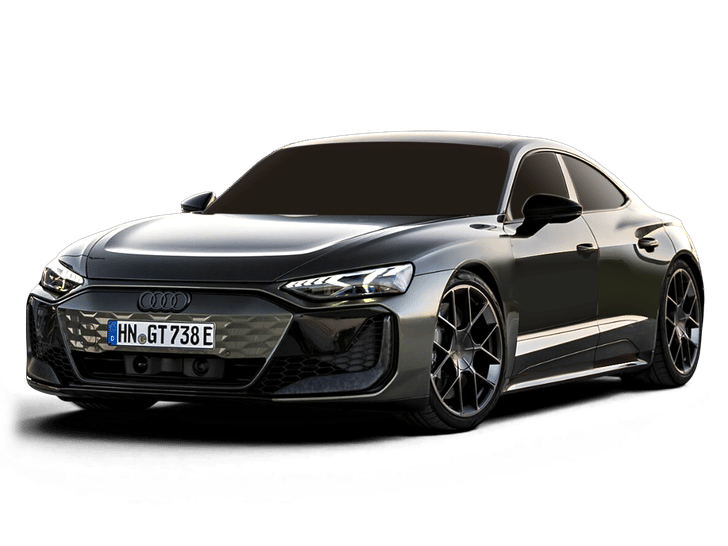
e-tron GT facelift
Volkswagen
Virtus facelift
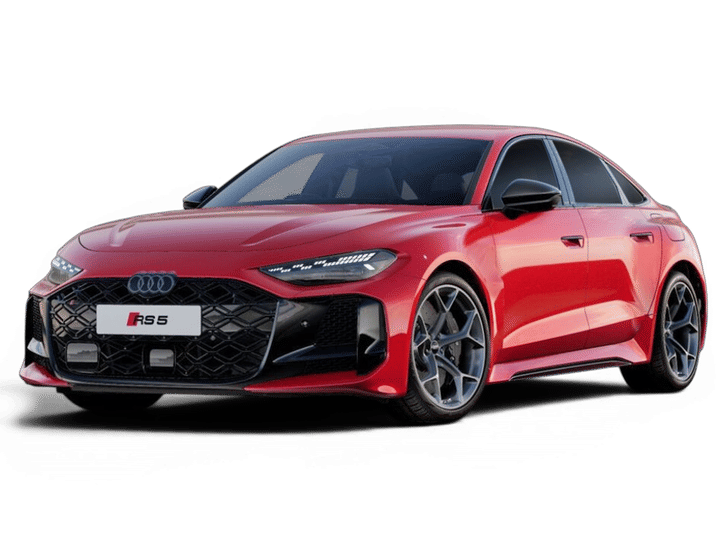
Audi
A5

Vinfast
VF5
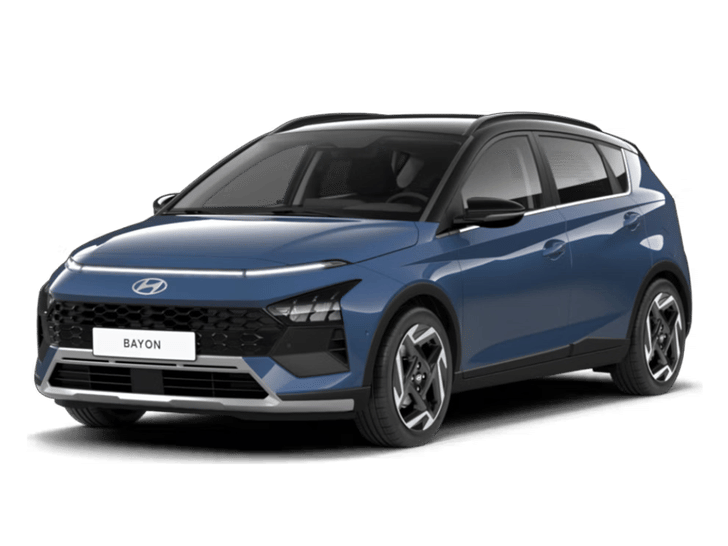
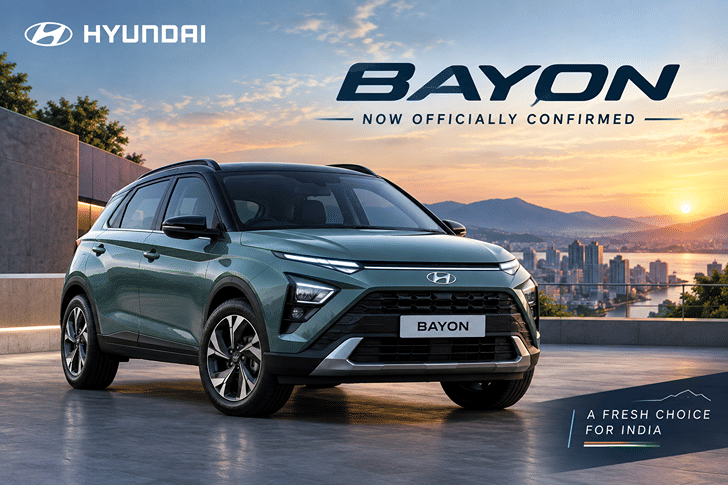
Hyundai
Bayon
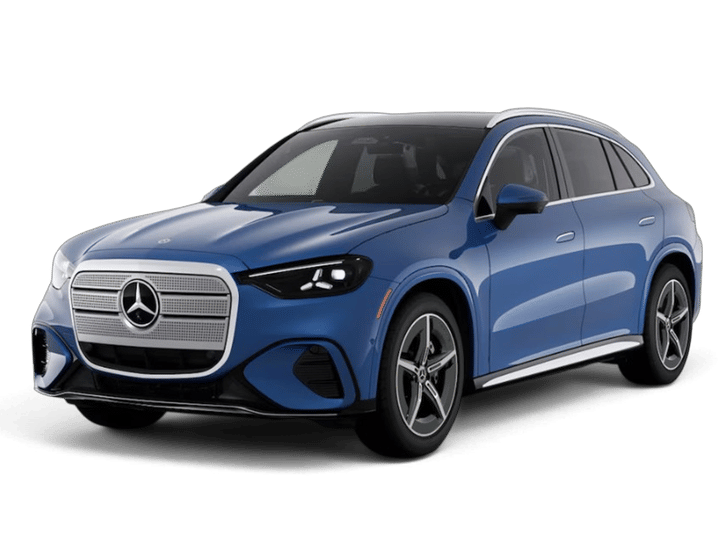
Mercedes-Benz GLC
Electric
Hi, I am planning to buy a car that can comfortably fit 5 people (2 people are 6 feet tall and 3 people are healthy). I mostly ride in the city (Mumbai and Goa) and occasionally I drive between the 2 cities. So, it is an average of 300-400km per month. I am happy to buy Dzire as well but I have heard that five people cannot fit in it. Can you please help me with a 5-star safety rated car that offer decent mileage with less maintenance. Considering the bad roads, I need a car with good clearance. It can be a compact SUV or SUV.
Maruti Suzuki BrezzaMaruti Suzuki DzireKia Seltos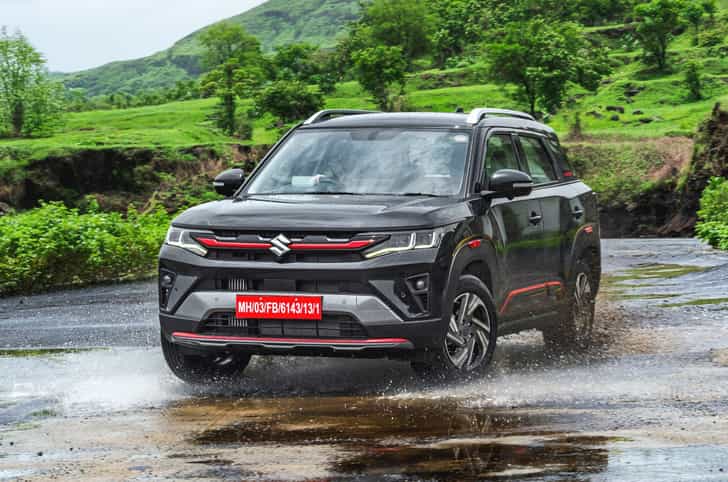
I am a 46 years old man based in Noida and have a family of 3. I’m planning to buy a car in a budget of Rs.15 - 20 lakh and have shortlisted Virtus and Slavia. Should I go for an earlier or 2026 cars that are being offered at Rs. 1 - 1.5 lakh discount. Should I wait for the facelift? I am worried if the 2026 version of Virtus still has the AC issue mentiond in some of the reviews. Should I spend an additional 2.5-3.5 lakh for the 1.5 engine? My driving involves 80% running within NCR and 20% outstation.
Volkswagen VirtusSkoda SlaviaI am planning to buy a hybrid car within 25 lakh for 80-100 km daily running mostly within the city. I am considering the Renault Duster Strong Hybrid, but I am not a big fan of its looks, and the rear seat space is not enough. I just want to know when is the Kia Seltos hybrid, Duster 7-seater and Bigster launching so that I can plan accordingly.
Renault DusterRenault BigsterKia Seltos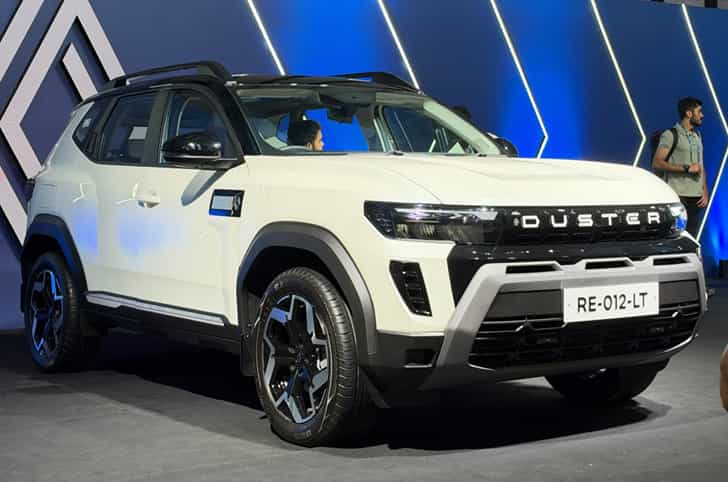
Please suggest a suitable automatic car for monthly running of 2000km which includes 20% city and 80% highway use in and around Shimla Hills. I am looking for a car within a budget of Rs. 9-14 lakh which should be driver friendly, convenient, reliable and comfortable with a 2nd row and ample boot space. I plan to retain it for at least 10-12 years.
Mahindra XUV 3XOKia SonetHyundai Venue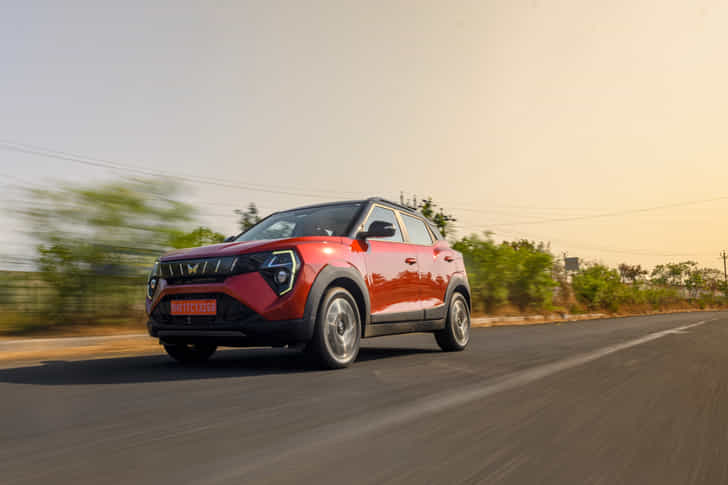
I am planning to buy a new car. My daily commute is around 40 km in Hyderabad city, and I drive approximately 500 km (one way) on the highway once a month. My budget is around Rs. 25 lakh. I am looking for a reliable petrol/electric car with good mileage and low maintenance cost. I am also confused whether I should consider an electric car or not. Please suggest the best options for my usage.
Maruti Suzuki VictorisI am planning to buy a car with a budget of up to Rs. 30 lakh, and I’m honestly quite confused about whether to go for an electric or petrol/diesel (ICE) car. Even within ICE, I’m not sure whether buying a diesel car still makes sense today. Running cost matters as I drive around 1,500 km a month. I rarely need 7 seats, but it I do need it occasionally. Safety is a big priority for me. We’re now planning long family drives with the kids, such as Jaipur to Mumbai or Goa. Which models would you recommend?
Mahindra XEV 9S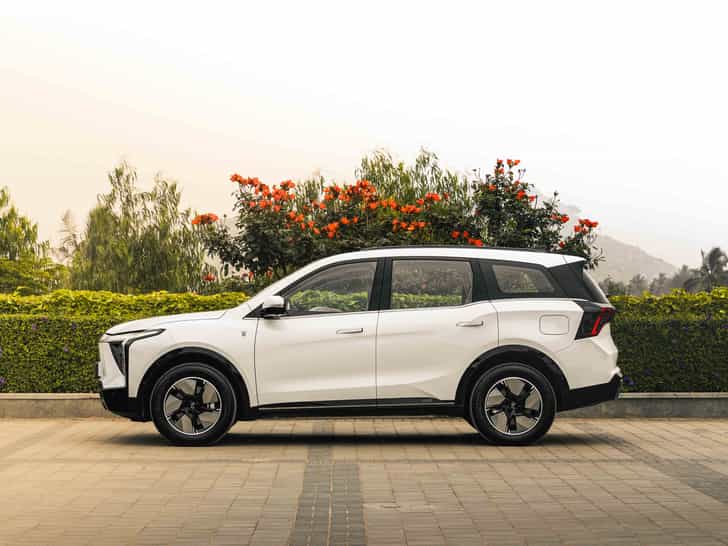
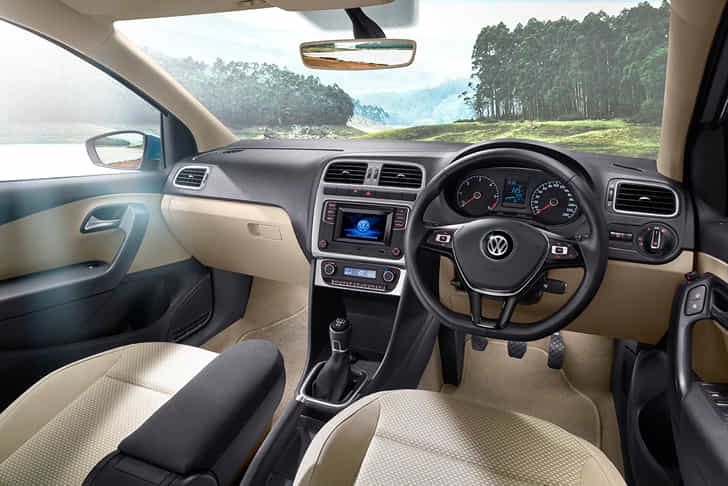
Hi, I am Akshay and I currently drive a 2019 Fiat Punto Abarth. I'm hooked on the thrill it offers while driving. I also really appreciate how it stands out from the crowd, with people turning around to take a look at the car. I'm not too concerned about the fuel economy. I have my eye on the Škoda Octavia RS if it becomes available. Which other cars can offer a similar driving experience for a similar or slightly lower budget? I have no preference among a hatchback, sedan, SUV, or crossover.
Skoda Octavia RSMini CountrymanMini Cooper ConvertibleBMW 3 SeriesMercedes-Benz GLA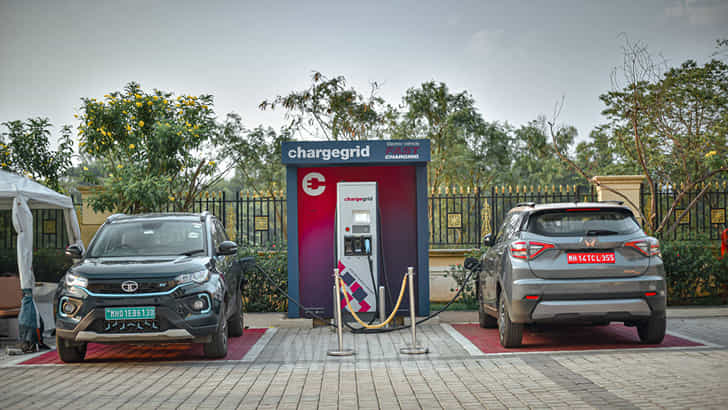
Hi Autocar Team, I am planning to buy a new car, with monthly usage of around 500 km in the city for office commuting and 0-1,000 km on the highway, depending on our holiday plans. We liked the new Kia Seltos HTK (Optional) and want to go for an automatic. However, we are confused about which powertrain to choose: diesel automatic, turbo-petrol DCT or naturally aspirated (NA) petrol IVT. We currently own a BS4 diesel Maruti Suzuki Swift in our hometown, so we would love a car that offers an exciting driving experience. However, we are concerned about potential DPF issues with BS6 Phase 2 diesel engines, especially with predominantly city driving. We are also worried about possible overheating issues with the turbo-petrol DCT in heavy traffic, while the NA petrol IVT did not feel particularly exciting to drive. Which powertrain would you recommend for our usage and driving preferences, given a budget of around Rs. 20 lakh? Thanks in advance!
Kia Seltos