Latest questions answered by experts
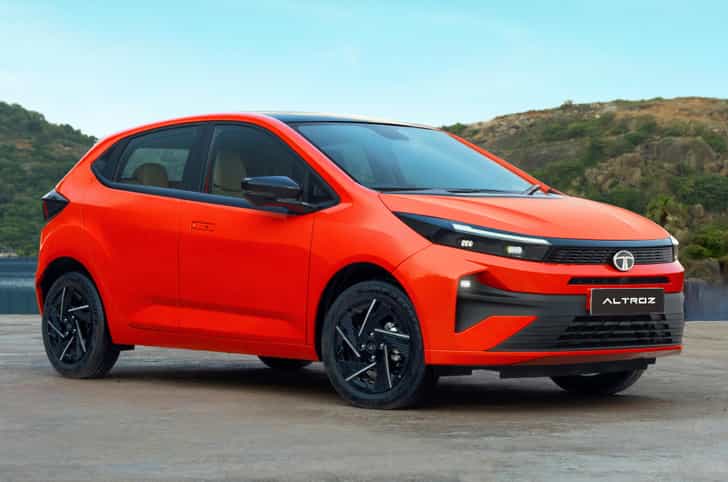
I currently own a Tata Altroz Turbo Petrol Manual and am considering upgrading to a new car. My key requirements are budget up to Rs. 13 lakh on-road with automatic transmission. Good ground clearance is a high priority. My annual running is around 10,000 km with 70% highway and 30% city usage. I currently own Tata Altroz Turbo Petrol Manual. I’m looking for a meaningful upgrade from the Altroz, particularly in terms of highway comfort, automatic transmission, ride quality, ground clearance and overall ownership experience. Please suggest the best options within my budget and explain the key trade-offs between them.
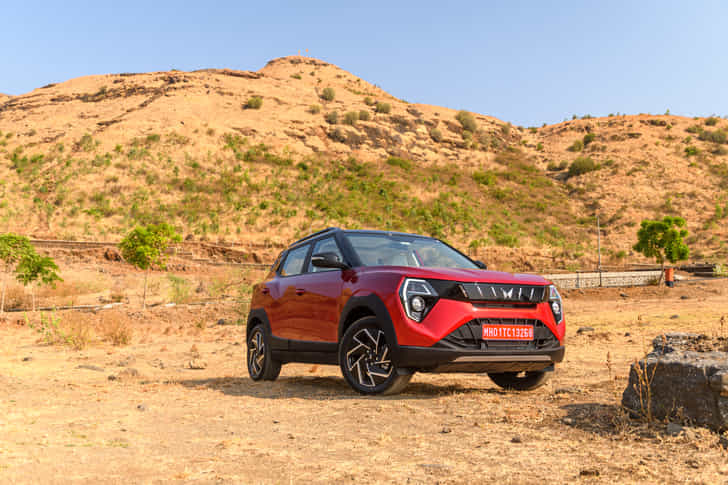
With a Rs. 13 lakh on-road budget, automatic transmission, good ground clearance and 70% highway usage, the Mahindra XUV 3XO petrol automatic is the best fit. It offers a proper torque converter automatic, strong highway performance, good ground clearance and a comfortable ride, making it a meaningful upgrade over the Altroz Turbo Petrol. The wide cabin also makes it a comfortable five-seater for long journeys.The key trade-off is the boot space, which is one of the smallest in the segment. If luggage capacity is a priority, the Maruti Suzuki Brezza automatic is the better alternative. It offers a reliable ownership experience, good ground clearance and a comfortable ride, but the engine is less powerful and the overall driving experience is not as engaging as the 3XO.Overall, the 3XO strikes the best balance between highway comfort, performance, ground clearance and value within your budget. If boot space is a deal-breaker, go for the Brezza instead.
Hello, I currently own a 2016 Maruti Suzuki Baleno and am planning to buy an SUV-type car. My annual running is around 8,000-10,000 km, mostly on highways. My budget is up to Rs 15 lakh, although I can increase it if there is a significantly better option available. I can also wait for a few months if more suitable options are expected. I would preferably like to buy from traditional Indian car manufacturers. Which SUV would you recommend?
With 8,000-10,000 km a year and mostly highway driving, a diesel SUV makes the most sense. The Mahindra XUV 3XO diesel is the best fit here. It is a genuinely good highway car with strong performance, good stability and a comfortable ride. The diesel engine is fairly efficient and well suited to long-distance driving, and Mahindra’s service reach is strong. The 3XO is also one of the most spacious compact SUVs, with a wide rear seat that makes it a comfortable five-seater.If you are willing to stretch your budget, the Kia Seltos diesel is worth considering. It is a larger SUV with a more premium cabin and better long-distance comfort. It is the better car overall, but it comes at a slightly higher price.
Hi, I am facing a persistent gear-shifting issue with my Mahindra XUV 3XO manual transmission, specifically when shifting between 1st and 2nd gear. When shifting between 1st and 2nd, both while upshifting and downshifting, the gear lever feels momentarily stuck or hitched before moving into place. I can also feel a slight downward movement or pull from the base of the gear shifter inside the cabin when shifting from 1st to 2nd. All higher gears, from 3rd to 6th, shift smoothly without any resistance. During the first service, the service centre adjusted the shift cables under the bonnet, but the problem has persisted. I am now taking the car in for its 20,000km service. What could be causing this issue, and what should I specifically ask the service advisor to inspect?
The issue you are describing on your Mahindra XUV 3XO manual, a momentary hitch or resistance when shifting between 1st and 2nd, while other shifts are fine, does seem to indicate a cable issue, rather than a clutch or gearbox-wide issue. Since the problem has not gone away with the cable adjustment, ask the center to replace the cables and associated shift-gate mechanisms like the bushes. Only accept the car if the problem is entirely cured. Your car is under warranty, so you should get any issues resolved early; left unattended, they could worsen.Ask the service center to also check the gearbox mounting, and if the issue persists after all this, ask them to inspect the 1st-2nd gear synchroniser. But this would mean a larger job involving opening of the gearbox. The key though is to focus the diagnosis and cure the issue soon rather than just repeated cable adjustments.
I am looking to buy my first car and am confused between the Mahindra XUV 3XO AX5L and Honda Elevate V CVT. I would appreciate some advice. I am 6 ft 2 in tall, while my wife is 5 ft 3 in. Neither of us has much driving experience apart from driving school and occasional driving, so a 360-degree camera would be very useful. My budget is Rs 14.5 lakh on-road under the BH series, which is already stretched by around Rs 2 lakh. I am looking for an automatic with good safety, a reliable engine and reasonable service costs. I do not want a sunroof, as the additional headroom would be more useful. My annual running will be around 3,000-5,000 km, with 60% city and 40% highway use. I plan to keep the car for around 15 years. My main considerations are: Mahindra XUV 3XO AX5L * I need to keep the seat almost at its lowest setting, although it slides back sufficiently. * The 360-degree camera is a major advantage. * My main concern is long-term reliability. How well will the turbo-petrol engine and torque converter automatic combination age over 15 years? Honda Elevate V CVT * I also need to keep the seat almost at its lowest setting, but it does not slide back as much as the 3XO's. * The 360-degree camera will be dealer-installed. * The naturally aspirated engine and CVT combination give me more confidence regarding long-term reliability. As I have limited driving experience, it is difficult for me to judge from a short test drive whether either seating position could cause fatigue during occasional 300-400 km journeys. For my usage, which would you choose: the XUV 3XO AX5L or the Elevate V CVT?
Go for the Honda Elevate V CVT. Your usage is low (3,000–5,000km a year), with a 60% city bias and a 15-year ownership plan, so reliability and ease of ownership matter more than outright performance. The Elevate’s naturally aspirated petrol engine paired with the CVT is a proven, simple and dependable combination that should age well over a long ownership period. It is also smoother in stop-start city traffic, which is where you will spend most of your time.The XUV 3XO AX5L is the better value package on paper, with more features and a stronger turbo-petrol engine paired with a torque converter automatic. However, turbocharged engines are inherently more complex, and the Honda still feels like the safer long-term bet for a 15-year ownership horizon.On the seating position, the Elevate’s cabin is slightly more accommodating for taller drivers, as it is a larger car than the Mahindra XUV 3XO. Even though the seat does not slide back as much as the 3XO’s, you will find more room inside the Elevate. The only way of really knowing if either car will cause fatigue on longer journeys is to take an extended test drive. Perhaps even rent one for the weekend if you must.The Elevate's dealer-installed 360-degree camera will not have the highest resolution, but it will do the job. Overall, the Honda car is the more sensible and confidence-inspiring choice for your use case.
I’m planning to buy my first car and have a budget of around Rs 13-15 lakh ex-showroom. I also plan to register it under the BH series. Safety is my top priority, and I strongly prefer a car with a 5-star safety rating, preferably from Global NCAP. An automatic transmission is a must. The car will mainly be used for weekend family trips and highway drives rather than daily commuting. Since it will be a family car, I want something classy and elegant, with good comfort and a premium-looking interior. Leather or leatherette upholstery and ventilated seats would be nice to have, though neither is essential. At the same time, I do not want a car focused solely on comfort. I enjoy driving and would like something with a good engine, enjoyable handling and a fun-to-drive character. Good rear-seat comfort and reasonable luggage space for family trips are also important. In short, I am looking for a safe, automatic, classy and comfortable family car that is also enjoyable to drive, within Rs 13-15 lakh ex-showroom. What would you recommend?
Based on your requirements, the Kushaq 1.0 TSI automatic is the best fit. It strikes the right balance between safety, driving enjoyment and family comfort. The Skoda Kushaq has a 5-star Global NCAP rating, which addresses your top priority. The 1.0 TSI engine is punchy, and the 8-speed torque converter automatic is smooth and reliable, making it enjoyable on highways and easy to live with. This Skoda car also has a premium interior with a classy design, good rear-seat comfort and a decent boot for family trips. It is not the most spacious car in the segment, but it is adequate for a family of four and the driving experience more than makes up for it.At your budget, you will get a lower-trim model, but it will have all the basics. We would, however, recommend you increase your budget slightly; if not, you can opt for the Mahindra XUV 3XO automatic, which is a good alternative. It is one of the most spacious compact SUVs, has a 5-star safety rating and is also enjoyable to drive. The only drawback is that the boot is smaller than the Kushaq's.Overall, the Skoda Kushaq 1.0 TSI automatic is the best all-rounder for your requirements. It is safe, classy, comfortable and genuinely enjoyable to drive.
Hi Expert, I have a first-generation Hyundai Venue, which is my first car. I want to know how to remove a Fevikwik stain from the dashboard. Please help me out.
Fevikwik is a cyanoacrylate adhesive, and once it bonds to plastic, it can be very difficult to remove without damaging the surface. The most important thing is to avoid using strong solvents like acetone or nail polish remover, as these can permanently damage the dashboard material.The safest approach is to try to soften the glue rather than dissolve it. Start by soaking a soft cloth in warm, soapy water and placing it over the stain for 10-15 minutes. This can sometimes help loosen the bond slightly. Then, very gently try to lift the edge of the glue with a fingernail or a plastic card. Do not scrape aggressively, as this will damage the dashboard.If that does not work, you can try a small amount of petroleum jelly (Vaseline) or a few drops of cooking oil on a cotton bud, gently rubbing the glue in a circular motion. Wipe clean with a damp cloth afterwards. This can sometimes help break down the glue without harming the plastic.If the stain is in a very visible area and none of these methods work, it may be worth consulting a professional detailer. They have access to specialist products and techniques that are safer for automotive plastics.The key is to be patient and gentle. Aggressive solvents or scraping will do more harm than good.
My daily usage will be around 15-20 km, mostly in city traffic. I rarely make out-of-city trips of 60-100 km, and never beyond that. I need a car that is very spacious, has a comfortable cabin, offers good AC performance, and can handle potholes well. I am open to a bigger car, but my concern is that a smaller car is easier to drive in the city. I don't care much about boot space. Since my usage is low, I don't think fuel economy matters significantly. Can someone suggest whether I should go for the Brezza or XUV 3XO? Or are there any other alternatives in this price range?
Go for the Mahindra XUV 3XO; it is more spacious in terms of a wider cabin, and it meets your other requirements too, like the ability to handle potholes, as its suspension is quite sturdy. The only drawbacks with the 3XO are lower fuel efficiency and a smaller boot, but these are two points that are not concerns for you; thus the 3XO will suit you well. It is also more engaging to drive. The Maruti Suzuki Brezza is also a good option on over medium-sized ruts and slightly bad roads; it does offer a more plush ride. It also has a comfortable enough cabin with good AC, but we would lean towards the 3XO given that you want something very spacious and seem to be in an area with bad potholes.

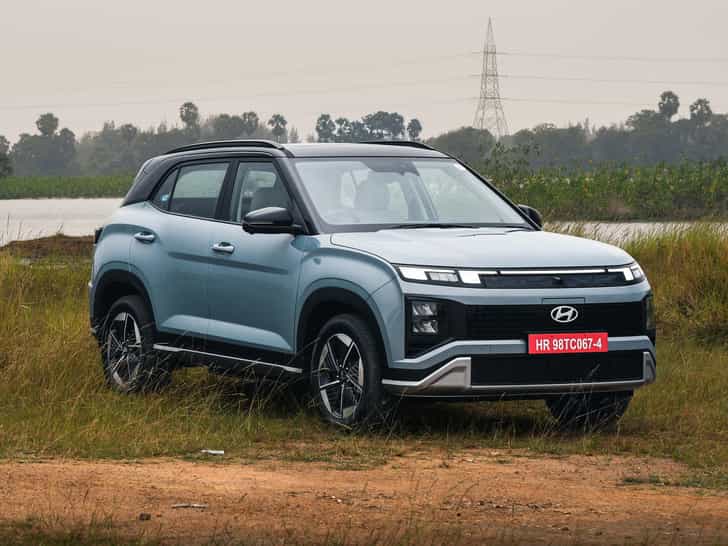
I want to buy the Creta S Summer Edition Diesel Manual. My family has four members and one dog, and we love going on long drives. How suitable is this car for our requirements?
The Hyundai Creta diesel manual is a very sensible choice for your requirements. With four family members and a dog, the Creta offers enough space for comfortable long drives, and the boot is large enough to accommodate luggage and a dog crate or bedding. The diesel engine is the real highlight here – it is refined, fuel-efficient and has strong mid-range performance, which makes highway cruising effortless and overtaking easy. The manual gearbox is smooth and easy to use, and the overall driving experience is relaxed and comfortable, which is exactly what you want on long journeys.The S Option Summer Edition is a well-equipped variant, so you get most of the essential features without stretching the budget unnecessarily. Hyundai’s service network is extensive, and the Creta has a strong reputation for reliability and low maintenance costs, which adds to the ownership peace of mind.If you have a large dog and want a bit more room, it might be worth looking at the Kia Carens Clavis diesel. While you don't need the third row, the boot is significantly larger and gives you more room for the dog and luggage.
I need an automatic diesel sub-4m car, preferably with features such as Level 2 ADAS, if possible. Please suggest some suitable options.
Consider the Hyundai Venue diesel automatic. This Hyundai car offers Level 2 ADAS features, and it is also one of the most feature-rich cars in the segment. The diesel engine is refined and efficient, while the automatic gearbox is very smooth. The Venue's cabin feels very premium and modern, and space is good for a sub-4m SUV.If you want an alternative, consider the Mahindra XUV 3XO. This Mahindra car has a roomier cabin, but its diesel engine is paired with an AMT, which is not as smooth as the Venue's torque converter. Overall, the Venue is the better fit for you.
I have a 2021 Nexon EV and am planning to replace it with a Creta EV. Hyundai is charging Rs. 75,000 for the charger. I already have the Tata charger installed at home, but the kWh capacity of the two chargers is different. Should I use the existing Tata charger for my Creta EV, even if it charges a little slower? Charging speed is not a major concern for me. Or should I buy the new Hyundai charger? Also, what should I do with the charger from my old EV? Is it usually sold separately, removed and taken back by the manufacturer/dealer, or simply left installed for future use?
You can absolutely use your existing Tata charger with the Hyundai Creta EV. Both cars use the same Type 2 AC charging standard, so the charger will work perfectly fine. The only difference is the power rating: if your Tata charger is a lower kW unit than the one Hyundai is offering, the Creta EV will simply charge a bit slower at home. Since you have already said charging speed is not a major concern, there is no need to spend on a new charger.As for what to do with the old charger, you have a few options. If you are keeping the charger installed at your home and using it for the Creta EV, there is nothing more to do. If you are moving or no longer need it, you can either sell it (there is a small second-hand market for EV chargers) or have it removed by a qualified electrician. Some Tata dealers will also buy back the charger if you are selling the Nexon EV, but the price offered is usually quite low.The only thing to check is whether your Tata charger is a 3.3 kW or a 7.2 kW unit. If it is the lower-rated 3.3 kW charger and you want faster home charging, then upgrading to a higher-rated charger may make sense. Otherwise, there is no technical reason to replace a perfectly good charger.

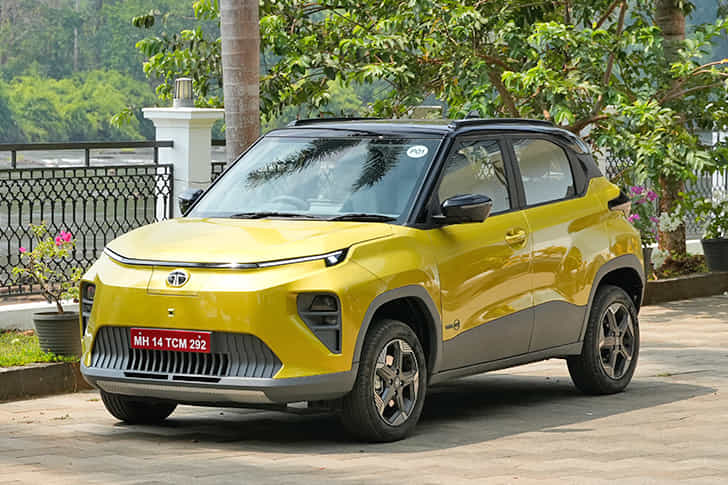
Hi, I am planning to buy the XUV 3XO EV AX7L but am a little confused, as many people are saying that it uses an older NMC battery pack. I am also considering the Tata Punch EV top-spec variant, but overall, I prefer the XUV 3XO EV. Please suggest which one would be a better choice and also explain the NMC battery technology.
The NMC battery chemistry is not a reason to avoid the car. NMC (Nickel Manganese Cobalt) batteries are widely used in EVs and are proven technology here in India and globally. They offer good energy density and performance, but need proper thermal management, which is what every manufacturer, including Mahindra, has engineered the battery pack for. The concerns around NMC are often overstated – the key is how the battery is managed, not just the chemistry. The Mahindra XUV 3XO EV is also a more spacious car and offers better performance; however, the overall powertrain calibration in terms of throttle response, easy drivability and power efficiency is better in the Tata Punch EV. So, keeping that in mind, if you are ok with the smaller size, we would lean towards the Punch EV. A good alternative would be the Kia Syros EV, which will offer you a very well calibrated and tuned powertrain, excellent reliability and a lot of interior space too.
I currently live in Pune and am looking for a sub-4-metre SUV under Rs 13 lakh for my father, who also lives in the city. His usage will be around 70% in the city, with a monthly running of less than 500km. I was considering the 2026 Brezza Turbo, but I came across mixed driving reviews on YouTube. Some say the engine is well-tuned for city driving and does not stall at low rpm, while others feel that the turbo performs better on highways as it needs more than 1,500-2,000rpm to deliver its best. Should I go for a turbo-petrol or naturally aspirated engine? What other factors should be considered when choosing a turbo over an NA engine?
For your father’s usage in Pune, 70% city driving and less than 500km a month, a naturally aspirated petrol engine is the better choice. The Maruti Suzuki Brezza turbo is a good engine, but in the city you won't really benefit much from the added performance. A naturally aspirated petrol is more linear, more efficient and easier to drive in the city, especially for an older driver. It’s also likely to be slightly more reliable and cheaper to maintain in the long run.The Brezza naturally aspirated petrol is a solid choice. If you want alternatives, the Hyundai Venue naturally aspirated petrol is another good option with a smooth engine and modern cabin.
I want to buy an automatic car priced between Rs 12 lakh and Rs 15 lakh. Good performance, low maintenance costs and decent mileage are important to me.
Consider the Maruti Suzuki Fronx turbo automatic. It is a good balance of performance, driving enjoyment and ownership cost in your budget. The 1.0 Boosterjet engine is punchy and efficient, and the 6-speed torque converter automatic is smooth and reliable. Being a Maruti, maintenance costs are reasonable for a turbo petrol, and the service network is widespread. If you want something more feature-rich and spacious, the Mahindra XUV 3XO automatic is also a strong option.
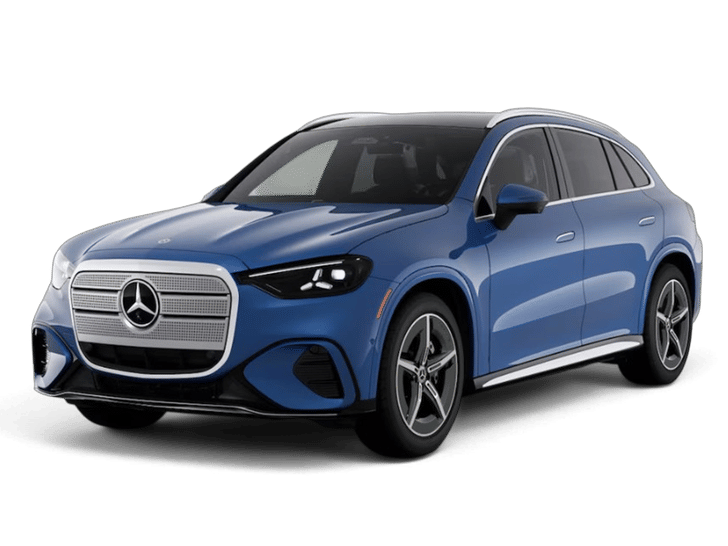
For Bangalore, I am considering the Lexus ES 350h, Mercedes-Benz E 200, or GLC 300. The car will mostly be chauffeur-driven. Which one would be the better choice?
For a mostly chauffeur-driven owner in Bangalore, the sedans you've shortlisted make the most sense. Between the two, while the Mercedes-Benz E-Class is undoubtedly the most popular car in its class, and for good reason, in your case, we think the Lexus ES 350h might be a better bet. The ES 350h is a hybrid, which makes it particularly well-suited to Bangalore's traffic conditions, offering excellent fuel efficiency and a very refined, quiet driving experience. The rear seat is spacious and comfortable, and Lexus' reputation for reliability and low maintenance costs adds to the long-term ownership appeal. The Mercedes-Benz E-Class 200 is also a strong contender, offering a slightly more luxurious and spacious cabin and, crucially, superb back seats that recline quite far, but it does not offer the same efficiency or refinement in stop-and-go traffic, and this will add up in the long run. The Mercedes-Benz GLC 300, while a good SUV, is not the best fit for a chauffeur-driven owner as the rear seat is not as comfortable as the ES or E-Class, and the ride is firmer. The ES 350h strikes the best balance of comfort, efficiency and long-term peace of mind.
My budget is Rs 12.30 lakh, and my monthly running is around 700km, with an equal mix of city and highway driving. I prefer a 1.5-litre naturally aspirated petrol engine and want a quiet petrol car with reasonable mileage. I am 67 years old and would also like a new car with good features. Please suggest a suitable option.
With a budget of Rs 12 lakh, a 1.5-litre naturally aspirated petrol engine preference, and a 50:50 city-highway split, the Maruti Suzuki Brezza is the most sensible recommendation. It is a genuinely comfortable and easy-to-drive SUV with a smooth and refined 1.5-litre petrol engine that is well suited to your usage pattern. The Brezza is also known for its reliability, low running costs and strong service network, which becomes increasingly important as the car ages. It offers a good balance of ride comfort and ease of driving, making it a stress-free companion for both city commutes and highway runs. The feature list is reasonable for the price, and the car feels well put together. The only real drawback is that the engine is not the most powerful in the segment, but it is more than adequate for relaxed driving. Overall, the Brezza is a car you can buy and keep for many years with minimal hassle, which is exactly what you should be looking for at this stage.
I am confused between the Hyundai Exter HX3, Hyundai i20, Nissan Magnite and Tata Punch. My main requirement is a superior cabin, and my budget is around Rs 9.5 lakh. Which one would be the better choice?
Go for the Hyundai Exter. Your priority is a superior cabin, and the Exter delivers the most premium and well-finished interior of your shortlist. It also offers a higher seating position, better visibility and a more modern feature set than the Hyundai i20, while still being easy to drive in the city. The i20 is a good car, but at Rs 9.5 lakh you will be limited to lower variants, and the Exter feels like a more complete package at this price point. The Nissan Magnite and Tata Punch are both strong value propositions, but the Exter's cabin quality and overall refinement are a step above. The Punch's naturally aspirated petrol engine is also not as refined or as punchy as the Exter's unit. Overall, the Exter strikes the best balance between cabin quality, comfort and value within your budget.

Hi all, Myself Girish from Kochi, looking to buy a new car, especially for my parents; who are both 70+ and have knee issues. I like the Creta and Seltos. My priorities are comfort and easy entry and exit. I’m specifically looking for a diesel variant with a manual transmission. I’d love to hear your suggestions or recommendations. My budget is around Rs. 16 lakh.
For your requirement, the Hyundai Creta diesel manual would be our first recommendation. The Creta has a slightly softer suspension setup than the Kia Seltos, which translates to a more comfortable ride over broken roads and speed breakers – something your parents will appreciate. The seat height is also well-judged, making entry and exit relatively easy without being too high off the ground. The diesel car is refined, fuel-efficient and well-suited to highway runs, while the manual gearbox is light and easy to operate.The Kia Seltos diesel manual is also a strong contender, offering a slightly more premium cabin feel and a marginally roomier rear seat. However, the ride is a touch firmer than this Hyundai car, which may not be ideal given your parents' knee issues.If your budget is strictly around Rs 16 lakh, you will be looking at the lower to mid variants of both cars. In that case, the Creta's focus on comfort makes it the better fit for your needs. If you are open to stretching the budget slightly, the Kia Seltos HTK+ diesel manual is worth considering for its additional features and more premium cabin.Overall, the Creta diesel manual strikes the best balance between comfort, ease of entry/exit, and long-term ownership experience.
Need expert advice?
Ask the Autocar community and experts.