Autocar India
SU

Sahil Ummat

28w

I want to buy a premium 7-seater within a ₹40–45 lakh budget. My shortlisted cars are the Jeep Meridian, Toyota Fortuner, Skoda Kodiaq and MG Gloster. I’ve heard reliability concerns about the Meridian and Gloster. The Kodiaq’s AC performance is reportedly weak, and the Fortuner’s ride quality is said to be poor. Given these issues, which one should I choose?

Autocar India team

Autocar India

Verified
28w

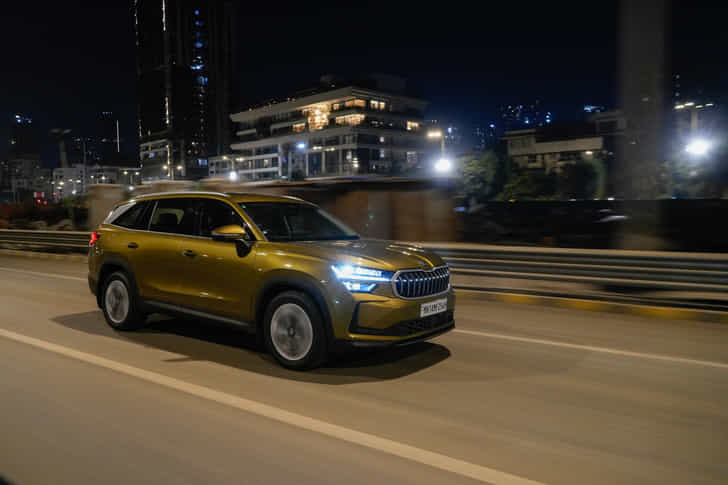
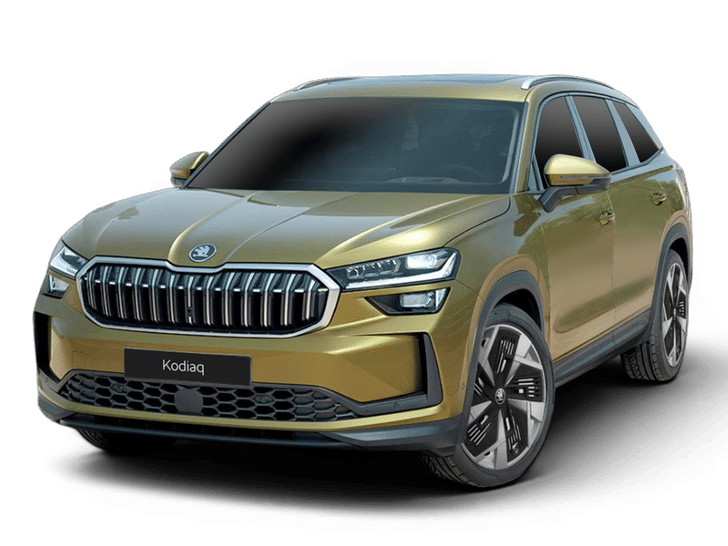
You have correctly identified each SUV's weakness; thus, it really boils down to which of these is the least worry for you. On the whole, the Skoda Kodiaq is something you could consider, unlike the other car's weaknesses. 
Also, you could offset the lower AC performance of the Skoda with good habits like parking the car with a sunshade and also using window blinds.
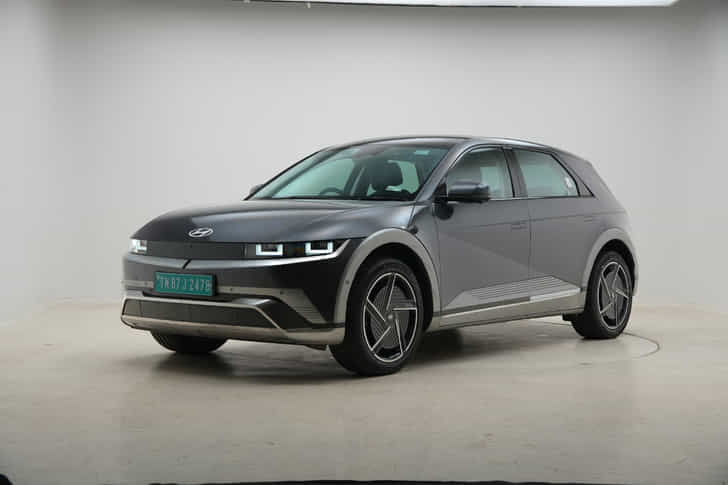
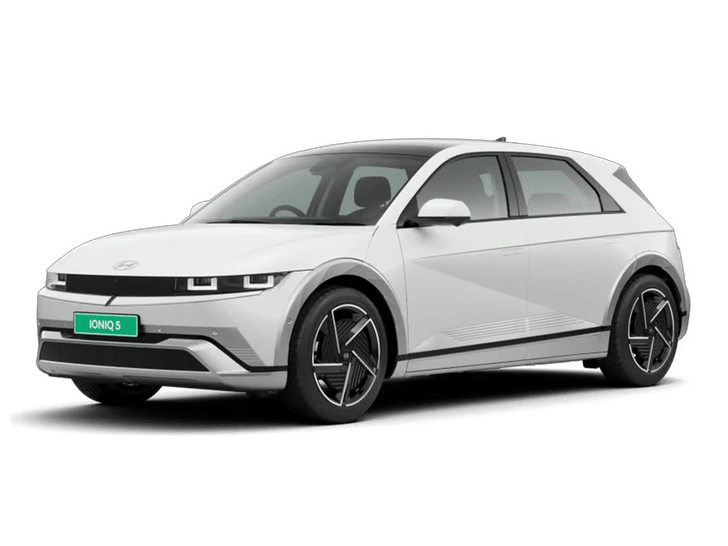
If you are open to looking at an EV, we would recommend you look at the Ioniq 5. It isn't a three-row vehicle, but it addresses all of the weaknesses you have mentioned in the other cars in your shortlist.  
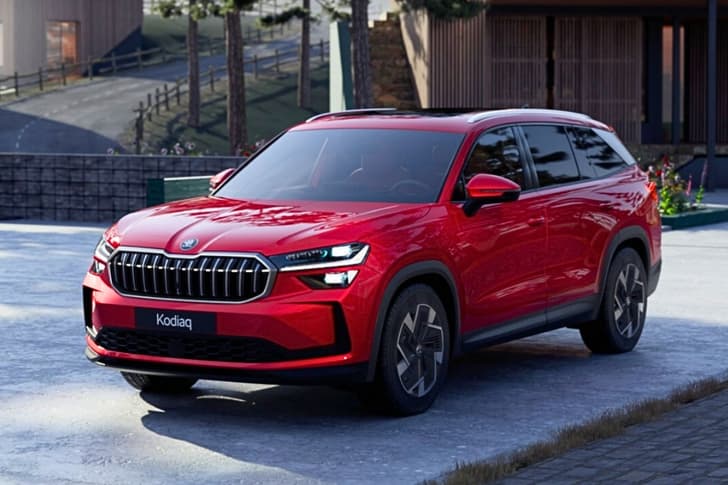
Skoda Kodiaq

Skoda Kodiaq

Was this helpful? Ask a follow-up

More questions on similar cars

VV

Vaibhav Vats

1d

I own a Hyundai Venue Turbo Petrol, which is driven around 4,000 km per year and is occasionally used by my parents. I have been considering to upgrade it, as I am tired of spending money on maintenance. The car has been problematic since its second year of ownership. I am currently considering the Kia Syros HTK (EX) manual and HTK+ (DCT). However, some automobile enthusiasts have advised me against buying a DCT if I am looking for a hassle-free ownership experience, especially since the car will mostly be driven in Delhi’s office-hour traffic and the overall running is quite low. Could you please suggest whether I should opt for the DCT, stick with a manual, or consider a diesel automatic instead? Alternatively, if there are better options within a budget of Rs. 15 lakh, I would be open to considering them. I can also wait if there are any promising new launches expected this year within my budget. I am not interested in an EV at the moment. Thanks in advance.

Autocar India team

Autocar India

Verified
10h

Given your low annual running and predominantly city use in Delhi, a diesel does not make sense. Modern diesels are happiest when regularly driven on longer runs, and with just 4,000km a year, the higher purchase cost and potential emission system issues are difficult to justify.As for DCTs, they have become far more reliable than early examples, but if the priority is a smooth, stress-free ownership experience in heavy urban traffic, a torque-converter automatic is still the safer bet. It is generally smoother at low speeds and better suited to constant stop-start driving.Rather than moving to a Syros DCT, it would be worth considering the Skoda Kylaq automatic or the Mahindra XUV 3XO automatic. Both use torque-converter gearboxes and offer a more relaxed driving experience in city conditions. The Kylaq feels particularly polished to drive, while the 3XO counters with a richer feature list and a more spacious cabin.If you like the Syros, the manual remains a sensible choice given your limited annual usage, but if an automatic is preferred, a torque-converter-equipped rival would be a better fit than a DCT.

VehicleKia Syros
VehicleSkoda Kylaq
VehicleMahindra XUV 3XO
KS

krishna singhal

1d

​Hey everyone, I would like your advice on restructuring my three-car garage in anticipation of a significant increase in my monthly running. I am based in Bangalore, and my current line-up is as follows: ​Audi A6 (2020) | 35,000 km driven that is used primarily for highways and family outings. It’s a brilliant machine but honestly feels highly underutilized. ​Innova Crysta GX (2019) | 1.5L km driven: The ultimate workhorse. Runs 1,500 km monthly. Split between office commutes, airport runs, and big family trips. ​Hyundai Verna (2023) | 25k km driven: Primarily used as the daily home or city runabout. ​My confusion is that from next month, my personal running will jump significantly to 2,500 km per month. Doing this in Bangalore traffic (plus routine family weekend trips) means fuel costs and driving fatigue are going to skyrocket. I want to bring an EV or a solid Plug-in Hybrid (PHEV) , but I’m considering following: ​Option 1: Replace the Audi A6 with a Premium Luxury EV. Since the A6 is not being used much, I am planning to sell it and get a high-end luxury EV (like a BMW iX1, iX3, or BYD Seal/Sealion 7) to absorb the entire 2,500 km monthly grind and family outings. ​Option 2: Retire the workhorse Innova. It has done 1.5 lakh km and I could replace it and the Audi to go for a two-EV garage, or grab a premium electric 7-seater to take over its duties. ​Option 3: Hold onto the current garage and just add one. Keep all three and buy a new mid-to-premium electric SUV like Tata Harrier EV, Mahindra XEV 9e / XEV 9S, or wait for the upcoming BYD DM-i Plug-in Hybrids. ​With 2,500 km of monthly driving entirely in Bangalore and surrounding highways, what is the smartest financial and experiential move here? Sell the underutilized luxury sedan, upgrade the high-mileage workhorse, or just expand the garage? ​Would love to hear your thoughts, especially on real-world reliability, battery degradation at high mileage, and how the current crop of premium EVs handle Bangalore's notorious infrastructure

Autocar India team

Autocar India

Verified
10h

Since the Audi A6 is the most under utilised, it makes sense to sell it and get an EV instead. Among your choices, the BYD Sealion 7 2WD gets you the biggest battery, which should deliver a real-world range of around 450km. Your fuel spend and fatigue will drop sharply thanks to smooth one-pedal driving and strong regeneration in stop-go traffic. The Sealion 7’s SUV stance and ride, cope better with Bengaluru’s roads than a low-slung sedan, and fast chargers in the city are now easy to find, while a home wallbox will be your primary charger.Keep the Innova Crysta. At 1.5 lakh km, it is still the most stress-free way to haul six people and luggage. With the EV becoming your new primary, it wont rack up the kms as quickly, but its worth keeping around as an alternative for trips where you don't want to plan ahead for charging. The Verna can stay as the spare city tool.On reliability and batteries, BYD’s Blade LFP battery pack has a good record. BYD also offers a pretty long warranty and the option to extend to 8 years/250k kms. The only real trade-off with the BYD is its smaller dealer network and slightly higher road and wind noise at highway speeds. A BMW iX1 is nicer inside and carries the badge, but it's cabin is tighter, has a smaller boot, and you will pay more for less usable range. Alternatively, you can also consider the Hyundai Ioniq 5 - its 84kWh is the largest in the segment, its cabin is premium and it is very nice to drive. Hyundai's network is also larger than BYD's which helps.

VehicleAudi A6
VehicleToyota Innova Crysta
VehicleHyundai Verna
VehicleBMW iX1 LWB
AN

Ankit

1d

I am based in Gurgaon and am a family of three. I am currently working from home, with office trips to Noida around 4-5 times a month. The car will be mainly used for city driving with weekend trips around NCR, and 4-5 mountain trips a year. I am confused between Kia Seltos HTK(O) IVT, Kia Seltos HTK(O) Turbo DCT and Tata Harrier Petrol Pure X Dark AT. I liked the Seltos Turbo DCT during the test drive, but I'm wondering whether the turbo performance makes a meaningful difference in real-world usage or if the IVT is the more practical choice. Reliability and hassle-free ownership are important parameters for me. The Harrier is more appealing because of its size, space, and road presence, but I'm unsure if buying it is worth the extra cost and potential ownership concerns. Which one do you suggest for my usage and why?

Autocar India team

Autocar India

Verified
13h

The Kia Seltos HTK(O) IVT would be the recommendation for your usage. While the Seltos Turbo DCT is undoubtedly the more exciting car to drive, the reality is that most of your mileage will come from Gurgaon, Noida and NCR city driving. In those conditions, the IVT's smoothness and ease of use become more valuable than the turbo's extra performance. The naturally aspirated petrol engine is adequate for highway cruising and mountain trips, and the IVT is one of the most refined automatic gearboxes in daily use.The Turbo DCT does make a noticeable difference when accelerating hard, overtaking on highways or driving enthusiastically in the hills. However, it comes with a price premium and the performance advantage is unlikely to be fully utilized given your predominantly urban usage.The Harrier Petrol Pure X Dark AT is the emotional choice. It has a much stronger road presence, a more spacious cabin and a larger boot. It also comes surprisingly well equipped for the variant. However, it is a significantly larger and heavier SUV, and fuel efficiency will be noticeably lower than either Seltos, especially in NCR traffic. For a family of three, the extra space is nice to have rather than essential.Reliability and ownership experience are also important considerations. Kia currently has an edge here, and the Seltos feels like the safer long-term bet if hassle-free ownership is a priority.

VehicleKia Seltos
VehicleTata Harrier

Popular discussions right now

SP

Saransh Parnami

5d

I am confused between the Nexon, XUV 3XO, and Venue as my first car. My running is expected to be 1,000-1,200 km per month. My priorities are: 1) Performance, 2) Mileage and ownership cost, 3) Features, and 4) Rear-seat and boot space. Please advise and suggest the best-value variant as well. I am inclined towards a manual.

Autocar India team

Autocar India

Verified
3d

Our first recommendation would be the new Venue Turbo Petrol Manual. It strikes the best balance for your priorities. The turbo petrol engine is punchy and enjoyable to drive, fuel efficiency is respectable, and Hyundai's ownership experience is generally hassle-free. The latest Hyundai Venue is also more spacious than before, particularly in the rear seat, and feels like a very well-rounded first car. For value, we would look at the SX Turbo Manual, which gets a good mix of features without stretching the budget too much.Our second choice would be the Mahindra XUV 3XO. If outright performance and rear seat space are your priorities, it is arguably the strongest car here. The turbo petrol engine is lively, the rear bench is among the widest in the segment, and it feels more substantial than the Venue. The downside is that fuel efficiency is not as strong, and the boot is one of the smallest in the class. The MX2 Pro or AX5 Manual would be the variants to consider, depending on your budget.The Tata Nexon would be our third choice. It remains a good all-round package with decent space, a strong feature list and good road presence. However, compared to the newer Venue and 3XO, it does not feel quite as polished, and neither the driving experience nor the ownership proposition is as compelling.

VehicleHyundai Venue
VehicleMahindra XUV 3XO
VehicleTata Nexon
AD

Abhishek Das

5d

I am planning to purchase a new automatic car and am confused between the Honda Amaze ZX CVT and the Skoda Kylaq Signature Plus AT. My usage will be around 90% city driving, primarily for office commuting between Dwarka, Delhi and my office near IFFCO Chowk, Gurugram (approximately 25 km one way). However, I will not be driving daily, as I often use the Metro as well. The car will also be driven by my 69-year-old father, so ease of driving, comfort, visibility, ingress/egress, and reliability are important considerations. Our previous car was an Alto K10 Manual, so this will be our first automatic car and a significant upgrade. Considering my usage pattern, family profile and the fact that we intend to keep the car for a long period for around 10 years, which of these two would you recommend?

Autocar India team

Autocar India

Verified
3d

Based on your requirement, we would recommend the Honda Amaze ZX CVT over the Skoda Kylaq Signature+ AT. The reason is that your priorities are not outright performance or driving excitement. You are looking for a car that will spend 90% of its life in city traffic, will also be driven by your 69-year-old father, and is expected to stay with the family for around 10 years. In that context, Amaze's strengths line up perfectly with your requirements. The CVT is smoother than the Kylaq's torque converter automatic in stop-and-go traffic, visibility is excellent, the car is easy to place on the road, ingress and egress are straightforward, and Honda's long-term reliability record is hard to fault. Coming from an Alto K10, it will already feel like a substantial upgrade in comfort, refinement and features.The Kylaq Signature Plus AT is the more desirable car from an enthusiast's perspective. The 1.0 TSI turbo petrol has more punch, the higher seating position is nice, and the overall package feels more substantial. However, it is also a larger vehicle to manoeuvre, and while the automatic is good, it is not quite as seamless in everyday traffic as Honda's CVT.Another point in Amaze's favour is that the ZX variant gets Honda Sensing ADAS, which adds useful safety features without making the car complicated to operate. Since your father will also be driving it, that extra layer of safety is a nice bonus.

VehicleHonda Amaze
VehicleSkoda Kylaq

Posted on: 23 Nov 2025