Latest questions answered by experts
I am interested in buying the 7XO, specifically the Petrol MT. But after seeing all kinds of reviews on the internet, I am really confused about which one to buy: petrol or diesel, AT or MT. My daily usage is mostly commuting to the office (20 km up and down). We will also be going on long trips (1,000-1,500+ km) twice or thrice a year. I also use the car for grocery shopping in the evening, so my monthly usage is around 300 km. The traffic here is full of bumper-to-bumper congestion. Please suggest which one I should buy: petrol or diesel, AT or MT, considering that I would like to keep this car for 8-10 years.
Go for the Mahindra XUV 7XO petrol automatic. Your usage is predominantly city commuting with heavy bumper-to-bumper traffic, and your monthly running is only around 300 km. In this scenario, a diesel simply does not make sense. Modern diesels make sense for long highway runs, and with your low running, the higher upfront cost and potential long-term maintenance costs aren't justified. The petrol engine is smooth, refined and well-suited to city driving, and the automatic gearbox will make your daily commute far less tiring. This Mahindra car is also a strong highway performer, so those occasional long trips will be handled with ease. The only downside is slightly higher fuel consumption compared to a diesel, but at your usage, that is not a major concern. The manual is worth considering only if you are very price-sensitive, but given your usage pattern, the automatic is the smarter choice for long-term comfort and convenience.
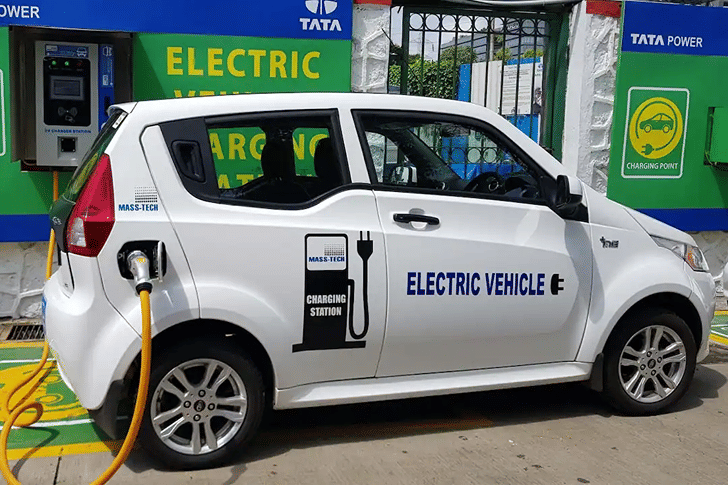
I want to upgrade from a Tata Nexon EV Max to a seven-seater SUV. Having used the EV for almost 4 years, I have experienced how economical it is and would like to go for another EV. One of the best options I am considering is the Mahindra XEV 9S. However, I am not sure whether it is really worth the price, as I don't feel comfortable spending over Rs. 30 lakh on a Mahindra. Are there any better options I should consider? Please advise.
The Mahindra XEV 9S is a genuinely impressive product, but yes, at over Rs 30 lakh, it is a significant outlay, and the question is less about whether the car is worth the money and more about whether it is the right fit for you. The XEV 9S offers strong performance, a well-appointed cabin, and a premium feel, but if you would still like to avoid a Mahindra, opt for the Kia Carens Clavis EV. It does not offer you that SUV stance, but its MPV configuration means a flexible interior and a genuinely usable third row too. It's also well appointed inside with a premium look and feel around the cabin, with all the essential and some nice-to-have features too.
I am currently considering the Tata Altroz CNG. My monthly running is around 5,000 km, with about 70% of my driving on highways. I cannot consider an EV, so I am looking at CNG options. I need good boot space and comfortable interiors, with a budget of under Rs. 11 lakh. Is the Altroz CNG the best option for my requirements, or are there any better alternatives I should consider?
With 5,000 km a month and 70% highway, CNG is not the best choice. CNG is great for city running, but on highways it is not as efficient as diesel and you will be stopping frequently for refills. However, if a diesel is not in consideration, then the Altroz CNG is a well-rounded package.Other options include the Maruti Suzuki Brezza, which is bigger and an SUV, but under Rs 11 lakh, you can only get the VXI trim that isn't as well equipped. The Altroz in its Accomplished S guise is closer to your budget and has a much richer cabin. It also has a comfy ride and is stable at highway speeds. If you don't have much use of a big boot the Tata Altroz CNG is a good option to consider.
I am a bit confused between the Kia Seltos (Petrol) and Mahindra XUV 7XO (Diesel base model) for a family of five. My priorities are good boot space and fuel efficiency. Which one would be the better choice for my requirements?
In our real-world standard test cycles, we achieved an efficiency of 12.26 kpl for the 1.5 AT Kia Seltos and 13.10 kpl for the diesel AT Mahindra 7XO. So, going purely by numbers, the Mahindra would be better; it would also provide more boot space with the third row folded. However, an important point to note is to opt for the diesel Mahindra only if your driving includes a long drive at least once every 8 to 10 days, as this is important to prevent the diesel particulate filter from clogging up. A drive of about 20 minutes at speeds above 50 to 60kph is what is required to heat the filter enough to burn away soot. If, however, your driving is entirely within the city, you would be better off with the petrol Seltos.

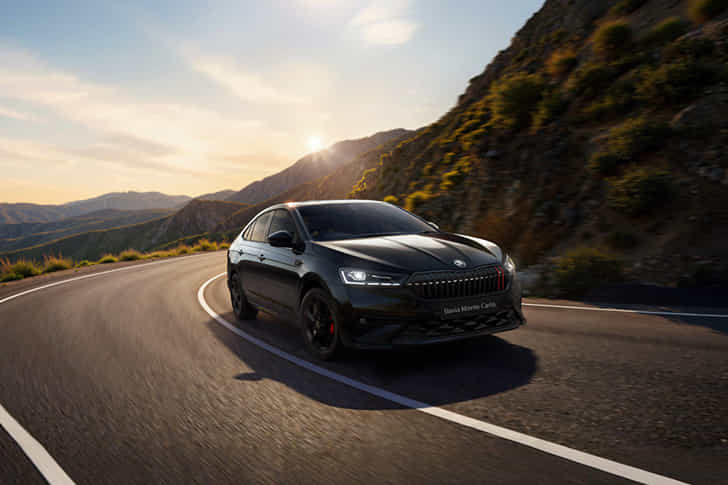
Kylaq Automatic vs Mahindra 3XO vs Brezza Automatic for a lady driver mainly driving in the city. Which would be the best recommended option?
For a predominantly city car, the Maruti Suzuki Brezza automatic is the best recommendation. The Brezza’s naturally aspirated petrol engine paired with a torque converter automatic is smooth, predictable and easy to drive in stop-and-go traffic, which is exactly what you want in a city car. This Maruti Suzuki car also has a comfortable ride, good visibility and Maruti’s unmatched service reach, making long-term ownership hassle-free. Fuel efficiency from the naturally aspirated engine will also be better than the turbo petrol rivals in the city. The Skoda Kylaq automatic is the driver’s choice with a more engaging turbo petrol engine, but the Brezza’s simplicity and ease of use make it the better city car. The Mahindra XUV 3XO is feature-rich, but the Brezza’s ease of use and lower running costs give it the edge for a city-focused car.
Hi, I currently live in Bengaluru and am looking to buy an automatic car for my office commute. My commute is typically around 100 km per week. Given the current ethanol situation, I am considering buying an EV. I have a charger in my apartment, and there is also a fast charger nearby. My budget is around Rs. 20 lakh. I currently drive a Volkswagen Ameo and am planning to keep it for long trips. I also tried a 2021 Tata Nexon EV, but I didn't like the cabin space. I also didn't like the design of the MG Windsor. Should I consider buying a used EV or a new EV?
Our recommendation would be the new Kia Syros EV. With a 100km/week commute, home charging and a Rs 20 lakh budget, it is the best EV for a city like Bengaluru. In your budget, you can get the HTX Plus trim with the ER (Extended Range) battery that is larger at 51.4kWh with a claimed range of over 500km. Moreover, it is compact on the outside, which makes it very easy to manoeuvre in traffic, but has a surprisingly spacious interior. Big on practicality and a good feature list make its case stronger. A used electric car only makes sense if the battery health is good and range isn't affected. Other issues like tyre and suspension wear are crucial, so buying one brand new is always a better bet.
I am currently using my dad's Maruti Ritz and wish to upgrade to a more premium sedan or SUV. My current shortlist includes the Toyota Hyryder Strong Hybrid, Skoda Slavia, and Honda City e:HEV. Several thoughts and concerns keep coming to mind regarding each vehicle. The Hyryder is not a proper SUV, and its 3-cylinder engine has more vibration than 4-cylinder engines. The Slavia's 4-cylinder engine is giving single-digit fuel efficiency, especially with the E20 fuel concerns. I am also worried about the long-term maintenance of its turbo engine. The City e:HEV is priced above Rs. 20 lakh, attracting luxury tax, and its on-road price goes beyond Rs. 25 lakh. I am not sure whether the cost-benefit equation will work in favour of the City. The Slavia facelift is also around the corner. I wish to keep my next car for at least 10 years.
Based on your requirements, the Toyota Urban Cruiser Hyryder Strong Hybrid is the most sensible upgrade. Your concerns about the 3-cylinder engine are understandable, but in the hybrid, the petrol engine is assisted by the electric motor, which smooths out the power delivery and reduces the typical 3-cylinder vibrations. This Toyota car also delivers excellent fuel efficiency, especially in city driving, which will make a significant difference over a 10-year ownership period. While it may not be a "proper" SUV in the traditional sense, it offers a higher seating position, good ground clearance and a comfortable ride, making it a practical and premium upgrade from the Ritz.The Honda City e: HEV is a strong alternative, but the higher price pushes it into a different budget bracket, and the cost-benefit equation becomes harder to justify. The Skoda Slavia is a great driver's car with a smooth 4-cylinder engine, an extremely practical cabin and strong performance, but if efficiency is a high priority, it is best to stick to the strong hybrid. The Slavia will receive an update soon, which will also feature a new gearbox which replaces the earlier Aisin-sourced 6-speed torque converter (AQ250) with a newer Aisin 8-speed torque converter (AQ300). This will be exclusive to the 1.0-litre engine and will be a bit more efficient too. However, in comparison to a strong hybrid, nothing really comes close. Overall, the Hyryder Strong Hybrid offers the best balance of efficiency, reliability and ownership experience for your needs.
I am planning to buy a EV as my primary car for me and my family. I am confused between Tata Punch and Tata Nexon considering my daily running will be approximately between 40-50 km. Please suggest which one should I choose.
Go for the Tata Punch EV. With a daily running of 40-50km, an electric car makes perfect sense, and the Punch EV is the newer of the two and has the latest integrated drivetrain which promises better reliability. The lower range would not make a difference to you given your low daily running. Do note though that rear space is less than the Nexon EV so if you have a family of 5, you would be better off in the Nexon.
Hi, I have been using Honda City CVT for the past 10 years and now, I am looking for an SUV with similar comfort but with the latest technology. My monthly running is approximately between 700-800 km mostly within Delhi.
Given your usage of 700-800 km a month in Delhi and a 10-year ownership of a Honda City CVT, the Honda Elevate CVT is the most natural upgrade. It retains the same Honda ownership experience, offers a comfortable ride and the CVT gearbox is smooth and well-suited to city driving. The Elevate also sits at a sensible price point and is backed by Honda’s strong reliability record, making it a stress-free long-term ownership proposition.If you want a more premium experience with a richer feature set, the Kia Seltos IVT is a good option. The IVT gearbox is smoother in traffic, the cabin feels more upmarket and the Seltos offers a wider range of modern features. However, it does come at a higher price point. The Skoda Kushaq 1.0 TSI automatic is worth considering if you enjoy driving, as it offers a more engaging experience and the torque convertor gearbox is also the smoothest around. The ride is a bit firmer and the ownership experience is not as straightforward as Honda or Kia, so make sure the dealer in your area is well reputed.
Is it worth buying Nissan Gravite? I currently own a 2015 Grand i10 Magna and am planning to buy a new car. Instead of a 5-seater, I am planning to buy a 7-seater within a fixed budget. However, I am confused whether I will enjoy 1 litre engine or not ?
The Nissan Gravite is a sensible upgrade from your 2015 Grand i10 Magna, especially if you need a 7-seater on a budget. The 1.0-litre petrol engine is however down on power and delivers decent performance in city driving if driven in a sedate and relaxed manner. Also with a full load of passengers and luggage, it can feel strained on highways and overtaking requires more planning. So look at it as a relaxed daily commuter and it should be fine. The Gravite's biggest strength is its value proposition as it offers genuine 7-seat practicality at a very accessible price point. However, if you regularly do long highway trips with a full family, you will notice the engine's limitations and you might want to consider upping your budget for something like the Maruti Suzuki Ertiga. Overall, the Gravite is a good budget-friendly 7-seater, but be realistic about your expectations from the 1.0-litre engine.

Hi, I own a 9 years old Baleno and am planning to upgrade the car but am really confused which one to choose. I want a 5-seater car for highway and city driving with automatic transmission under 18 lakh. I need a reliable car that I can use for atleast next 7 to 8 years. The car must have Adas level 2 but sunroof is not required.
Based on your requirements, the Mahindra XUV 3XO AX7L automatic is the best fit. It is a genuinely spacious 5 seater with a wide rear bench, a strong turbo petrol engine and a well-tuned automatic gearbox that makes both city and highway driving easy. It also offers Level 2 ADAS, which is a key requirement for you, and the AX7L variant sits comfortably within your Rs. 18 lakh budget. The 3XO is also one of the safest cars in the segment, with a 5-star Bharat NCAP rating, and Mahindra's service network has improved significantly in recent years. The only real drawback is the boot, which is on the smaller side for the segment, but as a 5 seater it is one of the best options available today. If you want a more premium cabin and a larger boot, the Kia Seltos HTX automatic is the alternative to consider, but it will push your budget closer to Rs. 20 lakh and you will have to compromise on ADAS availability at that price point. Overall, the XUV 3XO AX7L is the most balanced and value-for-money choice for your needs.
I want to buy a car for 40% city use and 60% long trips. I own a 2015 model of Celerio AGS. Should I buy Baleno AGS considering E20 fuel in the future.
Given your usage pattern of 40% city and 60% long trips, the Maruti Suzuki Baleno AGS is actually a sensible upgrade from your 2015 Celerio AGS. The Baleno offers a more comfortable cabin, better highway stability and a more refined driving experience, which will make those long trips far more enjoyable. The AGS gearbox is also well suited to your occasional city use, keeping things simple and efficient.On the E20 front, there is no reason to worry. The Baleno is E20 compliant, and modern engines are engineered to handle this blend without any long-term reliability concerns. Maruti has also stated that their E20 engines are built for a material tolerance of slightly more than E20, so on the material front the car should be good for something like E22 for example. The main impact of a higher blend would be a reduction in fuel efficiency.The only thing to consider is whether you want to stick with AGS or move to a more conventional automatic. If you are happy with how AGS behaves, the Baleno is a solid choice. If you want a smoother and more premium automatic experience, you could look at something like the Hyundai i20 IVT or the Honda Amaze CVT instead. Both offer a more refined automatic gearbox, which can make a difference on long highway drives.Overall, the Baleno AGS is a good fit for your usage and there is no E20-related reason to avoid it. The decision really comes down to whether you are happy with AGS or want to move to a more conventional automatic.
I want to buy a new automatic car mainly for city driving (80% in city and occasional outstation trips once in every two months). I am confused between Mahindra XUV 3XO AX5L and Skoda Kylaq Prestige for a family of 3 members. My budget is not more than Rs. 15 lakh. Please suggest.
Go for the Skoda Kylaq Prestige automatic. The 1.0 TSI engine paired with the 6-speed torque converter automatic is a proven, reliable combination that is well-suited to stop-start city traffic and occasional highway runs. The Kylaq also offers a more engaging driving experience, which will make those outstation trips more enjoyable and it has a larger boot too. The XUV 3XO AX5L is a strong value proposition with more features, but the Kylaq feels more solid. For a family of three, the Kylaq's cabin and boot space are adequate, and Skoda's service network has improved significantly in recent years. Overall, the Kylaq Prestige strikes the right balance between performance, comfort and long-term ownership satisfaction within your budget.
I am a first-time car buyer. My usage will be a mix of city and highway driving that covers approximately 500-700 km per month. I am confused whether I should buy Maruti Suzuki Brezza 1.5 NA or Mahindra XUV 3XO, but I am very confused about which one to choose. Please suggest which would be the better option.
Both your choices offer different experiences, so it boils down to where your priorities lie. With your usage of 500-700 km a month and a mix of city and highway driving, the XUV 3XO offers a modern cabin, a spacious rear seat, and a stronger feature set for the money. The turbo-petrol engine also gives it a clear edge on the highway, with better overtaking performance and a more engaging driving experience. Further, the Mahindra XUV 3XO price starts from Rs. 7.79 lakh (ex-showroom in Delhi).The Brezza 1.5 naturally aspirated petrol is a solid, reliable choice with Maruti’s strong service network, but does not offer the same level of performance. It makes up for it by being more fuel efficient, particularly in the city. Overall, the 3XO is the more complete car, but if efficiency and low running costs are a priority, then go with the Brezza.
I want to upgrade from my 12-year-old VW Vento to a comfortable SUV. My driving is not much, around 300-400 km per month. My budget is Rs 18-20 lakh, and I intend to keep the car for a long time. Which one should I go for?
Since you own a VW Vento, you are already familiar with VW's sales and service experience; hence, you could consider getting the Volkswagen Taigun 1.0 8AT. It is a solid mid-size SUV that is likely to feel very similar to your outgoing vehicle in terms of driving manners, but at the same time it packs in all the niceties, as well as a more powerful turbo-petrol engine with a modern 8-speed automatic. The Skoda Kushaq is also an option you could consider, which is the Taigun's mechanically identical Skoda counterpart.Alternatively, you could consider a Kia Seltos 1.5 IVT too. It is a bit larger, more spacious, comfier and better equipped than the two VW-Skoda SUVs From a long-term perspective, the Kia car mentioned above deserves serious consideration.
I am a first-time buyer, have just learned to drive, and am 6 feet tall. I have a family of four, including two toddlers. I am looking for an automatic SUV/crossover with good ground clearance. It should not be too big for a first-time driver. I mostly travel within Hyderabad city, and my office is just 7km away from my house.
Go for the Hyundai Venue 1.0 Turbo DCT. As a first-time buyer who has just learned driving, you want something that is easy to handle, not too big and still offers good ground clearance for Hyderabad roads. The Hyundai Venue fits that brief perfectly.It is compact enough to be easy to park and manoeuvre, while still offering a comfortable seating position for a 6-foot-tall driver and enough space for a family of four with two toddlers. The automatic gearbox in this Hyundai car is smooth, easy to use in city traffic, and low running costs make it a very sensible first car. The Skoda Kylaq automatic is also worth considering.
I want to purchase a new car, but I am confused between the Mahindra XUV 3XO and the Tata Nexon CNG. Please guide me on which one to buy.
The Mahindra XUV 3XO has the punchier engine, better refinement, and overall feels comfier to drive and be driven in. It is also one of the most spacious compact SUVs in the segment, with a wide cabin that makes it a genuinely comfortable five-seater. However, it isn't very efficient, and if your running is high, you should definitely consider the Tata Nexon CNG, which delivers good performance, and you don't have to sacrifice much of the boot space either.
I already have a Maruti Baleno and want to buy a second car. I have shortlisted the Tata Tiago Pure Plus and the Tata Punch Pure Plus. Which one should I buy for mostly daily commuting in Delhi city?
Go for the Punch Pure Plus. Since you already have a Maruti Baleno, the Tata Punch makes more sense as a second car dedicated to daily city commuting in Delhi. It is compact, but has a higher seating position than the Tiago, which helps when manoeuvring in tight spaces and parking. It is also easier to get in and out of, and the cabin will feel roomier.The Tiago will be more fuel-efficient and less expensive, but overall the Punch is the more rounded vehicle between the two.
I want to buy a new car for a family of five, and I am confused between the Skoda Kushaq 1.0 TSI Signature and the Kia New Seltos HTK naturally aspirated petrol.
Go for the Seltos HTK NA petrol. With a family of five, the Kia Seltos is the more sensible choice because it is simply the bigger and more comfortable car. The rear seat is wider, the cabin feels more spacious, and the boot is larger, which makes a difference on family trips. The naturally aspirated petrol engine of this Kia car is smooth and reliable, and the overall ownership experience is easy and stress-free.The Skoda Kushaq 1.0 TSI Signature is the better driver's car with a more engaging turbocharged engine, but it is a smaller SUV, and the rear seat is not as accommodating for three adults. For a family of five, comfort and space matter more than driving dynamics, and that is where the Seltos has a clear advantage.

I am confused between the Innova Crysta VX, Innova HyCross VX, and Kia Carens Clavis Diesel AT. The car will mainly be used by my aged parents, replacing our 2011 Ritz diesel. It will be driven 99% of the time by our regular driver, and occasionally by me. It will mostly be used as a 5-seater, with occasional use as a 7-seater.
Go for the Toyota Innova HyCross VX. Your usage is mostly chauffeur-driven with elderly parents, and the car is primarily a 5-seater with occasional 7-seater use. The Toyota HyCross is the best fit here because it offers a much more comfortable and refined experience than the Crysta, especially for rear-seat passengers. The hybrid powertrain is smooth, quiet and efficient, which makes a big difference in daily city driving, and the automatic gearbox is seamless.The Crysta VX is still a great car, but it is more utilitarian and not as refined or comfortable as the HyCross.The Kia Carens Clavis Diesel AT is a great value alternative and offers a very comfortable and practical interior. If it is going to be used primarily in the city, diesel won't be the right choice, though. Overall, the HyCross VX strikes the right balance between comfort, efficiency and Toyota's proven reliability, making it the best choice for your requirements.
Need expert advice?
Ask the Autocar community and experts.