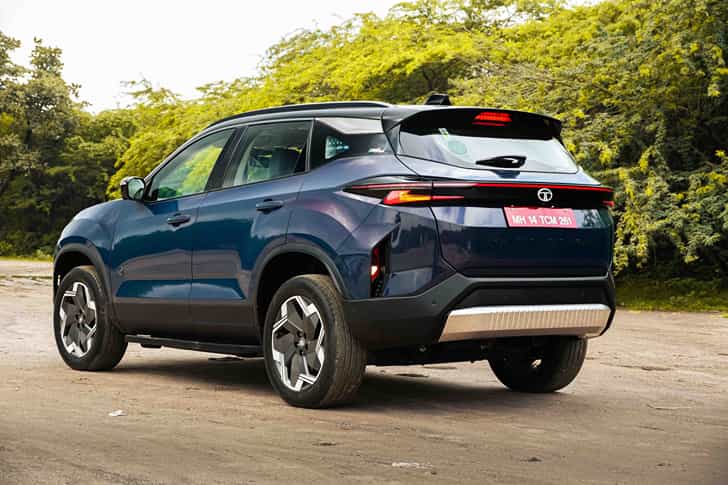
I’m planning to buy the 2026 Kia Seltos GTX (A) and am confused between the 1.5-litre naturally aspirated petrol IVT and the 1.5-litre turbo-petrol DCT. The car will be used by two people. On weekdays, it will primarily be used for city commutes, where fuel efficiency, smoothness and reliability are important. On weekends, it will be used for a mix of city driving and occasional highway trips, where good performance and driving pleasure are also desirable. I’ve heard that the IVT is smoother and more stress-free in traffic, while the DCT offers significantly better performance but may face overheating issues in stop-and-go conditions. Which would you recommend for long-term ownership over 7–10 years, considering real-world mileage, reliability, maintenance costs and driving pleasure? Would you choose the IVT for greater peace of mind or the DCT for its turbocharged performance? I’d appreciate advice based on real-world ownership experiences. Thanks in advance!

 Kia Seltos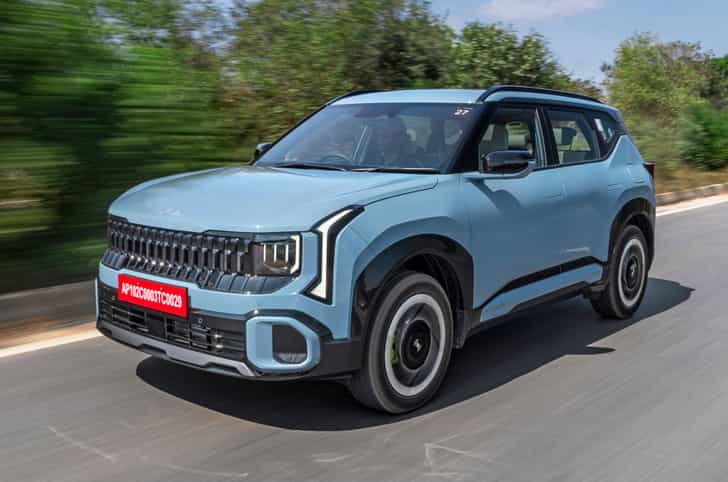
Hello, I regularly follow Autocar podcasts and episodes because I trust your reviews and opinions. I have been driving a Fiat Punto for over a decade, and I find it difficult to connect with Japanese cars, regardless of how feature-rich they are. There is a group of buyers like me who value the European driving experience, especially now that diesel options from the VW Group are no longer available. Do you think the Tata Sierra diesel automatic comes close to offering that European driving feel, and is it worth considering for long-term ownership, particularly given its relatively low sales numbers? Thanks in advance!
Tata SierraSkoda KushaqVolkswagen TaigunKia SeltosUpcoming launch buzz
Community discussions on upcoming launches
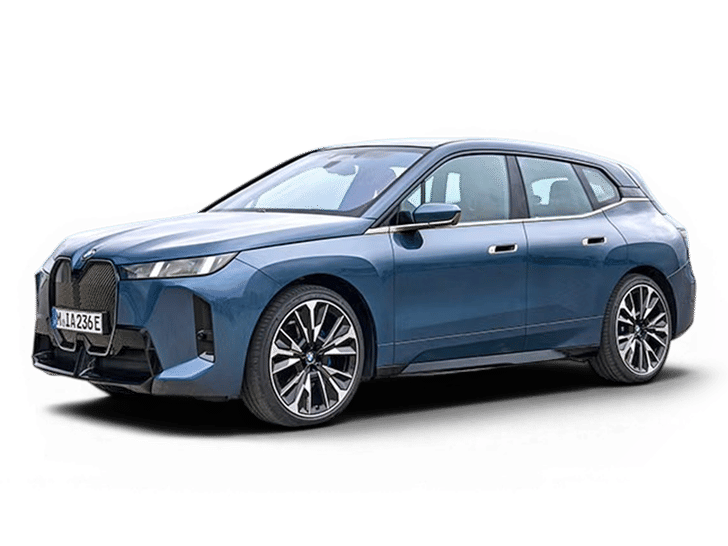
BMW
iX facelift
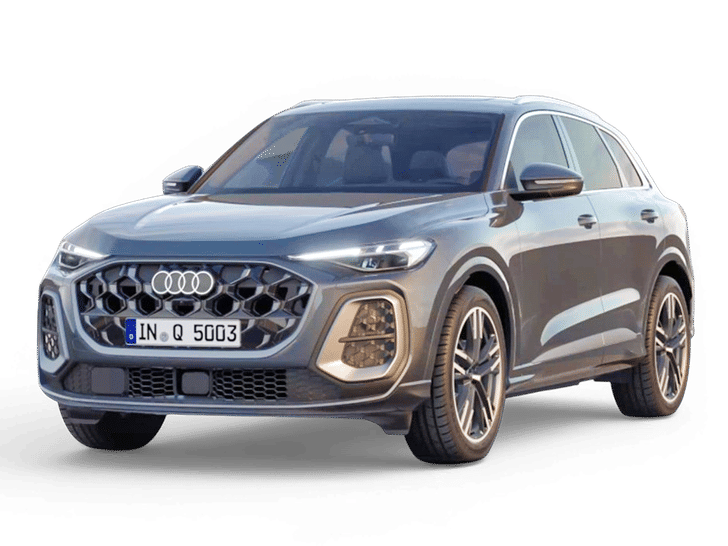
Audi
New Q5
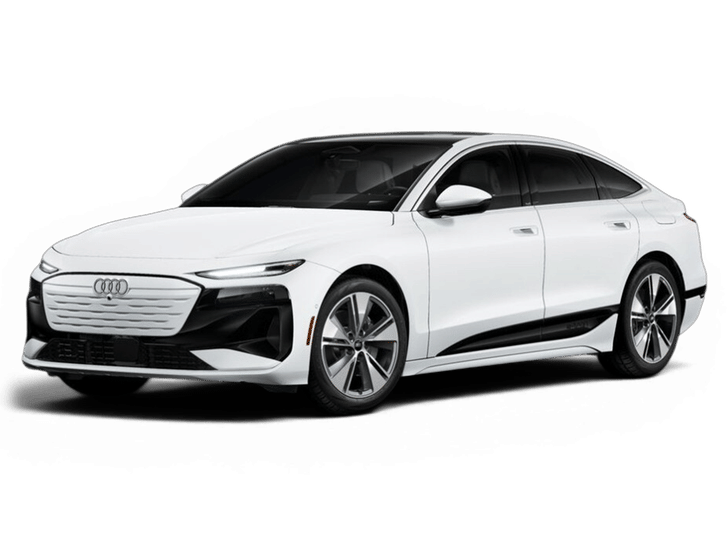
Audi
A6 e-tron

Audi
Q6 e-tron
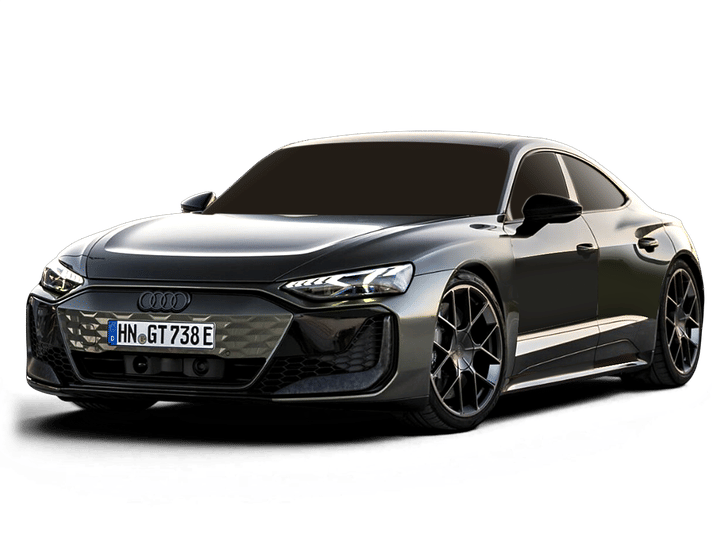
Audi
e-tron GT facelift

Volkswagen
Virtus facelift
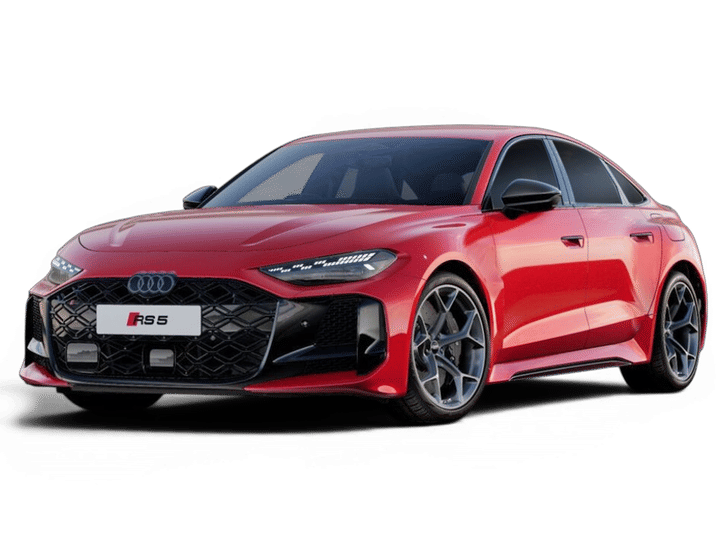
Audi
A5

Vinfast
VF5
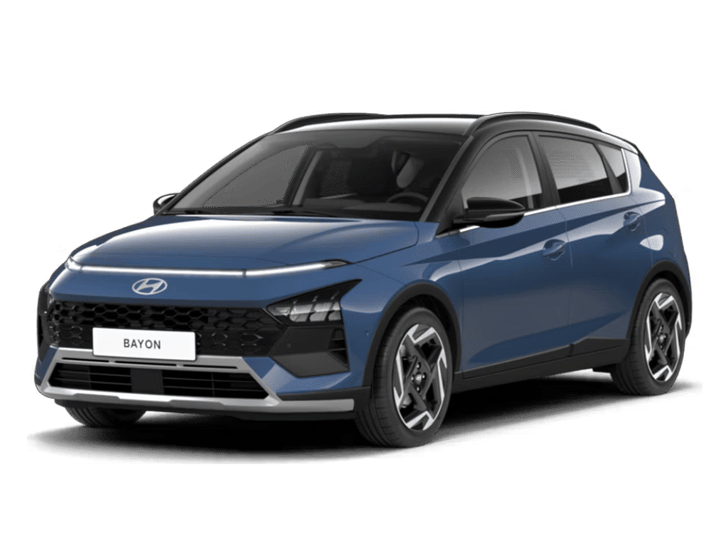
Hyundai
Bayon
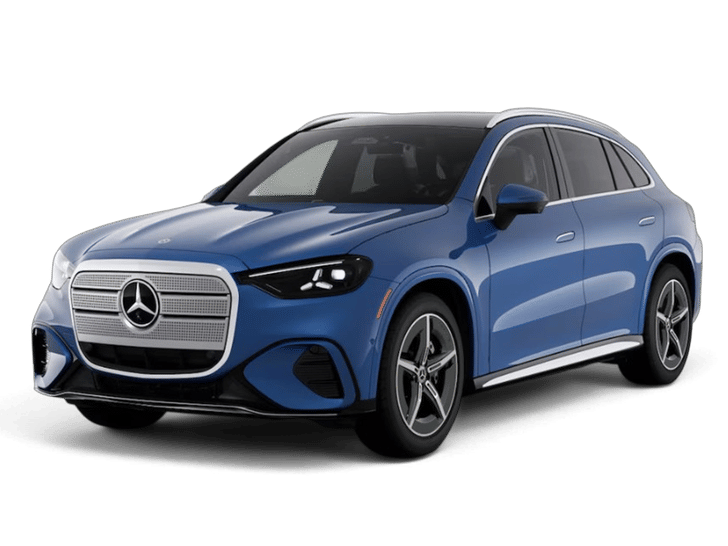
Mercedes-Benz GLC
Electric
I am planning to buy a petrol automatic subcompact SUV primarily for city driving, with a monthly running of hardly 300km. My main priorities are reliability and rear seat comfort. Which would be a better choice between the Skoda Kylaq and Kia Sonet, considering my requirements?
Skoda KylaqMaruti Suzuki BrezzaKia Sonet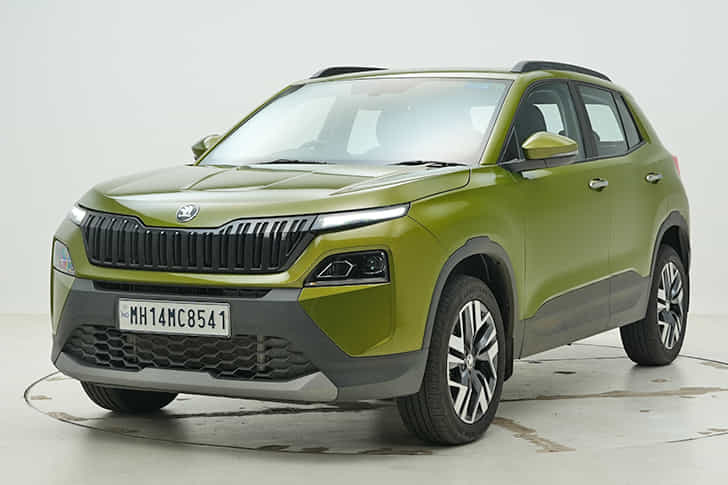
I am currently driving a 10-year-old Hyundai i20 and am planning to upgrade to an SUV. My annual running is relatively low, at around 8,000 to 10,000 km, with approximately 70% city driving and 30% highway driving. My top priority is safety, followed by fuel efficiency. My budget is around Rs 22 lakh on-road, and I am not considering an EV. Given these requirements, which SUVs would you recommend as the best options?
Kia SeltosHyundai CretaMaruti Suzuki VictorisI recently sold my Ford EcoSport due to spare parts availability issues and am now looking to buy a new car. My priorities are a sub-4-metre car within a budget of Rs 7.5 lakh. We are a family of four adults and one child, and since we are used to the spacious rear seat of the EcoSport, I am looking for a car that offers similar cabin space and comfort. I considered the Tata Punch, but concerns about Tata's after-sales service and service centre experience have made me hesitant. Are there any other cars that would meet my requirements? I'd appreciate recommendations, especially for a spacious family car that offers reliable after-sales support and is suitable for long-term ownership.
Tata PunchMaruti Suzuki Brezza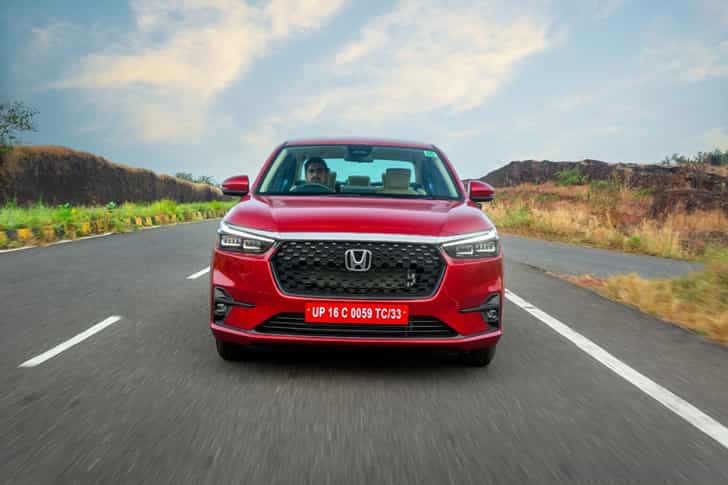
I am planning to buy a car this year around Diwali or year-end 2026. I am looking for a spacious, comfortable and a safe 5-seater for my family. My budget is Rs. 8-15 lakh (on-road) under Rs. 12 lakh. Although, I am open to spending less if the car offers excellent mileage, safety, space and reliability. My expected running is 7,000-8,000 km per month primarily for daily commutes mixed with GT roads and city driving. I intend to keep the car for at least 10-12 years, so fuel efficiency, low maintenance, long-term reliability, comfortable seating and good after-sales service are my priorities. I don't need fancy features that I will rarely use; essential safety and convenience features are sufficient. Considering my high monthly running, which fuel type among petrol, diesel or CNG, would be the most economical and practical over 10-12 years? Please recommend the best cars and specific variants within my budget while comparing real-world mileage, running costs, maintenance, reliability and family comfort. For CNG, specifically assess factory-fitted underbody tanks. Which car, engine and fuel option would you suggest for my usage? Suggest for both CNG and petrol.
Tata AltrozKia SonetHi Autocar Team, I am confused between the Skoda Slavia 1.0 AT and 1.5 DSG. Which would you recommend for long-term ownership? I plan to keep the car for as long as it can reliably handle Bengaluru traffic and highway drives. Please suggest which engine and transmission combination would be more suitable for my needs.
Skoda SlaviaHi Autocar team, I am considering the Maruti Suzuki Brezza, Mahindra XUV 3XO and Maruti Suzuki Victoris. The 3XO offers more features and space than the Brezza, but I expect it to be less fuel-efficient. The Victoris is considerably more expensive. Is the 3XO a good choice, or should I consider other options?
Mahindra XUV 3XOMaruti Suzuki Brezza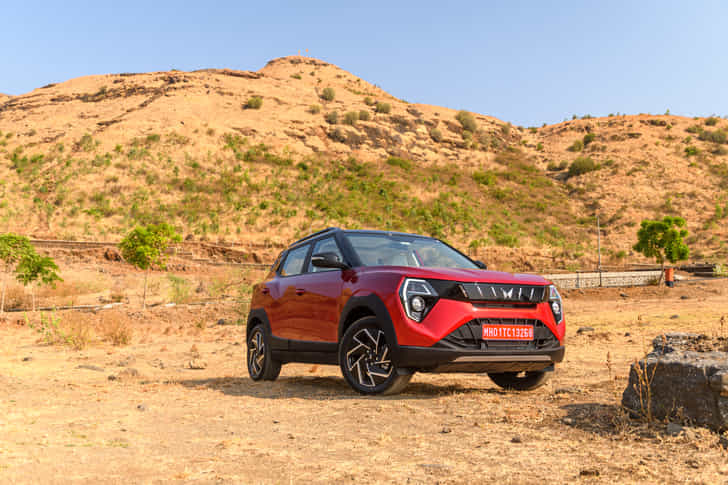
Hi, I am an automotive enthusiast and go for track drive as well. Can you help me out with a suitable car under Rs. 15-17 lakh as I own Ritz diesel that has completed 2.3 lakh km in 10 years without any engine repair or changing timing chain with regular use of full synthetic oil. I do both city and highway driving regularly as my daily run would be 70 km and I do out station travel for work as I stay in Hyderabad and go for trip around Hyderabad to Bengaluru Chennai Pune and Mumbai. I have 3 elders who rarely travel outstation but they sometimes travel within city. My wife and children travel often with me especially for official and personal usage, suggest me a car with good driving dynamics that offers stability abd comfort. Can a 1 liter Skoda vehicle manage driving load or is 1.5 liter better. I don't have an opinion on Kia or Hyundai and I want to know if these brands are reliable and safe. Suggest me a suitable car.
Mahindra XUV 7XOSkoda SlaviaSkoda KushaqHyundai VernaHyundai CretaKia SeltosRenault DusterHi Autocar Team, I own a Mahindra XUV500 and am considering a Stage 1 ECU remap. What impact would it have on the engine's performance and mileage? Would it affect the engine's lifespan or long-term reliability? I would also like to understand the pros and cons of ECU remapping, including its impact on maintenance costs and overall vehicle reliability. Please advise.


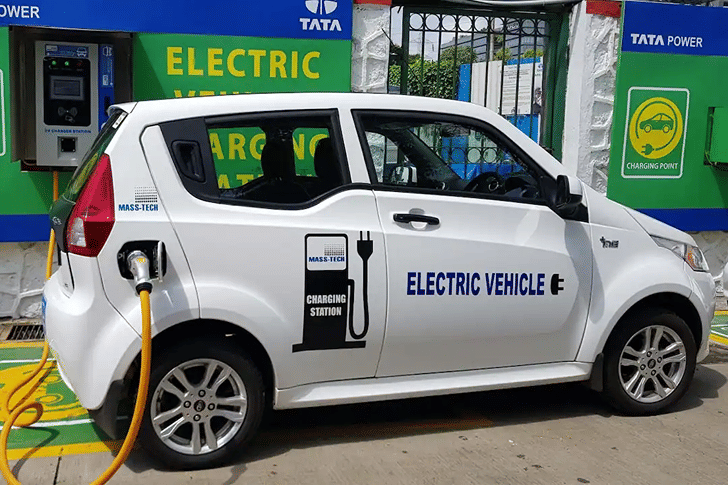
Dear Autocar Team, I currently own a Dzire diesel manual (2018) and now I am planning to buy a new car but I am very confused between Harrier EV Fearless Plus 75kwh and the XEV 9S Pack Two Above 79kwh. Although, I love diesel cars but since I live in Faridabad, my biggest concern is about increasing bans and restrictions on diesel cars. My main usage is on highways and bit within the city. I have clocked 1.3 lakh km on my Dzire in 8-9 years. I am getting the exact Harrier EV model for Rs. 22 lakh (on-road) whereas the XEV 9S will cost around Rs. 27-28 lakh (on-road) and that is my biggest confusion. Should I spend this additional amount on the XEV 9S for Harrier ev because I don't want any hassles as an since I plan to keep the car for the next several years.
Tata Harrier EVMahindra XEV 9S