


Latest questions answered by experts
Is a Plug-in Hybrid a Combination of ICE and EV, and Which Cars Are Available?

Yes, a plug-in hybrid (PHEV) is exactly that - a combination of an internal combustion engine (ICE) and an electric motor with a battery that can be charged from an external source. The idea is that you can use the electric-only mode for short local trips, and then the car seamlessly switches to the petrol engine for longer journeys, so you never have to worry about range.In India, however, the options are quite limited. You have the Mercedes S 450e at the top end as the only plug-in hybrid available at the moment. However, JSW MG is launching the MG Hector Tomahawk later this week, a plug-in hybrid, and next year you will get a Jetour T2-based SUV from JSW, also a plug-in hybrid. Other than these, there are no PHEV options for now.
 MG Hector TomahawkMercedes-Benz S-ClassJSW Motors Jetour T2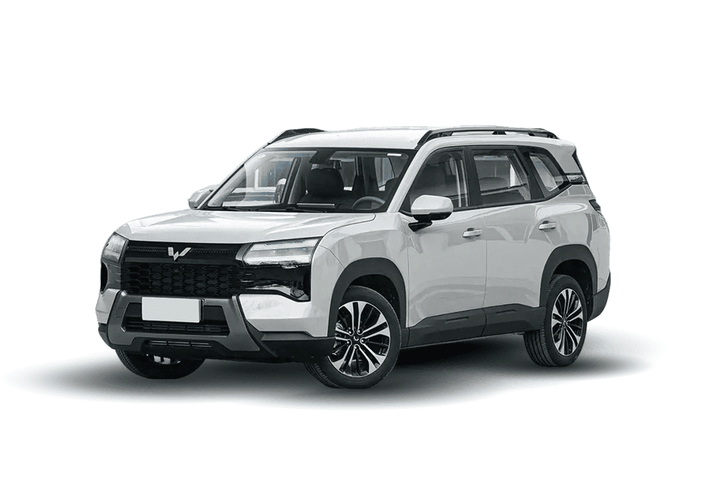
Tata Safari vs XUV700: Which Is Better Within 18 Lakh?
With a budget of Rs. 18 lakh, you're likely to get the entry-level variants of the Mahindra XUV 7XO and Tata Safari. Between the two, the Tata Car has a more spacious third row; however, the XUV 7XO is the better all-rounder.The XUV 7XO is essentially the facelifted XUV700, so you get the same proven mechanical package, along with a more modern interior, updated features and a more premium feel. The 2.0-litre turbo-petrol engine is strong and refined, making this Mahindra car well suited to both city and highway driving, while the manual gearbox is smooth and easy to use.The Tata Safari is still a good car, with a comfortable ride and a spacious cabin, but the XUV 7XO feels more modern and premium inside.
Mahindra XUV 7XOTata SafariBest Sub-4 Meter Car With Good Mileage and Safety: Manual or Automatic?
With a daily commute of 75 km and a driver, your priorities should be fuel efficiency, low running costs, and rear-seat comfort. The Maruti Suzuki Brezza CNG is the most sensible choice here. This Maruti Suzuki car is a sub-4-metre SUV with a comfortable rear seat, good ride quality, and very low running costs thanks to CNG. Maruti’s service network and reliability also make it a stress-free long-term ownership proposition. Since you have a driver, a manual transmission is perfectly fine and will keep costs down.If you want a more premium feel and better safety credentials, the Mahindra XUV 3XO diesel is the alternative. This Mahindra car is one of the safest cars in its segment, has a strong diesel engine, and is well-suited to high daily running.
Maruti Suzuki BrezzaMahindra XUV 3XOUpgrading From Ford Ecosport Petrol Automatic Within 18-19 Lakh Budget
You should consider the Honda Elevate ZX CVT. As far as reliable, no-nonsense midsize SUVs go, this Honda car is among the best. Honda's 1.5-litre i-VTEC is a great mix of smoothness, reliability and efficiency, and with 120hp on tap, it has enough punch to handle the hills of Uttarakhand and Himachal when you need it to. It's a fuss-free SUV that will serve you well over a long period of time; Honda's service is known to be of high quality, and you get quite a few features within your budget of Rs 18-19 lakh.Other options you could look at are the Maruti Suzuki Victoris/Grand Vitara, which use a similarly reliable 1.5-litre petrol engine with a torque-converter automatic, but it isn't quite as punchy as the Honda engine and may feel lethargic in the hills if the car is loaded up. In a similar vein are the Hyundai Creta/Kia Seltos, which also use a 1.5 petrol engine and CVT, though these aren't quite as efficient, and in your budget you'll only get the base models of these cars. Overall, we feel the Honda Elevate is the best bet for you.
Honda ElevateMaruti Suzuki VictorisKia SeltosMaruti Suzuki Grand VitaraHyundai Creta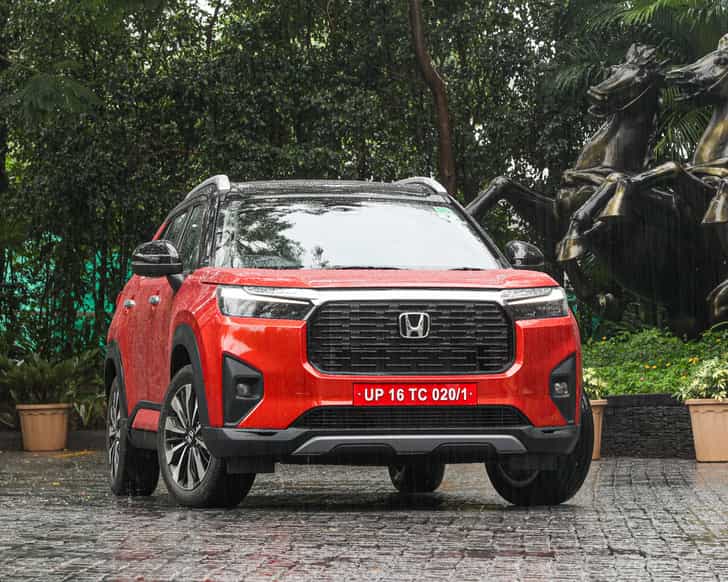
Upgrading From Altroz to SUV: Seltos vs Victoris for 15-18 Lakh in Pune
Between the two, the Kia Seltos is the better overall package. It is larger outside, roomier inside, and feels more modern and premium. The 1.5-litre engine and IVT combination is also excellent in terms of refinement and makes for a very relaxing car to drive in the city. With regard to your lighting concerns, this Kia car does come with LED headlights from the base model onwards, but LED fog lights are only standard from the HTX onwards. However, LED fog lamps should be part of the official accessories catalogue, so check with your dealer about the same.The Maruti Suzuki Victoris ZXi (O) is also a well-equipped variant with LED headlamps and a good feature set. Its engine is also very refined, and the 6-speed automatic transmission is very smooth-shifting. The downside compared to the Seltos is that it isn't as spacious inside.Overall, the Seltos is a better choice for your needs.
Kia SeltosMaruti Suzuki VictorisFWD vs RWD Driving Dynamics in Škoda Superb and Chassis Weight Distribution Explained
The Skoda Superb is a front-wheel-drive car globally, including in international markets. There is no rear-wheel-drive version of the Superb. The confusion may come from the fact that some premium sedans in the same segment, such as the BMW 5 Series and Mercedes E-Class, are rear-wheel drive, but the Superb itself is not. The Superb is available in some markets with AWD (all-wheel drive), but that too is a front-biased system with the rear wheels driven only when needed.The difference between FWD and RWD is most noticeable in driving dynamics. In a front-wheel-drive car, the front wheels are responsible for both steering and putting power down, which can lead to understeer (the car does not turn as much as intended) and torque steer (the car pulls to one side on its own) when pushed hard. In a rear-wheel-drive car, the front wheels steer while the rear wheels deliver the power, which generally results in better balance and a more engaging driving experience, especially in performance driving.Weight distribution refers to how the car's mass is spread between the front and rear axles. A 50:50 weight distribution is often considered ideal because it helps the car remain balanced during cornering. This is not exclusive to rear-wheel-drive cars, but it is easier to achieve in RWD layouts because the drivetrain components are more evenly distributed along the length of the car.It is not correct to say that RWD is always better than FWD or AWD. Each layout has its own advantages. FWD is more space-efficient, cost-effective, and better in slippery conditions; RWD offers better driving dynamics; and AWD provides the best traction in all conditions.On the engine front, a 4-cylinder twin-turbo can produce impressive power and torque, and tends to be lighter, but an in-line 6 or V6 is inherently smoother and more refined. A larger-capacity engine tends to also be more effortless than a boosted low-capacity engine making the same power output. The choice between the two depends on the application: the 4-cylinder is lighter and more efficient, while the inline-6 offers a more premium and refined driving experience.
Mercedes-Benz E-ClassBMW 5 Series LWBSkoda SuperbBest Safety Rated Cars with High Ground Clearance and 7-Seater Options Under 20 Lakh
With a budget of Rs 18-20 lakh, a mix of heavy traffic, late-night runs, and weekend trips to Virar, the Mahindra XUV 7XO diesel automatic is the best fit. It offers strong safety credentials, a comfortable ride over broken roads, and a diesel engine that is well suited to your running pattern, especially with the highway stretches to Virar. This Mahindra car also offers a proper rear seat experience, and with the third row folded offers a very large boot space. Overall, the XUV 7XO diesel automatic strikes the best balance between safety, comfort, running costs, and practicality for your usage.
Mahindra XUV 7XO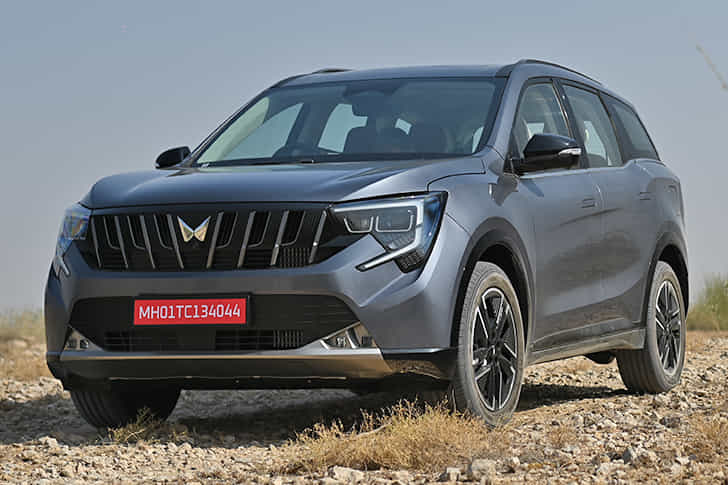
Comparing Comfort in the 2nd Row: 9S, 9E, and Creta EV
Yes, the Mahindra XEV 9S does have a more bouncy ride, and you would be better off with the Mahindra XEV 9E or the Hyundai Creta EV. If rear seat comfort is your absolute priority, the Mahindra XEV 9E may be the better option, as the rear seating area is more spacious than the Creta. That said, this Hyundai car is not uncomfortable by any standards and, in fact, also offers a very nice rear seat experience. Sit in both, as the seat shape and firmness of one may suit you better than the other. Overall, the 9E is the more peppy and fun-to-drive car, whereas the Creta EV is the better all-rounder.
Mahindra XEV 9eMahindra XEV 9SHyundai Creta ElectricAdvice on Automatic Hatchback or Mini SUV with DCT, Turbo or NA Engine under 14 Lakh
With a budget of Rs 12-14 lakh, mostly city driving in Delhi and under 500km a month, the best choice is a naturally aspirated petrol automatic. You do not need a turbo petrol car or a DCT for this usage. Turbo petrols are designed for stronger performance and highway overtaking, which you do not need, and DCTs are not ideal for heavy city traffic. A naturally aspirated petrol paired with a torque converter automatic or an IVT/CVT is the most reliable and stress-free option for city driving.The Maruti Suzuki Brezza 1.5 litre automatic is the most sensible recommendation. It is a compact SUV with a reliable naturally aspirated petrol engine, a smooth torque converter automatic, and Maruti's strong service network. This Maruti Suzuki car is comfortable, easy to drive in traffic, and well within your budget. Do not overthink DCT or turbo petrol for your usage. A simple naturally aspirated petrol automatic is the right answer.
Maruti Suzuki BrezzaI currently drive a Jeep Compass Diesel 4x2 and want to change my vehicle within…
Assuming that you can arrange for home charging, given that you've shortlisted the Mahindra XEV 9E, it is the one to go for. It packs in strong performance, this Mahindra car is comfortable, and despite its size, it is surprisingly easy to drive. With home charging, your running costs will be very low. And finally, with a real-world range of 450-500km, as well as its ultra fast charging capability, the XEV 9E is a good choice for those occasional highway drives too.If you're keen on getting a petrol-automatic, the Mahindra XUV 7XO and Kia Seltos are options you must certainly consider.
Mahindra XEV 9eMahindra XUV 7XOKia Seltos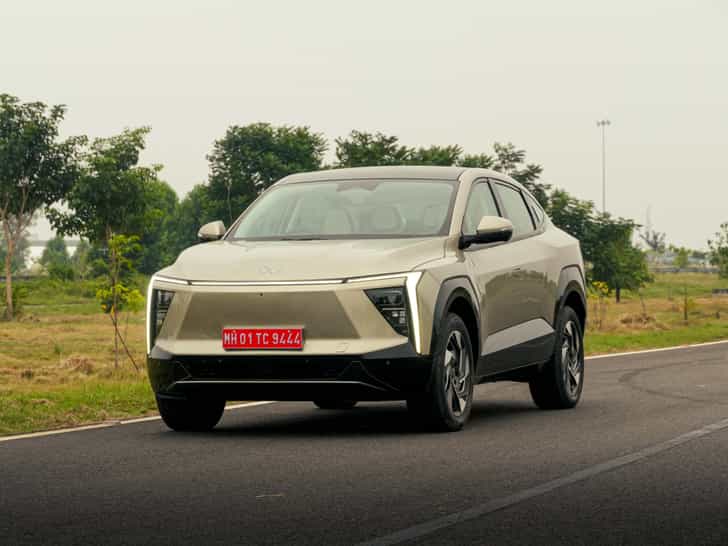
Choosing Between Creta EV-LR, Syros EV-ER, and Maruti E-Vitara in Goa
The Hyundai Creta EV LR would be our recommendation. It offers the most balanced package of the three, with a strong real-world range, a well-sorted driving experience and Hyundai's proven electric car ownership ecosystem. The Maruti e Vitara 61 kWh is a good alternative with a larger battery and Maruti's service reach, but its cabin isn't as roomy and its ride quality isn't as comfy as the Creta EV. The Kia Syros EV ER is also a good option, but this Hyundai car has the edge in terms of overall size and its more conventional design. The Punch EV 40 kWh was a sensible choice, but if Tata's delivery situation in Goa is forcing you to look elsewhere, the Creta EV LR is the most dependable and well-rounded alternative.
Hyundai Creta ElectricMaruti Suzuki e VitaraKia Syros EVTata Punch EVIs the Tiago 24kWh Sufficient or Should I Wait for the Punch 40kWh?
For an 80km daily commute, the Tata Tiago EV 24kWh is a sensible choice. It offers a real-world range of around 200km, which gives you enough buffer for your daily usage plus some margin for unexpected detours or battery degradation over time. This Tata car is also affordable, easy to park and cheap to run, making it a very practical city electric car.But if you can extend your budget, the Tata Punch EV 40kWh is the better car overall. It offers a significantly higher real-world range of around 300km, a slightly more spacious cabin and a more premium feel. The key question is whether you need that extra range. If your usage is mostly city-based and you have reliable home charging, the Tiago EV 24kWh is sufficient. If you regularly do longer trips or want maximum range buffer, then the Punch EV 40kWh is worth considering.
Tata Tiago EVTata Punch EVHi Autocar! I want to buy the Toyota Fortuner Legender 4x2 and was initially pla…
If you want to buy the current Toyota Fortuner Legender 4x2 and avoid the new generation, the best approach is to bring your purchase forward rather than delay it. The new Fortuner is expected in late 2026 or early 2027, and Toyota typically manages inventory carefully around a major model change. If you wait until February 2027, you risk being caught in the transition period when the new model arrives, and the current generation is phased out.The safest window is to book the car in the second half of 2026, ideally between July and October. This gives you a strong chance of securing a current-generation car while production is still running and before dealers start winding down stock. If you are set on the current model, it is better to buy a few months earlier than planned rather than risk missing out altogether.
Toyota Fortuner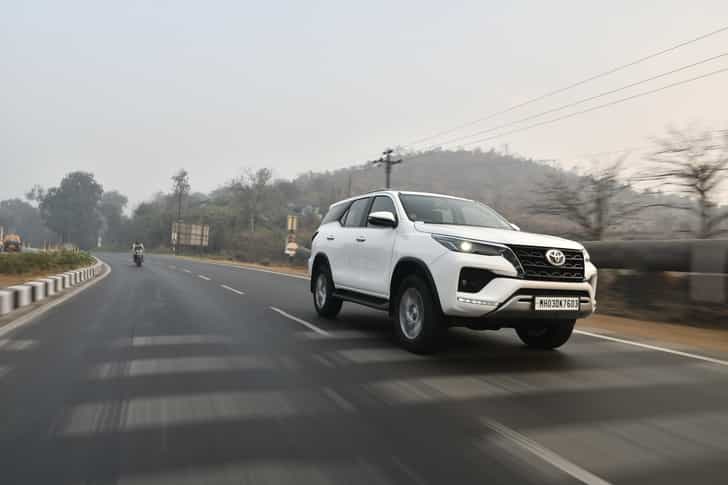
Hello everyone, I’m planning to buy my first car with a budget of around Rs. 15…
Go for the Mahindra XUV 3XO AX5 AT. The 3XO is the better long-term ownership proposition. The 6-speed torque converter automatic is a proven, robust gearbox that is well suited to both city driving and long highway runs. This Mahindra car also has a wider cabin and better rear seat comfort, which will make those 600km trips to Andhra far more comfortable for you and your family. The Tata Nexon Camo DCA is a good car, and the 360-degree dashcam is a nice feature, but the DCA dual-clutch automatic gearbox is slow shifting and is not as proven as Mahindra's Aisin-sourced torque converter unit. The 3XO also offers strong performance, good ride quality and a solid feature set at this price point. Overall, it is the more dependable and better-rounded choice. The one thing to keep in mind is that the boot is among the smallest in the segment, which could be an issue when travelling with four or five passengers and their luggage.
Mahindra XUV 3XOTata NexonLooking for a sedan that fulfils the following criteria, in order of preference:…
For your requirements, the Honda City is what we would recommend. It offers the most comfortable rear seat in the segment, with excellent legroom and a well-cushioned bench that makes this Honda car ideal for chauffeur-driven city use. The ride quality is also very well judged, with the suspension absorbing potholes and speed breakers without the car feeling bouncy or unsettled. Honda’s reputation for reliability and relatively low maintenance costs further strengthens its case, and the City’s petrol engine is efficient enough for your predominantly city driving.The Hyundai Verna 1.5 MPI would be the second choice. It offers a comfortable ride and a premium cabin experience, but the rear seat is not as spacious or as comfortable as the City’s, which is a key consideration for your usage. And while the mileage is good, it's not quite as good as the City's. The Skoda Slavia and Volkswagen Virtus are both good cars, but their ride quality is firmer, and they are not as well suited to chauffeur-driven city use.Overall, the Honda City is the best fit for your requirements and budget. It delivers the right balance of comfort, ride quality, efficiency and ownership experience for a predominantly city-driven sedan.
Honda CityHyundai VernaSkoda SlaviaVolkswagen VirtusHi Team Autocar, Firstly, I wish to thank you for the advice you rendered earli…
Since your father has been driving an Octavia for a while, a good replacement would be within the family. The Skoda Kylaq is what we would recommend. The Hyundai Venue is also good, but the DCT gearbox isn't as smooth in the city. The Kylaq is compact, making it easy to manoeuvre in tight spaces and easy to park and it gets a strong 1.0-litre TSI engine with a 6-speed torque converter automatic gearbox. The seat position too is comfortable, and getting in and out is rather easy. The steering is light, visibility is good, and within your budget you can get the top-spec Prestige+ trim with all the bells and whistles.
Skoda KylaqHyundai Venue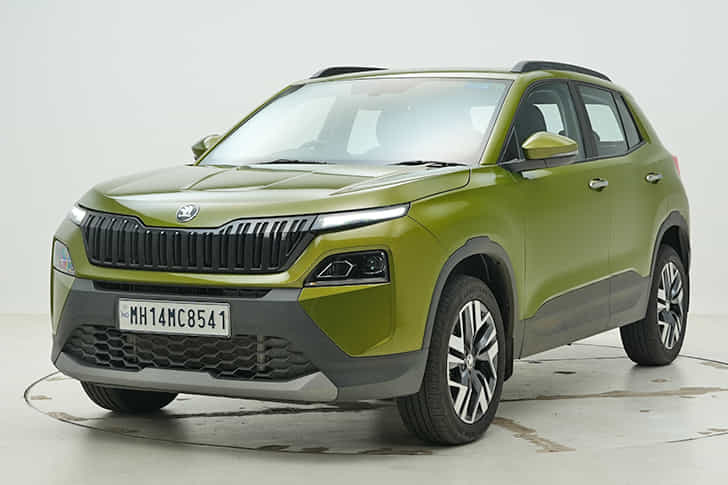
Best EV Cars Under 25 Lakh to Replace My VW Polo TDI
The BYD Atto 3 is a well-built and reliable EV with a proven track record, but it is a 5-seater and does not offer the same level of practicality, feature set or even the performance as the XEV 9S. The VinFast VF7 is an interesting option, but you can only get the entry-level variant in your budget, and while it has strong performance, as a package, it still trails behind the XEV 9S. Since you want a 7-seater, the Tata Sierra EV is ruled out considering its 5-seater layout. The Mahindra XEV 9S is the best choice in your budget and given your requirements. It offers a large battery, good range and a practical 7-seat layout, making it a sensible family EV. However, it is worth noting that the third row is best suited for children or occasional use, and the boot space is limited with all seats up. Within Rs 25 lakh, you can get the Pack One Above variant with the bigger 79kWh battery pack and a decent feature set. Given your priorities of value for money, reliability and hassle-free ownership, the Mahindra XEV 9S is the best fit if you need a 7-seater.
BYD Atto 3Mahindra XEV 9SVinfast VF7I am looking for a new motorcycle that offers good comfort and can be used for b…
Both the TVS Ronin and Royal Enfield Hunter 350 are excellent choices that are similarly capable in this price range, but both have different riding experiences. The Ronin feels lighter on its feet because it weighs quite a bit less than the Hunter, and while its styling is that of a relaxed retro, it actually has very nice handling. Its engine is also quick to spool up and makes a deep, bassy sound with a strong surge of mid-range torque to boot. On the other hand, the Hunter's long-stroke motor is more mellow and, in our opinion, more characterful too. The riding experience is dominated by the strong low- and mid-range torque here, and it's a pleasure to short-shift on the Hunter and listen to its thumpy beat of an exhaust note. While the Hunter is much heavier than the Ronin, you don't really feel it when you're on the move and darting through city trafic is a breeze on this RE. Take test rides of both, see which one tickles your fancy and then make your decision.
Hello, I'm considering buying a bike for my daily commute to work. My office is…
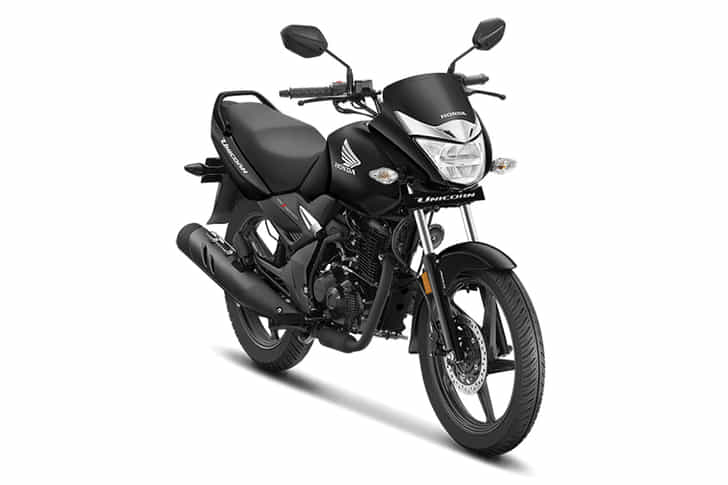
Since this is your first motorcycle, sticking to a commuter machine will help you ease into the transition of riding a geared bike coming from a CVT scooter. We'd recommend options like the Honda Unicorn / SP160, TVS Apache RTR 160 4V and Bajaj Pulsar N160 to you, which will offer a big step up in comfort and performance from your Access, with little to no trade-off in efficiency. These are all lightweight, simple, easy to get along with sort of bikes and should suit your needs well. Take test rides of all before you make your decision.
Best EV or Petrol Bike Options for Local Use in Chennai
The options you have shortlisted in the EV space are a great place to start, and if you want a simple, no-nonsense EV, the TVS iQube is one of our top picks in the class. Depending on your daily use case, choose a variant with sufficient battery capacity, keeping some margin for spontaneity and emergencies. If you are still unsure about moving to an electric two-wheeler, in the ICE scooter space, options like the Honda Activa 110 / 125, TVS Jupiter 110 / 125 and Suzuki Access 125 are our top recommendations. These are easy to get on with, lightweight and frugal machines which are practical and reliable to own as well.

Need expert advice?
Ask the Autocar community and experts.