
Every helpful action can earn a badge.
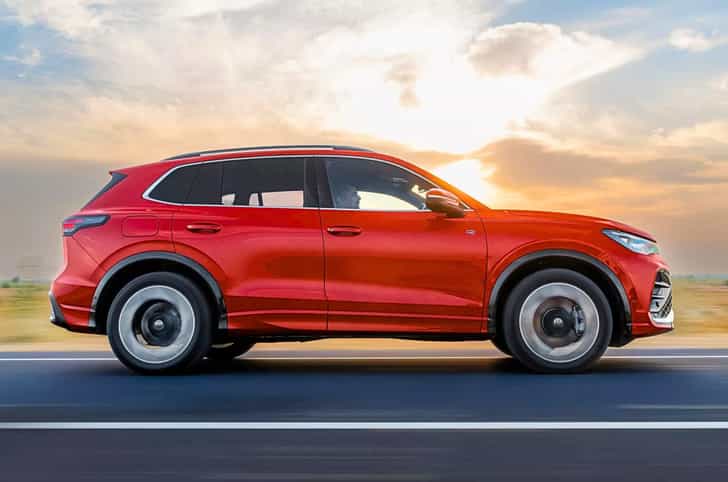
Dear Autocar India Team, I am writing to highlight a serious ownership concern with premium Volkswagen Group CBU SUVs in India. I own a Volkswagen Tiguan R-Line costing over Rs. 60 lakhs on road. After tyre damage, I approached the authorised service network and was informed that the OEM tyre size - 255/45 R19 - is not available in India. This is a safety-critical consumable, not a cosmetic accessory. For a premium CBU SUV, it is deeply disappointing that owners are left struggling to source the standard tyre size after damage. This concern may not be limited to the Tiguan R-Line alone. The Volkswagen Tayron R-Line in India also uses the same 255/45 R19 tyre size, and the recently launched Skoda Kodiaq RS uses another rare performance tyre size, 235/45 R20. This raises a larger question: are premium CBU models being sold in India without adequate long-term tyre and consumable support? Insurance has approved an alternative tyre size in my case, but that does not solve the core issue. Owners should not be forced into non-OEM tyre sizes because the manufacturer has not ensured the availability of the factory-specified tyre. I had publicly raised this with Volkswagen India, but received no response. I request Autocar India to kindly look into this and raise the issue with Volkswagen India / Skoda Auto Volkswagen India, so that either OEM tyre availability is ensured or formal written guidance is provided for safe alternative tyre sizes. Regards, Dr. S. Alagu Ganesh Madurai

We’ll take this up with Skoda Auto Volkswagen India right away and ask for a clear tyre support policy, stocking timelines for 255/45 R19 and 235/45 R20 in India, and written guidance on approved alternates. We will publish their response.
You’re right to call this out. A Rs. 60 lakh CBU that leaves owners hunting for a basic, safety‑critical size is not acceptable. No doubt, import curbs and BIS rules have choked niche sizes, but that is the OEM’s job to solve with their tyre partners, not the owner’s problem.
While we push for a fix, two practical options keep you mobile without straying far from spec. For Tiguan R‑Line 255/45 R19, the closest matches are 245/45 R19 or 235/50 R19. For Kodiaq RS 235/45 R20, 255/40 R20 is closest. Only choose tyres with equal or higher load and speed rating, check full‑lock clearance, and do an alignment. With AWD, replace in pairs at a minimum, ideally all four, to avoid drivetrain stress. Expect a small speedometer error.
Explore cars mentioned
@autocar.india Thank you very much for taking this up with Škoda Auto Volkswagen India. However, I would like to clarify an important practical issue with the alternatives suggested. 235/50 R19 is also not reliably available in India in suitable premium brands and the required load and speed ratings. An online catalogue listing does not necessarily mean that replacement stock can actually be sourced when an owner is stranded. 245/45 R19 is even less suitable for the problem I am trying to solve. Although both sizes carry a “45” aspect ratio, the narrower 245 tyre has an actual sidewall height of only 110.25 mm, compared with 114.75 mm for the original 255/45 R19. It therefore offers still less impact cushioning and may make the tyre and alloy wheel more vulnerable to similar pothole-related damage on Indian roads. In my opinion, the most logical and road-appropriate solution would be a Volkswagen-approved 18-inch wheel package with 235/55 R18 tyres. This size has a sidewall height of 129.25 mm—14.5 mm or approximately 12.6% more than the original tyre—while its overall diameter differs from 255/45 R19 by only about 0.5%. More importantly, this is not an arbitrary aftermarket suggestion. 235/55 R18 was factory-fitted on the previous Volkswagen Tiguan and Tiguan Allspace in India. It is also the tyre size used on the current Škoda Kodiaq and the newly introduced five-seat Volkswagen Tayron Life. Volkswagen itself specifies 235/55 R18 for the Tayron Life and 255/45 R19 for the Tayron R-Line. This demonstrates that the 18-inch configuration is already a recognised Volkswagen Group solution for closely related premium SUVs. I am not asking owners to independently modify their vehicles. Volkswagen India should either: 1. Ensure continuous availability of the original 255/45 R19 tyres, or 2. Formally homologate and offer a complete 235/55 R18 wheel-and-tyre package, specifying the correct alloy-wheel width, offset, load rating, speed rating, tyre pressure, TPMS compatibility and brake-caliper clearance, while confirming that vehicle warranty and insurance will remain unaffected. For Indian road conditions, offering a properly approved 18-inch package would be safer and more practical than directing owners towards another rare 19-inch size or an even shorter-sidewall alternative. Owners of ₹60-lakh vehicles should not be forced to experiment with safety-critical specifications merely because the manufacturer has not arranged replacement tyre support. Regards, Dr. S. Alagu Ganesh M.S.,D.N.B.,MRCS(Edin),M.Ch.(Surgical Oncology), D.N.B.(Surgical Oncology), E.B.S.(Surgical Oncology) Specialist Training in Thoracic Oncology Consultant Surgical Oncologist Vadamalayan Hospitals Madurai
More posts on similar cars

Has E20 fuel affected your mileage?



Is ADAS worth paying extra for in a car?
Popular discussions right now
Upcoming launch buzz
Community discussions on upcoming launches
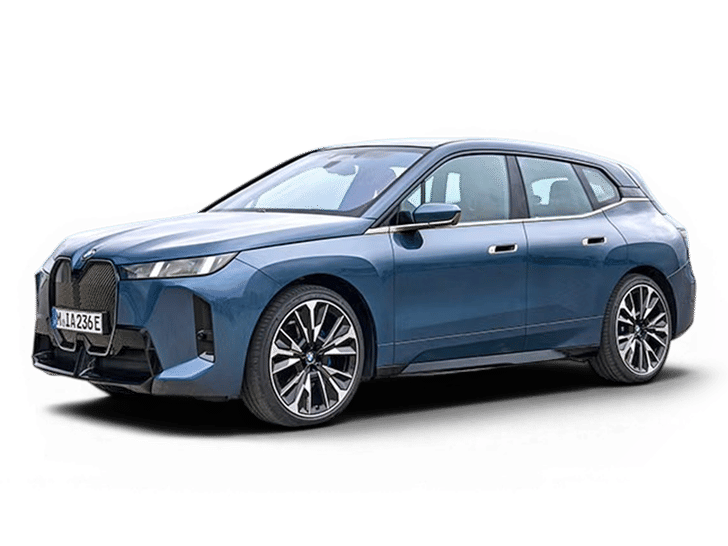
BMW
iX facelift

Audi
New Q5

Audi
A6 e-tron

Audi
Q6 e-tron

Audi
e-tron GT facelift
Volkswagen
Virtus facelift
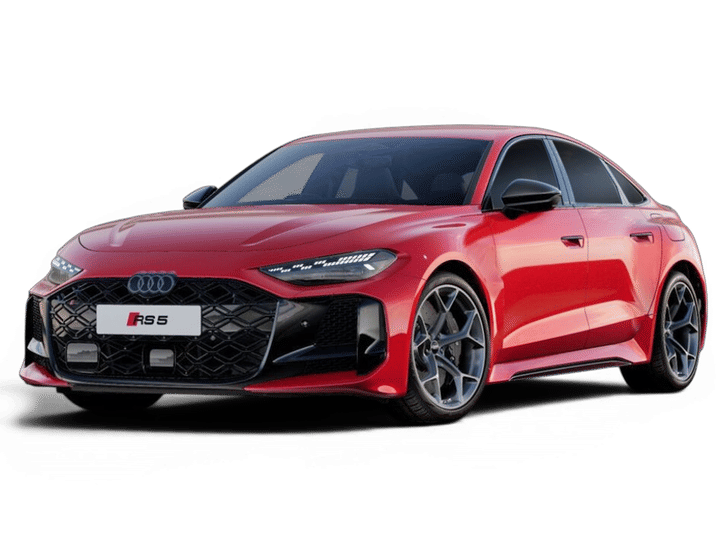
Audi
A5

Vinfast
VF5

Audi
New Q3
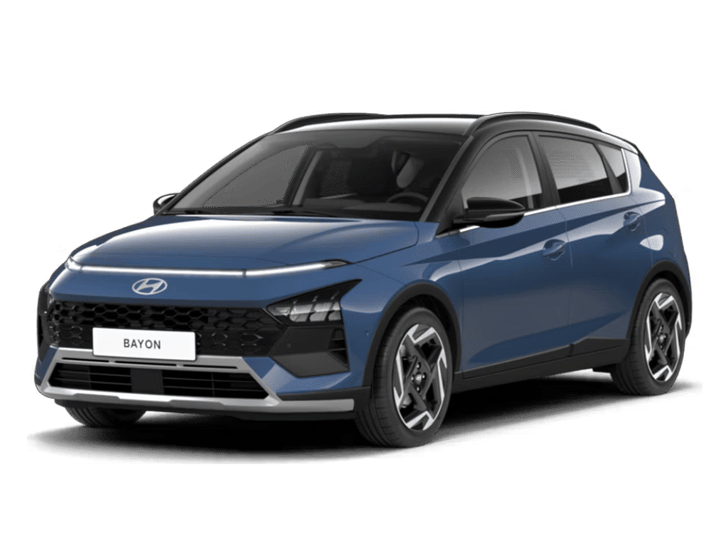
Hyundai
Bayon

Want to sell your car?
Sell your car at the right price, without the stress.
Posted on: 7 Jul 2026