autocar-logo
Mumbai
VV

Vishist Vijay Tiwari

1d

I am planning to buy a 7-seater car in the coming months. My annual running is approximately 18,000 km, including 4–5 long trips ranging from 800 to 2,200 km. The car will mostly be used with full seating capacity. My budget is around ₹18-20 lakh (on-road), and I expect good fuel efficiency. I currently own a Tata Tigor and am now looking for an upgrade with a more premium cabin and a stress-free ownership experience. I am confused between a used Toyota Innova Crysta and the Kia Carens Clavis (both diesel). I am open to other options as well, provided they offer good fuel economy.

Autocar India team

Autocar India

Verified
11m

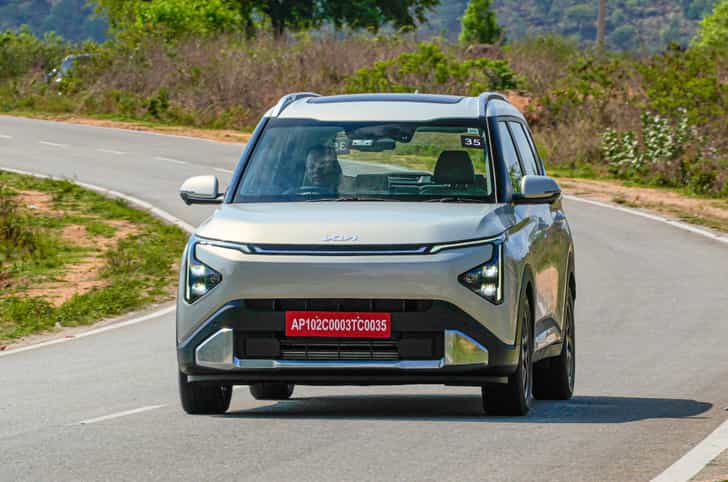
You're right to shortlist a diesel 7-seater and specifically these two MPVs, which, for the money, have the best three rows of seats on the market. The Kia Carens Clavis is the more modern option, of course, and will get you the latest features and better quality interiors. It is also the more fuel-efficient of the two and the friendlier vehicle to drive in the city, when you are not taking your long road trips. 

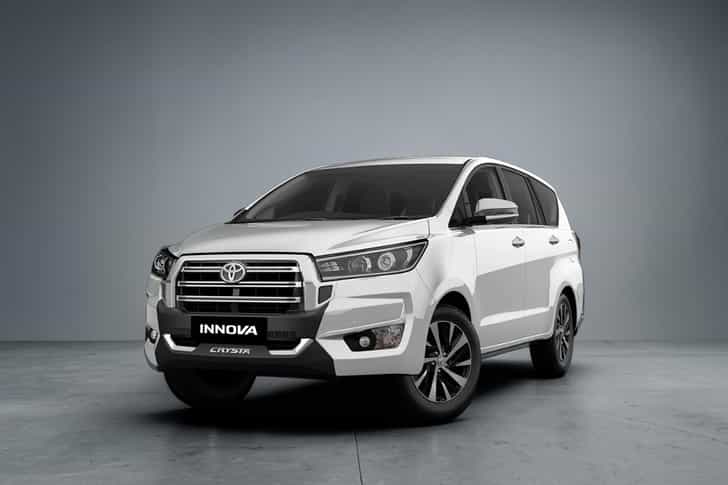
However, it's worth noting that with a full load of passengers and luggage, the 1.5 diesel engine will have to work hard, and those fuel economy numbers will drop, and overtaking won't be as effortless. Getting a used Innova Crysta in your budget, in good condition with low mileage and high specification, may actually be more of a challenge than you think. But that's just an indicator of how reliable it is, and how well it holds its value. It definitely has the stronger engine and more space, but makes some sacrifices to low-speed ride comfort, ease of driving and fuel economy. Overall, though, given your full-capacity usage, we would recommend the Innova. 
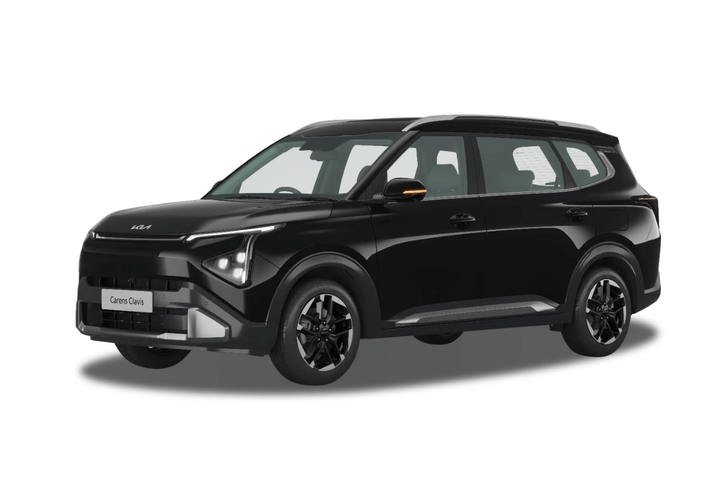
Kia Carens Clavis

Kia Carens Clavis

Recommended questions for you

NI

Nipen

21h

Hi Autocar Team, I am confused between the new Skoda Kushaq facelift automatic and the Kia Seltos HTK(O) IVT. My usage is around 90% city driving, covering approximately 40 km daily. Could you please advise which would be the better option for long-term ownership, considering comfort, after-sales service, and overall reliability?

Autocar India team

Autocar India

Verified
2h

Of the two, you should go for the Kia Seltos HTK (O) IVT. For your 40km daily use, that's 90 percent in the city, the smooth CVT and lighter steering will make day‑to‑day driving a lot easier. Despite being the larger vehicle, the Seltos feels a bit lighter on its feet and easier to manoeuvre. Though the new 8-speed torque converter auto is in the Kushaq facelift. It is a vast improvement and a match for the Kia CVT on smoothness; the engine's turbo lag at low RPMs can catch you out at crawling speeds, such as in slow-moving traffic. The one thing you give up with the Seltos IVT is mid‑range punch. Its 1.5-litre naturally aspirated petrol engine may be smooth, but it doesn't have the same solid surge of torque of the Kushaq's 1.0 TSI engine, once its turbocharger kicks in.

VehicleKia New Seltos
NI

NITHISH

19h

I am confused between the new Skoda Kushaq MT base model and the Seltos base model MT. Both come in a similar price bracket. Usage: Family, occasional driving, hardly 3 to 5k km in a year, as I already have one daily driving car. The Alto K10 was driven 22k km in 8 years, so the old car will remain. We are not selling it. The new car will be used on occasion. Road conditions: Mostly bad roads, rarely good roads.

Autocar India team

Autocar India

Verified
5h

Go for the Skoda Kushaq Active 1.0 TSI MT. Since you are going in for the base models, you will find the Kushaq a little better equipped with features like automatic climate control versus a manual AC on the Kia Seltos, rain-sensing wipers, rear defogger and a rear washer and wiper.Also, for your 3-5k km a year on bad roads, it delivers a sturdier suspension, and the 1.0 TSI engine delivers a more than adequate level of performance. The one thing you give up is boot volume: Kushaq’s 385 litres versus Seltos’ 433 litres. However, the Kushaq boot is well-shaped, and you can easily get 6 cabin bags inside, which should be more than enough for your occasional family drives.

VehicleSkoda Kushaq
VehicleKia Seltos
SK

Sanjay Kapoor

1d

I am planning to buy the Kia Sonet 1.0-litre turbo petrol HTK(O) DCT. My monthly running will be around 300 km, mostly within Delhi city. However, I have come across several videos mentioning issues with turbo engines and DCT transmissions. This has made me concerned about long-term reliability and suitability for city driving. Alternatively, I am considering the Maruti Suzuki Fronx AMT. Could you please advise whether the Sonet turbo DCT is a good choice for my usage, or if the Fronx AMT would be a better and more reliable option?

Autocar India team

Autocar India

Verified
6h

For your usage of around 300 km per month, purely in city conditions, it makes more sense to go for a simpler and more fuss-free setup rather than a turbo petrol with a DCT.The Kia Sonet 1.0 turbo DCT is a good car. But this combination is better suited for higher usage and mixed driving, where you can actually enjoy its performance. In heavy city traffic, especially in Delhi, DCT gearboxes can feel a bit sensitive in slow crawling conditions, and with your low running, you won’t really benefit from what it offers.In comparison, the Maruti Fronx 1.2 AMT is a simpler and more reliable option for your kind of usage. It is easier to live with in the long run, especially since your running is low and mostly in stop-go traffic. While the AMT is not as smooth as a DCT and performance is modest, it is perfectly adequate for daily city use.Overall, for your usage, the Fronx AMT is the more practical and stress-free choice. The Sonet turbo DCT makes sense only if you specifically want better performance and are comfortable with a more complex setup.

VehicleKia Sonet
VehicleMaruti Suzuki Fronx

Posted on: 23 Mar 2026