Hi, I had planned to buy the Brezza Facelift 1.5 VXI MT and install the necessary accessories after delivery, with a budget of Rs. 12 lakh. However, I am now also considering the Creta 1.5 MT base model or the Kia Seltos base model. The on-road price of the Creta is Rs. 13.61 lakh, while the Seltos costs Rs. 13.72 lakh. Since there is a price difference of about Rs. 1.60 lakh between the Brezza and these two models, I am weighing my options. Would upgrading be a good idea? If so, which one should I choose between the Creta base model or the Seltos base model? Thanks.

 Kia SeltosMaruti Suzuki BrezzaHyundai Creta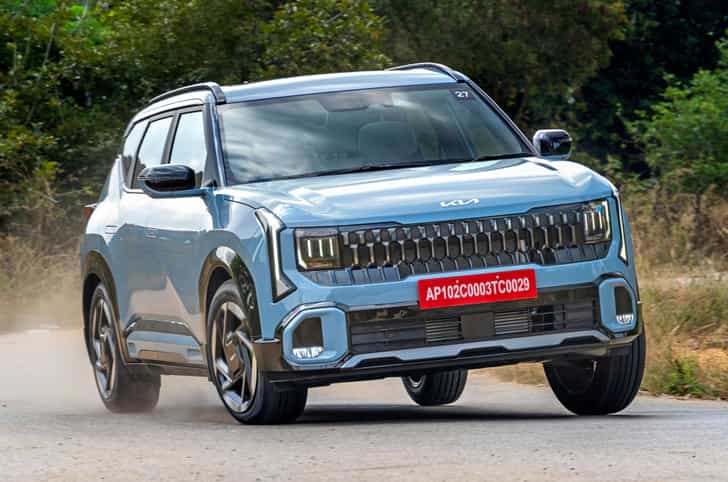
I am from Delhi, and my daily commute is around 80 km. I am looking for an EV with a budget of around Rs. 17 lakh. I have shortlisted the e Vitara Zeta 61 kWh and the Syros ER HTX 51 kWh. I want a niggle-free ownership experience, at least a 400 km range, a smooth and comfortable ride, and good interior space. I also plan to keep the car for at least 8-10 years. Please suggest which one is the better choice.
Kia SyrosMaruti Suzuki e VitaraWe are first-time car buyers from Warangal, Telangana. Both my parents, who are above 50 years of age, will be driving the car regularly, and nobody in our family has owned a car before. Around 60% of our usage will be on highways. We plan to keep the car for a minimum of 6-8 years. We also expect decent mileage, although we understand that both are turbo-petrol cars, so we are not expecting very high fuel efficiency. Between the Kylaq's torque converter and the Venue's DCT, which one is genuinely easier and less stressful to drive for a 50 years+ first-time driver in daily city traffic? For Kylaq Signature Plus AT owners, how is the automatic transmission performing in real-world city driving? Are there any complaints after a few months of ownership? We do have a Skoda dealership in our city, but we would like to know how smooth the actual service experience has been for owners in similar Tier-2 cities. Given that we previously cancelled our Venue HX8 DCT booking due to concerns about ethanol blending, which was priced at Rs. 16.1 lakh on-road, does going back to the Venue HX6 make practical sense, or are we just going in circles? I'm personally interested in the Kylaq, but the car will mostly be used by my parents. If any issue occurs, I want the service centre to be able to resolve it easily without troubling them too much or having the car remain at the workshop for weeks.
Hyundai VenueSkoda KylaqI own a 2017 Hyundai i20 Asta (O) with around 60,000km on the odometer. I am planning to upgrade with a budget of Rs 20 lakh. My priorities are an automatic transmission, ADAS, a sunroof, and a powered tailgate. I have shortlisted the Hyundai Creta, Kia Seltos, and Tata Sierra. Which of these would be the best long-term choice, and why?
Kia SeltosHyundai CretaTata SierraHi Autocar team! I’m a first-time driver looking for a small car for my little family. My budget is under Rs 8 lakh. I’ve currently shortlisted the Maruti Suzuki Celerio, Hyundai Exter, and Hyundai Grand i10 Nios. Which of these would be the best choice for me, or is there another car you would suggest?
Hyundai Grand i10 NiosMaruti Suzuki CelerioHyundai ExterI am looking to buy an SUV / compact SUV with a budget of around Rs 25 lakh. I have been using a 2014 Honda City i-VTEC CVT VX for the last 12 years with zero issues and have been really happy with it. The car has run just under 40,000km till date, as my monthly driving is only around 300km, mostly in the city. My spouse and I are not big car enthusiasts, so we do not know much about technical aspects, including engines and the like. Also, I am not a very big fan of too many digital controls on the dashboard. I need a good, spacious car with good exterior and interior quality and decent features.
Hyundai CretaHonda Elevate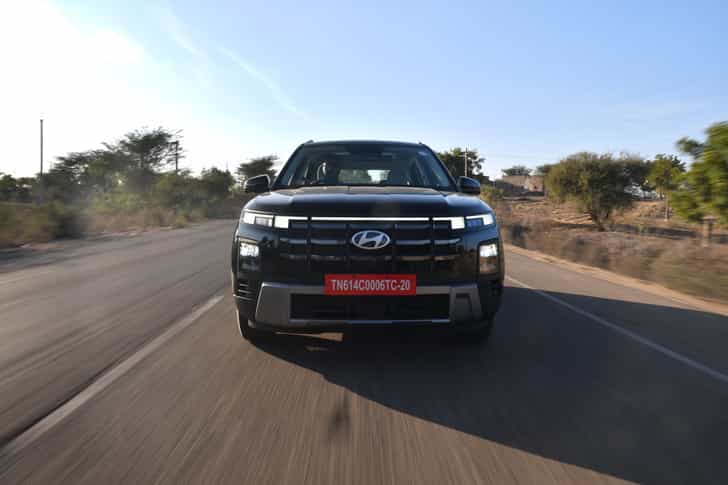
Dear Autocar, I’m looking for some advice on a dilemma that I haven’t been able to resolve. I’m replacing my 2015 Audi Q3 Diesel, which has been an excellent long-distance tourer for us. I haven’t test-driven the Alcazar yet, but I plan to do so shortly. My annual running is relatively low, so this isn’t a petrol vs diesel question from a fuel-cost perspective. Our typical usage is very long road trips (Mumbai-Goa and similar), often 8-10 hours at a stretch, with two adults (my wife and me), our Beagle, and lots of luggage. We also drive through highways, ghats, villages and city traffic, so the car needs to feel effortless and confidence-inspiring in every situation, especially while climbing steep ghats with a full load. I’m considering the Hyundai Alcazar, but I’m confused between: 1. 1.5 Turbo Petrol DCT 2. 1.5 Diesel AT (Torque Converter) If the petrol had a conventional torque-converter automatic, I would probably choose it without a second thought. My dilemma exists only because the petrol comes with a DCT, whereas the diesel gets a torque-converter automatic, which is generally considered smoother and more refined at low speeds. My priorities are, in order: - Overall refinement and cabin quietness - Smoothness of the transmission in city traffic - Effortless performance while climbing ghats with a full load - Long-distance comfort and relaxed cruising - Long-term ownership experience and reliability I am not looking for maximum fuel economy or the lowest running costs. I also have another dilemma regarding the seating configuration. Should I choose the 6-seater with captain seats or the 7-seater with the bench seat? My wife almost always travels in the second row during our road trips. She normally likes sitting in the middle seat because she enjoys the forward view. However, from the videos I’ve watched, the captain seats in the 6-seater appear significantly more comfortable and supportive for long journeys. Based on my usage, which powertrain and seating configuration would you recommend, and why? Thank you.
Hyundai AlcazarMahindra XUV 7XOI am planning to buy a car for my sister. She currently drives a 2016 Volkswagen Polo diesel manual. The budget is around Rs. 20-22 lakh. Her priorities are a premium-looking interior, a feature-rich cabin, low maintenance costs, and good performance. A diesel engine is strongly preferred. She was initially interested in the Hyundai Creta, but someone advised her to wait because the Creta is expected to receive a facelift in March 2027. Please suggest some good options.
Kia SeltosVolkswagen TiguanI’m planning to buy a new car for casual use with a budget of under Rs. 11 lakh. It will primarily be used for city driving, including daily office commutes and occasional weekend trips, with an expected monthly running of around 300 to 400km. My priorities are reliability, low maintenance costs, good fuel efficiency, and a car that is hassle-free to own over the long term. I’m currently confused between the Maruti Suzuki Dzire, Swift, Honda Amaze, New Brezza, and Fronx. I don’t specifically need a turbo-petrol engine, although I’m open to considering one if it offers good features. I would prefer a manual gearbox, but I’m also willing to consider an automatic or AMT if it delivers good mileage in city driving. The Dzire has caught my attention, but I’m slightly hesitant because of its three-cylinder engine. Please clear my confusion.
Maruti Suzuki DzireMaruti Suzuki BrezzaMaruti Suzuki FronxMaruti Suzuki SwiftHonda AmazeHi Autocar, I currently drive a 2015 Honda City petrol and am planning to replace it with a 7-seater that I intend to keep for the next 10 years. My annual running is around 10,000km, with approximately 8,000km in the city and 2,000km on highways. My budget is Rs. 25-30 lakh. I also have rooftop solar and a dedicated home charging setup, so an EV is an option. Since I am a business owner, I can also claim depreciation benefits on an EV. Please suggest a car.
Kia Carens Clavis EVToyota Innova HyCross