Latest questions answered by experts
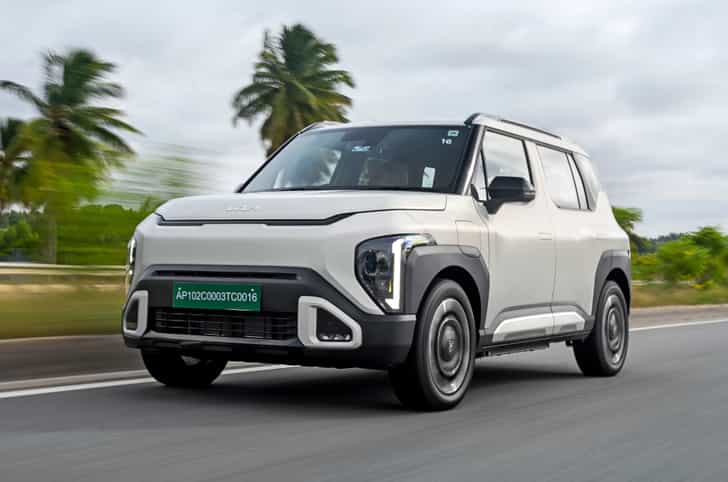
I'm planning to buy a new car for daily use (we already have a Ciaz diesel at home), and I've been going back and forth for a while, so I'd really appreciate some expert opinions. I started with the Brezza, then widened it to the Nexon, XUV 3XO and a few others. My running is high, about 20,000 km (In total, 2 cars) a year (well over 15,000 km at the least), so I figured a diesel makes more sense than petrol. I liked the 3XO MX2 diesel the most. If I go ICE, it will be a manual only. Now the Kia Syros EV is on my shortlist too. On-road prices as I see them: 3XO MX2 about Rs 11 lakh, Syros EV about Rs 15 lakh, so a Rs 4 lakh gap. My rough numbers: - 3XO diesel at around 18 km/l and about Rs 98/litre works out to roughly Rs 1.09 lakh a year in fuel. - Syros EV charged at home (42 kWh pack, 320 km claimed, maybe 250 km in real life) works out to roughly Rs 30,000 a year in electricity. - Including lower servicing for the EV, I'm getting a payback of about 4.5 to 5 years. I'm also considering a home solar plant (about Rs 2.25 lakh). Other points: I can charge at home every day, and I rarely do trips above 300 km (and the Ciaz is there for any long trips). I also hear the Hyundai HE1i is coming around the end of this year or early next year, so I'm wondering whether to wait for it. So, what would you do? Is the Syros EV worth the extra Rs 4 lakh at this running, or should I stick to the 3XO diesel? Anything I'm missing, like battery warranty, resale value, or real-world range and service experience? Thanks in advance!
Of the cars on your shortlist, the Kia Syros EV would be the one we'd recommend. It feels superior to the Mahindra XUV 3XO in many ways. For starters, it feels significantly airier inside, offers more luggage space and just feels newer with better-executed tech. The ability to charge at home significantly moves the scale in favour of the Syros EV. Your electricity and charging costs would be negligible, particularly with a home solar plant. While the 42 kWh battery pack version will not be ideal for 300km road trips, a charging stop will give you the range you need. Where the Syros EV excels is as a city car with an ease of use and refinement that the Mahindra can't match.Kia has also gone the distance with assured buybacks and a warranty on the battery pack, so you can go ahead with your purchase with an added degree of comfort. Hyundai will bring out a new electric car next year, and it could be worth the wait if you're not in a pressing hurry for a new car. As things stand, however, the Kia Syros EV is a sensible pick for your requirements.

Upcoming launch buzz
Community discussions on upcoming launches
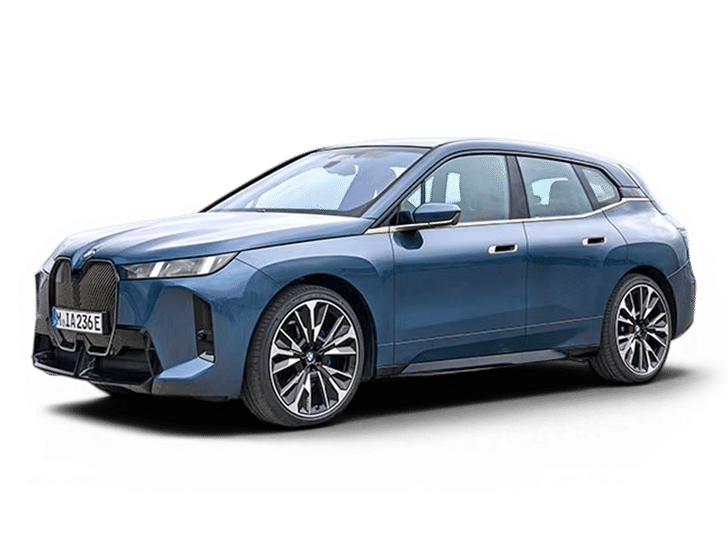
BMW
iX facelift
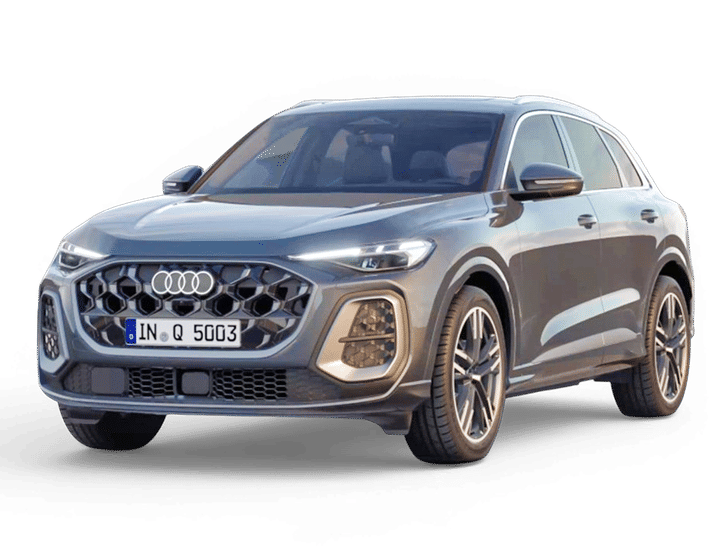
Audi
New Q5
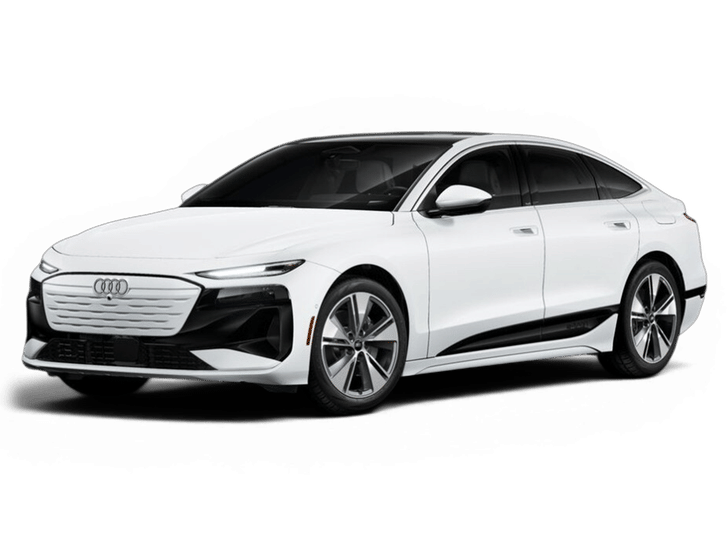
Audi
A6 e-tron
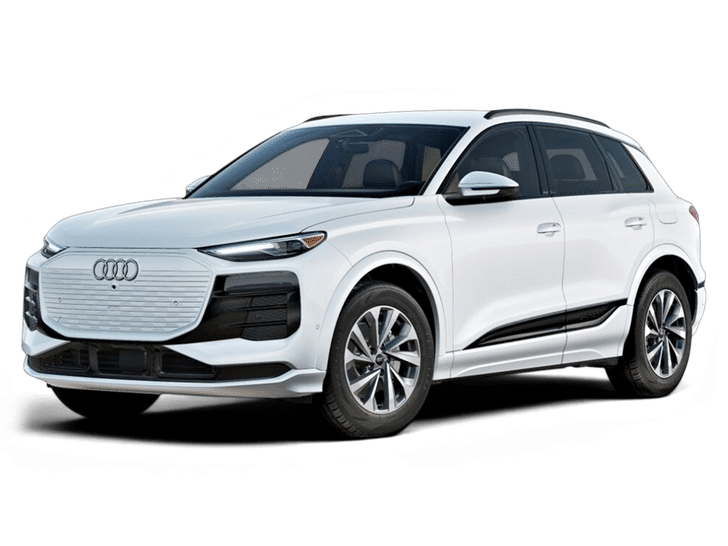
Audi
Q6 e-tron
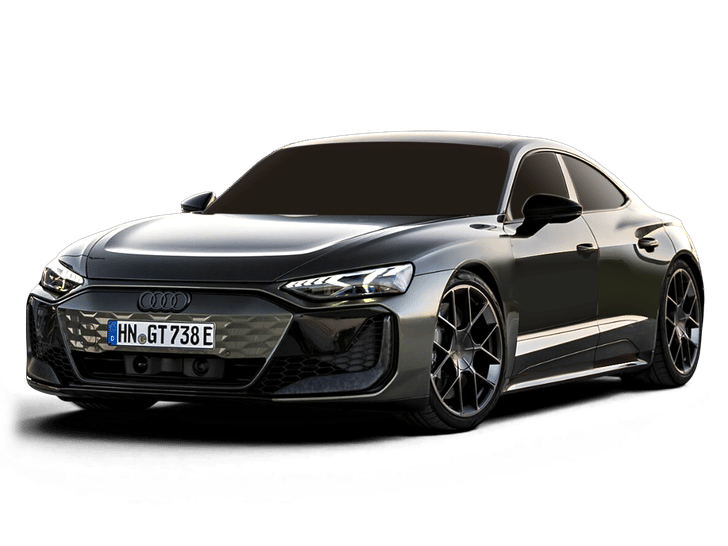
Audi
e-tron GT facelift
Volkswagen
Virtus facelift

Vinfast
VF5
Maserati
GranTurismo facelift

Maserati
GranCabrio

Maserati
Grecale facelift
Hello Autocar India! We’re a family of three looking to replace our 2012 Maruti Suzuki Alto K10 VXi. It will be our second car, since we already own a Honda City bought in December 2025. The second car will be used for emergencies and for places with narrow roads or tight parking spots. We’ve shortlisted the Maruti Suzuki Swift LXi and the Hyundai Grand i10 Nios Era. The second car will be used mostly in the city, while occasional highway trips will be done in the Honda. Since we’ve clocked only about 2,900 km on the City so far, it’s hard to estimate how much the second car will be driven. Is it worth stepping up to the Swift VXi AMT or the Grand i10 Nios Magna MT? I also have a couple of doubts: 1. The Z12E engine was launched only in 2024, so it isn’t as tried and tested as Hyundai’s 1.2 Kappa. What are your thoughts on its long-term reliability? 2. Since the Z12E is a three-cylinder engine, how will its refinement hold up over time? Thank you in advance!
The Maruti Suzuki Swift VXI AMT would be the right car for your requirements. The Swift is the newer car and feels better outside and inside. It also feels better suited to city use. The Z12E engine is tuned for low-end power and works well enough with the AMT gearbox. While the Z12E is a relatively new engine, you shouldn't have any trouble with long-term reliability. Suzuki's engines are renowned to be reliable and go on for years and years, provided you stick to regular maintenance schedules. The Z12E engine is also refined for a three-cylinder unit. It runs quiet and you can only feel a buzz at idle if you really pay attention. The engine will thrum when you rev it hard but that will be a rarity in your use case.Go ahead with the Maruti Suzuki Swift VXI AMT. It'll be a good second car to your Honda City.
Hey guys! We’ve been using a 2019 Kia Seltos 1.4 DCT and are now planning to change our car. I’m leaning towards a sedan, particularly the VW Virtus, mainly for its performance, driving comfort, and overall build quality. I’ve also driven the VW Vento 1.0 TSI before, so I’m familiar with the driving experience. However, the Virtus doesn’t quite feel like a significant upgrade from our current car, especially considering that the interiors feel a bit dated compared to what’s available today. I’ve also been looking at the Toyota Camry, which I think is a beautiful car and offers a more premium experience, but it’s a little too expensive for our budget. We drive around 15,000 km a year, with a mix of city driving and highway trips. I’m looking for a car that offers an engaging driving experience, good performance, comfortable long-distance cruising, and a premium feel. A sedan would be my first preference, but I’m open to an SUV if it makes more sense. What would you guys recommend? Are there any cars worth considering that would feel like a genuine upgrade from the Kia Seltos ?
Unfortunately, there are only few sedans to choose from. Aside from the Volkswagen Virtus that you're familiar with, there's the Skoda Slavia, Hyundai Verna, and Honda City. While all models are good in their own right, none of them would feel like a significant upgrade over your 2019 Kia Seltos 1.4 DCT. The Toyota Camry is a great product but would be too much of a stretch. With sedans out of the question, we'd shift our focus to SUVs. And the first model that comes to mind is the new Kia Sorento. It's significantly larger than the Seltos, offers the flexibility of a third row of seats and feels genuinely premium on the inside. Your kind of use makes the Sorento Hybrid worth a look. It's got more than adequate power, and you'll also get great fuel economy over your mix of city and highway drives. If your priority is more towards the highway experience, we's guide you towards the Sorento diesel. The diesel is strong and punchy and works really well with the dual-clutch gearbox. It makes for a refined highway cruiser that you'd happily spend long hours in. Of the other models, you could also consider the Mahindra XUV7XO petrol. Again, it's got the flexibility of three rows of seating, feels plush and packs in loads of features. The 200hp petrol engine is also very impressive. However, if you've been happy with the Kia experience, the Sorento would be our pick for you.
Are any flex-fuel vehicles expected to launch in India, and is there a timeframe for their arrival? Does it make sense to wait for one or buy an existing E20-compliant car?
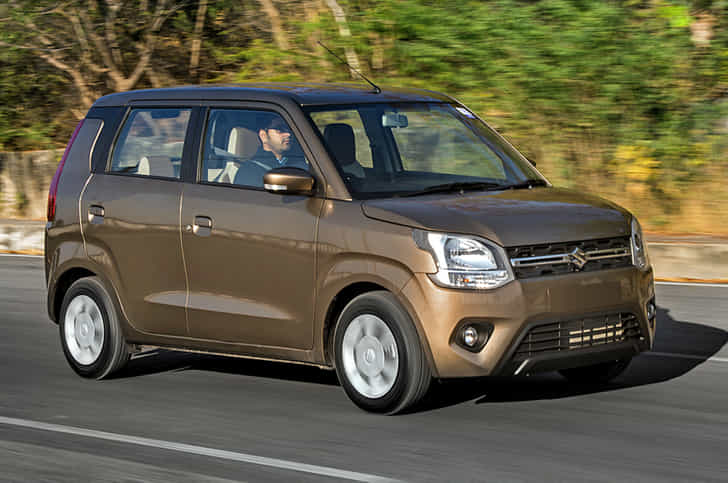
Currently, the only flex-fuel car on sale is the Maruti Suzuki WagonR flex-fuel. However, many car makers such as Toyota, Tata Motors, Kia, and Hyundai have shown flex-fuel vehicle concepts on different occasions. We expect a few more models and even some launches at the Bharat Mobility Show in February 2027. If you are not in a rush to buy a new car, it makes sense to wait till the first quarter of next year for more announcements and firmer timelines.All petrol cars currently on sale are not only E20-compliant but can also support slightly higher blends of ethanol without any material damage to the engine and other components. As such, today's cars will be able to support the base ethanol blend for years to come without any concern.Flex-fuel vehicles, which can support even higher blends of ethanol, do make your vehicle future-proof to an extent. However, as the ethanol blend increases, efficiency decreases. At current fuel prices, the drop in fuel economy isn't compensated by the lower price of E85 petrol. Flex-fuel vehicles would make more sense with some kind of hybrid setup that would compensate for this drop in fuel economy.

Hi, I’m a beginner driver about to join driving school (learning manual first). My wife is also a new driver. We plan to buy an automatic car primarily for family convenience with our infant. Could you please advise on the following? Transmission: While IVT/CVTs are smooth and easy in city traffic, do they compromise too much on highway driving fun? Car Recommendations: Which automatic cars within Rs 13-20 lakhs would be best suited for two beginner drivers in terms of city ease, safety, comfort, and occasional highway enjoyment?
Considering you're looking for your first car and want something that's light, compact and convenient to use, the Skoda Kylaq would be our top recommendation. It has a 1.0-litre turbo petrol engine mated to a 6-speed torque converter automatic gearbox, which is extremely smooth in the city and also very adept on the highway. The ride quality is also very good, and its compact dimensions make it easy to use in the city. You also have good ground clearance, so it is comfy when it comes to bad roads, and it actually fits well within your Rs 13-20 lakh budget and gets a lot of equipment as well.What's also very good on the Kylaq is the safety, as it has received 5 stars in BNCAP crash test ratings and gets good safety equipment. All things considered, the Kylaq in its top spec Prestige+ trim would be our top recommendationIf you'd like a second option, consider the Hyundai Venue. It is the newer car compared to the Kylaq, and it has a lot of features as well. Also, being a Hyundai car, it's very easy and light to drive and easy on the wallet. If you want something that's fuss-free, then the Venue will be a good choice and will fit within your budget if you go for the petrol automatic.
I'm looking for a compact SUV that feels well-built and is enjoyable to drive. My driving is split roughly 60:40 between the city and highways in Bengaluru. I was considering the Tata Sierra and Hyundai Creta EV, but after multiple test drives, I realised the Sierra is too boxy for my taste and the Creta EV is too expensive. I hadn't seriously considered the Skoda Kushaq or Volkswagen Taigun before, but I really enjoyed driving them. They feel superbly built, do the basics of being a car very well and put a smile on your face while doing so. However, they lack auto-hold and consume a lot of petrol. I recently moved back to India, and this will be our first car. I hadn't given much thought to range until recently. I've already booked the Renault Duster hybrid without a proper test drive, but I want to test-drive the Duster 1.3-litre DCT and the Kushaq/Taigun 1.5-litre DSG versions as well. I expect to get a chance to test-drive the Duster hybrid in about a week or 10 days. What would your advice be at this stage?
With your requirements, the Renault Duster Hybrid would be the ideal choice against the Volkswagen and the Skoda. The Duster is enjoyable to drive, and its hybrid powertrain also offers good fuel efficiency. Since 60% of your driving is in the city, the Duster Hybrid would be idealIt isn't a typical hybrid with a CVT that can whine when you accelerate on the highway. Instead, it has a proper gearbox that feels a lot more adept at triple-digit speeds, making highway drives more enjoyable. Boot space is also quite good for a hybrid, so there isn't much of a compromise in practicality. You miss out on things like a spare wheel as standard and a 360-degree camera, but otherwise, the cabin is well equipped.Back seat space is not exactly class best, but cushioning and support from the seats are rather good. The only other issue might be after-sales service. Check where Renault dealerships are in your area and if it's not a problem then the Duster would be the ideal choice to get for your requirements.
Hi team, I'm looking for a two-wheeler for city commuting and am open to both motorcycles and scooters, although I'd prefer a motorcycle. I'm 41 years old, weigh 98 kg and am 5'6" tall. I ride only in the city, mainly through Bengaluru's heavy traffic, with occasional stretches of open roads. My daily commute to and from work is around 10-20 km. I mostly ride alone, but occasionally carry my wife and my four-year-old child as pillion passengers. Budget isn't a concern. Please suggest suitable options, including newly launched models and those expected to launch soon. I currently own a first-edition Royal Enfield Hunter 350, but I don't like its proportions because it feels too cramped for me. I'm looking for a more relaxed riding position and comfortable suspension.
Since you already have a Hunter and are used to its power but want something more spacious, the logical next step would be to look at the Honda CB350 (formerly known as the H'ness CB350) and Royal Enfield Bullet / Classic 350. These bikes offer a similar level of performance and fuel economy but will be much more spacious and comfortable owing to their more open riding positions and better suspension setups (first-gen Hunter suspension was super stiff; it got updated rear shocks in 2025).The Honda is the lighter machine of the two bikes suggested above, and if you want ease-of-use on a daily basis, that will matter. To ensure you make an informed decision, take a test ride of both before you go ahead with your purchase.
Hi Autocar team, I'm really stuck between two bikes for my first motorcycle purchase and could use your advice: the Honda Rebel 300 and Triumph Bonneville T40. I'm 5'10" tall, weigh 75 kg and currently ride an Activa 125. I also have some experience riding 150cc bikes in both city and highway conditions. Budget isn't a major constraint, as I'm comfortable spending around Rs 3.5-4 lakh on-road. Since the price difference between these two bikes isn't a deciding factor for me, choosing between them has become even harder. My usage will mainly involve a short daily commute of 7-8 km, with occasional weekend highway rides of 100-150 km. I love the Rebel's distinctive looks, but its 125mm ground clearance makes me nervous about uneven speed breakers and rough patches. The Bonneville T40 looks gorgeous, has plenty of ground clearance and seems more practical for occasionally carrying a pillion. However, its tubed-spoke wheels make me anxious about punctures on Indian roads. The delivery timelines also matter slightly, as I want to move away from my daily commuter. Another point to consider is that both dealerships are in another city, around 100km away on a round trip, so I'd have to travel that distance for servicing and any issues that might arise. Between the two, which would you pick as a sensible yet characterful step up from a commuter? I'd love to hear your thoughts!
Given that we are yet to ride both the Triumph Bonneville T40 and Honda Rebel 300, we can't yet comment on which one is better, although judging purely from a practicality standpoint, the Bonnie ought to tackle Indian roads better with its longer suspension travel, larger wheels and taller ground clearance. If you must have either of these bikes, we'd recommend waiting a few months until ownership and media reviews are out and you can test ride both before making a decision. This is especially pertinent since you mentioned that neither brand has a presence in your city and it's a 100km round trip for you.In the meantime, why don't you check out the slower and heavier but charming and proven Royal Enfield Classic 350? The Classic may lose a comparison against these two judged purely based on its specification sheet, but if you like an effortless, torque-rich riding experience with great comfort, then the Classic will be up your alley. We've seen spy shots of the bike (finally!) coming with centre-laced spoked wheels, which will permit tubeless tyres, and we recommend you go for that when it is launched.
I am considering to upgrade from my 2020 Hyundai Creta SX to a seven-seater vehicle. At present, I am evaluating two options: Scorpio N and Tata Safari, both in diesel base models. Help me decide between these two vehicles.
Between the Scorpio N and the Safari, we would recommend the Scorpio N as it has a more sophisticated suspension, better ride quality, and a much better diesel engine that is good in performance and refinement.However if third-row space is absolutely crucial, then we would actually recommend that you try out the Mahindra XUV 7XO as well. It gets the same engine as the Scorpio but you also get a slightly better third row and better comfort as well. The suspension and ride quality on the 7XO are a lot better compared to the Safari.The Safari would only be a recommendation if a lot of your driving is over really bad and broken roads because that is where the Tata really comes through. For everything else the Mahindra 7XO is a better bet. If you're looking for a base entry-level model, it might be slightly pricier but it will be worth spending that extra money on the 7XO rather than the Scorpio N.
I want to buy a 2-wheeler under Rs. 1.5 lakh but I am confused between Yamaha FZ-Fi and TVS Apache RTR 160 2V. Please advise.
The Yamaha FZ-Fi is one of the most dependable, practical and fuel efficient commuters in its class but its not what you'd call cutting edge or exciting from a performance standpoint. Over the years, the FZ has transformed from one of the most powerful machines in its category to now making power akin to most sporty, new-age 125cc commuters like the Raider and Xtreme. Where that pays dividends is in terms of fuel economy and the FZ scores really high in this regard. In some ways the TVS Apache RTR 160 2V is similiar to the FZ in that it is a decades-old product that has been soldiering on with small updates sprinkled in over the course of its lifecycle. Where it differs from the FZ is that this is still a quick and peppy commuter and will 'feel' fun to ride. Its engine isn't the most refined and its design is now the better part of two decades old but the Apache 160 2V is nonetheless a sorted machine in its own right. These bikes have very different riding experiences so we'd recommend a test ride of both to figure out which one makes more sense for you.

My budget is between Rs. 40-50 lakh (on-road) for a car in Surat. I need a premium 6-7 seater automatic car for city driving and highway trips. The third row will be used occasionally. My driving pattern involves driving around 20,000 km over six months and 3,000 km over the other six months. It results in driving approximately 23,000 km annually. This is why I’m confused between petrol, diesel and hybrid options. Please help me compare the Skoda Kodiaq, Kia Sorento, Toyota Innova Hycross Hybrid and Toyota Fortuner, considering real-world mileage, performance, comfort, safety, features, maintenance, resale value and long-term ownership costs. Which is the best overall choice for my usage, and are there any better alternatives within my budget?
We'd recommend the Kia Sorento if you’re looking for a premium seven-seater within Rs 50 lakh, particularly if comfort and refinement are priorities. The diesel makes more sense if most of your driving is on the highway, where its strong torque and relaxed cruising ability should come in handy. However, if your usage is predominantly in the city, the hybrid would be the better choice, offering a smoother, quieter and more refined experience.The Skoda Kodiaq is arguably the better driver's car, but it doesn't quite match the Sorento for ride comfort. The Toyota Fortuner, while rugged and capable, also falls short in terms of ride comfort and overall refinement. The Sorento strikes a better balance for someone who wants a comfortable, upmarket family SUV that can handle daily commutes as well as long-distance trips. The interior feels plush, the feature set is extensive and the ride comfort is class-best.
I live in Bangalore and currently, I own a 2008 Swift Dzire. Now, I am looking for a mid-size SUV (around 4.3 m in length due to home parking constraints) under a budget of Rs. 18-20 lakh (+/- Rs. 2 lakh). I cannot opt for an EV or diesel due to my low usage and I cannot opt for a petrol-CNG hybrid, as I feel it is more suited for cabs and then, I will have to wait in very long lines at filling stations since I have observed around 30 cars in queue near my area. I am worried about the uncertainty around ethanol-blending issues, and low mileage of 1.5 litre engine. Petrol-electric hybrid cars are slightly over my budget. I have another year to finalise my new car, which may be my last car purchase, if all goes well. I am not interested in fancy ADAS features. I am confused between Hyryder Hybrid and Creta NA petrol engine. The car will be mostly used for outstation trips. Are there any other cars that you would recommend?
Since diesel, EV and CNG are out of contention, a petrol-hybrid actually gives you the best of what you need. The new Renault Duster Hybrid is an ideal choice given your requirements and your budget. It gets a 1.8 L engine that is mated to a battery pack, making it a strong hybrid with very strong efficiency. It is also around 4.3 m in length.It's also a good-looking car with a lot of ground clearance so bad roads will definitely not worry it. Also, despite being a hybrid boot space is actually usable. For your outstation trips you're not going to struggle too much.Between all the options the Duster Hybrid is the best choice. The starting price is Rs. 17 lakhs but given your budget that can stretch slightly above 20 lakhs. You can actually opt for the top spec model as well. It gets a good amount of kit but it does not get ADAS, which you anyways don't want. The only thing that you would find missing is a spare wheel and a 360° camera. You can get the spare wheel as an optional extra and there is space under the boot floor to store that as well.All things considered I think the Duster Hybrid would be a good choice for you.
Hi Autocar, I currently own a Swift ZXi (2013 model) and it still runs well in Bangalore traffic. I’m looking to upgrade to a big car that has a spacious second row that can be used as a 5 or 7 seater. My budget is around 30 lakh (on-road) but if it is worth increasing my budget, I can consider it. I’m looking for a performance car that will be primarily used for highway driving that will be around 1000km per month. I have taken the test ride of Harrier, XUV 700 (not 7XO), Jeep Meridian (which is my friend’s car that I took for 1000km+ drive and it did not cause any fatigue). I really liked the looks of Sorento but it seems little out of my budget. Is it worth considering now or should I give it some more time? Let me know if I can consider any other car for my requirement that does not have manufacturing or service issues. Also, please suggest whether I should choose diesel, petrol or EVs. I am fine with any fuel but my usage is not that much. Please advice accordingly.
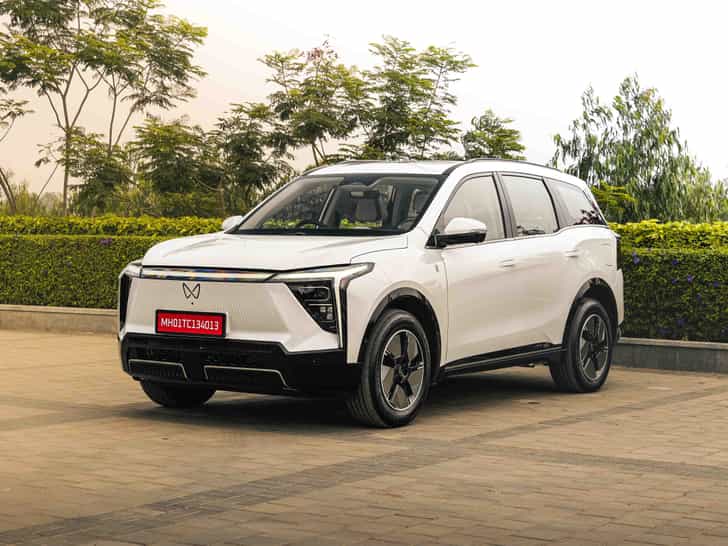
Given your requirements the best choice would be a Mahindra XUV 7XO. Compared to the 700, there are substantial changes in the 7XO with regard to the suspension and ride quality. It also has a lot of tech and with your Rs. 30 lakh budget you can actually get a top-spec AX7 in luxury trim, which gets all the bells and whistles. It gets a very smooth and powerful petrol engine, a smooth gearbox, and a lot of space in the second row. It is also a seven-seater, so the third row is also spacious. If not you can even always fold it and use it as a massive boot. The Sorento is also a good choice but its starting price of over 30 lakh is hard to justify especially when you consider your requirements, which the 7XO fulfills properly. The Mahindra would be the best recommendation.Between a diesel and a petrol, it depends on your usage. If you don't travel a lot and you don't cover a lot of kilometers over a year, a petrol is always better so we would recommend you go for the petrol.If an EV is something you want to choose, then the Mahindra XEV 9S is the best choice as you get the same space as you do on the 7XO, but in an all-electric guise.

I am planning to buy an automatic transmission sedan. I have filtered down to VW Virtus and Skoda Slavia but I am confused between the two since both vehicles are pretty similar to each other. My budget is around Rs. 20 lakh. Also, VW Virtus Topline AT and Slavia Prestige AT variant are in this similar range. Which one to go ahead with and for what reasons? I currently own a Dzire and this will be my first german car.
Since you are upgrading from a Maruti Suzuki Dzire and this will be your first German car, both the Volkswagen Virtus Topline AT and Skoda Slavia Prestige AT are worth considering. They share their engines and platform, so the differences largely come down to styling, features and pricing. The updated Slavia gets improved air conditioning with a new variable geometry compressor, an eight speed torque converter automatic that is smoother and more efficient, larger infotainment and driver display screens, a 360 degree camera and a rear seat massage function, making it a more appealing package than before.However, the Virtus is also expected to receive a facelift soon, with similar styling and feature updates likely. We would suggest waiting before making a decision, especially as the updated Virtus could address some of the current model’s shortcomings.
Need expert advice?
Ask the Autocar community and experts.