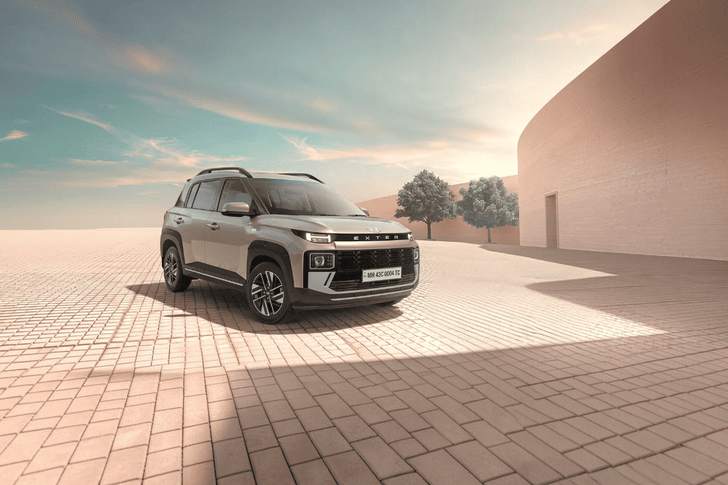
I am considering the Hyundai i20 Sportz CVT and Maruti Suzuki Baleno Zeta AMT for city driving in heavy traffic. My monthly running will be around 1,500-1,600 km, and this will be my first car. I want a car with decent mileage and a smooth driving experience. Which one should I prefer?

 Hyundai i20Maruti Suzuki Baleno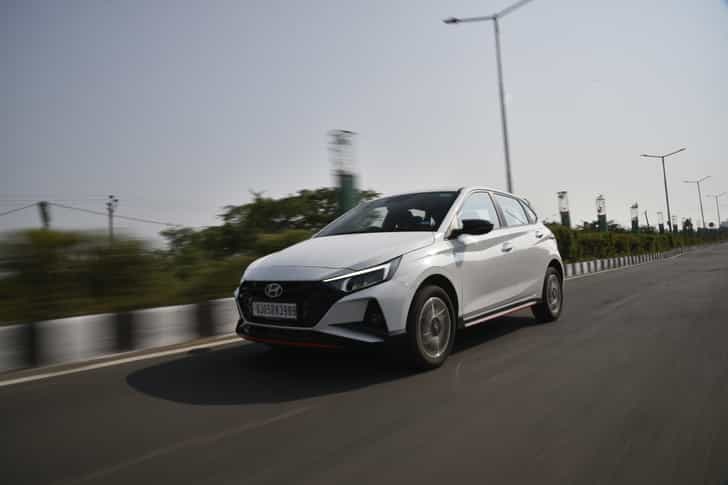
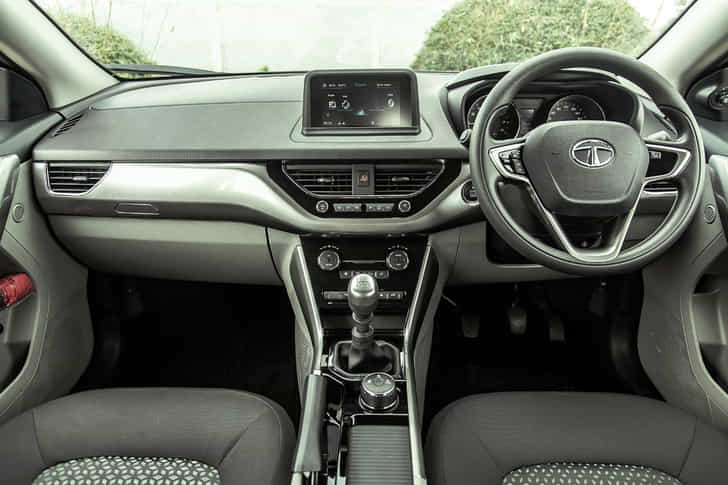
I’m looking to buy the Citroen Aircross X 5-seater automatic, but I’m not completely convinced because of Citroen’s after-sales service and parts availability. If I don’t go for the Aircross, I will have to consider smaller cars such as the Kylaq or Venue, as my budget is Rs. 16 lakh at most. The extra space, ride comfort, and good discounts on the Citroen are tempting compared to the other two. Which one should I choose? My usage will be around 60% highway and 40% city.
Citroen AircrossSkoda KylaqHyundai Venue
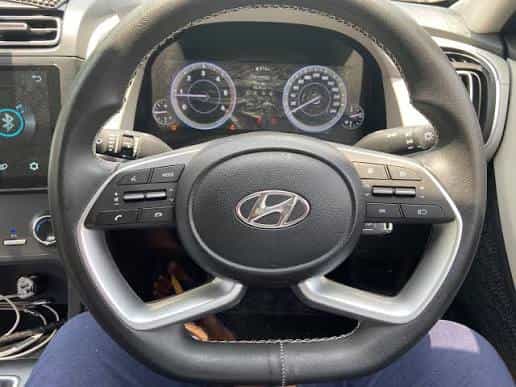
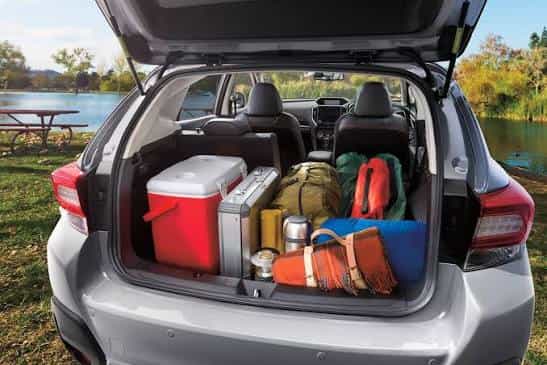
We currently have a 2012 Toyota Etios Liva diesel manual, but we are planning to buy a new car because Delhi's 15-year diesel rule does not allow us to continue using it. We want to switch to a petrol automatic. There are three people in our family. Our usual running includes a 5- 7 km trip to the temple every Monday, along with another 500-600 km of monthly running. Our old car covered around 1,10,000km over the last 14 years. We have Rs 9 lakh in cash and are willing to take a loan. Earlier, we were considering the Kia Seltos HTK(O) petrol DCT, which costs around Rs 18.5 lakh. However, we are now considering the Maruti Suzuki Baleno Alpha O AMT, which costs around Rs 11.5 lakh. The features I specifically want are an auto-dimming IRVM, auto-folding ORVMs and ventilated seats. Everything else is an added bonus, and I do not necessarily require it. The Seltos feels more premium and has a larger engine, but the Baleno makes more practical sense for our usage. What do you think?
Maruti Suzuki Baleno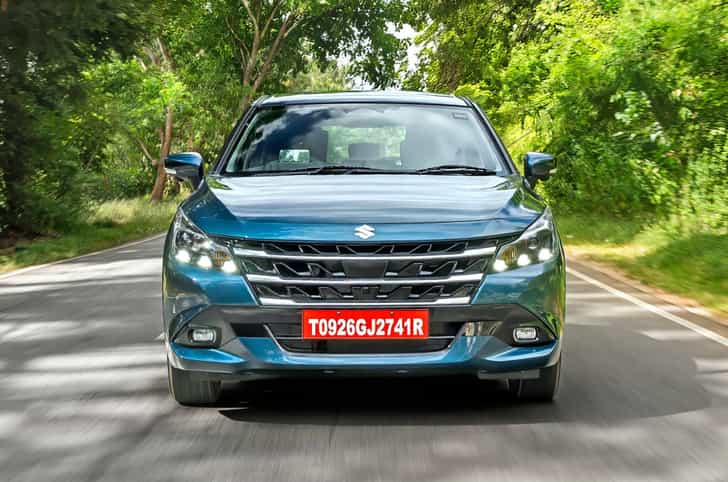
I am looking to buy a car for my family of 5 and live in a Tier-3 city. My usage is quite low, at a maximum of around 500 km per month. I am currently confused between the Tata Punch and Tata Altroz. I am also unsure whether to choose petrol or CNG, especially with the ongoing discussions around ethanol blending and the possibility of E25 and E30 petrol in the future. Given my low usage, which car and fuel option would you recommend for long-term ownership? Also, should I go ahead with the purchase now or wait for further developments regarding ethanol-blended petrol? Please consider comfort, practicality for a family of five, reliability, running costs, maintenance, and long-term ownership while suggesting the best option.
Tata AltrozTata PunchI am planning to buy an SUV, and my annual running is quite low, around 4,000-5,000 km. Most of my driving will be in the city, with occasional highway trips of around 2,000 km annually. My budget is Rs. 10-12 lakh, and the car will be used by my family of four, including me. Please suggest the best SUV options for my requirements, considering comfort, reliability, safety, performance, mileage, maintenance, and overall long-term ownership.
Mahindra XUV 3XOMaruti Suzuki BrezzaHyundai VenueKia SonetI have loved manual-transmission cars since childhood. I grew up watching people drive manual cars, and my love for cars and driving has only grown over the years. However, people keep telling me that driving a manual car in heavy city traffic can be difficult and tiring. I genuinely enjoy driving and feel that a manual car gives me a more engaging driving experience. So, what should I do? Should I accept the realities of heavy city traffic and buy an automatic, or should I follow my heart, buy a manual sedan and accept the inconvenience of driving a manual in heavy traffic? I am currently considering the Skoda Slavia 1.0 MT. Does it make sense to choose the manual given my love for driving, or would an automatic be more practical for city use?
Skoda SlaviaHyundai Verna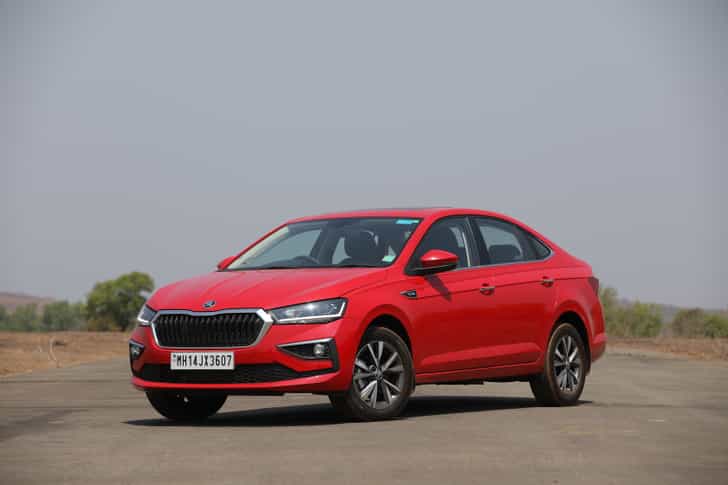
Hi, I’m confused between the Skoda Slavia 1.5 TSI DSG and Volkswagen Virtus 1.5 TSI DSG. My usage is mainly highway driving, including around 350 km non-stop from Chennai to Salem, with very little city driving. The car will primarily be used by my family, and I want an automatic only. For this kind of long-distance highway usage, which one would you suggest between the Slavia and Virtus? My main priorities are highway stability, comfortable long-distance driving, engine and gearbox reliability, ride comfort and overall suitability for my usage. Please advise which one would be better suited to my requirements.
Skoda SlaviaVolkswagen VirtusLooking to buy a new car and am currently confused between the Hyundai Creta 1.5 Petrol Automatic and the Maruti Suzuki Grand Vitara Zeta AT Mild-Hybrid. The car will be driven around 1,000 km per month, mostly in city traffic, with occasional highway trips. My main priorities are real-world city and highway mileage, long-term reliability, maintenance costs, comfort, performance, and overall ownership experience over 8-10+ years. I would really appreciate opinions from owners/users of either car, especially regarding actual city mileage in traffic, maintenance costs, and any issues experienced during long-term ownership.
Maruti Suzuki Grand VitaraHyundai CretaHi, I am looking for a new car for my father (54 years old, 6 feet tall), who is currently using a second-hand Maruti 800. He works as a Police Inspector in Mathura, UP, and needs a comfortable and reliable upgrade for long-term use. Here are our exact requirements: Usage: Diverse daily duties, including jurisdiction commutes, court visits, police line visits and VIP duties Monthly running: 1,800-2,000 km, although this can vary slightly depending on his duties Driving mix: 50% city / 50% highway Key requirements: High comfort (essential given his height and daily travel), good mileage and reliability Transmission: Manual (MT) only Fuel dilemma: Given the high monthly running, we are confused between choosing a diesel or a petrol + CNG option Budget: Strictly capped at ₹16 lakh on-road in Mathura Could you please suggest the best long-term options that would suit his requirements and usage?
Maruti Suzuki Victoris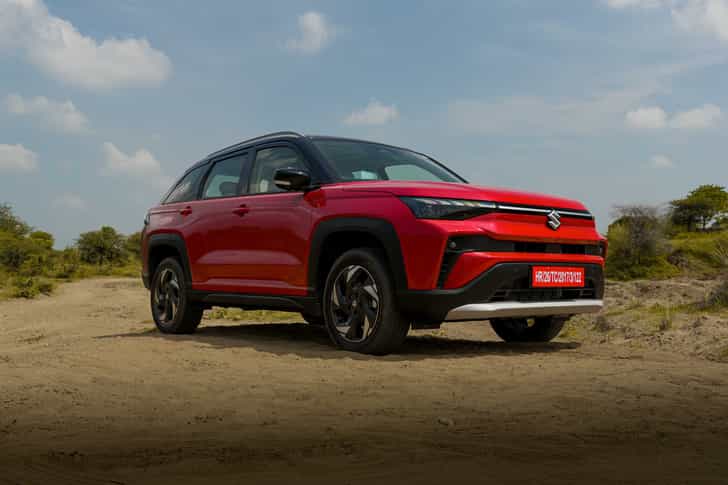
I have been using a Swift Dzire diesel for the last 11 years and now want to change to a new car. I am about to retire in a couple of years. My current car has covered around 1,50,000 km in the last 11 years, and I expect my usage to increase by around 10%. We are a family of five, but we rarely travel together. I love the driving power of the Dzire diesel, along with its fuel efficiency and low maintenance costs. Which car should I choose now? There is no budget constraint.
Kia SeltosMaruti Suzuki Victoris