Latest questions answered by experts
I recently learned how to drive and am planning to buy a car that I intend to keep for the next 9-10 years. My budget is Rs. 15-18 lakh on-road. I prefer a petrol car because my daily running is around 35 km, along with weekend trips with my family. My family members already own a Tata Nexon, so I would prefer something different rather than buying another Nexon. Please suggest the best petrol cars within my budget, keeping in mind: Long-term reliability and maintenance, comfortable family use and weekend highway trips, good fuel efficiency, automatic transmission, if possible, and safety and ease of driving for a new driver Features that will remain useful over the next 9-10 years I am particularly confused about whether I should prioritize a 360-degree camera since I am a new driver. Is it actually worth choosing a car/variant specifically for the 360-degree camera, or can I manage with a normal rear camera and parking sensors? I would appreciate a practical recommendation.
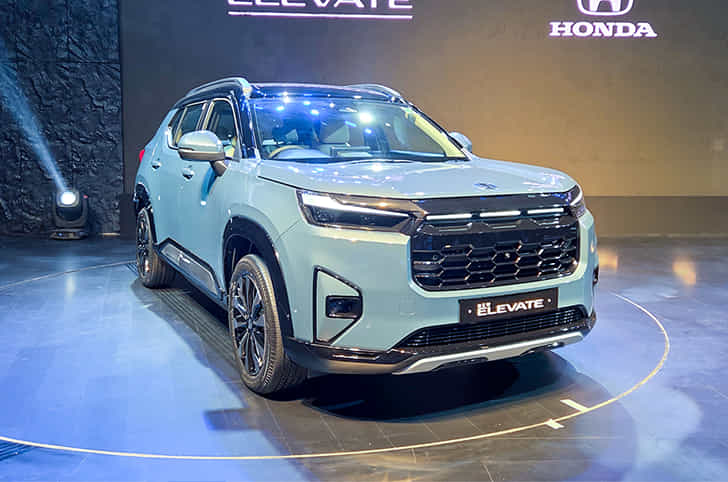
Go for the Honda Elevate CVT. It is the most sensible long-term choice for your requirements. The naturally aspirated petrol engine is smooth, reliable, and easy to live with, and the CVT automatic is one of the most seamless and stress-free transmissions for city driving. This Honda car is also well suited to weekend highway trips, with a comfortable ride and a spacious cabin that works well for family use. Honda’s reputation for reliability and low maintenance costs makes it a strong 9-10 year ownership proposition, and the car is easy to drive with good visibility and light controls, which is important for a new driver.On the 360-degree camera question: it is a useful feature, but it is not essential. A good rear camera and parking sensors are more than adequate for everyday parking and manoeuvring, especially as you build confidence. It is not worth compromising on the overall car choice just to get a 360-degree camera.If you want something a bit more feature-rich, the Mahindra XUV 3XO is a good alternative. This Mahindra car offers more equipment and a more premium feel, but the Honda Elevate remains the more sensible long-term ownership choice.

Hi Team, I have a Kiger Turbo CVT RXZ, the top model, which I bought in 2023. I’m now planning to move to a 7-seater by next year. My usage is quite low, around 100 km per week. However, I also take long family trips of around 600-800 km one way once every quarter. Which car should I consider waiting for, given that my priorities are long-distance comfort and decent fuel economy? I also wanted to know whether I should sell my Kiger or keep it as a secondary car for temporary or short-distance use. Or would it make more sense to sell the Kiger and buy a new 7-seater? Please suggest. Thanks!
With your usage pattern of around 100 km a week and quarterly long trips of 600-800 km one way, a petrol 7-seater is the right direction. The Kia Carens Clavis 1.5 turbo petrol automatic is the best fit for your needs. This Kia car offers a comfortable ride, strong performance and a spacious cabin, making it well suited for long family trips. The petrol engine is also a better fit for your running than diesel, given your relatively low annual mileage.On the Renault Kiger, it makes sense to sell it and put the money towards the new 7-seater. Keeping two cars for your usage pattern is not financially efficient, and this Renault car is still relatively new, so you will get a better resale value now than if you wait another year or two. The Carens Clavis is also relatively compact and can comfortably handle both your city and highway needs, so there is no strong case for keeping the Kiger as a secondary car.Go for the Carens Clavis petrol now and sell the Kiger. It is the most sensible and hassle-free solution for your usage.
Hi, I own a Hyundai Venue petrol Turbo DCT SX(O) top model, June 2022 facelift, 2nd gen. I now want to upgrade to a 7-seater. I go on long road trips every year, around two or three times, covering 3,000-7,000 km, for which I need good boot space with the third row folded. The usual number of passengers is four, and never more than five. I want a top-end automatic turbo-petrol car. I have test-driven the Kia Carens Clavis, MG Hector Plus and Hyundai Alcazar. I liked all of them and can't make up my mind. Please help unconfuse me and point me towards the right car. Budget is not a worry. Among these three, which would be the best? If not, and you can suggest something else, I am game. I won't buy a Tata or Mahindra product due to too many ownership niggles.
Go for the Kia Carens Clavis turbo petrol automatic. It is the most practical and well-rounded choice for your needs. This Kia car offers a genuinely usable third row that folds flat to create a large, flexible boot, which is exactly what you need for long road trips with four to five passengers and lots of luggage. The turbo petrol engine paired with the DCT delivers strong performance and a familiar driving experience coming from your Hyundai Venue, while the ride quality is comfortable and the cabin is spacious and well-appointed.The MG Hector Plus is a good car with a comfortable ride and a premium feel, but the third row is less usable and the boot space with the third row folded is not as generous or as flexible as the Carens Clavis. The Hyundai Alcazar is a solid option with a refined turbo petrol engine and a premium cabin, but the third row is tighter and the overall space utilization is not as good as the Carens Clavis.Since you have ruled out Tata and Mahindra, the Carens Clavis is the best fit. It offers the right balance of space, comfort, performance and practicality for long-distance touring with your family.
Currently using a 2007 Chevrolet Aveo U-VA, I am looking to buy a good automatic SUV for around Rs 11 lakh. No AMT. I need an all-rounder car, as I am more of a practical user than a car guy. The Nissan Magnite N Connecta CVT and Renault Kiger Techno CVT are the front-runners. Is spending around Rs 2 lakh more for something like the Venue HX5 DCT worth it? Are there better options?
Go for the Nissan Magnite N Connecta CVT. It is the best fit for your requirements. The CVT is smooth and well suited to your practical usage. This Nissan car is also well priced, offers good space and is a genuinely good all-rounder. The Renault Kiger Techno CVT is mechanically identical, so the choice between the two comes down to personal preference and your proximity to their service network.Spending Rs 2 lakh more for the Hyundai Venue HX5 DCT is not worth it in your case. The DCT is a more performance-oriented gearbox and is not as smooth or as stress-free in city driving as a CVT. The Venue is a good car, but the extra money is better spent on a higher variant of the Magnite or Kiger.If you are open to stretching your budget slightly, the Mahindra XUV 3XO AT is worth considering. It is a slightly larger car, with better highway performance and a genuinely strong all-rounder.Overall, the Magnite N Connecta CVT is the most sensible and practical choice for your needs.
Hello Team I am a 45-year-old person living in Noida Extension and working in Gurgaon, where I drive 10 times a month. The morning journey takes around 90 minutes, while the evening journey takes around 2.5 hours. I currently drive a Honda Amaze CVT and am looking for an upgrade. My budget is around Rs 20 lakh. Could you please suggest an overall good car?
Given your daily reality of long, traffic-heavy commutes between Noida Extension and Gurgaon, the priority should be comfort, ease of driving and low fatigue rather than outright performance.Since a lot of your driving is in stop-and-go traffic, a hybrid car makes a lot of sense. Consider the Toyota Urban Cruiser Hyryder Hybrid, Maruti Suzuki Grand Vitara Hybrid or the Maruti Suzuki Victoris Hybrid. They can run in electric-only mode when crawling in traffic and deliver terrific fuel efficiency. At the same time, they are relaxing and easy to drive, with comfortable cabins that should make your long commutes less tiring.If you can install a home charger and don’t drive long distances too often, a full electric car like the new Kia Syros EV might also be worth a look. EVs are generally ideal for stop-and-go traffic and will make your long commutes as stress-free as possible.Overall, a hybrid like the Hyryder or Victoris makes the most sense, but an EV is worth considering if you can charge at home.
Currently, I am using a Swift VXi petrol and planning to upgrade. My annual running is around 11,000-13,000 km, 80% of which is in the city, with occasional highway trips. Although I don't consistently drive at triple-digit speeds on highways, I really value good acceleration and overtaking capability in my new car. Driving dynamics are also important to me, and since some of my family members, including myself, are prone to motion sickness, I am okay with less body roll and a slightly stiffer suspension. I have capped my budget at Rs 20 lakh maximum on-road, and an automatic transmission is a must. I will be exchanging my Swift, which is expected to fetch around Rs 2-2.5 lakh here in Kerala. I have shortlisted the VW twins with the 1.0-litre AT as well as the 1.5-litre DSG. I am also considering the Seltos IVT and DCT. The XUV 7XO Diesel AT is another option under consideration. I have ruled out the Duster because the rear-seat experience feels like a step back. I am also getting offers for the Hycross GX petrol through a corporate tie-up with my company. I am completely confused among these options. My family wants a smaller car, but I want something that I can comfortably keep and use for at least 5-7 years.
Go for the Skoda Kushaq 1.5 TSI DSG. It is the best fit for your requirements. You want strong acceleration and confident overtaking, and the 1.5 TSI delivers exactly that. This Skoda car is a genuinely quick car with a strong mid-range, which makes highway overtakes effortless without needing to push the car hard. The Kushaq also has a well-sorted chassis with controlled body roll and a slightly firmer suspension setup, which helps with motion sickness by reducing the floaty feeling on undulating roads. At the same time, it is not uncomfortable in the city. The Kushaq is also compact enough to be easy to live with in urban conditions, which addresses your family's preference for a smaller car. The Kia Seltos IVT is smooth and easy to drive, but it does not offer the same level of performance or driving engagement. The Seltos DCT is quick, but the gearbox can feel a bit jerky in stop-start traffic. The Mahindra XUV 7XO diesel is a strong product, but it is a much larger car and does not align with your family's preference for a smaller vehicle. The Toyota Innova HyCross GX is a great family car, but it is not the right fit for your usage pattern and driving preferences. The Kushaq 1.5 TSI DSG strikes the right balance between performance, dynamics, size and long-term usability. It is a car you will enjoy driving for the next 5-7 years.
Hello I am a Doctor currently drive around in an 2018 Honda Jazz, I am very happy with it but it's time now to get a new car and budget around Rs. 16-18 lakhs, I need a car which easily seats 5 and with a good trunk for outstation travels each month, my monthly run is around 200km tops when in city and a highway run every 2-3 months is around 300kms, I live in Mumbai so you guys know the usual problems, so need a advice as I am scared for e20 and e20+ fuel changes and am scared about EV resale prices, currently short listed the Kia Seltos (prefer petrol or CNG (if any chance in near future))as the most favourite and need some advise for other cars. Would a diesel make sense when I don't drive every day?
Based on your usage, a diesel car does not make sense. Your monthly running is low, and your highway trips are infrequent, so you will not recover the higher upfront cost of a diesel. A Petrol car is the right choice here.The Kia Seltos is a good option, but at your budget you will be looking at the lower variants, so you might have to skip a few features.On E20, do not worry. Modern petrol engines are engineered to handle E20 fuel and are engineered to take on higher blends too (upto a certain level).On CNG, there is no factory CNG option on this Kia car, but given your low running, a CNG car does not make financial sense anyway.In case you're looking to get an electric car, and you can arrange for home charging, consider the Kia Syros EV or MG Windsor Pro. Both are spacious five-seater EVs which should serve your needs.

I currently use a Skoda Slavia Ambition 1.0 automatic since last 4 years. Now, I am thinking of switching the car but I am confused between Honda Elevate V CVT petrol and Kia Seltos HTK iVT petrol.
Given that you are coming from a Skoda Slavia 1.0 TSI automatic, the Kia Seltos HTK IVT petrol is the more natural upgrade. The Seltos offers a noticeably larger and more premium cabin, better rear seat space and a more substantial feel overall. The IVT gearbox is smooth and well-suited to city driving, and the car feels like a genuine step up from the Slavia in terms of comfort and overall ownership experience.The Honda Elevate V CVT petrol is a solid and reliable choice, but it does not feel like as much of an upgrade from the Slavia. The cabin is not as spacious or as premium as the Seltos, and the overall ownership experience is more about simplicity and reliability than about feeling like a significant step up.The only caveat with the Seltos HTK is that it is not the most feature-rich variant in the lineup. If you can stretch to a higher variant, the Seltos becomes an even stronger recommendation. If not, it is still the better choice over the Elevate because it offers a more substantial upgrade from your current car.
I want to buy a car for my dad. He is a teacher, and our budget is around Rs. 14-15 lakh. Which car would be perfect for him?
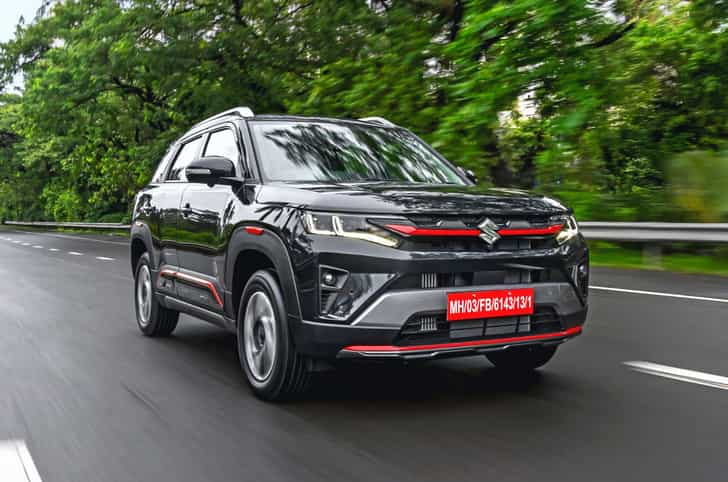
For your father, a teacher with a budget of Rs 14-15 lakh, the Maruti Suzuki Brezza is the most sensible recommendation. It is a straightforward, reliable and easy-to-drive SUV that prioritises comfort and practicality over flashy features. The naturally aspirated petrol engine is smooth and refined, making it well-suited to both city commutes and occasional highway runs, while Maruti's extensive service network ensures a hassle-free ownership experience. The Brezza also offers a comfortable ride and a spacious cabin, which will be appreciated on longer journeys. If your father prefers a sedan, the Honda City is a strong alternative, offering a more premium feel and excellent long-term reliability. However, the Brezza's higher seating position and easier ingress and egress make it the more practical choice for daily use.
I am a 60 years old retired woman and I want to buy a new automatic car. Which car would be suitable for me?
We would recommend the Maruti Suzuki Baleno automatic. At your age, ease of use, comfort and reliability are the most important factors, and the Baleno delivers on all three. The automatic gearbox is smooth and easy to operate, making city driving stress-free, while the car itself is compact enough to be easy to park and manoeuvre. Maruti's service network is the best in the country, which means maintenance will be straightforward and affordable. The Baleno also offers a comfortable ride and a spacious cabin, making it a pleasant car to use on a daily basis. If you prefer a slightly higher seating position and a smaller foot print, the Hyundai Exter AMT is a good alternative, offering the same reliability with a more SUV-like stance. Both cars are sensible, hassle-free choices that will serve you well for many years.

I'm driving Tata Altroz NA petrol manual for the past five years. Now, I want to switch to a diesel engine since most of my running would be on rough terrain and ghat roads. My yearly running is around 15,000 km. I am looking for a used Nexon diesel due to budget constraint. I live in Mangalore. Would it be a good option or should I look for some other brand/model? I would prefer manual only since I like driving manual cars and I don't need very fancy features. Please suggest.
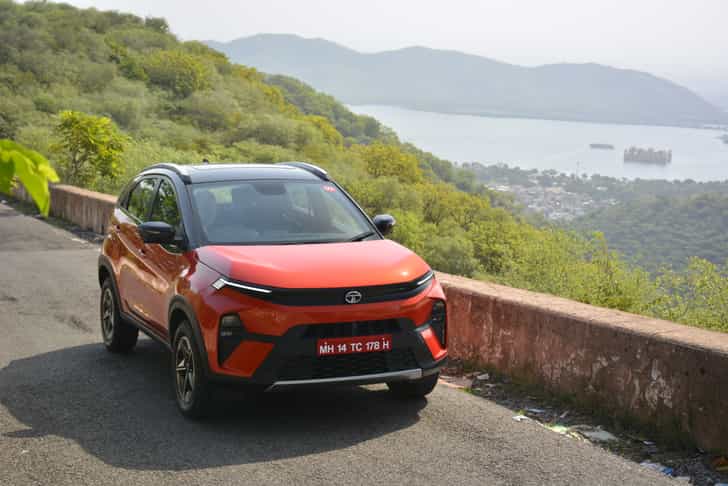
Given your usage of 15,000 km a year, rough terrain, ghat roads and a preference for manual driving, a diesel SUV is the right direction. The Tata Nexon diesel is a good choice for this use case. The diesel engine has strong low-end torque, which is exactly what you want for hill climbs and rough roads, and the Nexon’s ground clearance and suspension setup are well suited to the kind of terrain you’re describing. It’s one of Tata Motor's older cars and has been constantly updated since its introduction for improve aspects of performance comfort and reliability so get as new a car possible as your budget allows. If you find a well-maintained example with a clean service history, the Nexon diesel is a very sensible and cost-effective upgrade from your Altroz.If you want to consider alternatives, the Hyundai Venue or even the Maruti Suzuki Brezza diesel (from the previous generation) is worth a look. Overall, the Nexon diesel manual is a good fit for your requirements. Just focus on finding a well-maintained used example with a full service history.
Hi, I have booked Toyota Innova Hycross VX (O) in February and hopefully the company will deliver the vehicle in November. As per news, the facelift is under pipeline. Should I wait for the facelift or go with the current version?
The Toyota Innova HyCross facelift is expected to arrive in the coming months, so if you are already waiting until November for delivery, it makes sense to hold on a little longer and get the updated car. The facelift is expected to bring a refreshed exterior, an updated interior and a revised feature list, which will make the ownership experience feel more current and future-proof. The HyCross is already a strong product, but the facelift will likely address some of the minor criticisms of the current car, like interior quality and keep it competitive for the next few years. If you can wait, it is the sensible decision. If you need the car urgently, the current HyCross is still an excellent choice, but given your timeline, waiting for the facelift is the better option.
Hi, my daily running is approximately 160 km on mostly highways. Can you please suggest an EV that has excellent safety rating, good road presence and is reliable under Rs. 25-30 lakh.
The Tata Harrier EV will be a good option for your requirements of good road presence and a top safety rating. The Harrier has an imposing look and has secured a 5-star crash rating in the Bharat NCAP tests. It also has raft of active safety features like ADAS that can help prevent an accident especially out on highways. Reliability is a mixed bag as there have been issues reported, though Tata Motors has been making many improvements, opt for the Harrier if you have a good dealer near you. If reliability is the main concern then opt for the Hyundai Creta EV, the powertrain, electronics as well as the entire mechanical package are well engineered and you should have a trouble-free ownership experience.

I am 74 years old and have an XL6. I feel like buying an Innova HyCross G, as my driving is not much, but I love driving.
The Toyota Innova HyCross G is a sensible upgrade from your XL6, especially if you enjoy driving and value long-term ownership. The HyCross is a genuinely comfortable and spacious MPV with a strong reputation for reliability and durability, which is important at this stage of ownership. The G variant is well-equipped and offers a good balance of features without unnecessary complexity.However, given that your running is not much, the hybrid premium may not be fully justified from a fuel savings perspective. The HyCross is still a very comfortable and easy car to drive, but it is a large vehicle and may feel unnecessarily big if you are not regularly carrying a full family or using the third row.If you love driving and want something more engaging, you could also consider the Skoda Kushaq. It is smaller, more driver-focused of an SUVs with strong turbo petrol engines and a more enjoyable driving experience. Its is also easier to manoeuvre in the city and more suited to lower running.Ultimately, the decision comes down to your priorities. If you value space, comfort and long-term reliability, the HyCross G is a great choice. If you want a more engaging driving experience and do not need the extra space, the Kushaq would be a better fit.
I have a 2013 Honda City automatic, which is now 13 years old. I wish to change my car and buy the Tata Punch EV 40kWh for my use. My monthly running is low, at around 500 km. Would you suggest this car for my usage?
With a monthly running of around 500km, the financial case for an EV is not particularly strong, but the Tata Punch EV 40kWh can still make sense if you are looking for a modern, low-maintenance city car. This Tata electric car is compact, easy to drive and well-suited to urban use, and the 40kWh battery offers a healthy real-world range that should comfortably cover your monthly usage with minimal charging stops. However, at this level of running, the fuel savings over a petrol car will take a long time to offset the higher upfront cost of the EV. If you have reliable home charging and are keen on the EV ownership experience, the Punch EV is a sensible upgrade from your ageing City. If your priority is purely financial efficiency, a small petrol automatic like the Honda Amaze or Maruti Suzuki Baleno would be the more cost-effective choice.
Need expert advice?
Ask the Autocar community and experts.