Dear Team, If my annual running is around 8,000-9,000 km, with 90% of it on highways, which would be a better choice—the Tata Harrier petrol manual or the Mahindra XUV700 diesel manual?

Since 90% of your 8,000-9,000 km a year is highway, the Mahindra XUV7XO diesel manual is the more suitable choice.
The 7XO’s 2.2‑litre mHawk diesel is genuinely strong, with around 185 hp and 420 Nm in the manual, so it pulls hard even with passengers and luggage and makes effortless high‑speed cruising and quick overtakes its strong point.
Diesel efficiency on long runs will also be noticeably better than a big turbo‑petrol, which matters over your kind of annual mileage. Mahindra has reworked the suspension and dynamics versus the old XUV700, so stability, body control and high‑speed confidence are a clear step up. This makes it a very relaxed long‑distance car.
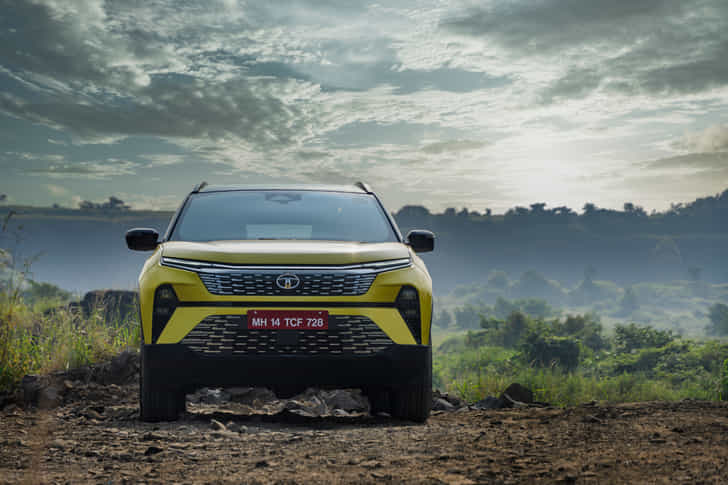
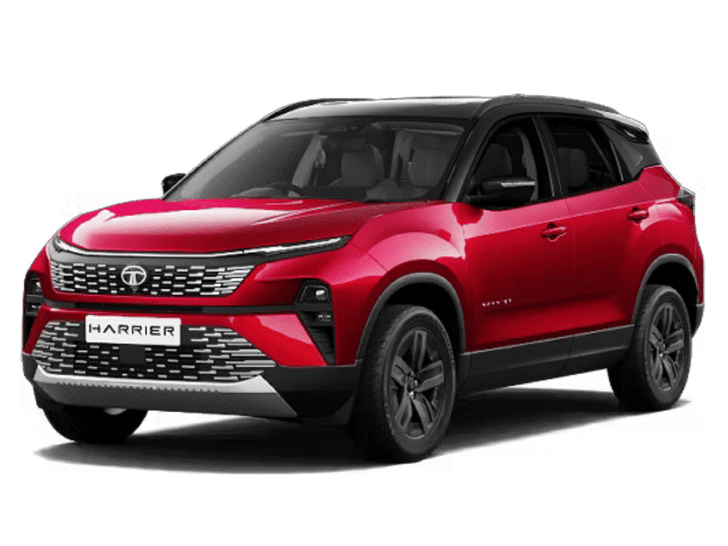
The Tata Harrier 1.5 turbo‑petrol is much smoother and quieter, with about 170 hp and 280 Nm, and it has enough punch for highway work. But you have to rev it more and live with higher fuel consumption when you cruise fast or drive fully loaded. For predominantly highway running, that means more fuel stops and higher running costs without the same effortless torque you get from a big diesel
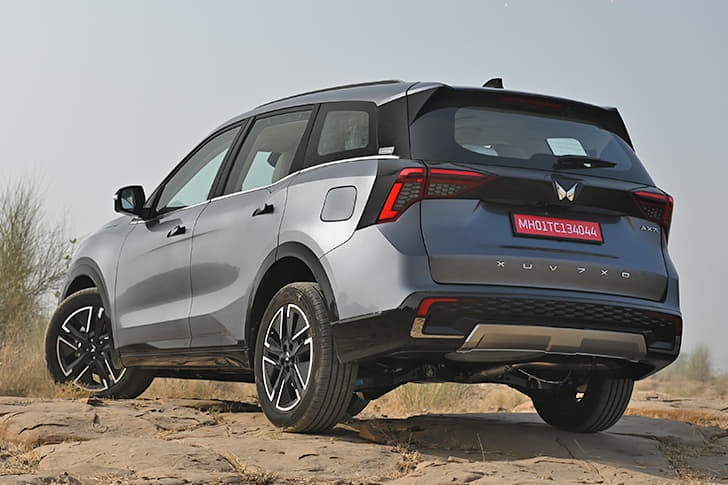
Mahindra XUV7XO
Explore cars mentioned
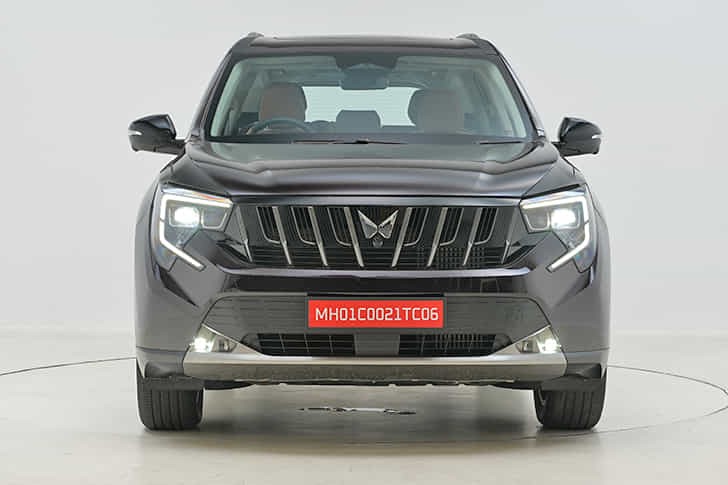
But Mahindra lost their built Quality
How much temperature rise would be there considering below scenarios :- ⬇️ After driving for 20KM (~20 Minutes) at an ambient temperature of ~35°C :- What's the ideal temperature change in the nearby area of engine compartment/under the hood of XUV 7XO Diesel and Safari/Harrier ? Just want to know as per the manufacturing/engineering norms what is the rate of temperature rise? How much temperature rises usually after driving for ~20KM (~20 minutes) ? Whether there'll be a rise of :- 1°C .... 10°C or 20°C or 30°C or 40°C ?
Xuv7xo manual vs automatic... please elaborate
What if running is 30 to 40k every year ? 70% highway
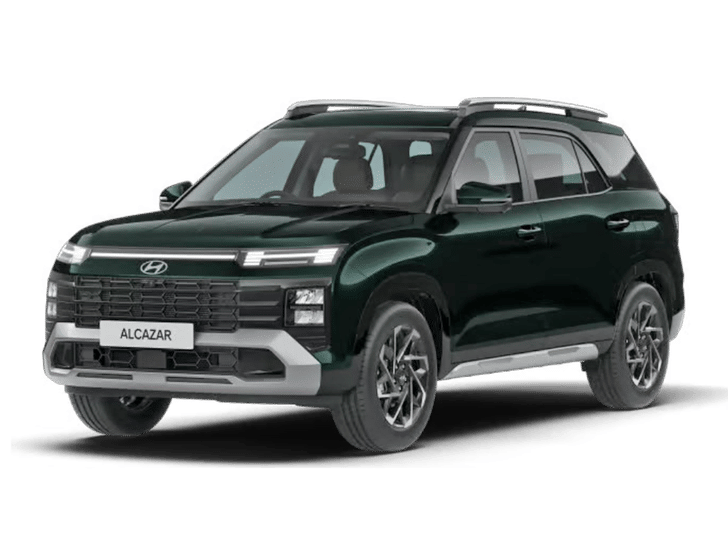
Go for Alcazar Petrol turbo Manual. In highways it will generate around 18kmpl. And thank me later for putting out of DPF issues.
Xuv diesel automatic here , I have so far never managed to get efficiency below 15-16kmpl in highways ( divided / undivided / ghat combined ) in my 24,000 km of ownership in the last 12 months. Performance of 2.2 m hawk mated with torque converter is more than adequate for brisk acceleration and overtakes very are easy. Since you are opting for manual, expect even better efficiency. But you will miss out on the smooth 6 speed AT - torque converter. I would definitely suggest you to test drive auto variant before you finalise. One question - why aren’t considering diesel - Harrier / Safari. 2.0 Multijet is from Fiat and is known to be very good. Might be slightly less powerful in comparison with 2.2 m hawk but i would rate it well over the 1.5 turbo petrol anyday. Good luck !
How much temperature rise would be there considering below scenarios :- ⬇️ After driving for 20KM (~20 Minutes) at an ambient temperature of ~35°C :- What's the ideal temperature change in the nearby area of engine compartment/under the hood of XUV 7XO Diesel and Safari/Harrier ? Just want to know as per the manufacturing/engineering norms what is the rate of temperature rise? How much temperature rises usually after driving for ~20KM (~20 minutes) ? Whether there'll be a rise of :- 1°C .... 10°C or 20°C or 30°C or 40°C ?
Mahindra Bulil quality is good.
Maruti Suzuki and Mahindra don't have at all Built Quality. After an accident it will be damage badly
I thik mahindra build is good .
Currently In India only Tata vehicles have best built Quality
You know more than NCAP people?
Hi I am planing of suv purchase innova or scorpio n we are not decided which car is diesel maximum milega and low price of basic .
Dear team My annual running is around 25000 km to 30000 km mostly out of city Which car is suitable petrol, diesel or Ev
If your running is mostly out of city you can opt for diesel and in terms of pocket friendly option you can opt for petrol hybrid like hycross, urban cruiser
my car run annual 11k/12k kms in year and 75%in city which car should i buy in SUV seg budget is under20lac
My annual run is about 30000 km, my budget is 25-30 lakhs. Please prefer me a electric car for highway run.
Mahindra 9B electric u can buy it for long and comfortable ride 😉
More posts on similar cars

Expert reviews worth reading
Popular discussions right now
Upcoming launch buzz
Community discussions on upcoming launches

Compare suggested cars


Posted on: 5 Apr 2026