Latest questions answered by experts
Hi all. I am looking to buy my first car with a budget of under Rs. 15 lakh on-road. My daily usage would be around 20–30 km for office commuting, along with occasional long trips to my hometown, around 3-4 times a year. I am looking for an automatic transmission only, i.e. TC/CVT/DCT, and do not want an AMT. I am currently posted in a Tier 3 city, and my job is highly transferable, with postings every 3-4 years, mostly in Tier 2 and Tier 3 cities. I want a car that is reliable, easy to drive, and offers good safety and convenience features such as a 360-degree camera.
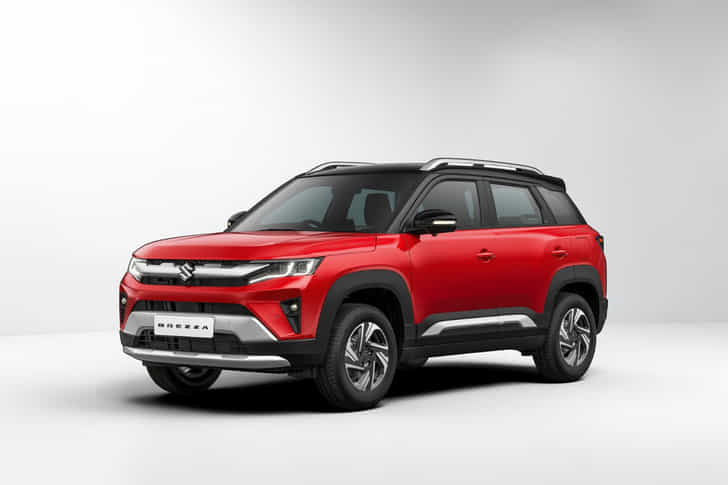
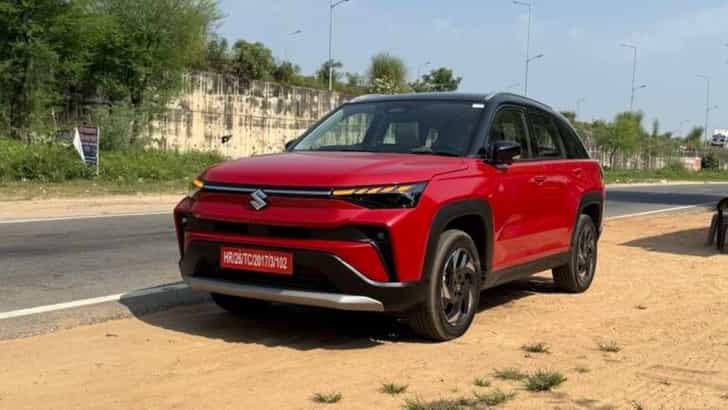
Go for the Maruti Suzuki Brezza automatic. With your budget of under Rs 15 lakh on-road, the Brezza is the most sensible choice given your requirements. Your daily usage is modest, and your job involves frequent transfers to tier 2 and tier 3 cities, so reliability, low maintenance costs and a strong service network are far more important than chasing the most feature-rich or premium option. The Brezza’s 1.5-litre petrol engine paired with the 6-speed torque converter automatic is smooth, easy to drive and well suited to both city commutes and occasional long trips. This Maruti Suzuki car is also one of the most comfortable compact SUVs in the segment, with a compliant ride and a spacious cabin that makes it a genuinely good family car. Maruti’s service reach is unmatched, which is a huge advantage given your transferable job. While it may not have the most premium interior or the longest feature list in the segment, it covers all the essentials very well and is likely to be the least stressful ownership experience over the long term.

Hi, I am 70+ and currently own a Skoda Slavia 1.0 automatic, but it gives very low mileage in city driving. I now want to switch to a sub-4-metre automatic car with good mileage and ADAS features. I am open to both petrol and diesel options, as I also drive long distances. Please suggest some suitable options.
Given your requirements, the Hyundai Venue diesel automatic is the best fit. This Hyundai car is one of the few sub-4-metre cars still available with a diesel engine, and it delivers strong fuel efficiency both in the city and on the highway. The diesel engine is well suited to long-distance driving, offering good torque and effortless cruising, while the automatic gearbox is smooth and easy to live with. The Venue also offers a comprehensive ADAS suite, which adds an extra layer of safety and convenience on long journeys. It is a comfortable and spacious car for its size, with a wide cabin that makes it a genuinely usable five-seater. If you prefer petrol, the Maruti Suzuki Brezza automatic is the alternative. It is reliable, efficient and easy to drive, but it does not offer the same level of long-distance efficiency as the diesel Venue.
Hi Experts, I’m Omkar, and I want to buy a new car. My usage will mainly involve occasional 1,000 km trips to my native place, along with some weekend picnics. Only around 5% of my annual driving will be in the city. My budget is Rs. 8-12 lakh, and my priorities are reliability, highway comfort, safety, and low service costs. Please suggest which would be the better choice for me among the Tata Nexon, Maruti Suzuki Brezza, Maruti Suzuki Fronx, and Mahindra XUV 3XO.
Go for the Maruti Suzuki Brezza Boosterjet. With your usage pattern of a 1,000 km native-place trip, occasional picnics and only 5% city use, the Brezza is the most sensible choice. It is a proven, reliable car with a strong service network and low maintenance costs, which is exactly what you need for long-term ownership. On the highway, it is comfortable and stable, and the turbo petrol engine gives good performance for overtakes. Since most of your driving is on the highway, you likely won't mind that the turbo only comes with a manual. Safety is well addressed, and Maruti’s widespread service network ensures peace of mind wherever you travel. The Nexon and 3XO are good highway cars too, but they can't quite match Maruti in terms of service reach and running costs. The Fronx is a solid option, but the Brezza feels like a larger car and better suited to your highway-focused usage.
Hi team, I have a Hyundai EON (Era Plus) model which I bought in March 2012. As I am nearing the 15-year mark, I wanted to know whether I should continue with it for another 5 years by paying the environmental tax or should I consider upgrading to a new car. My total running is not very high, around 25k kms and it generally gets driven only during the weekends, as my office commute is through an office cab. In the last 2-3 years, I have developed a habit of occasional long drives else its mostly city driving. The vehicle has a BS III engine and 819 cc. I changed all four wheels of my car in 2024. Overall, the condition of the car is good, and I haven't faced any major issues so far; more importantly, I am happy with the car. But I need an opinion on: 1) Whether I can continue using it for another 5 years by paying environment tax? 2) Given the scenario of making E20 mandatory, my car won't support E20 fuel as of now; are there any chances/ scope there will be normal petrol will still be available to support older model cars? 3) Any other factors that I need to consider/ think of before making a decision? Thanks for the help in advance
You are happy with the car; it is mechanically sound, and your running is low. In this scenario, the most sensible decision is to keep the Eon for another five years. Paying the environment tax is a one-time cost, and as long as the car is well maintained, there is no reason to replace it purely because of age. The Eon is a simple, reliable car and for weekend city use with occasional long drives, it is likely to continue to do the job well.The only factors to consider are the car's condition and your own needs. If the car is rust-free, mechanically healthy, and you are happy with it, there is no financial logic in replacing it. If you start doing more long-distance driving and want better comfort, safety and performance, then an upgrade makes sense. Otherwise, keep the Eon and enjoy the low running costs.
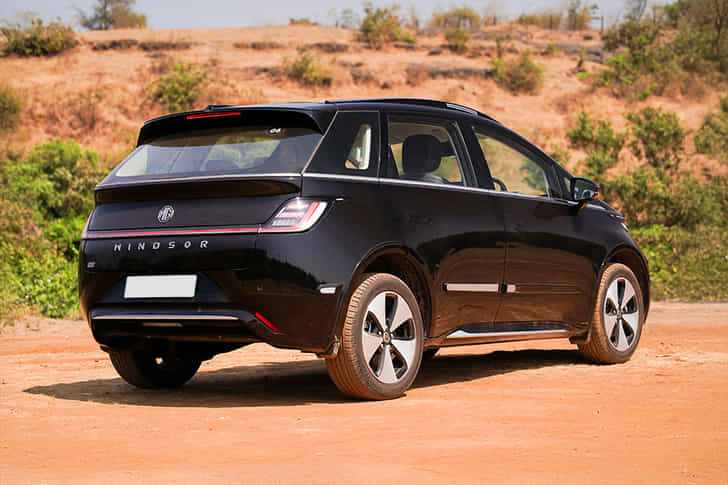
I’m currently driving a Honda City MT i-VTEC as my daily driver in the city, but I’m not happy with its mileage. My daily usage in the city is around 20-30 km. I’ve shortlisted the Kia Seltos MT Diesel and MG Windsor. Please suggest which of these would be the better choice. Thanks.
With a daily city usage of 20-30 km, a diesel Seltos is not the right choice. Modern diesels need regular highway runs to keep the DPF healthy, and your usage pattern is predominantly short city trips. The fuel savings from diesel will also take a very long time to justify the higher purchase cost at your running.If you can arrange for home charging, the MG Windsor EV seems to be a better fit for your usage. This MG car is a very spacious, comfortable family car with a premium feel. Since your usage isn't much, you could consider the small battery version instead of the Pro - it'll be more affordable.

Hello, I have been using a Creta manual for the past 11 years. I have now sold my Creta and am planning to buy a Seltos automatic. Please suggest which automatic variant would be better for me - petrol or diesel. My annual running is around 10,000- 12,000 km. Should I go for the diesel or petrol automatic?
With 10,000-12,000 km a year, the decision between petrol and diesel comes down to your usage pattern. Sure, a diesel automatic will be a bit more economical to run; however, you are paying a higher premium upfront. Hence, we'd suggest you pick the Kia Seltos 1.5 Petrol IVT version, which is smoother, quieter and easier to live with in stop-start traffic, and you will not have to worry about DPF-related issues that can arise with modern diesels if the car is not regularly driven on periodic highway runs.Pick the diesel automatic only if you do regular highway runs for its stronger performance and more effortless cruising ability. The diesel's fuel efficiency will be better too.
Hi, I am from Mumbai and have a family of 5. I am looking for a car with a budget of around Rs. 20 lakh. I will mostly be driving in Mumbai, with occasional trips to Valsad. I am looking for a car with an automatic transmission and good long-term reliability.
The Kia Carens Clavis Turbo DCT is an excellent family car that should fall within your Rs 20 lakh (on-road) budget. It is a spacious, comfortable and feature-loaded car, and its turbo-petrol engine is smooth with good performance and respectable range when driven in Eco mode. For your occasional long-distance drives, this car will easily accommodate all the passengers and their luggage (with one-half of or the entire last row folded down). Alternatively, you could consider the Maruti XL6 too, which is a 6-seater version of the Ertiga. It is a reliable, dependable option, backed by Maruti's widespread service network.
I currently own a Hyundai Venue 1.2 petrol. I am considering for an upgrade and my requirements include a 7-seater petrol or diesel automatic SUV under 25 lakh (on-road) with 80:20 city to highway ratio with maximum 15,000 km annually. Can I consider electric as well. What would be your recommendation? I am considering XUV 7X0, Safari or the Alcazar but I'm open to other options as well. Thanks in advance.
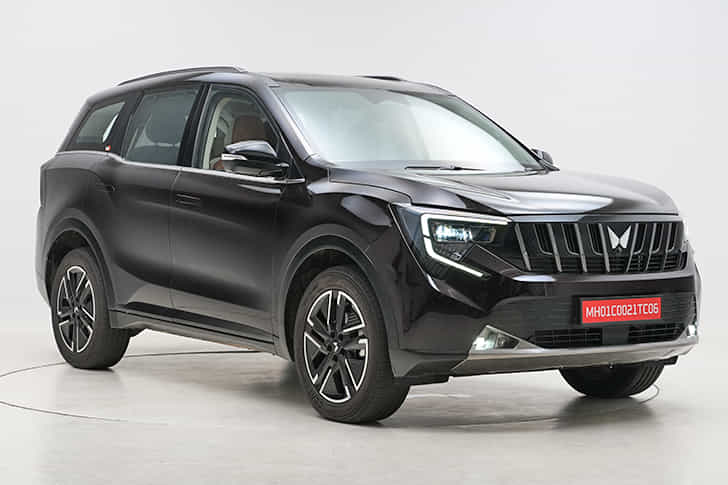
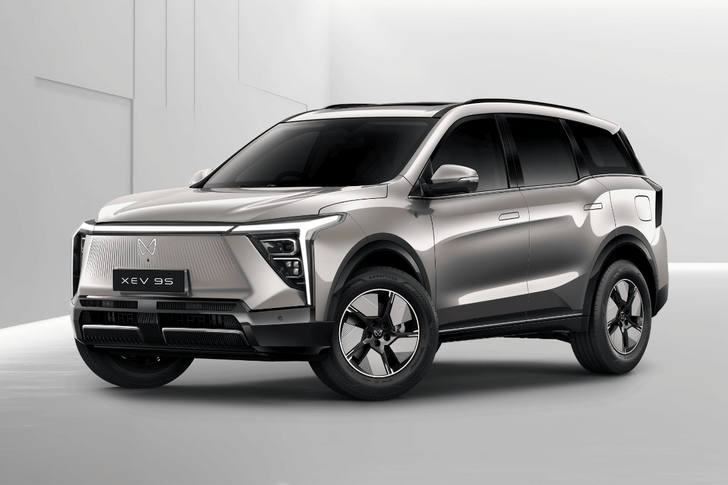
Given your requirements, the Mahindra XUV 7XO diesel automatic would be our recommendation. With an 80:20 city-to-highway ratio and 15,000 km a year, diesel still makes sense because the XUV 7XO's diesel engine is refined, efficient and well suited to both city driving and long highway runs. The 7XO also offers a usable third row, strong performance and a well-equipped cabin, making it a proper upgrade from your Venue.The Tata Safari is a strong alternative if you prioritise ride comfort and a more spacious third row, but the XUV 7XO offers a better overall ownership experience and a more modern feature set. The Hyundai Alcazar petrol automatic is the more refined and easier-to-drive option in the city, but its third row is tighter and it does not feel like as big a step up from the Venue.On the electric front, the Mahindra XEV 9S is worth considering if you have home charging and predictable daily usage, but at Rs. 25 lakh on-road you are likely to be looking at the lower variants, and the XUV 7XO diesel still makes more sense given your usage pattern.Overall, the XUV 7XO diesel automatic strikes the best balance between space, performance, efficiency and long-term ownership.
I am planning to buy a 7-seater SUV and am considering the Mahindra Scorpio-N Z8L. However, I’m confused about which variant and powertrain would be best for me among petrol or diesel, and manual or automatic. My monthly running is around 400-500 km. I’m concerned that if I choose the petrol version, I might face a mileage issue. On the other hand, if I choose the diesel version, I’m worried that the low running could lead to DPF-related issues. Most of my driving is on highways, with around 300 km per month on highways and the remaining 100-200 km in the city. Could you please suggest which option would be more suitable for my usage? I would also appreciate if you could provide a comparison of the maintenance costs, fuel efficiency, and long-term ownership costs of the petrol and diesel versions, as well as manual vs. automatic.
Go for the Mahindra Scorpio N Z8L diesel automatic. Your usage is predominantly on the highway, and the diesel engine is the better fit for this. The Scorpio N diesel is a strong performer on the highway, with good torque and effortless cruising ability, and the automatic gearbox makes long drives far more comfortable and stress-free. Your monthly running is low, but because most of it is highway driving, the diesel engine will regularly meet the conditions needed to keep the DPF system healthy, so DPF-related issues are unlikely to be a concern.The petrol engine is smooth and refined, but it is a large, heavy SUV and fuel efficiency will be noticeably lower than the diesel. In terms of maintenance costs, the diesel will be slightly higher over the long term, but the difference is not significant enough to outweigh the benefits of better fuel efficiency and stronger highway performance. Between manual and automatic, the automatic is the clear choice for a car like the Scorpio N. It is a big, heavy SUV and the automatic gearbox makes it much easier to drive both in the city and on the highway.Overall, the diesel automatic is the best fit for your usage and will give you the most satisfying ownership experience.
I stay in Hyderabad and travel 25-30 km daily. I go out once in a month covering approximately 600km. I have recently sold my XUV 700 diesel and am confused whether I should go for an electric car or hybrid petrol. My budget is approximately 20 lakh (can extend it by 2 lakh). Please guide.
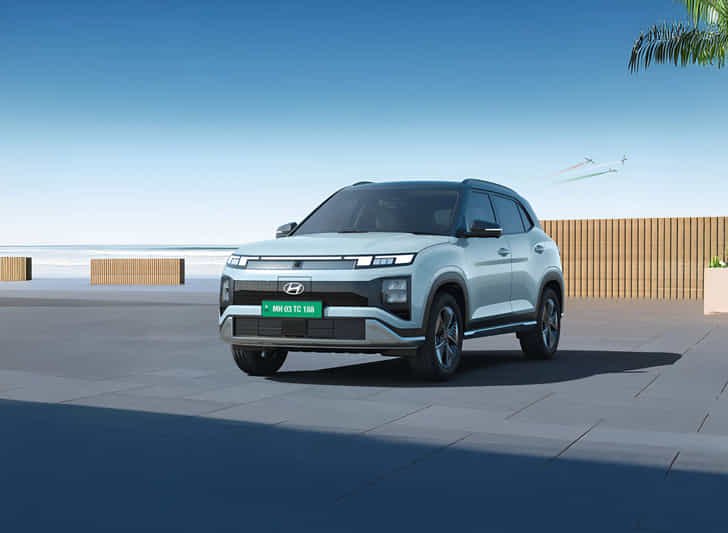
With a 25-30 km daily commute and a monthly 600 km highway trip, the decision comes down to charging convenience and long-term ownership. If you have reliable home charging, an EV like the Tata Nexon EV or Hyundai Creta Electric makes strong financial sense. Your daily running is well within their range, and the low running costs will add up over time. The Creta Electric is a proven product and offers a more modern cabin and a more premium feel than the Nexon EV.If you do not have home charging or are not comfortable planning charging stops on your monthly highway trips, a hybrid is the safer choice. The Maruti Suzuki Victoris Hybrid is the best fit in your budget. It delivers excellent fuel efficiency in the city and on the highway, and you never have to worry about charging.Given your usage, the EV is the better financial decision if home charging is available. If not, the Victoris Hybrid is the more practical long-term ownership proposition.
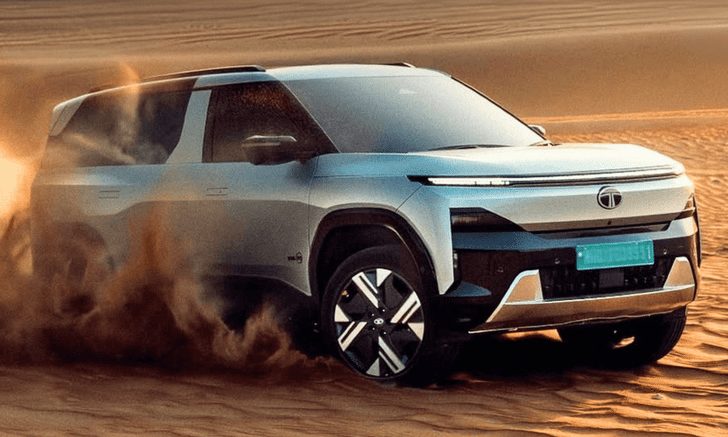
I own a Skoda Slavia Sportline that I had purchased in December 2025. After reading about so many BaaS offers on electric vehicles viz XEV 9S, where the registration charges are zero in Maharashtra, it is tempting to exchange my current car for an electric car. Should I do that? My monthly running is around 1000 km. Also, is BaaS available for the Sierra EV?
With a monthly running of around 1,000 km, an EV can make sense, but only if you have a predictable usage pattern and access to home charging. The bigger question is whether it makes sense to exchange your Slavia, which is a relatively new and well-rounded car. The Slavia offers a great driving experience, good comfort and is a proven product. The XEV 9S is a very different proposition – it is a large, premium electric SUV with a very different ownership and usage profile.The BaaS (Battery as a Service) scheme on the XEV 9S is attractive because it reduces the upfront cost, but it also means you are paying a monthly subscription for the battery, which only makes sense if you are committed to long-term EV ownership and your usage pattern justifies it. The Sierra EV does not currently offer a BaaS scheme.Our advice would be to hold on to the Slavia for now. It is still a very capable car and you are unlikely to recover its value in a trade-in so soon after purchase. If you are keen on an EV, wait for a few more years until your Slavia has served its purpose and the EV market has matured further. If you are set on an EV today, the XEV 9S with BaaS is a good option.

I went to book a Hyundai Creta but seeing the stylish Verna next to Creta, took its test drive. The seat and ambience seem way better than any car and have almost decided to go with Verna but I have one doubt about its ground clearance. Since I will be driving the car in Chennai city and on highways with occasional patchy roads, even if scrapping occurs rarely, will it be a costly affair to repair?
Go for the Hyundai Verna. Your usage in the city and highways with only occasional patchy roads is exactly the kind of scenario where the Verna works well. It offers a more premium cabin, a lower seating position and a more engaging driving experience than the Creta, which is why it felt so good on the test drive. The ground clearance is lower than the Creta, but it is not a deal-breaker. On rare occasions, you may scrape the underbody on a badly designed speed breaker or a deep pothole, but this is usually limited to minor scrapes on the underbody cladding or the exhaust heat shield. These are not expensive to repair and do not affect the car's reliability or safety. The Verna is a well-engineered sedan and can handle occasional rough patches without issue. If you are still concerned, you can take speed breakers at an angle and slow down on bad patches, which will minimise the chances of scraping. Overall, the Verna will give you a enjoyable ownership experience, and the ground clearance is not a reason to avoid it.
Need expert advice?
Ask the Autocar community and experts.