Autocar India
AN

Anirban

6w

My driving is around 800 km a month. I am not sure which one would be more value for money: Swift or Baleno/Glanza. Currently, I drive an Urban Cruiser but am looking for a change. My priority is ease of city driving, comfort on highway drives, and I will go for an AMT. The more fuel-efficient and safe, the better. Though safety and efficiency do not go hand in hand. Please help me decide.

Autocar India team

Autocar India

Verified
6w
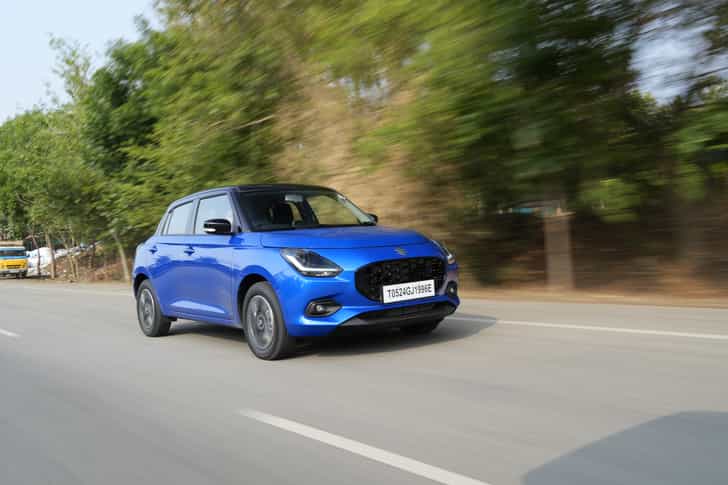
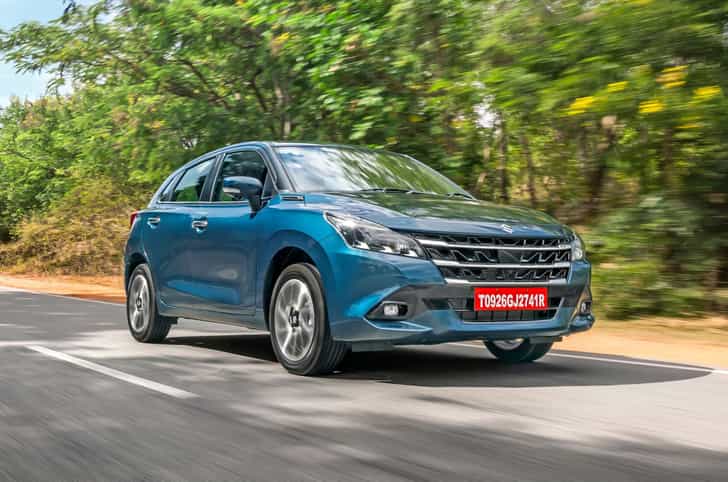
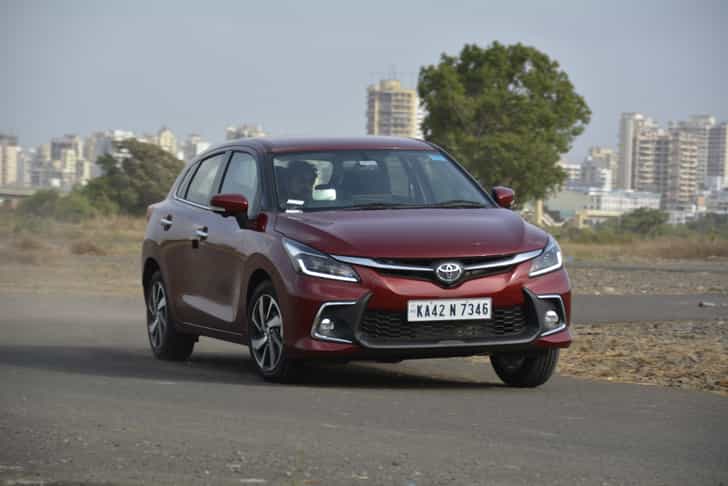
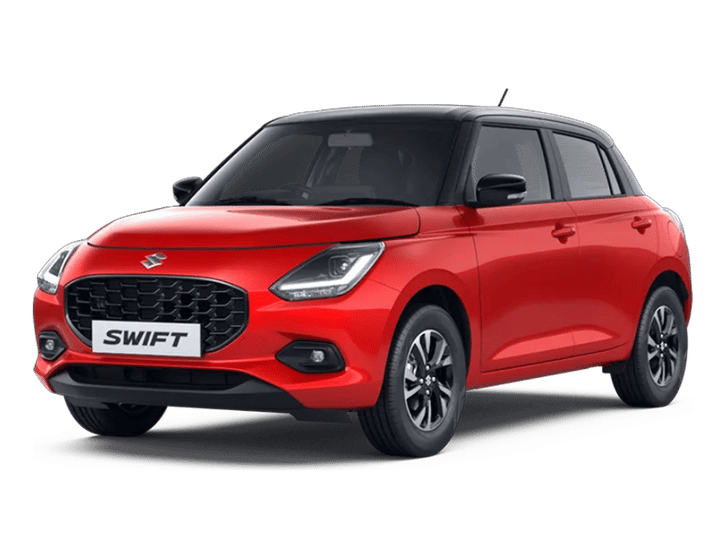
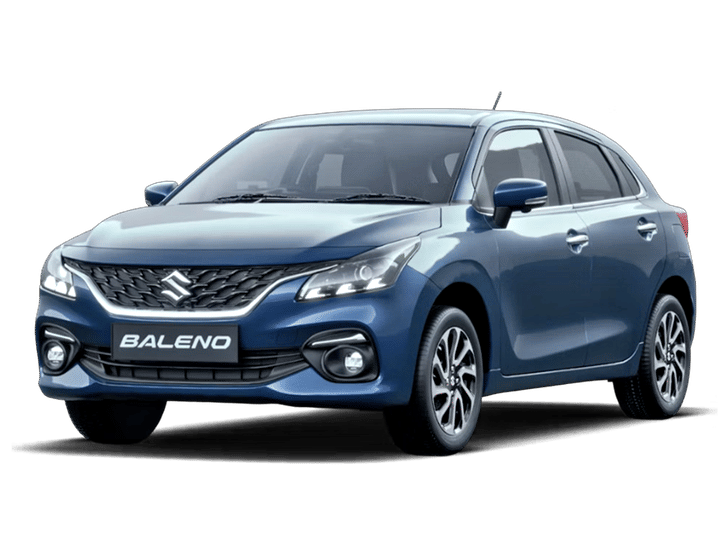
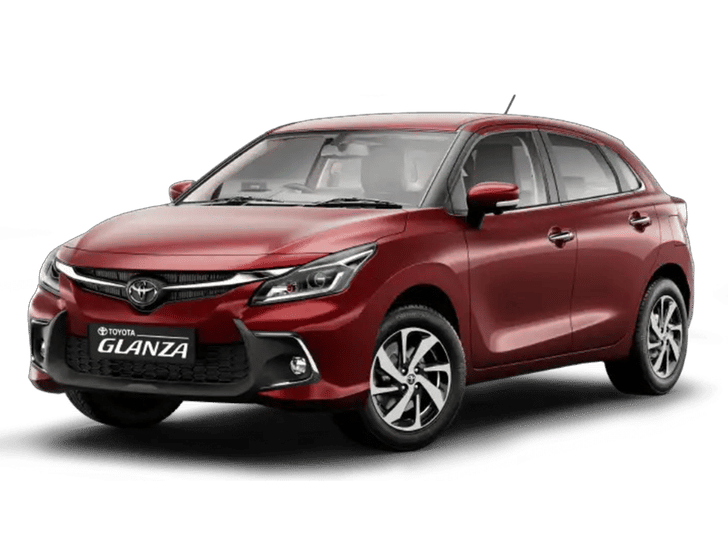
The Swift's 1.2L 3-cylinder petrol engine is very drivable and is likely to deliver slightly better fuel efficiency compared to the Baleno's/Glanza's 1.2L 4-cylinder unit. The Maruti Suzuki Swift is quite peppy up to 60kph of speed, after which you will find performance to be a bit lacklustre. And since you've mentioned you want a car for city and highway usage both, we recommend you opt for the Baleno or Glanza instead, for its more effortless performance.
There's little to choose between the Baleno and Toyota Glanza, as both are nearly identical. Though the Glanza's beige-black interior colour scheme looks a touch more upmarket than the Maruti's.
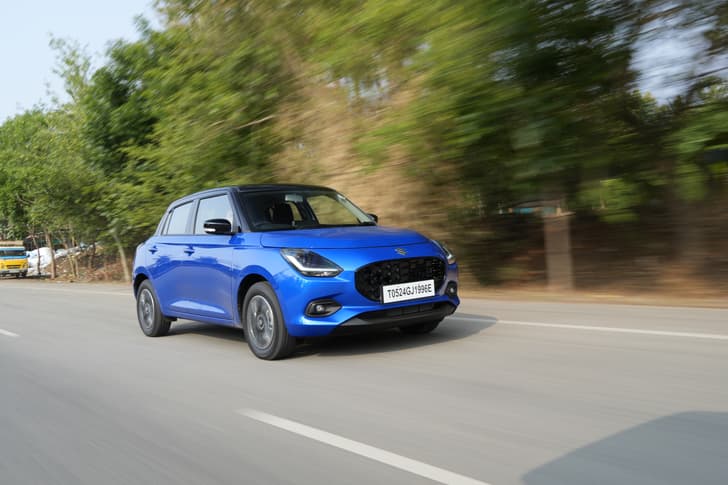
Maruti Suzuki Swift

Maruti Suzuki Swift

AF

Anindya from kolkata

6w

Hi! I am a new driver and planning to buy a car in the range of 8 to 10 lacs. City driving & highway movement is 50:50. I need better ground clearance, mileage and low on maintenance. The car may be driven occasionally by hired drivers. Pl suggest me a suitable car.

AN

Anirban

6w

Thanks !

More questions on similar cars

AN

Animesh

2d

I am planning to buy a new car with a manual transmission (no CNG). I do not prefer top models. My budget is ₹10 lakh. My daily commute is 80 km, mostly on highways and in the city. I am a family of three.

Autocar India team

Autocar India

Verified
1d

With 80 km a day split between city and highway and a ₹10 lakh cap, the Maruti Suzuki Baleno Delta manual fits your use best. It keeps costs in check without going for the top trim, and it is an easy, calm daily car for a family of three.In traffic, the Baleno’s light clutch and steering mean less effort, while the engine is smooth at low speeds, so speed breakers and start-stop runs feel easy. On the highway, this Maruti Suzuki car stays steady and feels confident at normal cruising speeds, and the seats are comfortable enough for the two long runs you will likely do every weekday. Space is good for three, and the boot will take daily bags and a small stroller without a squeeze.There are a couple of trade-offs to know. For quick overtakes you may need to shift down a gear, so do not expect instant shove like a bigger engine. Also, at higher speeds, you will hear some road and engine noise in the cabin compared to heavier, more expensive cars.If you want a stronger body feel and a bit more solid ride on rough roads in the same price band, look at the Tata Altroz XM+ manual. It feels tough, but the engine is not as lively in the city, and the clutch is a touch heavier.Overall, for your daily mix and budget, the Baleno Delta manual lines up best.

VehicleMaruti Suzuki Baleno
AS

Ajinkya Sonar

3d

Hi Autocar Team, I am planning to buy a new 7-seater family car and am currently confused between the Maruti Suzuki Ertiga petrol manual and the Kia Carens diesel manual. My key priorities are: Easy maintenance and long-term reliability Good ride quality and comfort Strong fuel efficiency While the Carens diesel appeals to me for its performance and mileage, I am concerned about potential DPF-related issues. On the other hand, the Ertiga petrol seems more hassle-free but I am unsure about its ride quality and have some reservations about its “taxi” image.

Autocar India team

Autocar India

Verified
53m

For a family 7 seater mostly used in the city with some trips, the Maruti Suzuki Ertiga petrol manual fits your brief better. It is simpler to own, cheaper to service almost anywhere, and you will never have to worry about a diesel filter. In daily traffic, it feels light to drive, the steering and clutch are easy, and the petrol with the small hybrid assist is smooth and uses less fuel than most expect for a car this size. Ride comfort is fine for city speeds, and your family will find the cabin airy with good space for five plus two when needed.Two trade-offs to keep in mind. On bad roads at higher speeds, the Ertiga can feel a bit bouncy, more so with seven on board. And yes, many are used as cabs, but a nicer colour, higher trim and good seat covers do make it feel more upmarket at home.If your routine includes regular highway runs - say one longer drive every week or two - the Kia Carens diesel manual becomes the stronger pick. It rides more comfortably on uneven highways, pulls better with a full load, and will give better mileage on long trips. About your DPF worry: the diesel has a DPF, a filter in the exhaust that needs steady, warm running to clean itself. If your use is mostly short city hops, this can clog over time. If you do those regular, longer runs at steady speeds, it stays clear and is usually trouble-free.So, for mainly city and easy upkeep, go for the Ertiga petrol manual. If you do frequent highways, pick the Carens diesel manual instead.

VehicleMaruti Suzuki Ertiga
VehicleKia Carens
DS

Dr Sheshadri R

1w

I am confused between the BMW X3 30 and the X3 20d. My first concern is about the long-term reliability of E20 petrol and its impact on critical engine components, as well as future compatibility with higher ethanol blends like E30. Diesel, on the other hand, is ethanol-free. Secondly, both variants produce the same 400 Nm of torque, so does the difference between 197 hp (diesel) and 258 hp (petrol) make a significant real-world impact? Which variant would be the smarter choice for hassle-free maintenance, good mileage, and ownership over the next 5-7 years?

Autocar India team

Autocar India

Verified
2h

Your concerns about E20 fuel impacting the BMW X3 30's engine are understandable, but largely overblown. The current BMW X3 xDrive30 with its 2.0-litre petrol engine is fully E20-compliant, and BMW has built in sufficient engineering margins to handle even higher ethanol blends like E27 should they become standard. Any potential wear from ethanol exposure typically manifests only after 5-6 years of use, and replacement of affected components is primarily fuel system seals and sensors, which aren’t prohibitively expensive or complex. So don't let E20 worries push you toward diesel, which brings its own maintenance headaches, particularly DPF regeneration issues that require regular long-distance driving to prevent clogging.Regarding performance, while both variants produce 400Nm of torque, the power difference between the 197hp diesel and 258hp petrol is quite significant. The X3 30 petrol reaches 0 to 100kph in 6.3 seconds, whereas it takes 7.7 seconds for the 20d, making it noticeably quicker in real-world driving. That said, the diesel's torque delivery at lower revs makes it more relaxed for highway cruising and better suited for hill driving, where you need strong pulling power without downshifting.The smart choice boils down to your driving pattern. Choose the X3 xDrive20d if you regularly cover long highway distances or frequently drive in the hills where low-end torque matters. For typical urban-suburban use with occasional highway runs, the X3 30 petrol offers stronger performance, modern mild-hybrid efficiency, and genuinely hassle-free ownership over your 5-7 year horizon. Either way, both are reliable choices when maintained properly.

VehicleBMW X3

Posted on: 14 Mar 2026