Autocar India
6w

Would you recommend buying the current E20-compliant Innova Hycross now, or waiting for the expected Flex-Fuel version for better long-term ownership?

Verified
5w

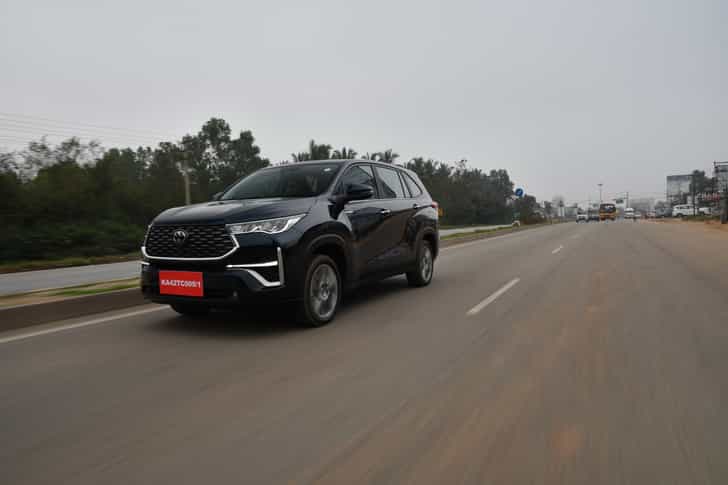
Buy the current E20-compliant Innova HyCross now, because long-term ownership certainty beats waiting on an unconfirmed flex-fuel launch, and E85 pumps are still rare. The hybrid is already optimised for our traffic and gives low running costs on normal petrol, so you are not gambling on fuel availability for the next 8 to 10 years. Resale and warranty clarity also sit with the HyCross you can buy today, which matters more the longer you keep it.

The flex-fuel idea sounds future-proof, but ethanol has less energy than petrol, so kpl drops. You only win if E85 is much cheaper and easy to find, and that is not true in most cities yet. There is also no clear timeline from Toyota for a showroom flex-fuel HyCross, so you could be waiting many months with nothing gained.
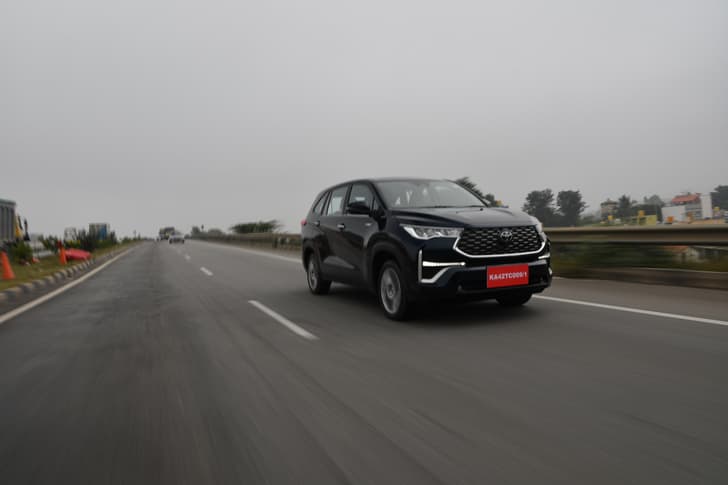
 

Toyota Innova HyCross

Toyota Innova HyCross

Was this helpful? Ask a follow-up

5w

@piyush_arjunan I have petrol version of Innova Hycross it drives like a dream. Very good car, in terms of comfort and value for money. No complexity of hybrid and costs almost 8 lakhs less

5w

I am confused between hycross zx vs skoda kodiaq lounge vs a used Kia carnival. My commute is delhi haridwar round trip every week. Roughly 500km. Only expect 2-3 passengers and very rarely self driving mostly driven. Also for hycross is the new model expected to launch soon? I have a car so this is not an urgent upgrade, worth waiting?

5w

@savan.1 For your Delhi–Haridwar runs with 2–3 passengers and mostly being driven, the Hycross ZX is the easy pick, hybrid gives 18–20 kmpl (big savings at 500km per week) and the rear seats are great. Kodiaq is more a driver's car, and a used Carnival carries service-history risk. No confirmed new Hycross soon, so waiting a couple months won't hurt. But going for a car already in market would be a better choice.

More posts on similar cars

6d

Mahindra XUV700 vs Tata Safari: Which Offers Better Performance and Long-Term Reliability?

Verified
1d

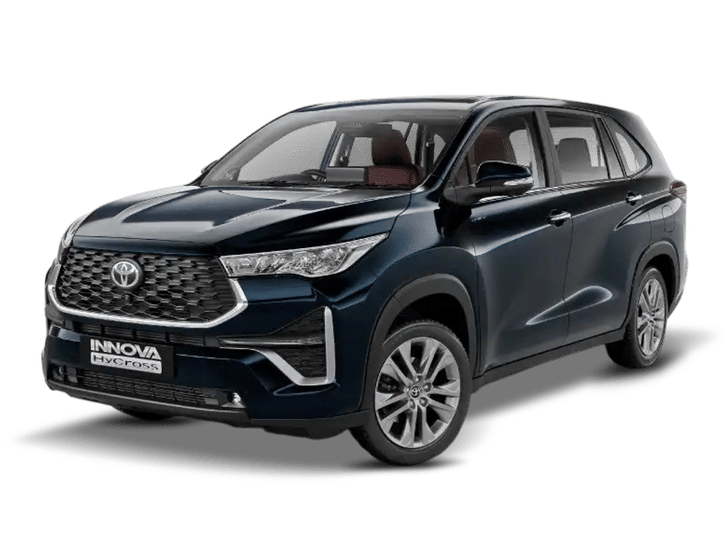
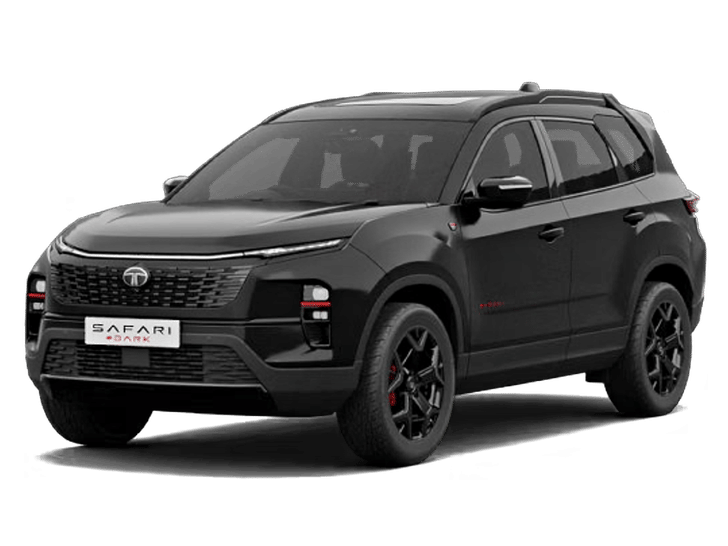
Go for the XUV 7XO AX petrol. It is the better fit for your priorities. The 2.0-litre turbo-petrol is a proven engine with a strong ownership track record, and delivers significantly better performance than the Safari’s 1.5-litre turbo-petrol. The Mahindra XUV 7XO feels more effortless on the highway, especially with a full load, and overtaking is easier thanks to its stronger mid-range.It is also the more mechanically sorted package overall, with a better-calibrated gearbox and a more mature ownership experience.The Tata Safari’s 1.5-litre turbo-petrol is adequate for city driving, but it can feel strained on the highway with a full load and does not offer the same level of performance, refinement, or long-distance ease as the engine in the Mahindra car.For your usage pattern, low running with occasional long highway trips, petrol is the right choice, and the XUV 7XO’s engine is better suited to this kind of usage. It is a robust, reliable powertrain that can handle high mileage over the long term, and it does not suffer from the same concerns around DPF or diesel-related issues that can arise with low usage.If you are open to alternatives, the Toyota Innova HyCross is worth considering. It is not an SUV, but it is the benchmark for long-term reliability and ownership experience. The hybrid powertrain is extremely well suited to your usage pattern. It is also a genuinely comfortable long-distance car with a proven track record.

VehicleMahindra XUV 7XO
VehicleTata Safari
VehicleToyota Innova HyCross
1d

Understanding Resale Value of the Tata Harrier EV Empowered 75 After 6 Years

Verified
2h

The Tata Harrier EV Empowered 75 ACFC is a strong product, but your question is the right one: what is the maths behind buying an EV, and does it make sense over six years?The simple answer is that electric cars make the most sense when you have predictable running, a mix of city and highway use, and a clear ownership horizon. Over six years, the biggest advantage is the running cost. Electricity is significantly cheaper than petrol or diesel, especially when you charge at home, and maintenance costs are lower because there are fewer moving parts and no engine oil changes. With an extended warranty, you are also protected against the biggest unknown, which is battery health.The resale value question is more difficult to answer. EVs do depreciate much faster than ICE cars today, largely because the technology is evolving quickly and buyers are still learning how to value a used EV. But that does not mean they have no resale value. The key is to look at total cost of ownership. If you save Rs 1.5-2 lakh a year on fuel and maintenance over six years, that is Rs 9-12 lakh saved. Even if the resale value is lower than a comparable diesel SUV, the running cost savings can more than offset that.The Tata Harrier EV itself is a good fit for your usage. It is a large, comfortable SUV with a strong feature set, and the 75 kWh battery gives it enough range for highway use without range anxiety. The ACFC (Active Cooling Fast Charging) system also helps with battery longevity and faster charging on long trips.The reason people are buying EVs is not just resale value. It is the combination of lower running costs, a smoother and quieter driving experience, and the convenience of home charging. Over six years, you will absolutely be able to squeeze value out of a Rs 30 lakh EV if you are doing a mix of city and highway driving and keeping the car for the full ownership period.The maths works when you look at the whole picture, not just the resale value. If you are comfortable with the technology and have a clear six-year plan, the Tata electric car mentioned above is a sensible choice.

VehicleTata Harrier EV

Expert reviews worth reading

Popular discussions right now

Posted on: 7 Jul 2026