Autocar India
•5d

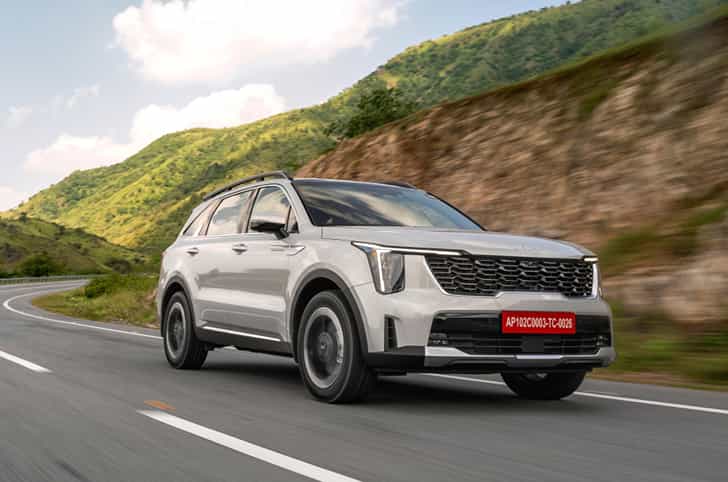
I have a 2015 Mercedes-Benz E-Class E250 CDI Avantgarde with 80,000 km driven. I am thinking of getting a new car. I don’t drive much, except for some long highway drives once every six months. I have hybrid cars like the Sorento in mind. Is it worth changing?

Verified
•58m

If your Mercedes-Benz E250 CDI is running well and you only do occasional long highway drives, there is no strong financial or practical reason to change it right now. The Mercedes-Benz E-Class is a superb long-distance car with excellent comfort, refinement and a proven diesel engine that is well suited to highway cruising. At 80,000km, there is still life left in it as a well-maintained Mercedes diesel, and the cost of upgrading to a new car is unlikely to be justified by your current usage pattern.The Kia Sorento Hybrid is a very different proposition. It is a large, comfortable and well-equipped SUV, but the hybrid system is designed to deliver its biggest benefits in mixed city and highway driving. On long highway runs, the fuel economy advantage over a diesel is less pronounced, and this Kia car does not offer the same driving experience as the E-Class.If you are looking for a change, the Sorento Hybrid is a sensible and practical family SUV, but it is not a direct replacement for an E-Class in terms of driving experience or long-distance comfort. If your usage remains occasional long highway drives, it makes more sense to keep the E-Class and enjoy it for a few more years. If you want a change for the sake of something new, the Sorento Hybrid is a great option.

VehicleKia Sorento
VehicleMercedes-Benz E-Class
Kia Sorento
Kia Sorento
•3d

I currently own a Jeep Compass and want to get an additional car for my father, with good reliability, unlike the Jeep. My father still drives a 2008 Honda City, and I am torn between a few choices: the Honda City, Skoda Slavia, Nissan Tekton and Toyota Hyryder. Or should I wait for the Virtus facelift or the new-generation Creta? His usage is low, at almost 500 km per month. Please suggest.

Verified
•2h

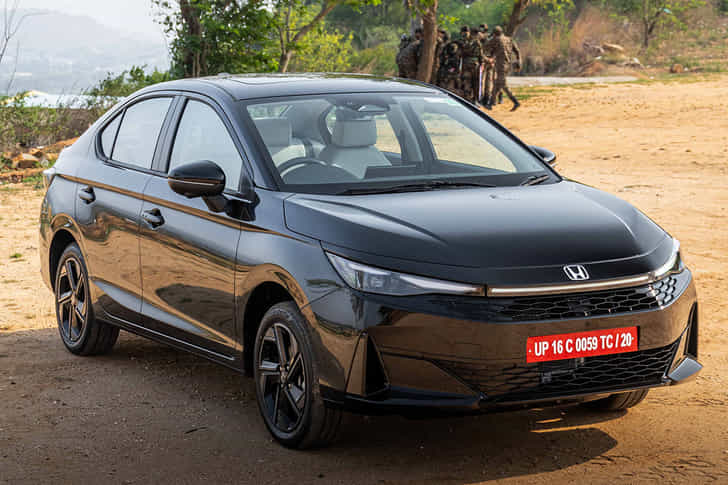
With just 500km a month, petrol is the clear choice, and reliability and ease of ownership become the most important factors. The Honda City is the safest recommendation here. It is a proven product with a strong reliability record, a comfortable ride and a familiar ownership experience that your father will appreciate, especially coming from a 2008 City. The Skoda Slavia and Volkswagen Virtus are both excellent to drive, but the 1.0 TSI engine can feel a bit laggy at low speeds, and the 1.5 TSI is overkill for this kind of usage. The Nissan Tekton is a good value proposition, but engines are not responsive at low speeds and Nissan's service network is not as strong as Honda's, which matters more for a low-running, long-term ownership scenario. The Toyota Urban Cruiser Hyryder is a solid option if you specifically want an SUV, but the hybrid premium does not make financial sense at this running, and the naturally aspirated petrol is not as refined as the City's engine. The new-generation Hyundai Creta is worth waiting for only if your father specifically wants an SUV; otherwise, the City remains the more sensible choice. Overall, the Honda City is the most reliable, comfortable and hassle-free option for your father's usage.

VehicleHonda City
VehicleSkoda Slavia
VehicleVolkswagen Virtus
VehicleToyota Urban Cruiser Hyryder
VehicleNissan Tekton

Upcoming launch buzz

Community discussions on upcoming launches
•12h

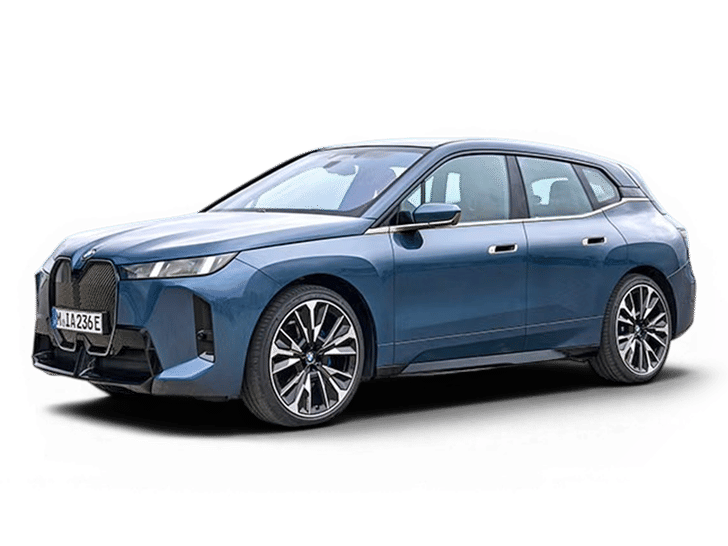
Please recommend one of the Sorento, Hycross and Kodiaq (all automatic). I drive 350 km on the highway each week, plus 50 km per day in the city for 3 days. My decision criteria are: Diesel or hybrid, Safety (Kia has a bad reputation), Back-seat comfort on the highway, Driving quality, Last-row seat comfort, and Comfort when driving myself I am leaning toward the Sorento. If so, should I choose the diesel or the hybrid?

Verified
•3h

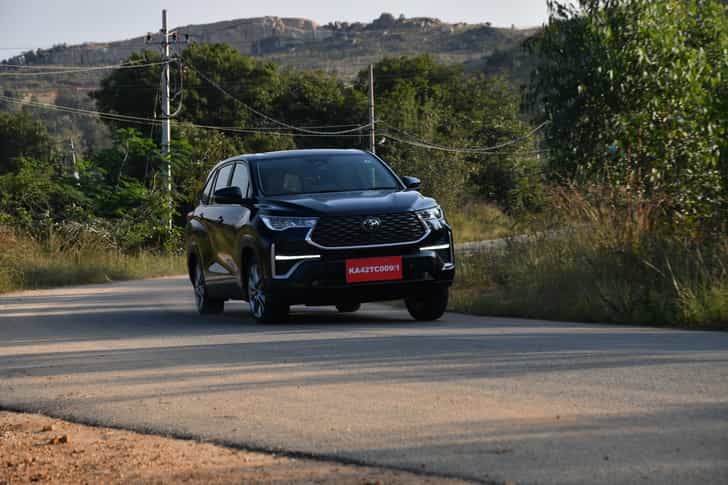
For your mix of 350 km of highway driving each week and another 150 km in the city, the Toyota Innova Hycross Hybrid is a sensible recommendation. It combines good fuel efficiency with easy city driving, a comfortable highway ride and, crucially, a genuinely usable third row. If you regularly travel with adults in all three rows, it makes the strongest case. Toyota’s reputation for reliability adds to its appeal for long-term ownership. The Kia Sorento is a good alternative, especially since you are already leaning towards it. We would favour the diesel if highway cruising is your priority, although your city running means the hybrid deserves consideration too. The Sorento feels more plush and better appointed, and we would rate it above this Toyota car as a highway cruiser.What could be the deal-breaker is the third row. It is better suited to children or occasional use by adults. The low seating position leaves you sitting with your knees raised, rather than comfortably supported, so make sure your intended passengers try it before you decide.On safety, we would not judge the Sorento by the reputation of other Kia models sold in India. Safety is model-specific, and the Sorento generation tested by Euro NCAP earned five stars. The Skoda Kodiaq is the driver’s choice here, with excellent dynamics and a premium cabin. If self-drive enjoyment matters more than maximum passenger space, it is very appealing. However, its third row is less accommodating than the Hycross’s, and its petrol-only powertrain is unlikely to match the Toyota hybrid’s economy for your usage.

VehicleToyota Innova HyCross
VehicleKia Sorento
VehicleSkoda Kodiaq
Toyota Innova HyCross
•2d

I keep fixating on achieving a 5-star safety rating for both adult and child occupants. My family consists of four adults and one child. I currently drive a Tata Altroz MT and want to upgrade to an automatic car. My requirements are as follows: I cannot buy an SUV because an elderly family member finds it difficult to get in and out. I cannot buy another Tata or Mahindra. My budget is a maximum of Rs 20 lakh, which I plan to pay off over three years. I need a 7-seater. I need good ground clearance, but the car must also be easy for elderly people to get in and out of. A 5-star safety rating for both adult and child occupants is non-negotiable. Given these requirements, does a 5-star safety rating actually mean anything in real-world conditions, or is it just a marketing gimmick? Thanks!

Verified
•4h

Given your requirements, of an automatic seven-seater with a solid crash safety rating that's not a Tata or Mahindra under Rs 20 lakh, and with good ground clearance, you're only option is the Citroen Aircross. But do keep in mind that only its 5-seater version has been crash tested with a 5-star score for adult protection and 4-star score for child protection. While the three-row version of the Citroen is largely mechanically identical, this score is only applicable to the two-row version.With the Citroen Aircross, you get a very premium interior, a strong turbo-petrol engine, smooth 6-speed automatic and excellent ride comfort. It has ample ground clearance, and is the only SUV of its kind to have a three-row seating configuration, however its third row is best left for kids. Also, given Citroen's limited dealer network, servicing could be a challenge. If you need a genuinely practical and spacious seven-seater with all the safety features, consider the Kia Carens Clavis Turbo-petrol automatic. It will be easy for your family members to get in and out. The only catch being, it hasn't been crash tested. The 5-star safety rating is not a marketing gimmick, it is a meaningful indicator of a car's crashworthiness and the effectiveness of its safety systems. However, it is important to understand that a 5-star rating is not an absolute guarantee of safety. It means the car has performed very well in standardised crash tests and meets high safety standards, but real-world outcomes can still vary depending on the nature of an accident.

VehicleCitroen Aircross
VehicleKia Carens Clavis
•1d

I am planning to upgrade my dad’s car. He currently drives a 2014 Honda Amaze petrol, which has clocked over 70,000km. My dad is satisfied with its comfort and driving experience. I am planning to buy a new petrol car, with ride quality and comfort as the top priorities, followed by fuel efficiency. The car will be driven on bumpy village roads and semi-hilly roads in Kerala, with occasional trips on state highways. My maximum budget is Rs 13-14 lakh on-road. Reliability and service quality are also important, as my dad is not very knowledgeable about automobiles. So far, we have been happy with the Honda Amaze’s service costs and quality, and the car has not had any major issues. Could you please suggest a suitable car that meets these requirements?

Verified
•6h

Based on your father’s priorities and usage, we’d recommend the Honda Elevate SV manual as the most sensible upgrade, provided you can stretch your budget a wee bit. It’s currently around Rs 14.2 lakh on road in Kerala, though the final quote will depend on your location, insurance and any dealer offers.It builds on the Honda qualities your father already appreciates in his Honda Amaze, while adding a higher seating position, more ground clearance and a comfortable suspension that copes well with broken roads. That makes it well suited to his village-road driving, with the caveat that bigger potholes still need to be taken slowly The 1.5-litre naturally aspirated petrol engine is smooth, responsive and straightforward to drive. On steeper climbs, he may need to downshift rather than expect strong pulling power in a high gear. The cabin is comfortable, visibility is good and the boot is generous. Overall, it offers the fuss-free driving experience he’s enjoyed in the Amaze, in a more spacious package. Given his positive experience with the local Honda workshop, staying with the same service setup is another practical advantage.If Rs14 lakh is a firm ceiling, we’d look at the Maruti Suzuki Brezza 1.0 turbo-petrol. Its punchy engine should suit the uphill stretches, and your budget could allow a higher variant with more features. This Maruti Suzuki car also offers a 1.5-litre naturally aspirated petrol, which is worth trying if he prefers smoother, more linear responses over outright punchWe’d favour the Elevate for comfort and familiarity, but have your father test-drive both on the kind of roads he actually uses before deciding.

VehicleHonda Elevate
VehicleMaruti Suzuki Brezza
VehicleHonda Amaze
•2d

I want to buy a sub-4-metre SUV, as most of my driving will be in the city, with tight parking spaces and short trips. I will occasionally take it on hill getaways. I like the Skoda Kylaq, but it misses out on a 360-degree camera and a proper digital instrument cluster. Its older user interface also feels familiar because I already own a Volkswagen Virtus. The Hyundai Venue does not feel special enough for its price, while the Mahindra XUV 3XO has awkward proportions and an uncomfortable rear seat, despite having the best suspension, engine and transmission combination. Should I wait for the new Kia Sonet or another launch expected by early next year? I also find DCTs less suited to city driving, although I realise no car can offer everything.

Verified
•1d

Since you didn't like the current crop of compact SUVs, consider the Maruti Fronx with the 1.0 turbo-petrol engine and 6-speed torque converter. It is compact, peppy and nice to drive. Its top variant has the 360-camera you're looking for, and since the turbo-petrol isn't the popular choice from the range, you could end up getting a good deal too. Alternatively, you could pick the Taisor too, which is a rebadged Fronx sold and serviced through Toyota's network.If you didn't find the Venue exciting, you could check out the Venue N Line that gets some sportier bits to give it a more special feel. However, mechanically it remains largely similar to the standard version.The new Kia Sonet is worth waiting for if you are not in a hurry, as it is expected to bring a more modern feature set and a fresher interior. However, it will still use a DCT for the turbo petrol automatic, which you have already identified as a drawback for city driving.

VehicleMaruti Suzuki Fronx
VehicleKia New Sonet
VehicleToyota Urban Cruiser Taisor
•2d

Why would anyone pay Rs 3-5 lakh more for a 1.5-litre naturally aspirated petrol SUV like the Honda Elevate over a 1.0-litre turbo-petrol car like the Skoda Kylaq, especially when the Kylaq offers more torque and a torque-converter automatic? The turbo produces around 178Nm from 1,800rpm, while the naturally aspirated engine makes about 145Nm at around 4,300rpm. The turbo should also lose less power at altitude, and the torque-converter automatic avoids the concerns associated with a dry-clutch DCT. Is the Elevate really worth the premium for long-term reliability and refinement?

Verified
•1d

Whether it is worth paying the premium for a Honda Elevate over the Skoda Kylaq purely depends on your use case.The Skoda Kylaq will appeal to those buyers who want a (relatively) compact car that's enjoyable to drive. It is well-built and has a strong 1.0-litre turbo-petrol engine with a responsive 6-speed torque converter automatic that complements its taut chassis and excellent ride-handling balance. Being a sub-4-meter offering, it also falls in a lower tax bracket compared to the Elevate; hence it is more affordable too.The Honda Elevate, on the other hand, is a larger car with more rear seat space and a bigger boot, which makes a difference for buyers who regularly travel with family and/or luggage. The price difference is not just for the engine; it is for the overall package, including space, comfort, higher ground clearance and Honda’s reputation for long-term reliability.Also, do keep in mind that the Elevate's 1.5-litre naturally aspirated engine is a proven, reliable unit, and the CVT makes the drive experience very seamless. The 1.5 NA engine's low-end pulling power is also stronger. Sure, at higher altitudes, the Kylaq's turbo-petrol engine is likely to lose less power than the Elevate's NA engine, but off-boost responses will feel noticeably duller because turbo lag in small-capacity turbo engines usually feels more pronounced. So both cars have their pros and cons while driving in hilly regions.You're also getting more features with the Elevate, like ADAS, a 360-degree camera and front and rear seat ventilation, which the Kylaq doesn't get.Lastly, as you go to higher-end segments, even though these might not offer outright value-for-money as offerings from lower segments, buyers are happy to pay the 'prestige' premium for driving a bigger car or a more luxurious car.

VehicleSkoda Kylaq
VehicleHonda Elevate
•4d

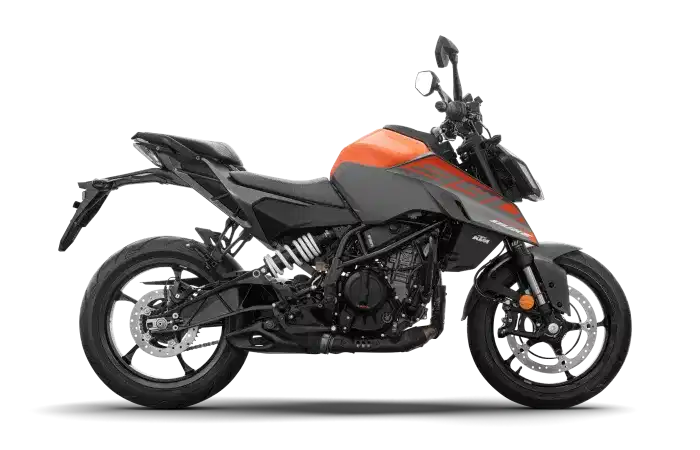
Which bike should I choose between the new KTM 390 Adventure, KTM 390 Duke and Royal Enfield Guerrilla 450? I am upgrading from a TVS Ronin 225, and I feel it lacks power on highways, especially while overtaking. I am also looking for a new riding experience. I am 5'3" tall and weigh 75kg. Please guide me on which bike would suit me best, considering my height, riding comfort and performance. Or would it be better to stick with the TVS Ronin?
Verified
•2d

Given your stature and the fact that you're coming from a Ronin, we'd recommend you choose between the 350cc KTM 390 Duke and the Royal Enfield Guerrilla 450 you've shortlisted. While both bikes have similar peak power outputs and pricing, they're poles apart to ride, so make sure you get a test ride before you go ahead with your purchase. The 390 Duke has sublime handling, great features and its 349cc engine loves chasing the redline but in day-to-day usage it feels like the machine that needs to be worked harder. Its suspension is also quite stiff (not harsh but definitely not plush) and there are quite a few vibes from the engine at almost all touch points no matter the revs you're at. If you don't care about refinement or comfort too much, and want all-out sporting thrills at a reasonable budget, then the 350cc Duke is something you should consider. If instead, you want your next purchase to be a bit more rounded to balance both usability and performance, then the RE Guerrilla 450 should be on your radar. The Guerrilla's 452cc engine's torquey nature makes it far more effortless to ride both in the city and on the highway, and its chassis is set up well for brisk road riding. It also has a lower 780mm perch (compared to the KTM's 800mm one) and its suspension is also set up to deal with road imperfections better. Ofcourse, it lacks the outright speed, handling, as well as the finessed electronics of the KTM, but for some people, this will actually be a plus point. Like we said at the outset, these are two very different bikes, so before making your decision, ensure you take a thorough test ride.

KTM 390 Duke
Royal Enfield Guerrilla 450
KTM 390 Duke
KTM 390 Duke
•4d

Hello, I am a resident of New Delhi and own a 2005 Hero Honda Karizma that is no longer permitted to run on Delhi roads. Since I live in an apartment complex, I have been able to keep the motorcycle parked within the premises. However, I would like to know whether there are any rules prohibiting me from keeping it parked there and whether the authorities can tow it away even if it is not being driven on public roads. I would appreciate any information or clarification on the applicable rules and regulations. Thank you in advance.
Verified
•2d

As a Delhi resident with a 2005 Hero Honda Karizma, the key issue is that your bike is now considered “unfit” under Delhi’s 15-year rule for petrol vehicles. This means it cannot be legally used on public roads, and the registration is effectively invalid. However, there is no blanket rule that says you cannot keep the bike parked inside your own apartment complex. The authorities are primarily concerned with such vehicles being used on public roads or in public parking areas, and if you do so, you can be fined and the vehicle towed and scrapped.If the bike has sentimental value, you can explore getting it registered as a vintage vehicle, which allows continued ownership and limited use under specific conditions. This process involves an application to the RTO and meeting certain criteria, including the bike being over 15 years old and in original condition. If you do not plan to use the bike and want to avoid any risk, the safest option is to deregister it and keep it purely as a display piece, or consider scrapping it through an authorised facility.

•3d

I am 5'6" and have previously owned or ridden a Hero Glamour (2007–2010), a Bajaj Pulsar 125 (2012–2013), a Royal Enfield Electra (2013–2020, at my hometown) and an Apache RTR 160 (2016–2018, in the city where I worked). Currently, I use my father's Honda Aviator for short trips. Of all these bikes, I enjoyed the Royal Enfield Electra the most, particularly for its ride comfort and low-end torque. However, I did face some issues with the kick-start mechanism and gearbox. Since 2014, I have primarily used a car, and I am now looking for a motorcycle mainly for leisure and occasional rides. I am 40 years old, and my riding will mostly involve city commutes in bumper-to-bumper traffic, with a longer weekend ride once every three months. I prefer retro or classic styling and am not particularly interested in speed. Comfort, easy handling and looks are my priorities. The motorcycles I am considering are the Honda CB350C, Honda Rebel, Yamaha XSR (mainly because of its relatively low weight), Triumph T4 and Royal Enfield Meteor. My previous experience with the older Royal Enfield UCE engine makes me a little hesitant about buying another RE, although I am open to considering the Meteor if the newer J-series engine is a significant improvement. Considering my height, riding requirements and preferences, which one motorcycle would you recommend? I would appreciate advice based on real-world ownership experience, particularly regarding comfort in city traffic, ease of handling and long-term reliability. Thanks in advance for your suggestions.

Verified
•2d

Given your previous experience with an Electra, we'd recommend you take a look at the latest Royal Enfield Classic 350 / Bullet 350 models. The Meteor 350 is a good option too, but in a pure comfort-related comparison, it won't feel as plush as the aforementioned two over bad roads. These new models have the same feel as older REs but bring in modern reliability and a high level of both fit and finish as well as comfort - all things you are looking for. IIf you find the REs a bit too heavy to manage, you should alternatively look at the Honda CB350 model, which has a similar riding experience but is far lighter. We'd advise sticking to these bikes as the others don't seem to be in line with your needs.

Royal Enfield Classic 350
Royal Enfield Bullet 350
Royal Enfield Meteor 350
Honda Bikes CB350