Latest questions answered by experts
I am thinking of getting a new bike after using a TVS Sport 100cc for almost 15 years. I have been interested in sports bikes since childhood, and now that I am settled, I am thinking of getting one. Earlier, I was considering the Kawasaki Ninja 300, but its price has recently increased while offering minimal features and high maintenance costs. For some time, I also considered the Ultraviolette F77, but I am still sceptical about its long-term reliability. The Suzuki Gixxer SF 250 has always been on my mind, and I recently visited its showroom. I really like the colours of the SF 150 more than those of the 250, but I also don't want to miss out on the thrill of the 250. I am particularly interested in the SF 250 FFV variant, but it is available in only two colours, neither of which I find very appealing. I really like one of the colours offered on the SF 150, but it isn't available on the 250. I also came across the Suzuki GSX-8R, and it was love at first sight. Now I am wondering if Suzuki could launch a similar bike in the coming months. I am very confused. What should I do?
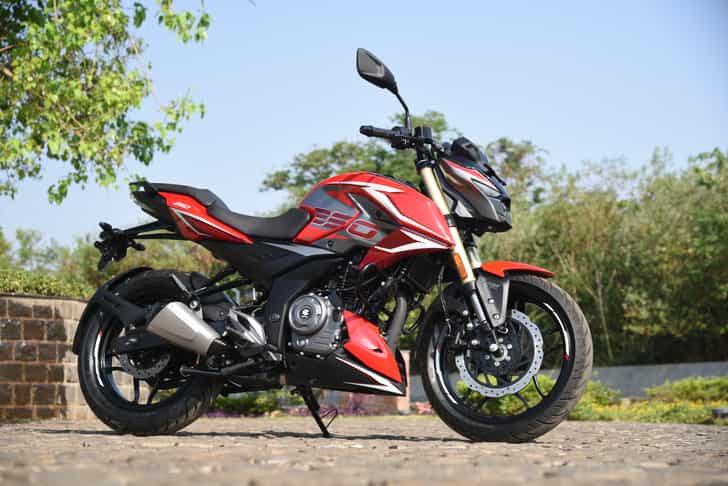
The Suzuki Gixxer models (both 150 and 250) are due to get a generation change soon and therefore, buying one of them right now would not be our recommendation. If you want something in a similar displacement and price bracket, then the Bajaj Pulsar N250 would be the closest match.The Hero Xtreme 250R is also a well-priced alternative that rides well and unlocks a whole new spectrum of performance, although Premia dealerships are quite few and far between currently.
I have a Tata Nexon Creative AMT that is only a year old, but I have already had to replace the spark plugs four times and the ignition coil once. I am still facing engine misfires and vibrations inside the car. I am honestly fed up with Tata's service, as they have been unable to resolve the issue. I am therefore planning to sell the Nexon and buy a Kia Seltos with a manual transmission this time. My priority was safety earlier, and it remains my top priority. However, I now also want peace of mind and a hassle-free ownership experience. Would selling the Nexon and switching to the Seltos be a good decision?
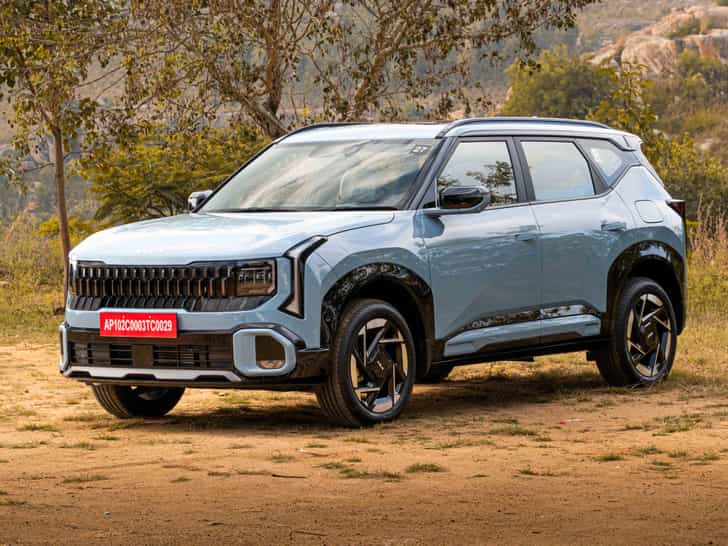
Yes, it is a good decisionYes, it is a good decision to sell the Tata Nexon and move to the Seltos manual. The Nexon is generally a safe and well-engineered car, but if you are facing repeated engine issues and the service centre is unable to resolve them, it is understandable to lose confidence in the ownership experience. The Kia Seltos is a very well-rounded SUV with a strong safety package, a more refined ownership experience and a good service network. The manual transmission is also a good choice if you want to avoid any potential automatic gearbox-related issues. Overall, if peace of mind and a hassle-free ownership experience are your top priorities, the Seltos is a sensible upgrade.
Hi, I used to drive the 2.0-litre diesel Jetta, but had to sell it after six years due to recurring repair issues. I then switched to a Creta 1.4 Turbo automatic. Now I’m looking to buy a new car that is powerful, with strong torque and bhp, safe, and reasonably spacious. I’m not too concerned about the fuel type or fancy features. What I really want is something that can give me the same adrenaline rush that the Jetta did.
Go for the Skoda Kushaq 1.5 TSI DSG. Coming from a Jetta, you will appreciate the strong mid-range punch, quick-shifting DSG and the overall driver-focused character. The Kushaq is one of the most engaging SUVs in its segment, with a well-sorted chassis and a genuinely enjoyable driving experience. It also offers good safety credentials and decent cabin space for a family. If you want something larger with more space and a similar driving focus, the Mahindra XUV 7XO petrol automatic is worth considering, but the Kushaq is the closest modern equivalent to the Jetta in terms of driving feel.
Currently, I own a Sonet and am extremely unhappy with its poor suspension and very low mileage. My driving is mostly limited to congested areas and heavy traffic, with a daily running of around 20–22 km. I also do not have dedicated EV charging facilities, so a fully electric vehicle is not an option. Given my priorities of good mileage and a comfortable rear-seat ride without excessive wobbling or jerking, would it make sense to go for a strong hybrid such as the Toyota Hyryder or Maruti Suzuki Vitara, or would a regular Honda City be the better choice? I am particularly wondering whether spending an additional Rs 7-8 lakh on a hybrid would be justified, considering my relatively low daily usage of around 22 km. Open to all suggestions.
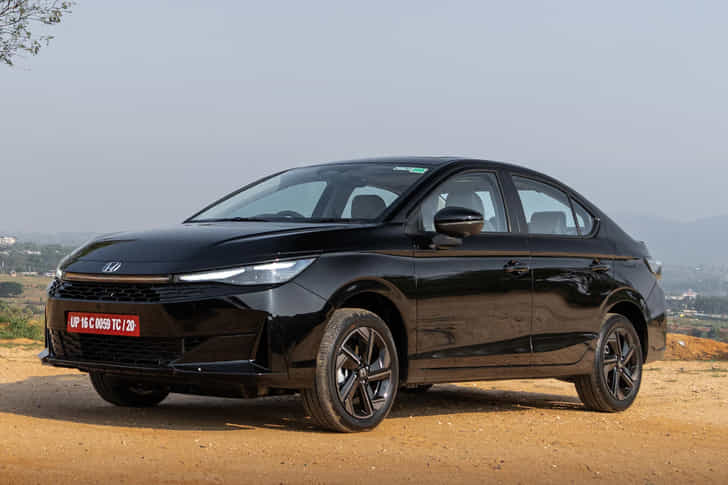
Go for the Honda City petrol CVT. The City’s CVT is smooth, reliable and well suited to stop-and-go traffic, and the rear seat ride is comfortable and stable, which addresses your main complaint with the Kia Sonet. The strong hybrid premium on the Maruti Suzuki Grand Vitara / Toyota Urban Cruiser Hyryder is difficult to justify at your running; the fuel savings will take a very long time to recover, and the City’s petrol efficiency is good enough for your usage pattern. The City also has a proven long-term ownership track record with low running costs and a comfortable ride, which is exactly what you are looking for. If you want a slightly higher seating position and a more SUV-like feel, the Honda Elevate is a good alternative with the same engine and a similarly comfortable ride.

I am planning to buy a car in the Rs 12-13 lakh price range and will travel around 1,000-1,200km on the highway every month. Should I go for the Sonet diesel, or would a petrol car be a better choice? If petrol is the better option, please suggest cars with good mileage, as fuel efficiency is my main concern.
With 1,000-1,200 km of highway driving per month, the Kia Sonet diesel is a sensible choice. At that kind of running, the fuel cost savings of diesel over petrol become meaningful, especially on highways where diesel engines are at their most efficient. The Sonet diesel is a strong highway performer, with good torque for overtaking and a relaxed cruising nature. It is also a well-rounded package with a comfortable ride and a decent feature set.If you are open to petrol, the Maruti Suzuki Brezza is the best alternative. It is one of the most fuel-efficient petrol SUVs in the segment, and Maruti's ownership experience and service reach are hard to beat. However, the fuel cost difference compared to diesel will still be noticeable in your running costs.
Hi, I am looking for a car under Rs 9 lakh. This will be my first car, and I am not very confident about driving yet. I currently use a bike for my daily commute, which is around 50% city and 50% highway driving. I have the Maruti Suzuki Brezza LXi and the Renault Triber RXL AMT in mind. Please suggest a good car based on my requirements. My main priorities are good mileage and a hassle-free ownership experience.
Go for the Maruti Suzuki Fronx Delta AMT. As a first-time car buyer who is not very confident behind the wheel, the Fronx AMT is the better choice because the automatic gearbox will make your daily commute far less stressful, especially in city traffic.The Maruti Suzuki Brezza LXi Turbo is a good car, but the manual gearbox will add unnecessary stress to your daily commute, and as a first-time buyer, you are better off prioritising ease of use over outright performance.If you are open to a manual, the Brezza is the better car overall, but given your priorities, the Fronx Delta AMT is the smarter choice.
Hi Team, I booked the Brezza VXi Turbo in Lustrous Beige on 27 July in Bangalore. I am still waiting for the car to be dispatched from the factory and have not received a clear update on the expected delivery date. Could you please let me know the current waiting period and whether it would make sense to consider other options? Every week, I am told that an update will be provided the following week or that production is taking longer due to the queue, but there is still no clear timeline for delivery.
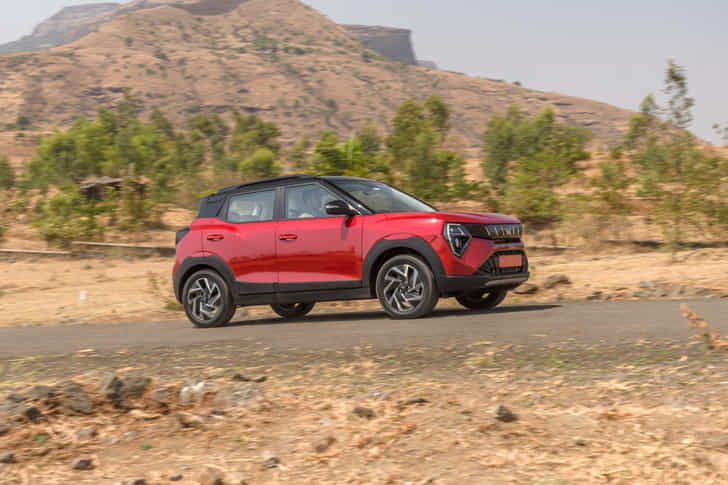
The Maruti Suzuki Brezza VXi Turbo is a solid choice, but the waiting period can be unpredictable depending on colour and variant demand. If the dealership is unable to give you a clear delivery timeline even after several weeks, it is worth considering alternatives rather than waiting indefinitely.The Mahindra XUV 3XO is the most logical alternative. It offers a more powerful turbo petrol engine, a wider cabin and a stronger feature set at a similar price point. The only drawback is the smaller boot, but as a 5-seater it is one of the best in the segment. The Skoda Kylaq is another strong option if you prioritise driving dynamics and value, though it is not as spacious as the Brezza or the 3XO.If you are happy with the Brezza and the dealership can give you a firm delivery date, it is worth waiting. But if the uncertainty continues, the XUV 3XO is a good alternative.
I am planning to buy a new car with a budget of Rs 25 lakh. I currently drive a 2021 Kia Sonet DCT and am quite interested in the Thar Roxx. However, around 80% of my driving is in Hyderabad’s heavy traffic. Is the Thar Roxx a good choice for my usage, or are there other options worth considering?
With 80 percent of your driving in Hyderabad's heavy traffic, the Mahindra Thar Roxx is not the most sensible upgrade from your Kia Sonet DCT. The Thar Roxx is a lifestyle SUV with a rugged, off-road-focused character, and while it is great fun on trails and highways, it is not the most comfortable or practical daily driver in dense city traffic. The ride is firm, the turning circle is large, and the overall driving experience can become tiring in stop-and-go conditions.Given your budget of Rs 25 lakh, a more practical upgrade would be something like the Kia Seltos or Hyundai Creta. Both offer a significant step up in space, comfort and refinement over the Sonet, and are far better suited to daily city driving while still being capable on highways. If you are looking for something with a bit more character, the Skoda Kushaq or Volkswagen Taigun are also worth considering, especially if you enjoy driving.If you are still drawn to the Thar Roxx for its lifestyle appeal, it is best approached as a second car rather than a primary daily driver. For your usage pattern, prioritising comfort, ease of driving and practicality will make you much happier over the long term.
Hi, I currently own a Hyundai Verna 1.5 Turbo DCT, Kia Carens Clavis DCT and Tata Altroz. After the launch of the Kia Sorento, I am quite interested in it. Would it be worth selling my one-year-old Carens Clavis and upgrading to the Sorento HTE (O) Hybrid, or would it be better to retain the Clavis and instead purchase the MG Hector Tomahawk EV? Please advise. My daily running is also expected to increase to around 70 km per day in the future.
With a daily running of around 70km, the financial case for an EV becomes very strong, provided you have access to home charging. The MG Hector Tomahawk EV is a large, comfortable SUV with a spacious cabin and a long range, making it well suited to your usage pattern. It will also deliver significantly lower running costs compared to a hybrid or petrol car.The Kia Sorento HTE (O) Hybrid is a very appealing product, but the fuel savings are not as dramatic as those of a well-used EV. Selling a one-year-old Carens Clavis will also involve a depreciation hit that is difficult to justify unless the Sorento offers something you genuinely need.The Clavis DCT is already a very capable family car, and there is no compelling reason to replace it after just one year. The smarter move is to retain the Clavis and add the Hector Tomahawk EV as your primary daily driver. This way, you get the best of both worlds: an efficient, low-cost commuter and a practical family car for longer trips.
Hi, I currently drive a Kia Sonet HTX, purchased in December 2020. It has covered around 46,000 km so far, with an annual running of approximately 9,000 km. I am now looking to upgrade to a mid-size SUV with an automatic transmission. My priorities are a feature-rich car with a 5-star safety rating, suitable for a family of four. The expected usage will be around 80% city and 20% highway driving. My budget is around Rs 20 lakh, although I can stretch it slightly for a better overall package. Please suggest some suitable options.
With 9,000 km a year and an 80:20 city-highway split, a petrol automatic is the right choice. The Kia Seltos IVT is the recommendation here. It offers a smooth, reliable CVT automatic that is well suited to city driving, a comfortable and spacious cabin for a family of four, and a strong feature set. The Seltos also has a proven ownership track record and a good service network, which matters for long-term peace of mind.If you are willing to stretch your budget slightly, the Kia Seltos GTX+ DCT is worth considering. It adds a more powerful turbo petrol engine and a richer feature list, including ADAS, ventilated seats and a more premium cabin experience. The DCT is quick and engaging, but it is not as smooth as the IVT in stop-start traffic.If you want a more driver-focused alternative, the Skoda Kushaq 1.5 TSI DSG is a strong option. It offers excellent performance and driving dynamics, but the Seltos remains the more rounded family car.Overall, the Seltos IVT hits the sweet spot for your usage and budget.

I am planning to upgrade the AC system in my 2024 Volkswagen Taigun to the new variable-geometry unit to address the cooling issue. Will the new AC system be compatible with the older Taigun model?
The new variable geometry AC unit introduced on the Volkswagen Taigun is not a simple plug-and-play upgrade for your 2024 model. The system is integrated with the car's HVAC controls, sensors and software calibration, so retrofitting it into an older car is not straightforward. Volkswagen has not offered this as an official retrofit, and attempting to do so would likely require significant changes to the HVAC system, wiring and control modules, which could be expensive and may not work as intended.
I am looking for a car in the range of mid-size SUVs. I have shortlisted two cars: Kia Seltos and Skoda Kushaq, latest versions of both. Which one should I buy and Why? My daily commute for work to home would be around 30-35km in Delhi.
Go for the Kia Seltos. With a 30-35 km daily commute in Delhi, you need a car that is comfortable, refined and easy to live with in traffic, and the Seltos delivers exactly that. It has a more premium and spacious cabin, a smoother ride over broken city roads and a wider service network, which is important for hassle-free ownership in Delhi. The Skoda Kushaq is the better driver's car with sharper handling, but for your usage, the Seltos is the more complete package. It is also worth mentioning that the Seltos feels more premium inside and offers slightly better rear seat space, which makes a difference on longer commutes. And the Seltos offers a very smooth 1.5-litre petrol engine with a CVT gearbox, which is friendlier to drive in stop-and-go traffic than the Kushaq's 1.0 TSI engine with an 8-speed auto, and is likely to be more efficient too. Overall, the Seltos is the better fit for your daily routine and long-term ownership.
I’m planning to buy a motorcycle for the first time. Please suggest a suitable option based on my requirements. My main priorities are safety and comfort. I’ll mostly ride in villages and cities, with occasional highway rides. I’m 5'4" tall and weigh 45 kg. My budget is around Rs 1.5 lakh. I would also prefer a bike with a single-seat setup, as I’ll be carrying my parents as pillion riders.
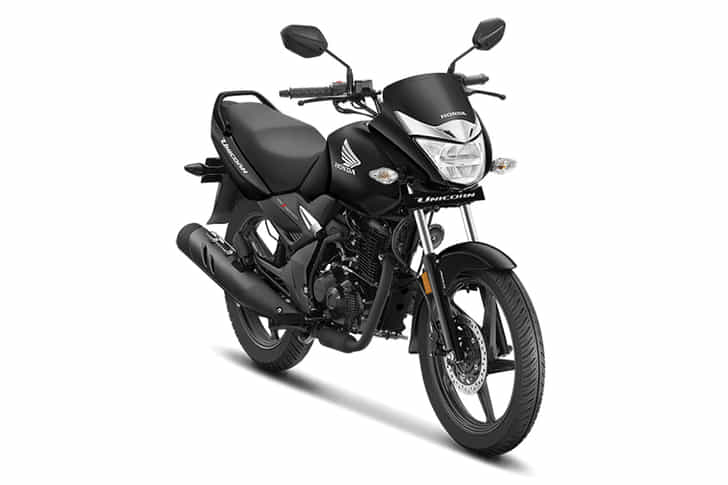
Given your requirements, commuter bikes like the Honda Unicorn, Bajaj Pulsar 150, and Yamaha FZ would be our recommendation. These have low and flat single-piece seats, good suspension comfort, and will also be quite fuel-efficient. Take a test ride of all three before you make your decision.

I’m 20 years old and looking to buy my first bike for everyday college use. I’m considering the Royal Enfield Continental GT 650 and feel it could be an ideal choice. However, I’ve heard that riding it regularly in the city can cause wrist and back pain. Is the Continental GT 650 suitable for daily city riding, or should I consider another bike?
The Royal Enfield Continental GT 650 is a cafe racer with low clip-on handlebars and rearset footpegs, placing you in a committed riding position. Therefore, given that you will only go to college on it (likely an intra-city commute), you will be at slower speeds, wading through staccato traffic. This is a situation where you will put more pressure on your wrists, and if the roads in your area aren't smooth, over bumps, you will also feel a jerk go up to your spine. All this to say, no, this Royal Enfield bike is not a comfortable machine, but it does bring a lot of cool factor to the table.If you want a similar riding experience without the discomfort, then the Royal Enfield Interceptor 650 should fit the bill because both it and the 'Conti' are identical save for different ergonomics and slightly different fuel tank capacities.
Hi, I currently own a Hero Duet BS3 model. My current weekly running is around 80 km, most of which is within the city. Due to the current petrol prices, my weekly fuel bill is around Rs 400. Would it be financially viable for me to switch to an electric scooter given my usage?
From what you have told us, it seems that your Hero Duet's engine is consuming an unusually large amount of fuel for the distance you are covering. Our first suggestion would be to get it serviced properly and see if this changes anything. If it doesn't, given your low weekly run, getting a new petrol scooter like a Jupiter, Access or Activa would make more sense than switching to a more expensive electric bike. The high initial cost you shell out for the e-scooter will take years to recoup with your limited use. Nevertheless, if your next vehicle must be an EV, then choose from proven brands like TVS, Bajaj, Ather and Hero.
I’m confused between the Honda CB350 H’ness and the Royal Enfield Hunter 350. I liked the refined engine and comfortable riding position of the CB350, while I liked the Hunter’s looks, lightweight nature, and ease of manoeuvring. My daily travel is around 40 km, mostly in traffic, with speeds rarely crossing 80 kmph. I plan to use the bike primarily for daily commuting. Which one should I go for? Also, would using an inclined handlebar riser on the Hunter 350 improve its riding comfort?
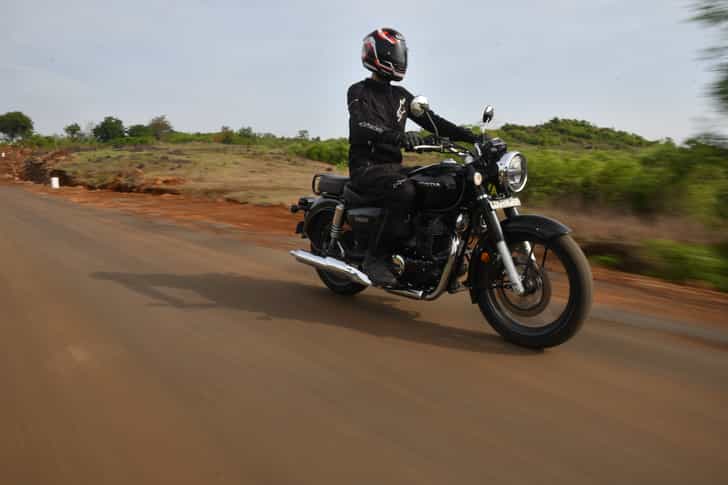
The Honda CB350 would make more sense for your needs because you spend most of your time in city traffic where comfort and refinement are paramount. While this Honda bike is a slightly larger machine than the Royal Enfield Hunter (both weigh the same 181kg), after a brief acclimatization period, you will get used to it. While a set of handlebar risers can improve your seating posture on the Hunter, you will lose some feedback and control from the front end and you will also need to arrange for longer cables and hoses to accommodate this change.
I’m planning to upgrade from an Apache 200 after 9 years. My usage is primarily within Bangalore city, with occasional highway trips. I’m confused between the KTM Duke 250, which seems like an agile city option with good tech, the Scrambler 350X, and the KTM Adventure 350. The Scrambler 350X is my first choice, followed by the KTM Adventure 350. However, I feel I might be wasting the larger engines if I’m mostly riding in heavy city traffic. For my usage, should I stick with the Duke 250, or would it make sense to move to one of the bigger options?
We'd recommend you go with the 350cc Triumph Scrambler 400 X over the other bikes you've shortlisted for two reasons. First, it will offer you a big step up in comfort and performance from your Apache 200. Second, despite using a larger engine, this Triumph bike is a very friendly city bike and won't catch you out with abrupt, overeager power delivery or a heavy clutch. The 350cc KTM 390 Adventure has a very buzzy engine which will make its presence felt at all times and the KTM 250 Duke will feel like a small step up from your Apache 200.
I’m confused between the Honda H’ness CB350 and the Triumph Scrambler 400X. The Honda feels smoother, but it lacks the thrill I’m looking for. On the other hand, the Scrambler 400X is almost Rs 80,000 more expensive on-road after the recent price hike. Considering that it is now a 350cc bike rather than 400cc, even though it is priced almost the same as the earlier 400cc version, I’m finding it difficult to justify the higher price.
Between the two bikes you've shortlisted, the 350cc Triumph Scrambler 400 X is surely more fun and a better all-rounder but it does come at a steeper price than the simpler Honda CB350. If you can stretch for it, the Triumph is a fantastic rugged road bike and should serve you well. If not, this Honda bike is still an accomplished - if laidback - retro roadster which will offer you good comfort and fuel economy in the long run. Take your pick of the two after an exhaustive test ride - money will come back but the time you spend on the bike won't!
I’m looking for recommendations for a reliable and durable electric scooter for city commuting. My daily running is around 50 km, occasionally increasing to 70 km on busier days. I have rooftop solar installed at home and will charge the scooter exclusively there, so access to public fast-charging networks isn’t a priority. I’m also not particularly interested in touchscreen gimmicks or connected-tech features. My top priorities are solid build quality, long-term durability, hassle-free after-sales support, and a proven, reliable battery and BMS setup with minimal degradation over time. My budget is around Rs 1.5 lakh. I currently own an Activa and am planning to replace it. Which electric scooters would you recommend for my requirements?
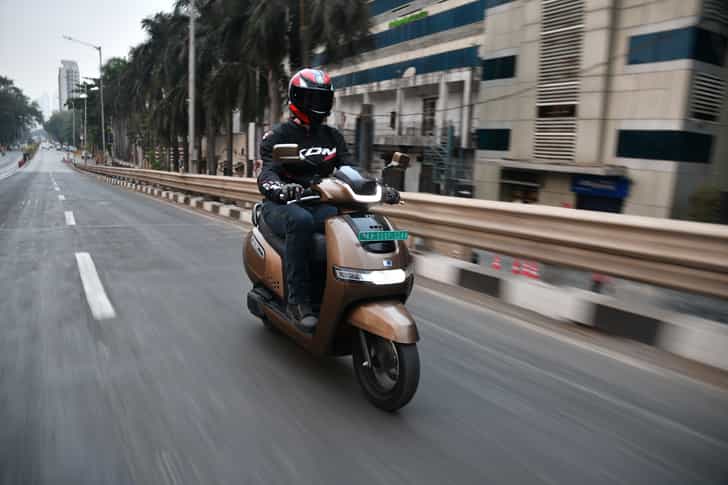
Given your requirements, the TVS iQube 3.5 and Bajaj Chetak 3502 models seem like the best fit. Both are straightforward, hassle-free, and proven machines with more than enough range for your long daily run. These are two of India's bestselling electric bikes, and no matter which one you choose, realistically, you can't go wrong with either. Take a test ride of both and see which one you prefer before you make your decision.
I’m looking for an adventure-segment bike and have been eyeing the Hero Xpulse 210. I recently heard that Honda is planning to launch the CB300 Rally, so should I wait for it? I’ll primarily use the bike for a daily commute of around 10-20 km and occasional weekend long rides, mostly around the city and nearby areas. Given my relatively low daily running, should I increase my budget and consider the Royal Enfield Himalayan 450 or KTM 390 Adventure for the occasional longer rides? Which bike would be the best choice for my requirements?

The Hero Xpulse 210 makes more sense since your daily run is quite limited and long rides are few and far between. This Hero bikes has more than enough performance for both city riding and gentle highway cruising, and will keep you comfortable over the worst of our roads. However, we would advise you to wait for the Honda XR300 Rally because it promises similiar performance and capability with the backing of a Japanese giant. Once the XR is out, take a test ride and see if you gel with it or if the Xpulse makes more sense for you, before you go ahead with your purchase.
Need expert advice?
Ask the Autocar community and experts.