Autocar India
2m

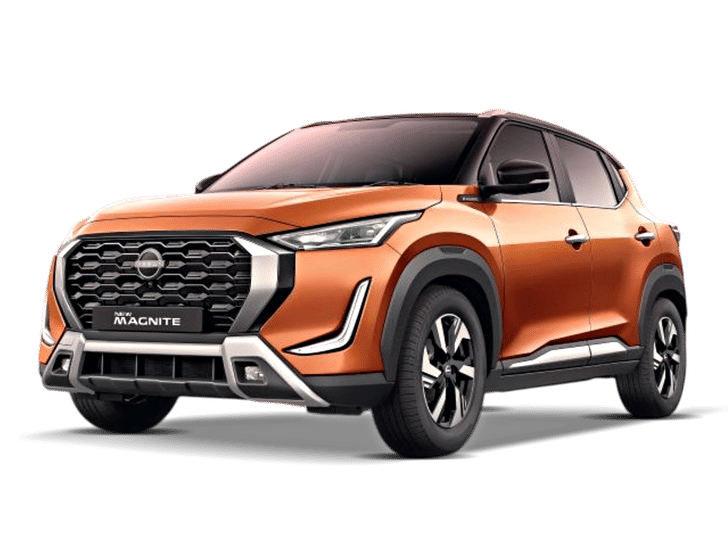
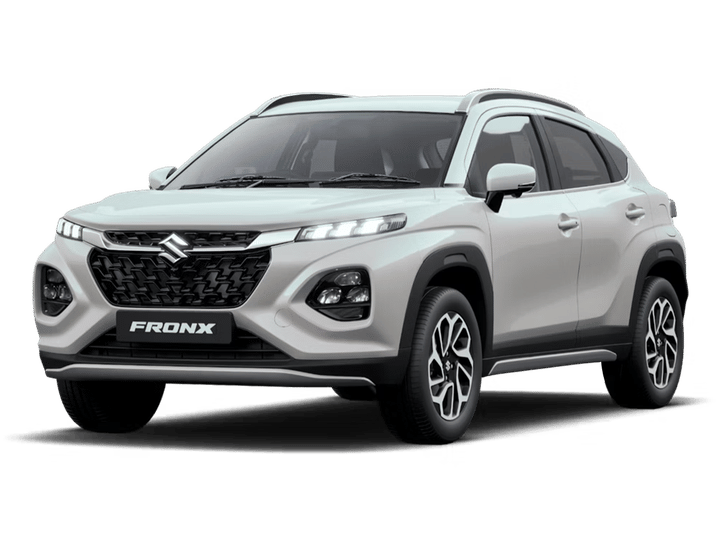
I would like to know whether buying magnite N connect manual is a right decision in Pathanamthitta district comparing maruti brand? And which is more advisable, manual or AMT based finance and service?

No comments yet

Be the first one to start the conversation

More questions on similar cars

2d

Is it worth spending on luxury ICE cars today, or is it better to invest in an EV for a daily run of 80km that includes both city and highway driving? I am considering BYD for the EV option and German rivals for ICE cars. Which would be better with good ground clearance for a long-term ownership period of 10 years?

Verified
4h

For a daily run of 80km with a mix of city and highway driving and a 10-year ownership horizon, the decision between a luxury ICE car and a BYD EV comes down to your priorities rather than a simple ICE vs EV debate.If you are considering German luxury cars, you are looking at a very different ownership proposition to a BYD EV. The German cars will offer a more premium experience, better driving dynamics and a more emotional ownership experience, but they will also come with higher maintenance costs and greater complexity over 10 years.The BYD EV, on the other hand, is a more rational choice. It will be significantly cheaper to run, has fewer moving parts and is likely to be more reliable over the long term. Your 80km daily run is well within the comfort zone of modern electric cars, and if you have access to home charging, the ownership experience becomes very straightforward.The key question is whether you value the premium experience of a German luxury car enough to justify the higher running costs over 10 years. If your priority is long-term reliability, low running costs and a hassle-free ownership experience, the BYD EV is the better choice.If you are buying with your heart and want the premium experience, the German ICE car still makes sense, but go in with your eyes open about the long-term costs. Ground clearance is less of a differentiator at this level, as most luxury SUVs and EVs are broadly comparable. Ultimately, this is a head vs heart decision rather than an ICE vs EV decision.

23h

Hi, I am a 27-year-old first-time car buyer from Delhi NCR. My daily commute is around 25 km, including a mix of expressway and city traffic. My monthly running will be around 600 km, with an expected annual running of 7,000-8,000 km. I have access to EV charging at my apartment (Rs. 10/kWh) and at my workplace through a Statiq charger (Rs. 22/kWh). I was considering the Mahindra BE 6 Pack Two 59 kWh, as the car will mostly be used by my wife and me. I may send it to my parents in my hometown after 4-5 years, but not before that. My budget is around Rs. 21-22 lakh. The BE 6 is currently available with a Rs. 1.5 lakh discount, and a new version is expected to be announced soon. Would you recommend buying the BE 6 now, waiting for the updated version in the hope of better discounts, or opting for a Kia Seltos Diesel (Rs. 17-19 lakh) and upgrading to an EV after 4-5 years? I am not considering petrol cars because of concerns regarding E20 and future E25 fuel compatibility.

Verified
20h

Go for the Mahindra BE 6 Pack 2 59kWh. Your usage pattern is ideal for an EV, with a mix of expressway and city traffic, and you already have affordable home charging. At Rs 10/kWh, your running costs will be significantly lower than a diesel, and the BE 6’s 59kWh battery is more than adequate for your daily needs and occasional longer trips. The current discount makes it a strong value proposition, and waiting for the next version is unlikely to yield dramatically better deals given how quickly EV technology and pricing are evolving.The Seltos is a good car, but at 7,000-8,000 km a year, buying a diesel car is harder to justify because of the higher upfront premium. You would also be looking at a replacement in 4-5 years. The BE 6, on the other hand, can be handed over to your parents after that period, making it a more sensible long-term purchase. As for E20/E25 concerns, modern petrol engines are engineered for these blends, and there is no official roadmap beyond E20, so it should not be a reason to avoid petrol cars altogether.Overall, the BE 6 fits your usage, budget and long-term plans best.

VehicleMahindra BE 6
VehicleKia Seltos

Expert reviews worth reading

Popular discussions right now

6d

I currently own a Skoda Kushaq Petrol AT. Everything is fine except the mileage. I am getting only around 10-13kpl with E20 petrol. My daily running is around 100 km. Should I buy a diesel car or an electric car?

Verified
6d

With a daily running of around 100 km, fuel efficiency becomes a major factor in ownership costs. The Skoda Kushaq petrol automatic is a good car, but the 10-13kpl you are seeing is typical for a turbo petrol automatic, especially with E20 petrol. At this usage, a diesel or a strong hybrid makes far more sense.If you do regular highway runs, a diesel is still the most practical and cost-effective solution. The Mahindra XUV 7XO diesel automatic would be the recommendation here. It is a strong highway car, comfortable, spacious and the diesel engine will deliver significantly better fuel efficiency than your Kushaq. Diesel running costs will be far lower over your kind of mileage. If that is out of your budget, something smaller like a Kia Seltos diesel, while not as powerful, is even more efficient.If your usage is mostly city a strong hybrid could be a better solution. The Maruti Suzuki Victoris is the most practical and cost-effective option. It is well priced, has a proven track record and will dramatically reduce your running costs. The strong hybrid is better suited to the city, where it is more likely to run on its electric motor than use the engine and deliver the better mileage.

VehicleSkoda Kushaq
VehicleKia Seltos
VehicleMahindra XUV 7XO
VehicleMaruti Suzuki Victoris

Posted on: 4 Aug 2026