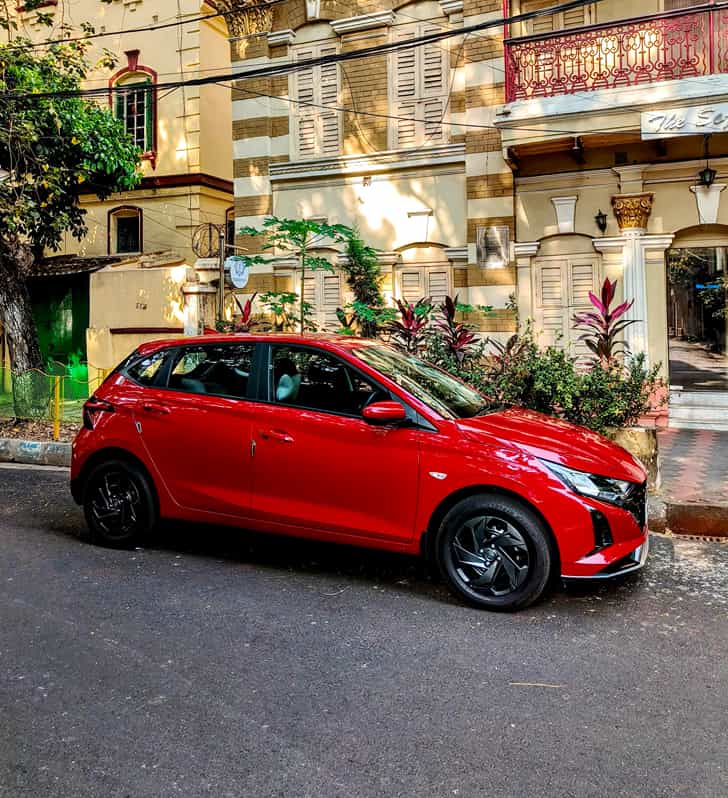
I’m confused between the Maruti Suzuki Dzire ZXI+ AMT and Honda Amaze VX CVT for my first family car. Both have an on-road price of around Rs. 11 lakh. But, the Dzire offers more features, including a 360° camera, sunroof, and TPMS, while the Amaze has a CVT transmission and a good reputation for reliability. Which one would you recommend for a first family car?

 Honda AmazeMaruti Suzuki Dzire
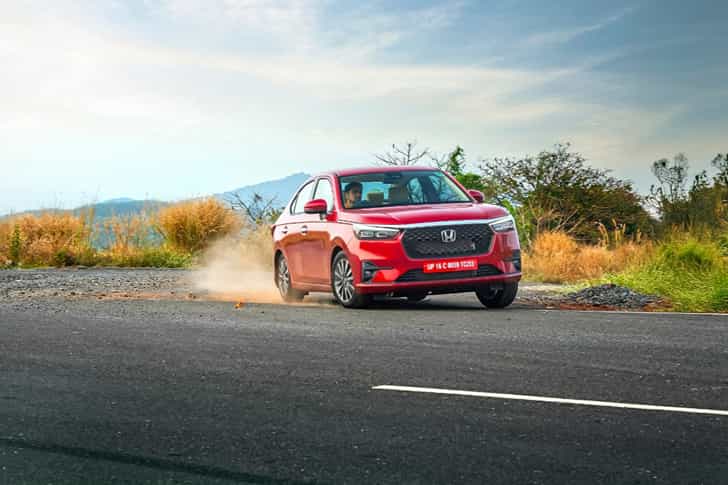
Hi, Autocar India, Currently, I have the 2020 Venue diesel. Now I, want an electric SUV. Also, I like XEV 9S but I am skeptical about waiting for BE7 but idk if i should wait or not also its easy for me to buy XEV9S with BAAS. Please suggest, should I wait for BE7 or buy XEV9S?
Mahindra XEV 9SMahindra BE.07Mahindra BE 6 SporteqUpcoming launch buzz
Community discussions on upcoming launches
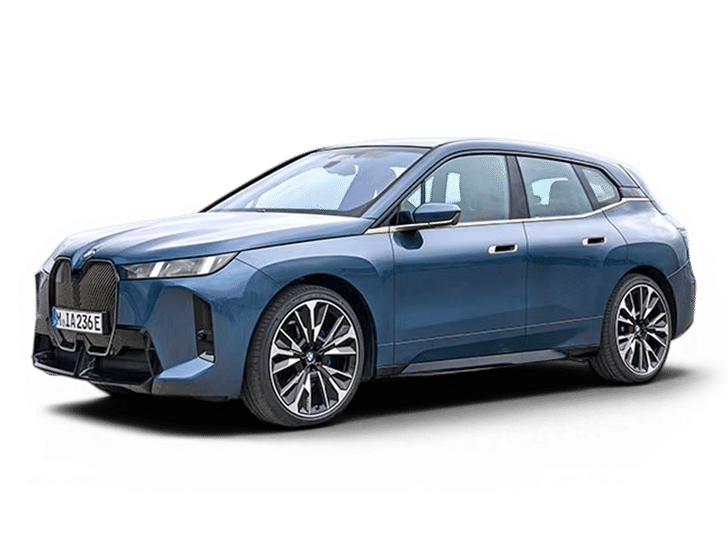
BMW
iX facelift
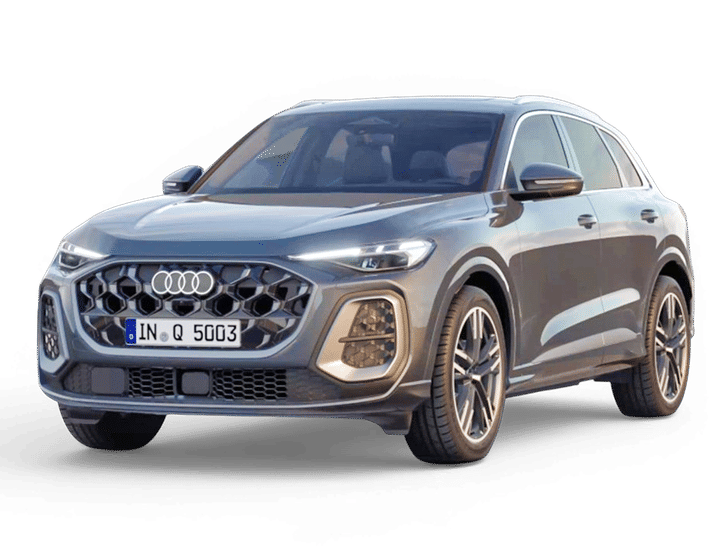
Audi
New Q5
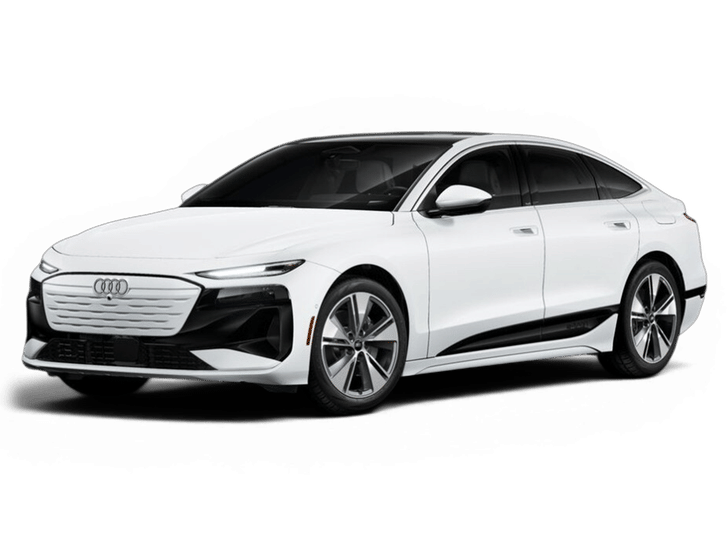
Audi
A6 e-tron
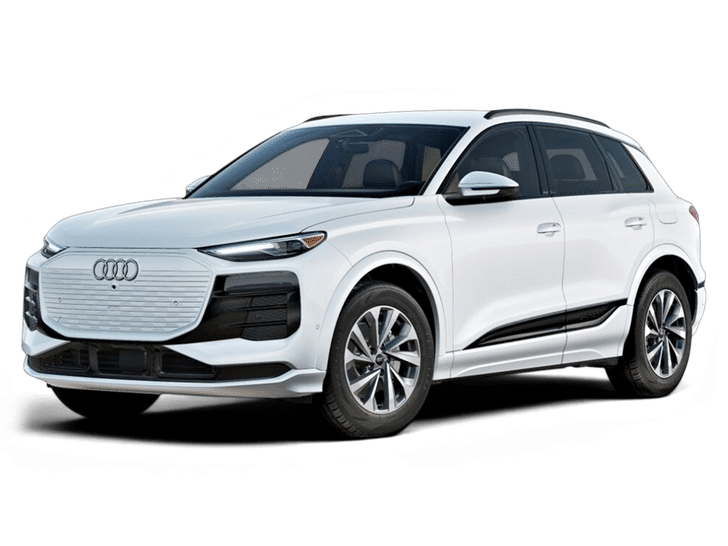
Audi
Q6 e-tron
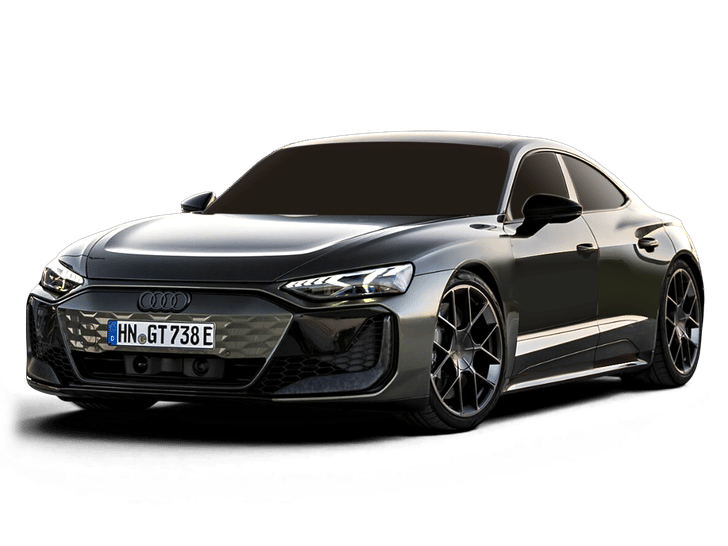
Audi
e-tron GT facelift
Volkswagen
Virtus facelift

Vinfast
VF5
Mercedes-Benz GLC
Electric
Denza
D9
Tata
Safari EV
I m thinking of an upgrade while still continuing with the swift LDI 2009. I have few options in mind and need your suggestions. 1. Mahindra XUV7XO: Because of great engine, space and relatively lower cost of ownership and maintenance while keeping it for at least 10 years. 2. Volkswagen Tayron: I like the car because of driving performance, luxury quotient and space for family. Only thing I dont like is absence of physical buttons. 3. Kodiaq L&K: Same positives as Tayron. I also like its interiors and colour combination however I m leaning more towards Tayron for its sporty performance. But with both these, I m concerned about how will it behave in long run on our bad road and what will be the cost of owning it in long term of at least 10 years compared to xuv 7xO. Please help.
Mahindra XUV 7XOVolkswagen TayronSkoda Kodiaq
Hi, I am looking to purchase a second car exclusively for commute to work. I travel 40 km daily (Mon-Fri). I have a Kia Carens DCT for other trips. Now, I am looking for a small Petrol AMT/EV with good mileage and rear-seat comfort. Should I go for Tiago EV base variant or look into petrol AMT of 4-m cars?
Tata Tiago EVKia Carens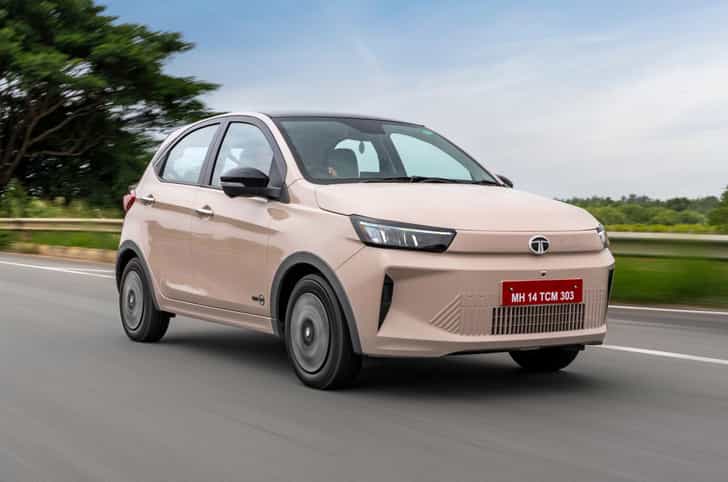
Hi! My annual running is around 9,000km in the city and 3,000km on highways. Should I buy the petrol Maruti Suzuki Dzire ZXi or the Brezza VXi with the 1.0-litre turbo-petrol engine and manual transmission? The Brezza felt a bit too wide and large for city use, and making U-turns is likely to be more difficult than in the Dzire. I also found the Brezza's softer seats potentially tiring over a 500km highway drive. I'm concerned that the turbo-petrol engine will be more complicated to maintain because of GPF cleaning requirements and the need for RON 95 fuel. Carbon build-up could also be an issue, given that only 30% of my annual running is on highways. On hills, I wonder if the turbo engine will leave me wanting more. By contrast, the Dzire felt more nimble and easy to manoeuvre. Its 15-inch tyres should also be fine for highway use. At cruising speeds below 100kph with two or three people on board, wouldn't it be nearly as good as the Brezza? The popular Z12E engine should also get an upgrade if E27 becomes the baseline fuel. However, would the heavier Brezza be safer in a crash? I plan to sell the car after four or five years, by which time the EV market should have stabilised. Wouldn't the petrol Dzire also have better resale value than the Brezza? Given my usage, what are the reasons I should seriously consider the Brezza?
Maruti Suzuki DzireMaruti Suzuki Brezza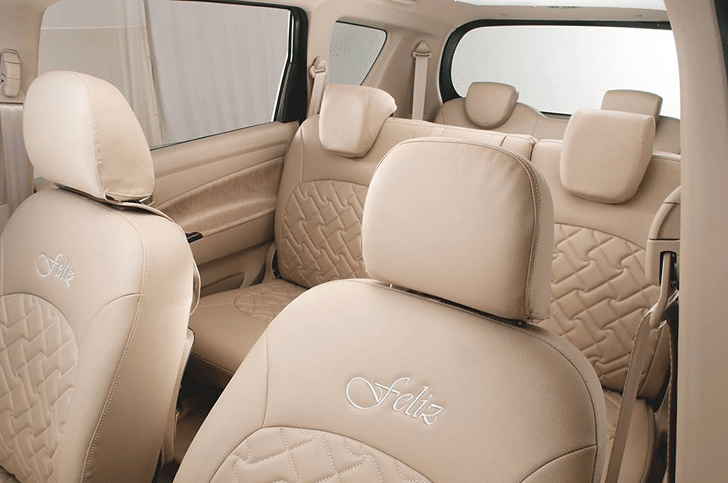
I’m from Visakhapatnam and am planning to buy a new SUV. I have been using a Honda Amaze diesel since 2013. Before that, I owned a Maruti 800 for 10 years. I am 63 years old and retired, and my annual running will be around 9,000-10,000 km. My driving will mostly involve a mix of city and highway use, and I intend to keep the car for 10-12 years. Mileage is one of my biggest priorities, followed by looks, driving enjoyment and long-term ownership costs. My budget is around Rs 16-17 lakh, and I want an automatic transmission. I also have a home charging facility. Should I consider the Kia Syros EV? My main concern is its boxy styling, which I don't particularly like. I also don't want a panoramic sunroof. Could you suggest which variant would suit my requirements from the following options: Kia Syros EV, Hyundai Bayon, Maruti Suzuki Victoris, Grand Vitara, Fronx facelift, Volkswagen Taigun, Honda Elevate and Toyota Urban Cruiser Hyryder?
Kia Syros EVMaruti Suzuki VictorisI live in Bangalore and am planning to buy my first car. I prefer a low maintenance, reliable and smooth everyday drive. It should be a family-friendly car with a spacious cabin, comfortable rear seats and a spacious boot. My usage will be relatively low, with city driving once or twice a week and a highway road trip once every couple of months. As a first-time car buyer, I also value ease of driving, predictable ownership costs and hassle-free after-sales service. The cars that I am currently considering include Kia Seltos, Skoda Slavia and Hyundai Creta. My budget is somewhere around Rs. 17 lakh (all inclusive). I am eligible for a BH number plate. Would appreciate your advice before making a final decision.
Kia SeltosHyundai CretaSkoda Slavia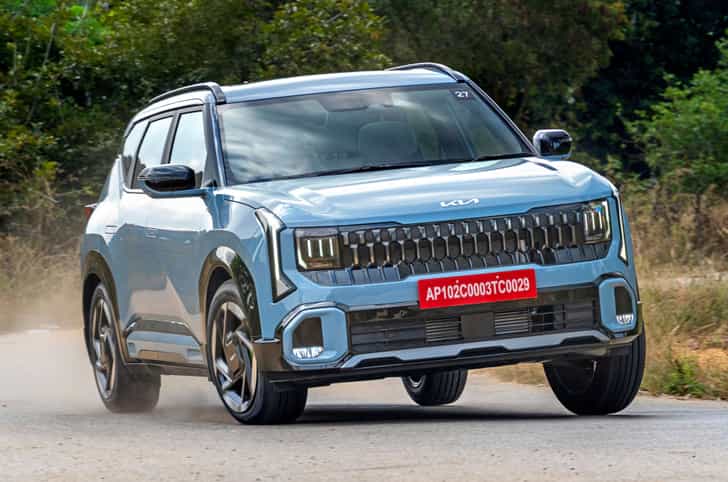
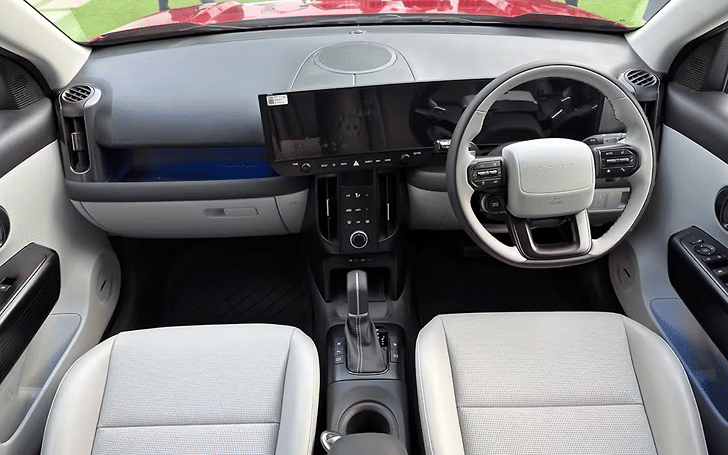
I own a Baleno diesel (2017) as my first car but now I have booked Seltos HTE diesel for Rs. 14.65 lakh (on road) but the delivery is in 8-10 weeks. Should I cancel the booking and look for any other option or wait for Baleno. I dont have any fixed running but my average monthly running is 1100/1200km. I also take 4 highway trips in a year. I want good performance, good buildup, good mileage and a comfortable car for a period of 10 years. My budget is Rs. 15 lakh that I can extend up to Rs. 17 lakh (max) if a car is worth that amount.
Kia Seltos
I am using a 2019 Kia Seltos 1.5 petrol Manual NA and am happy with this car. I am planning to change the car. I am considering buying the Duster hybrid now and am also considering waiting for Seltos/Creta hybrid by the end of 2027. We are a family of 3 so the current Seltos is perfect. I use an HTK variant as we are not into extra features. I am a driving enthusiast and have an inherent passion for fast acceleration, perfect handling and highly engaging car that is also easy to maintain and extremely reliable over a period of 7-years. What should I do? I also have a garage limitation of 1700mm height for any car.
Kia SeltosRenault DusterHyundai Creta