Autocar India
AG

Ajita Gawai

34w

I am confused between two cars Maruti XL 6 and Ertiga, which one is best efficient, comfort wise and within budget

Anshuman Singh

Anshuman Singh

Verified
33w
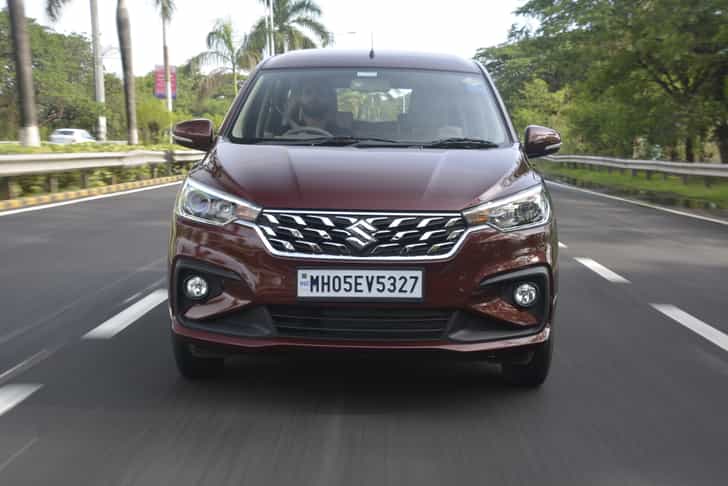
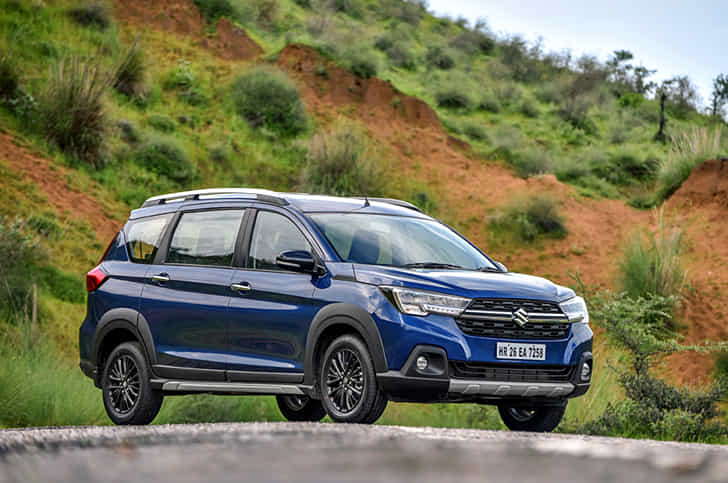
As your priority is comfort, the Maruti XL6 is the more suitable option. Its 6-seat layout with middle-row captain’s chairs, ventilated seats, and roof-mounted AC vents makes the cabin feel more premium and relaxed.
The Maruti Suzuki Ertiga is practical and spacious, but the third row is less comfortable for adults. With the XL6 priced between ₹14.18–17.59 lakh, it offers a more refined cabin experience, making it a strong choice if comfort is your main concern.

More questions on similar cars

CS

Chirajay Sharma

17h

Kindly suggest a good EV for a 100 km daily drive in Delhi. I am considering the e-Vitara, Nexon EV, and BYD Atto 3.

Autocar India team

Autocar India

Verified
36m

For a daily 100 km run in Delhi traffic and heat, the Tata Nexon EV 45kWh suits your usage best among these three options. It has enough real range to finish the day with plenty left, so jams won’t stress you. It can also be conveniently charged overnight on a home wall box, and Tata’s service and public charger presence is good in NCR.It also feels easy to drive in tight streets, rides bumps well, and is more affordable than the BYD. Two things to note: highway trips still need a bit of planning for fast chargers. If you'd like a bit more range, then consider the Tata Curvv EV, which now only comes in the 55kWh variant.If you want more cabin space, stronger highway performance, and fewer charging stops through the week, then the BYD Atto 3 is the upgrade option, though it comes at a significantly higher price.Overall, for your 100 km daily city use, the Nexon EV 45kWh lines up best.

VehicleTata Nexon EV
VehicleTata Curvv EV
VehicleBYD Atto 3
PB

PRABODH BOHRA

2d

My yearly running is around 10,000-12,000 km, with usage split roughly 50% city and 50% highway driving. I am planning to buy a 7-seater diesel SUV and am currently confused between the Tata Safari Diesel and the Mahindra XUV 7XO Diesel. However, I have heard a lot about DPF-related issues in modern diesel vehicles, especially with mixed city usage. Could you please advise which of these would be the better option for my requirements?

Autocar India team

Autocar India

Verified
18h

With 10,000-12,000 km a year and equal city and highway use, we would recommend the Mahindra XUV 7XO diesel automatic. It feels smoother and quieter in daily use, the automatic is easy in traffic, and it has a strong pull for quick highway passes when the car is full. It also packs more active safety tech, which is reassuring on long trips with family. Most of all, it doesn't feel as cumbersome to drive around town.On your DPF worry: both the XUV 7XO and the Tata Safari use the same type of filter to trap soot. With your 50 percent highway mix, the system usually clears itself. DPF trouble mostly shows up with very short, slow city trips only. Simple habits help: once every week or two, do 15-20 minutes at a steady speed on a ring road, don’t switch off mid-cycle if you see a DPF message, use good fuel, and keep the car on the latest software at service.The Safari diesel automatic is the one to pick if you value a softer low-speed ride and a roomier third row, but its engine and gearbox aren't as smooth or refined as the XUV's. Overall, for your mix of city and highway, the XUV 7XO diesel automatic lines up best.

VehicleMahindra XUV 7XO
VehicleTata Safari
MA

Manav

7w

My daily running is around 70 km. I’m confused between the Kia Seltos Diesel and Victoris CNG. My budget is under 15L. I’m hesitant about buying a diesel car, considering the discussions regarding future regulations and norms. Kindly suggest a perfect option.

Autocar India team

Autocar India

Verified
20h

For your usage of around 70 km daily, running costs become very important, and since you are also hesitant about diesel due to future regulations, it makes more sense to go for the Maruti Suzuki Victoris CNG.With this kind of running, CNG will be significantly more efficient and cost-effective compared to a modern diesel. Due to stricter emission norms, diesel cars are not as efficient as they used to be, so the cost advantage over CNG is no longer as strong as before. The Victoris CNG will help you keep running costs low while still offering a smooth and reliable ownership experience.One of the usual drawbacks of CNG cars is the loss of boot space, but in the case of the Victoris, this is less of a compromise. The CNG cylinder is smartly packaged under the boot floor, where the spare wheel would usually sit, so you still retain a usable boot. The only trade-off is that the car does not get a spare wheel, and instead comes with a puncture repair kit.The Kia Seltos diesel, on the other hand, is the better choice in terms of performance and driving experience, especially on highways. But given your hesitation towards diesel and the higher running costs compared to CNG, it may not be the most suitable option for your needs.

VehicleMaruti Suzuki Victoris
VehicleKia Seltos

Popular discussions right now

SU

Soumith Uppu

2d

I am looking for a family car and am currently confused between the Tata Punch Accomplished AMT, Maruti Fronx Delta Plus AMT, and Hyundai Exter HX6 AMT. Could you please help me choose the best option?

Autocar India team

Autocar India

Verified
1d

It's really hard to suggest a car without knowing a bit more about your requirements, like rear space requirements and the distance driven per month. Thus, as a good all-rounder for a small family, the Maruti Suzuki Fronx Delta Plus AMT fits your brief best. Pick this variant because it gives you the most rear-seat space and a bigger, more useful boot than the other two, so adults sit more comfortably, and you pack more for trips. It also feels light and easy to drive in traffic, and the ride is calm over rough roads, which helps passengers, especially elders or kids.Two things to note: this automatic can feel a bit slow to pick up when you press the accelerator hard, and you will miss a few fancy features that sit on higher trims. If you drive with a full load on steep hills often, you may want to try it once to see if the response suits you.If you value tough build and the best ride on broken roads above all else, the Tata Punch Accomplished AMT is the second choice. It also has a smaller footprint for tight parking and a feature-rich cabin at a price like the Hyundai Exter HX6 AMT, too. Overall, for family comfort and everyday ease, go with the Fronx Delta Plus AMT.

VehicleMaruti Suzuki Fronx
VehicleTata Punch
VehicleHyundai Exter
TE

TechiePetrolhead

1w

Hi AutocarIndia Team, I am really interested in the Tata Sierra EV. Any scoops or news on when we can potentially expect the same to be launched here in India? Thanks, TechiePetrolhead

Autocar India team

Autocar India

Verified
5d

If you are waiting for the Tata Sierra EV, the good news is that it does not seem too far away. Current indications suggest a launch could happen either later this month or in June.Expect it to slot below the Tata Harrier EV in Tata’s electric line-up, likely with multiple battery pack options and a more premium positioning than the Tata Curvv EV. Tata has also indicated that both Rear Wheel Drive and All Wheel Drive versions are planned, which should make it one of the more interesting mainstream electric SUVs in India.

VehicleTata Sierra EV
VehicleTata Harrier EV
VehicleTata Curvv EV
VA

Vasu

1w

I own a Honda City 4th Generation and have been getting an average fuel efficiency of 16.1 km/l over 85,000 km. Would it be worth installing a CNG kit to improve the mileage further? Please suggest.

Autocar India team

Autocar India

Verified
5d

With the kind of mileage you are already seeing from your 4th generation Honda City, I would not rush to fit a CNG kit. Around 16 kpl over 85,000 km is actually a healthy real world figure for a petrol sedan, and since the City is known for its smoothness and refinement, adding an aftermarket CNG kit will inevitably change the character of the car. Honda does not offer a factory CNG option for the City, so any retrofit will be third party, which means compromises in boot space, some loss in outright performance and the added variable of installation quality and long term reliability. Honda also recommends using fuel that meets the vehicle specifications, and aftermarket modifications can complicate warranty or support considerations on newer cars.A CNG conversion only starts making strong financial sense if your running is very high and you plan to keep the car for several more years to recover the kit cost. If your annual usage is moderate, the payback period can be longer than expected. The only real case for going CNG here is if fuel cost reduction is your absolute top priority. Otherwise, given how well your City is already performing, I would leave it as is and enjoy the refinement rather than fixing something that is not really broken.

VehicleHonda City

Posted on: 19 Sept 2025