Latest questions answered by experts
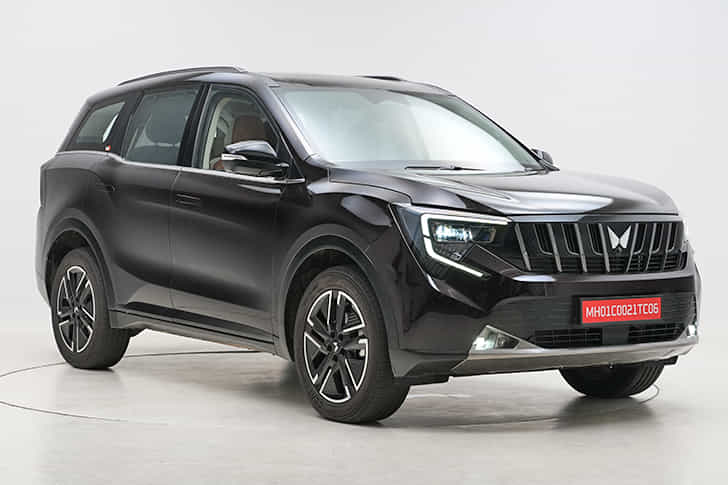
I m thinking of an upgrade while still continuing with the swift LDI 2009. I have few options in mind and need your suggestions. 1. Mahindra XUV7XO: Because of great engine, space and relatively lower cost of ownership and maintenance while keeping it for at least 10 years. 2. Volkswagen Tayron: I like the car because of driving performance, luxury quotient and space for family. Only thing I dont like is absence of physical buttons. 3. Kodiaq L&K: Same positives as Tayron. I also like its interiors and colour combination however I m leaning more towards Tayron for its sporty performance. But with both these, I m concerned about how will it behave in long run on our bad road and what will be the cost of owning it in long term of at least 10 years compared to xuv 7xO. Please help.
If you intend to keep your next car for at least 10 years, the Mahindra XUV 7XO is the more sensible choice financially, while the Volkswagen Tayron and Skoda Kodiaq L&K are more appealing if driving performance, cabin quality and a premium feel matter more to you.The Tayron and Kodiaq offer a more sophisticated driving experience, but their long term maintenance and repair costs are likely to be considerably higher than the Mahindra's, particularly once the warranty expires. On bad roads, all three can cope with normal use, but the European SUVs' larger wheels and lower profile tyres can make potholes more expensive to deal with.The XUV 7XO offers strong performance, good space and a wider service network, making it easier to justify over a decade of ownership.
Hi, I am looking to purchase a second car exclusively for commute to work. I travel 40 km daily (Mon-Fri). I have a Kia Carens DCT for other trips. Now, I am looking for a small Petrol AMT/EV with good mileage and rear-seat comfort. Should I go for Tiago EV base variant or look into petrol AMT of 4-m cars?
The Tata Tiago EV is an excellent fit for your daily 40km commute, especially since you already have a Kia Carens DCT for family trips and longer journeys. The Tiago EV is built around exactly this kind of urban use, with light controls, good visibility, a plush ride and low running costs. The 2026 update has also improved seat comfort and added rear AC vents, making it a more comfortable everyday car. Autocar India.With home charging, you can charge overnight and avoid petrol station visits altogether. The 24kWh version has a claimed range of 285km, with around 200km being a more realistic expectation, so your weekday commute should be easy to manage. The main thing to check is rear seat comfort in person, as space is adequate rather than generous.
Upcoming launch buzz
Community discussions on upcoming launches
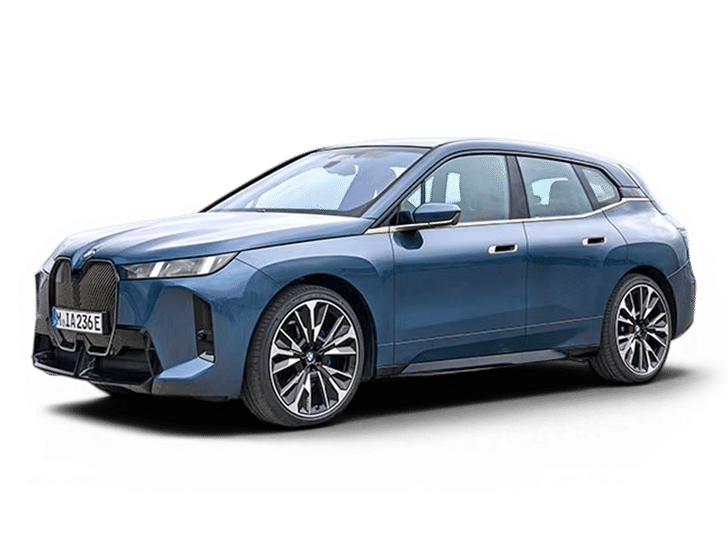
BMW
iX facelift
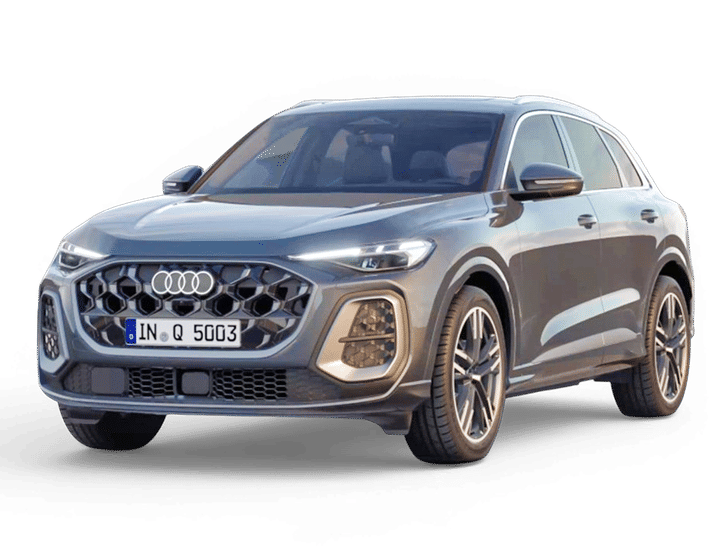
Audi
New Q5
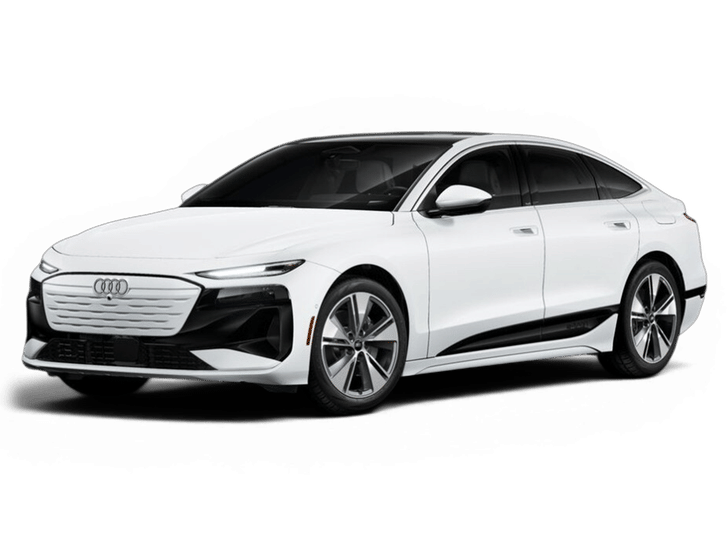
Audi
A6 e-tron
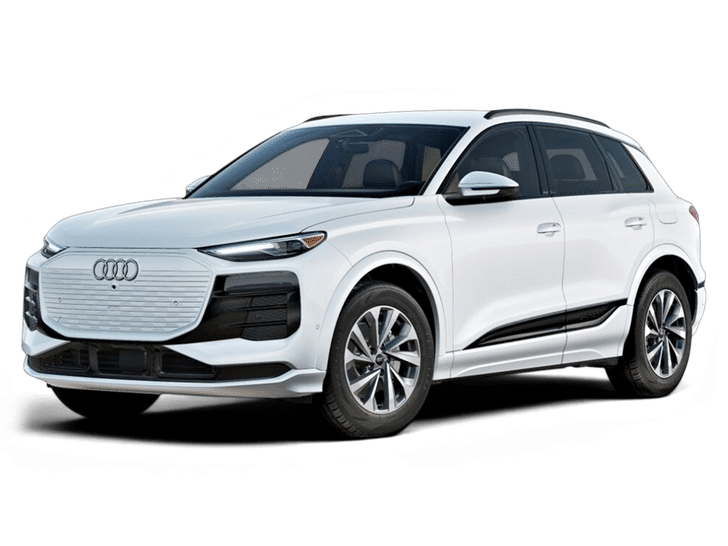
Audi
Q6 e-tron
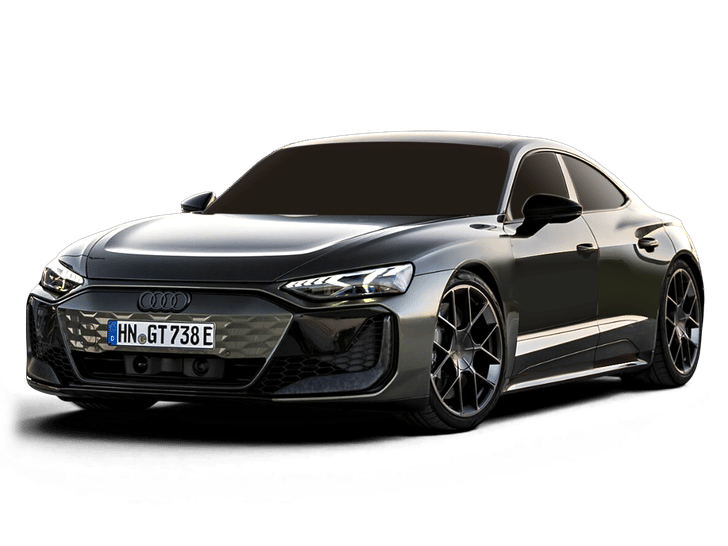
Audi
e-tron GT facelift
Volkswagen
Virtus facelift

Vinfast
VF5
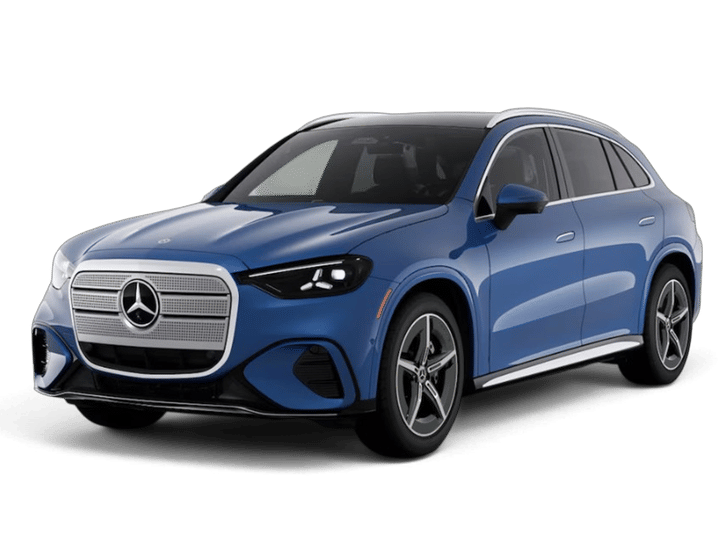
Mercedes-Benz GLC
Electric
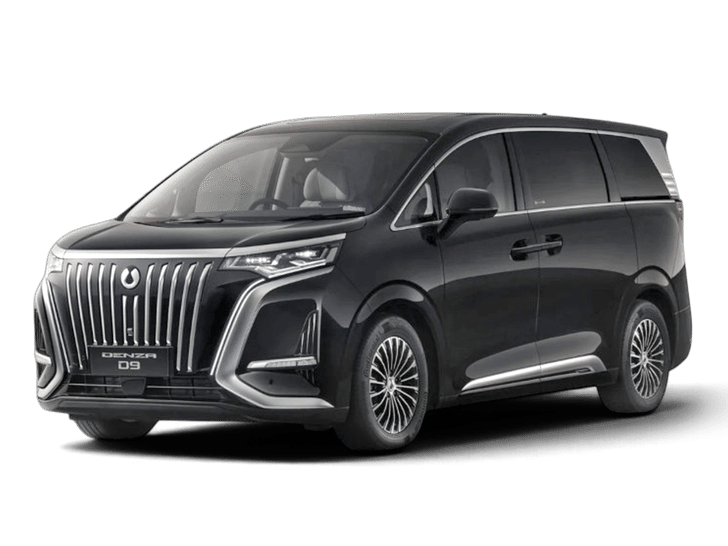
Denza
D9
Tata
Safari EV
Hi! My annual running is around 9,000km in the city and 3,000km on highways. Should I buy the petrol Maruti Suzuki Dzire ZXi or the Brezza VXi with the 1.0-litre turbo-petrol engine and manual transmission? The Brezza felt a bit too wide and large for city use, and making U-turns is likely to be more difficult than in the Dzire. I also found the Brezza's softer seats potentially tiring over a 500km highway drive. I'm concerned that the turbo-petrol engine will be more complicated to maintain because of GPF cleaning requirements and the need for RON 95 fuel. Carbon build-up could also be an issue, given that only 30% of my annual running is on highways. On hills, I wonder if the turbo engine will leave me wanting more. By contrast, the Dzire felt more nimble and easy to manoeuvre. Its 15-inch tyres should also be fine for highway use. At cruising speeds below 100kph with two or three people on board, wouldn't it be nearly as good as the Brezza? The popular Z12E engine should also get an upgrade if E27 becomes the baseline fuel. However, would the heavier Brezza be safer in a crash? I plan to sell the car after four or five years, by which time the EV market should have stabilised. Wouldn't the petrol Dzire also have better resale value than the Brezza? Given my usage, what are the reasons I should seriously consider the Brezza?
From what you have described, go for the Maruti Suzuki Dzire. You clearly prefer its compact dimensions, lighter feel and easy manoeuvrability, and with 9,000km of city driving annually, these advantages will matter far more often than the Brezza's higher ground clearance or SUV stance. The Dzire should also be perfectly capable of comfortable highway cruising at under 100kph with two or three occupants.The Brezza's main reasons for consideration are its higher ground clearance, more commanding driving position, more potent turbo petrol engine and greater flexibility on rough roads. However, if you already find it too wide for city use and have concerns about its engine and long term maintenance, there is little reason to stretch yourself into it.Both the new Dzire and Brezza have been crash-tested, so the comparison should use their actual ratings rather than assume the heavier SUV is safer. The new Dzire scored 5 stars for adult and child occupant protection under Bharat NCAP. The Maruti Suzuki Brezza has also received a five-star BNCAP rating for both adult and child protection. So, there is no reason to choose the Brezza solely because you assume it will be safer in a crash.
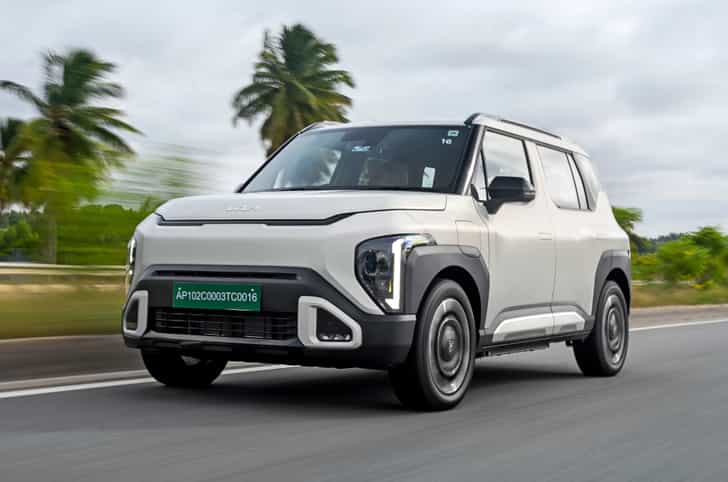
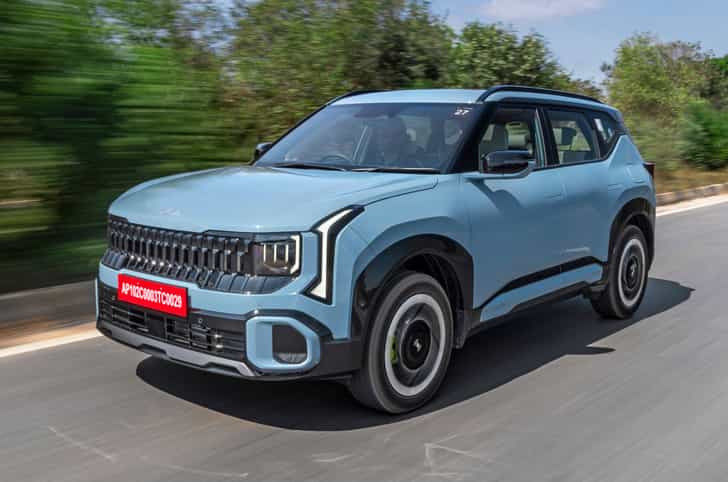
I’m from Visakhapatnam and am planning to buy a new SUV. I have been using a Honda Amaze diesel since 2013. Before that, I owned a Maruti 800 for 10 years. I am 63 years old and retired, and my annual running will be around 9,000-10,000 km. My driving will mostly involve a mix of city and highway use, and I intend to keep the car for 10-12 years. Mileage is one of my biggest priorities, followed by looks, driving enjoyment and long-term ownership costs. My budget is around Rs 16-17 lakh, and I want an automatic transmission. I also have a home charging facility. Should I consider the Kia Syros EV? My main concern is its boxy styling, which I don't particularly like. I also don't want a panoramic sunroof. Could you suggest which variant would suit my requirements from the following options: Kia Syros EV, Hyundai Bayon, Maruti Suzuki Victoris, Grand Vitara, Fronx facelift, Volkswagen Taigun, Honda Elevate and Toyota Urban Cruiser Hyryder?
If you can get past the styling of the Kia Syros EV, it is a compelling option for your requirements. It is smooth and powerful; the regenerative braking is beautifully calibrated, and the real-world range is good. Despite being under four metres long, it is surprisingly spacious and has a large boot, making it practical for family use. With home charging available and your intention to keep the car for 10 to 12 years, it is worth serious consideration. Just make sure you are comfortable with the design before committing.If you prefer an ICE vehicle and fuel efficiency is your biggest priority, the Maruti Suzuki Victoris strong hybrid is worth looking at. With current offers, it could come close to your budget, and its biggest advantage is fuel economy, with over 20kpl possible even in city driving.

I live in Bangalore and am planning to buy my first car. I prefer a low maintenance, reliable and smooth everyday drive. It should be a family-friendly car with a spacious cabin, comfortable rear seats and a spacious boot. My usage will be relatively low, with city driving once or twice a week and a highway road trip once every couple of months. As a first-time car buyer, I also value ease of driving, predictable ownership costs and hassle-free after-sales service. The cars that I am currently considering include Kia Seltos, Skoda Slavia and Hyundai Creta. My budget is somewhere around Rs. 17 lakh (all inclusive). I am eligible for a BH number plate. Would appreciate your advice before making a final decision.
Go for either the Hyundai Creta IVT or the Kia Seltos IVT within your budget. Both cars share the same 1.5 litre naturally aspirated petrol engine, which is refined and paired with a silky smooth CVT gearbox, making them easy to drive.Between the two, the Hyundai Creta has strong brand value, a wide dealer network and attractive offers currently available, making it a safe buy. However, as a product, the Seltos is slightly better as it is the newer car. It is more spacious, has a larger boot and its interiors feel more premium.The Skoda Slavia is a great driver's car, but if you are looking for a safe buy, go for either the Kia Seltos or Hyundai Creta.
I own a Baleno diesel (2017) as my first car but now I have booked Seltos HTE diesel for Rs. 14.65 lakh (on road) but the delivery is in 8-10 weeks. Should I cancel the booking and look for any other option or wait for Baleno. I dont have any fixed running but my average monthly running is 1100/1200km. I also take 4 highway trips in a year. I want good performance, good buildup, good mileage and a comfortable car for a period of 10 years. My budget is Rs. 15 lakh that I can extend up to Rs. 17 lakh (max) if a car is worth that amount.
Given your current 2017 Maruti Suzuki Baleno ZDi and monthly running of 1,100 to 1,200km, we would stick with the Kia Seltos HTE diesel rather than cancel the booking. You are used to the strong low speed pulling power and fuel efficiency of a diesel, and the Seltos offers a significant upgrade in cabin space, comfort and highway performance. Its 1.5 litre diesel produces 116hp and 250Nm, and is available with a six speed manual or torque converter automatic. Your annual running works out to around 13,000 to 14,000km, which is enough to make the diesel worth considering, particularly if your city journeys are not all short trips. The main caveat is that modern diesels need regular longer runs to keep the emissions system healthy, so if most of your driving involves short, slow city commutes, a petrol alternative deserves a closer look.
I am using a 2019 Kia Seltos 1.5 petrol Manual NA and am happy with this car. I am planning to change the car. I am considering buying the Duster hybrid now and am also considering waiting for Seltos/Creta hybrid by the end of 2027. We are a family of 3 so the current Seltos is perfect. I use an HTK variant as we are not into extra features. I am a driving enthusiast and have an inherent passion for fast acceleration, perfect handling and highly engaging car that is also easy to maintain and extremely reliable over a period of 7-years. What should I do? I also have a garage limitation of 1700mm height for any car.
Since the Renault Duster hybrid is already on sale, it deserves a serious test drive before you decide whether to replace your Seltos or wait for the next generation of Seltos or Creta hybrid. For a driving enthusiast, the Duster hybrid is an unusually appealing option. In our review, its 160hp powertrain delivered strong acceleration, while the steering, high speed stability and ride comfort impressed us. We also saw 16.9kpl in city driving. The main compromise is practicality. The Duster hybrid's rear seat is less spacious than the Seltos, and its boot shrinks to 372 litres because of the battery. Since you are a family of three and already find the Seltos' space ideal, check whether these compromises matter to you.

Dear Autocar team, I have just returned to India and am looking to purchase a compact SUV just for the two of us for 60-40% city and highway split. I want a car that feels lovely to drive and is engineered well. I am not into "features" for the sake of it. I almost bought the Sierra/Creta EVs, then realized that I don't want to spend so much, and haven't seriously thought about highway charging. I've tried the Kushaq/Taigun and really loved their built and handling. This is when I realized that I really care about the feel of driving. Only issues are firmer suspension and fuel economy. I've also booked the Duster hybrid which should solve these two problems, but I haven't test driven the petrol Duster long enough to know if I get a similar feeling on the drive. What I did feel was a cramped cabin on the duster as my left knee was on the center console and right knee was on the door. This was not a concern with the Kushaq and Taigun. I'll try the Duster petrol again, and then also the hybrid. But I wonder if I should just get the Skoda/Volkswagen since I love them. I should perhaps think about resale, maintenance etc.
If you loved driving the Skoda Kushaq and Volkswagen Taigun, go with one of them rather than settling for the Duster hybrid purely for its expected fuel efficiency and softer ride. You have already discovered that driving feel matters to you, and that is something you will notice every time you use the car. The Kushaq and Taigun feel solid, handle confidently and have well sorted turbo petrol engines. In our opinion, the ride is on the firmer side, but perfectly acceptable, and fuel economy for the 1.5 turbo petrol is not bad either, with around 9kpl possible in the city.Resale and maintenance costs matter, but they should not outweigh comfort and enjoyment in a car you intend to keep for years. Drive the Duster hybrid and the Kushaq or Taigun back to back, including a rough road stretch and some highway driving. If the Duster still feels cramped and the VW twins put a smile on your face, trust that feeling. You do not need to buy a more expensive EV or the newest hybrid simply because it promises better efficiency.
I am confused between Kia Carens Clavis and XUV 7XO. We currently have an Elevate and this will be our second car at home. Our total annual running comes to 13-14,000 km and we take 6-7 road trips with 6-7 adults annually (on average). Our running is 80-90% within city. I'm looking for Clavis HTX (O) DCT or the XUV 7XO AX5.
Since you already own a Honda Elevate, the Kia Carens Clavis HTX (O) DCT would make more sense for your second car, particularly because you regularly travel with six or seven adults. The Clavis has a more usable third row, where adults can sit with reasonable comfort, while the Mahindra XUV 7XO’s third row is cramped for adults on longer journeys. The Clavis also has an airy cabin, thanks to its large windows, and a comfortable ride that should make family road trips more relaxing.The turbo petrol engine offers adequate performance, although the DCT can feel jerky in stop and go traffic. Given that 80 to 90 per cent of your driving is in the city, you should experience this gearbox in heavy traffic before deciding.The XUV 7XO is the better choice if performance and driving engagement matter more to you. It is comfortable and spacious in the first two rows, but its third row is better suited to children.
I currently own a 2013 Swift ZDI diesel in a budget of Rs. 15 lakh for new car. My maximum weekly running is 150 km once in a week.
With your running limited to around 150km a week, a petrol car makes more sense than a diesel. Since you are used to the punch of the Swift ZDi’s diesel engine, the Skoda Kylaq or Mahindra XUV 3XO petrol automatic would be worth considering within your Rs. 15 lakh budget. Both offer lively turbo petrol engines and smooth six speed torque converter automatics, making them enjoyable for everyday use as well as occasional longer drives.The Kylaq is better suited to weekend trips, thanks to its larger boot, while the 3XO has a wider cabin that makes it the better option if you regularly travel with five people.
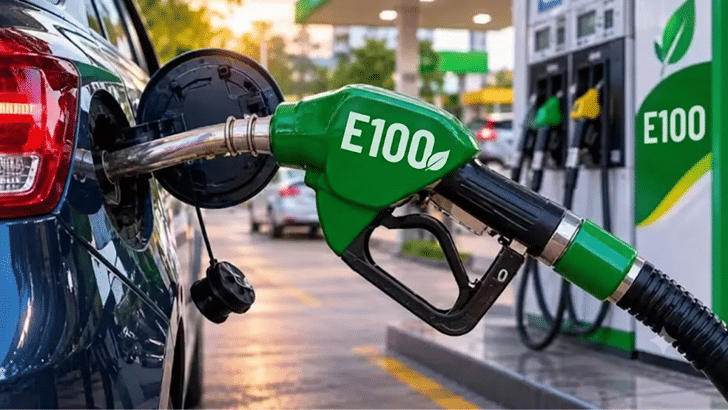
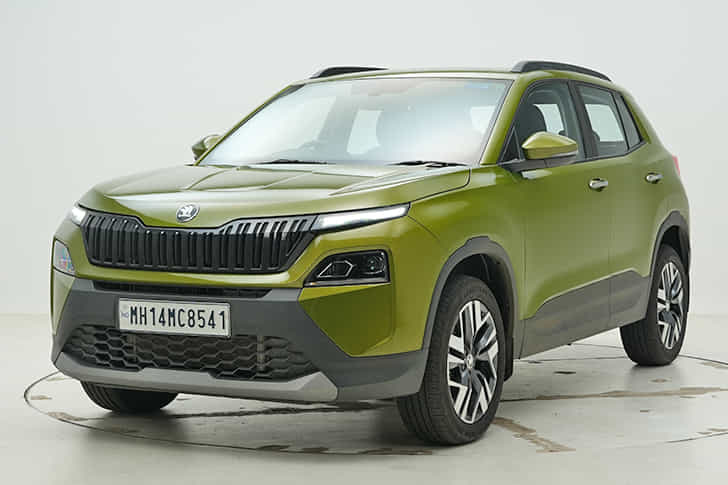
Hi Autocar, I have already booked Škoda Kylaq Classic+ Automatic with its delivery during the next 1 week but the government's move towards E100 fuel has raised concerns about whether higher ethanol blends, such as E20 or above, could cause EPC or maintenance issues with the Kylaq. Should I be worried about long-term reliability and maintenance costs?
There is no need to panic or cancel your Škoda Kylaq Classic+ automatic booking purely because of concerns around E100 or higher ethanol blends. The key distinction is between a government policy allowing higher ethanol blends and a mandate requiring every petrol car to run on them. Your concern about EPC warnings and maintenance is understandable, but it is important to establish what fuel the Kylaq's manufacturer officially approves before assuming you will face problems. Skoda confirms that all its BS VI petrol cars sold in India after 1 April 2020 are compatible with E20 fuel, and using E20 will not void the warranty on these cars under its standard warranty terms. The government has also clarified that the recent E100 regulation is for specially designed and certified flex fuel vehicles. It does not require existing cars to switch to E100, and the government said in July 2026 that no decision had been taken to increase the nationwide blend beyond E20.
Need expert advice?
Ask the Autocar community and experts.