
Autocar India
SK

Suresh Kumar

17w

I am confused between the Mahindra BE 6 and the VinFast VF7. My primary priorities are performance, handling, and driving range. Could you please advise which of these two electric SUVs would be the better choice based on these factors?

Autocar India team

Autocar India

Verified
5w

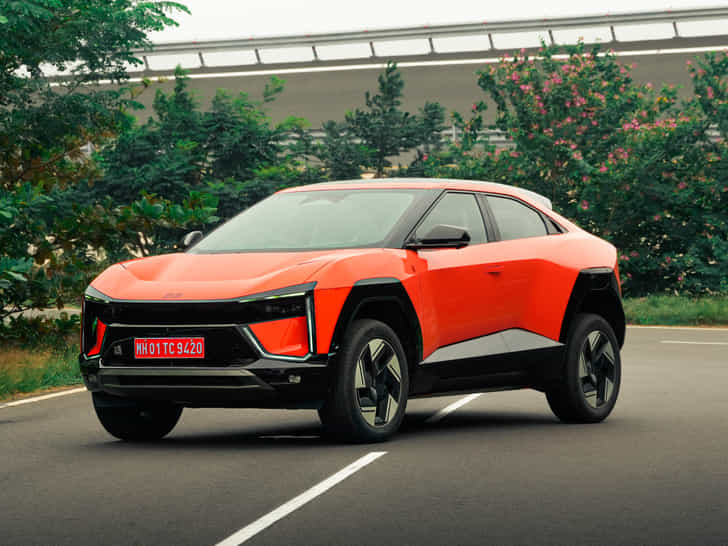
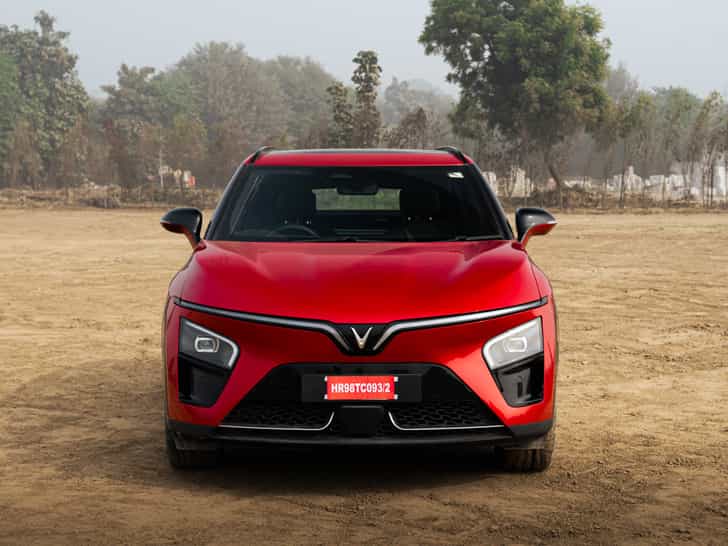
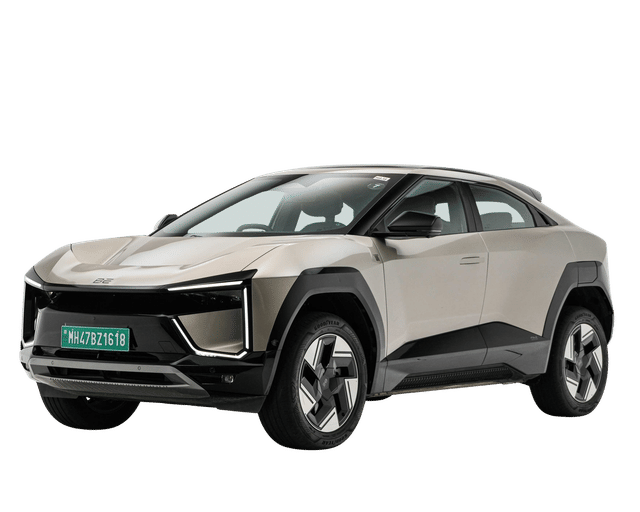
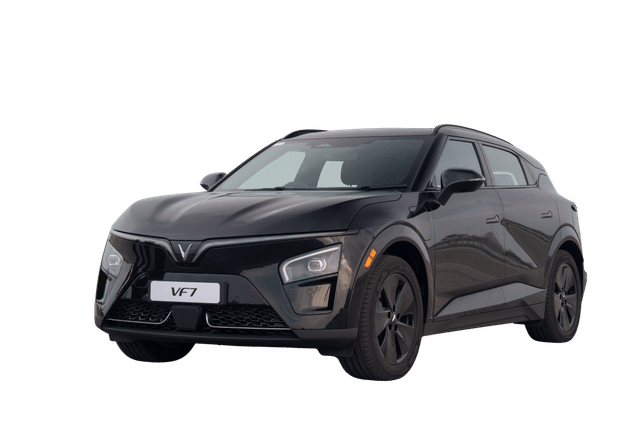
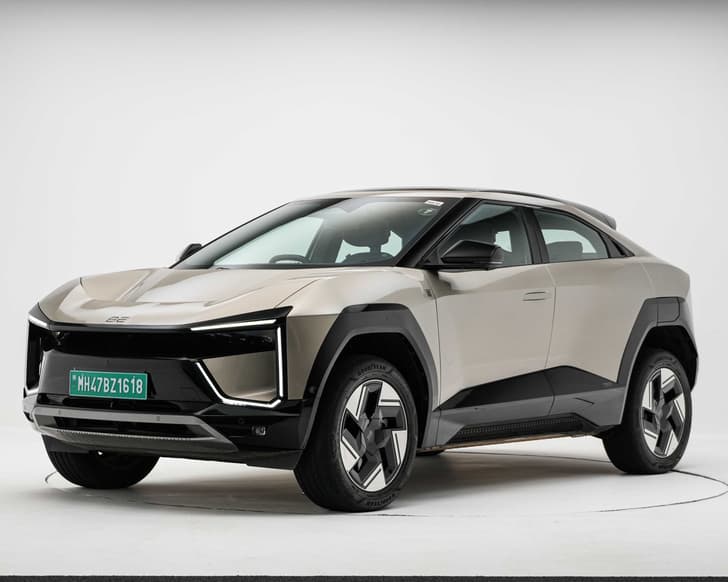
Both the Mahindra BE 6 and Vinfast VF7 are excellent EVs at a similar price but offer two completely different experiences. Where the Mahindra wows you with its design and long list of features, the Vinfast doesn't have the same road presence, though it is still unique-looking. 

Similarly, the interior of the BE 6 is far more radical and exciting to look at, but the VF7 is built of higher-quality materials and has better ergonomics. The biggest difference, however, is space, of which the Vinfast offers far more, especially in the rear seat, where the BE 6 is cramped. 

And finally, performance, where the VF7 comes in dual-motor guise with 350hp, the BE 6 offers 286hp for about the same price. The Vinfast's AWD system allows for much better acceleration than the RWD setup of the Mahindra. On handling, too, the lower-slung Vinfast feels sharper and more confident around corners, whereas the Mahindra feels loose, with lots of body roll.

As for range, the two have similarly sized batteries, and we expect range to be comparable. In our real-world test, the Mahindra achieved 449km of range overall, so expect the AWD Vinfast VF7 to offer a slightly lower number.
Mahindra BE 6

Mahindra BE 6

AK

Arun Kumar Agarwal

5w

Mahindra after sales service 🐕‍🦺

CH

Chandiswar

5w

Go for vf7 blind foldly

More questions on similar cars

SB

Surendra Babu

1d

Will using E20 blended petrol cause any damage to the engine of a pre-2023 model SUV?

Autocar India team

Autocar India

Verified
12h

Cars made before April 2023 were generally designed for lower ethanol blends, so while they will run on E20 without any immediate issues, they are not optimised for it. In real-world testing, older petrol cars have shown a noticeable drop in fuel efficiency of around 8-12 per cent, simply because ethanol has lower energy content.From a durability perspective, there is no evidence of sudden engine damage or failures. Industry testing and government-backed studies have shown that even older vehicles can run on E20 without abnormal wear or performance issues in the short to medium term.However, over the long term, there can be minor effects. Ethanol can be slightly more corrosive, so components like rubber seals, hoses or fuel system parts may wear a bit faster in some older cars. These are typically small, inexpensive replacements and not major engine issues.

AN

Aniruddha

1d

Hi Autocar India Team, I am planning to buy an EV in the ₹25 lakh range. It will mostly be used for a daily commute of around 40 km. My key considerations are: The car should comfortably seat five people. It should handle potholes and bad roads well. It should be reliable. Given that there are quite a few options that meet these criteria, I would appreciate your inputs to help narrow down the best choices.

Autocar India team

Autocar India

Verified
13h

For a daily 40 km commute with regular city use, the Kia Carens Clavis EV fits perfectly. It is a well-sorted, no-nonsense EV with a focus on comfort, space and ease of use. It seats five people comfortably, offers a compliant ride over bad roads and potholes, and feels simple and predictable to drive, which is exactly what you want from a daily-use electric car. It also has a more mature and practical approach compared to some newer EVs, which adds to long-term reliability and peace of mind.If you want something more futuristic and feature-rich, the Mahindra XEV 9e is worth considering. It delivers stronger performance, more technology and a more premium feel, along with a higher range. However, it is a larger and more expensive car, and not as easy to use in tight city conditions as the Clavis. The ride is also a bit bouncy, especially at the rear, and overall, it does not feel as polished as the Clavis EV.

VehicleKia Carens Clavis EV
VehicleMahindra XEV 9e
VS

Viraj Sanghavi

1d

I need a 6- or 7-seater because I have two child seats and two nannies. I have booked the Toyota Innova Hycross ZX(O) top variant for around ₹40 lakh on-road, but it doesn’t feel premium enough for the price. I am also considering alternatives like the Kia Carens Clavis EV and the BYD eMAX 7 (2025 model), which is available at a discounted on-road price of around ₹26 lakh. However, I am unsure about long-term resale value. Between the Kia and BYD, which would you recommend? Or should I stick with the Hycross considering better resale and ownership peace of mind?

Autocar India team

Autocar India

Verified
13h

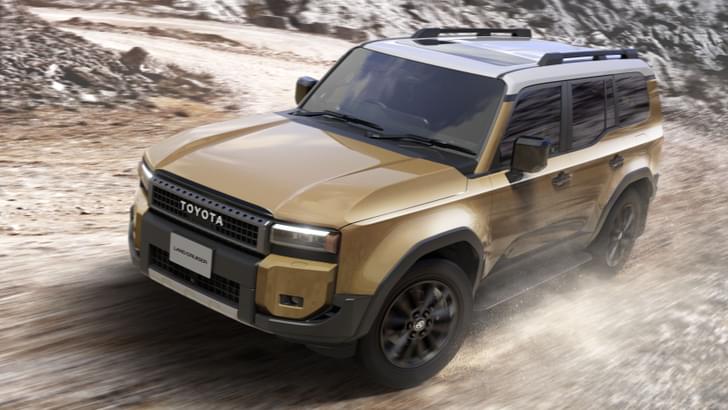
Toyota Innova HyCross may not feel special for the price, but it delivers exactly what your usage needs with genuinely usable third row space, flexibility for two child seats plus nannies. Also, it offers excellent ride comfort for family duties and, importantly, strong resale and hassle-free ownership that Toyota MPVs are known for in India. The BYD EMax 7 is the more practical of your EV alternatives, with good space and a more relaxed drive. While the Kia Carens Clavis EV would lean more towards features and a slightly more premium cabin feel. Both come with one clear trade-off today, which is that resale values are still a question mark compared to an Innova.The only drawback with the Hycross is that it does not quite justify its price in terms of outright premiumness. But overall, it remains the most complete, dependable and financially sensible choice for your needs, making it the one to stick with.

VehicleToyota Innova HyCross
VehicleBYD eMax 7
VehicleKia Carens Clavis EV

Popular discussions right now

PS

P S RAHUL

3d

I am 60 years old and have booked the Toyota Innova Hycross top-end variant. My usage will be mostly within the city, along with 4-5 long trips every year. Is this the right choice for my needs, or should I consider any other options? I plan to continue doing long-distance drives comfortably over the next 10 years.

Autocar India team

Autocar India

Verified
2d

You want a car that is comfortable in the city, easy to drive and capable of doing long trips for the next 10 years. The Toyota Innova Hycross fits this very well. The hybrid system makes it very smooth and quiet in city driving, and the automatic gearbox is effortless, which becomes more important with age. On highways, it is stable, comfortable and built for long-distance travel, which is what the Innova name has always stood for.What really works in your favour is long-term ownership. Toyota’s reliability, strong service network and resale value make it one of the safest bets if you plan to keep the car for many years. The Hycross also offers excellent space, easy ingress and egress and a comfortable ride, which are important for everyday use and for passengers as you grow older.

VehicleToyota Innova HyCross
SB

Shashidhar Bhat

1w

Hi, My monthly driving distance is around 1,000 km, mostly on highways, and safety is a priority for me. Automatic transmission is also a must. My budget is ₹12-13 lakhs. Could you please advise me on the best car for my requirements?

Autocar India team

Autocar India

Verified
6d

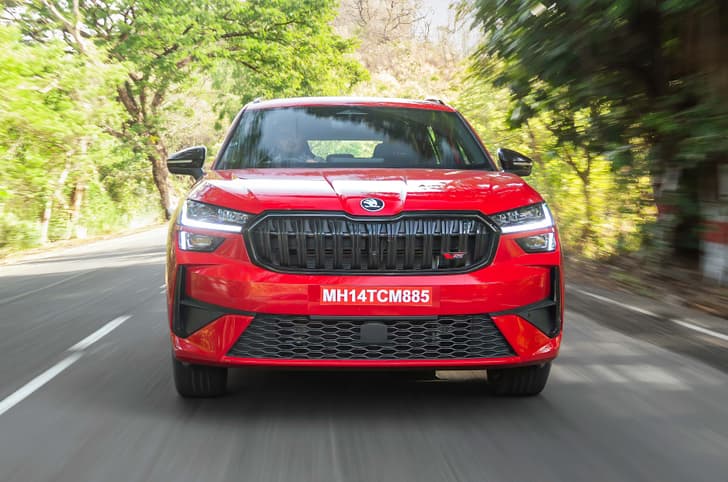
Mostly highway use, about 1,000 km a month, safety first, and an automatic in the Rs 12-13 lakh range, in that brief, we would suggest the Skoda Kylaq Signature. Its torque converter is much smoother than an AMT or DCT, so city driving feels easy, and performance from the 1.0 TSI makes highway overtakes effortless. The Kylaq has a 5-star crash score from Bharat NCAP and feels steady at highway speeds, which builds confidence. It also rides well over broken patches, so you are not tossed around.Two things to keep in mind: while the front seats are comfy and supportive, space in the back seat is a bit tight. It makes up for it with a large boot and a low loading lip. If you want more space, look at the Nissan Magnite Tekna Turbo CVT, which has a 5-star safety rating from Global NCAP.Overall, for highway-heavy use with safety at the top, the Kylaq lines up best in your budget.

VehicleSkoda Kylaq
VehicleNissan Magnite
VN

Vedant Nawange

1w

Hi, I am confused between buying the Kia Seltos diesel, which I love for its interior and power and which gives around 15 km/l mileage, and the Toyota Hyryder, which involves a slight design compromise but offers 22+ km/l mileage. My daily running is around 70 km, including both city traffic and highway cruising. Also, please share if there is even the slightest possibility of a Kia Seltos hybrid coming next year, as I would be happy to wait.

Autocar India team

Autocar India

Verified
4d

With a 70 km daily mix of traffic and highway use, we would lean towards the Toyota Urban Cruiser Hyryder strong-hybrid. Your usage is high, and the hybrid will use far less fuel in city traffic while staying calm and smooth. It pulls away on electric power at low speeds, so stop-go driving feels quiet and easy.You like the Seltos for its cabin and stronger shove, and that is fair. The Seltos diesel feels stronger when you press the throttle for quick passes, and its cabin does look and feel richer. If most of your 70 km is open highway and you really value that strong pull and the Kia car interior, the Seltos diesel automatic is still a solid pick.On a Kia Seltos hybrid: Kia does intend to introduce a hybrid, but timing is not yet decided as they are trying to localise components. We estimate it could arrive in 2027, but that could change. For your mix of city and highway, the Hyryder strong-hybrid lines up best with what you need right now.

VehicleKia Seltos
VehicleToyota Urban Cruiser Hyryder

Posted on: 23 Mar 2026