Autocar India
•20h

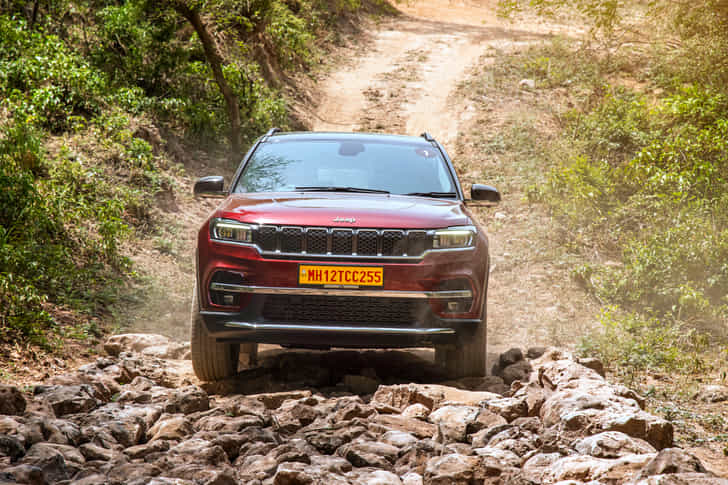
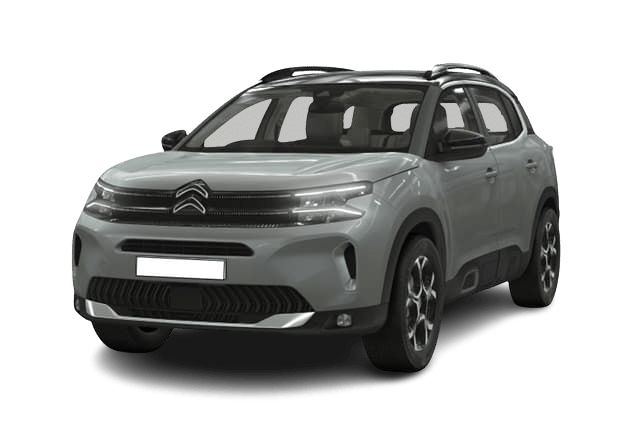
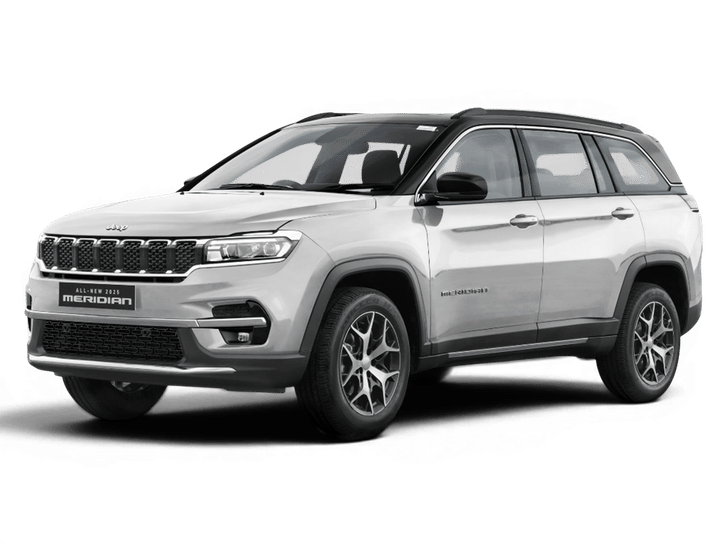
Hi Autocar team, I really enjoy the strong torque of diesel engines and currently drive a 4.5-year-old Tata Altroz diesel that has covered 95,000km. I am considering the Jeep Meridian for its highway ability, but I have read that its nine-speed ZF automatic gearbox can sometimes shift awkwardly or jerk. I am also considering the Citroën C5 Aircross, if I can find one, because of its ride comfort and eight-speed Aisin automatic gearbox. I drive around 20,000-25,000 km annually and prefer to travel by car rather than fly whenever possible. Since automatic gearboxes are expensive to repair, which is likely to be more reliable in the long run, the ZF unit in the Meridian or the Aisin unit in the C5 Aircross?

Verified
•3m
For your 20,000-25,000 km annual running and frequent long-distance trips, the Citroen C5 Aircross is the more appealing choice for ride comfort and gearbox refinement, while the Jeep Meridian has a stronger long-term test record with Autocar India. The C5’s Aisin 8-speed automatic is smooth and well suited to relaxed touring, but there isn't enough comparable long-term evidence to confidently declare it more reliable than the Meridian’s ZF 9-speed. The country of origin alone doesn't determine durability.
The Meridian’s gearbox can hesitate or hunt between gears at low speeds, as our long-term test noted, but the SUV completed more than 21,000km, including a demanding journey to Ladakh, without a mechanical fault. That is reassuring, though it cannot establish how either transmission will fare over 1-2 lakh kilometres.
Since you're buying new, test the Meridian in slow traffic and during repeated overtaking manoeuvres, and drive the C5 over the same route.
Citroen C5 Aircross

Citroen C5 Aircross

Was this helpful? Ask a follow-up

More posts on similar cars

•20h

Hi Autocar team, I am planning to buy a new car for daily use, as we already have a Maruti Suzuki Ciaz at home. I drive at least 15,000km a year, and probably closer to 20,000km, so I initially considered diesel options such as the Mahindra XUV 3XO MX2 diesel manual. The Kia Syros EV is also on my shortlist. The on-road price of the 3XO is around Rs 11 lakh, while the Syros EV costs about Rs 15 lakh, a difference of Rs 4 lakh. I estimate annual fuel costs of around Rs 1.09 lakh for the diesel and electricity costs of Rs 30,000 for the EV, with a payback period of roughly 4.5-5 years after accounting for lower servicing costs. I can charge at home daily, rarely travel more than 300km in one trip, and can use the Ciaz for longer journeys. I am also considering installing a home solar system for around Rs 2.25 lakh. Should I buy the Syros EV, stick with the 3XO diesel or wait for the upcoming Hyundai compact EV? What should I consider regarding battery warranty, resale value, real-world range and service experience?

Verified
•18m

Go for the Kia Syros EV. With your running of 20,000 km a year, home charging and a solar plant planned, the maths works in your favour. Your payback calculation of 4.5-5 years is realistic, and with solar, your running costs drop even further. The Syros EV is a well-rounded EV with a comfortable ride, good space and a smooth powertrain. Your usage pattern is ideal for an EV: daily charging at home, predictable running and the Ciaz available for longer trips.The Mahindra XUV 3XO diesel is a strong product and makes sense for high-mileage highway users, but your usage is city-heavy, and the EV will be far cheaper to run. The Hyundai compact EV is worth waiting for only if you are not in a hurry, but the Syros EV is already a very competent product. The only thing to keep in mind is resale value, which is still evolving for electric cars in India. But with your running and ownership period, the savings will more than offset that. Go for the Syros EV and enjoy the savings.

VehicleKia Syros EV
VehicleMahindra XUV 3XO
•22h

Hi Autocar India, I currently own a Skoda Slavia 1.0 TSI MT, but since my wife prefers to drive an automatic, I'm planning to sell it and upgrade to either Hyundai Verna 1.5 IVT or 1.5 Turbo DCT. I need a car that feels a little more responsive at the lower end, especially in stop-and-go traffic, as I find my Slavia slightly sluggish in this situation. My monthly running is around 1,000 km, with approximately 70% highway and 30% city driving. Between the two Verna variants, which one would you recommend based on my requirements? Also, are there any SUVs in the similar price range that offer good mileage and better low-end response? I would love to hear your recommendation.

Verified
•1h

The Hyundai Verna 1.5 IVT will certainly feel more responsive than the Slavia, especially in stop-go conditions, and this is the ideal choice for a city commuter. However, give that 70 percent of your usage will be on the highway, we'd suggest you opt for the Verna 1.5 Turbo DCT for its stronger performance and effortless overtaking ability. Coming from a Slavia 1.0, the 1.5 Turbo will feel like a good replacement for you as far as performance goes, and its 7-speed dual-clutch transmission will provide the convenience of an automatic that your wife is looking for.If you want to stick to a strong naturally aspirated petrol engine for better low-end performance as well as satisfactory highway effortlessness, consider the Honda City or Honda Elevate CVT. Honda's 1.5 feels much stronger that Hyundai's NA engine in the city and on the highway, with the only downside being refinement, where the Verna's petrol fares better.

VehicleHyundai Verna
VehicleHonda City
VehicleSkoda Slavia
VehicleHonda Elevate

Has E20 fuel affected your mileage?

Is ADAS worth paying extra for in a car?

Popular discussions right now

Want to sell your car?

Sell your car at the right price, without the stress.

Add a photo of your C5 Aircross

First sightings, real road conditions, delivery buzz

Posted on: 26 Oct 2026