
Autocar India
RA

Raaghu

11w

Does the new Tata Sierra diesel not have a DPF filter? I read a Team BHP review on the Sierra diesel that said the car can be driven without any hassle related to DPF issues. Is this right? Please let me know, as I am confused about whether to pick the diesel or the turbo petrol.

Autocar India team

Autocar India

Verified
10w
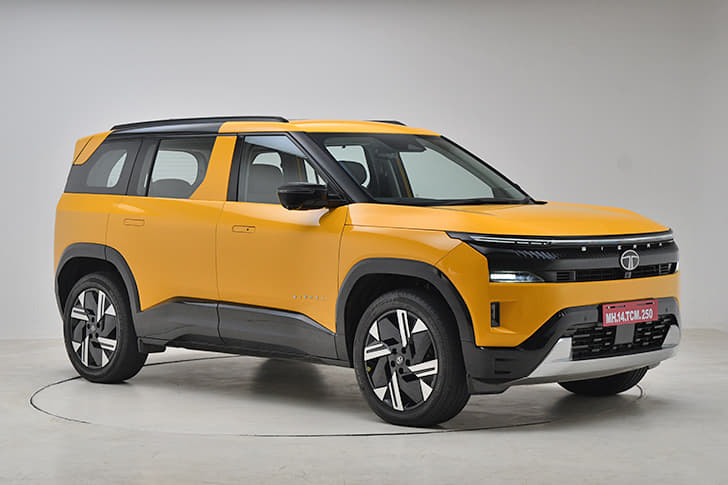
After BS6 emission norms came into effect in April 2020, all diesel cars in India,  including the new Tata Sierra diesel, have to come with a Diesel Particulate Filter (DPF). There’s no exception to this, because the DPF is essential to meet BS6 particulate emission limits. So yes, the Sierra diesel will definitely have a DPF.
What people usually mean when they say there’s “no DPF hassle” is that some cars are better calibrated and don’t throw up frequent warnings in normal use. A DPF works by trapping soot from the exhaust. Over time, this soot needs to be burned off in a process called regeneration. If you regularly drive at decent speeds for 20-30 minutes, the system cleans itself automatically. But if the car is used mostly for very short city runs where the engine doesn’t get fully warm, the soot can build up faster than it burns off. If regeneration cycles are repeatedly interrupted, the DPF can clog, triggering a warning light.
From what we’ve seen, Tata’s recent diesel engines seem to be reasonably well-tuned, and we haven’t heard of widespread DPF issues like some early BS6 diesels from other brands. That said, no diesel with a DPF is completely immune; your driving pattern plays a big role.
So if your usage includes regular, longer drives, the diesel should not be a problem. But if your driving is mainly short, stop-start city trips, a petrol will be the safer and more worry-free option.
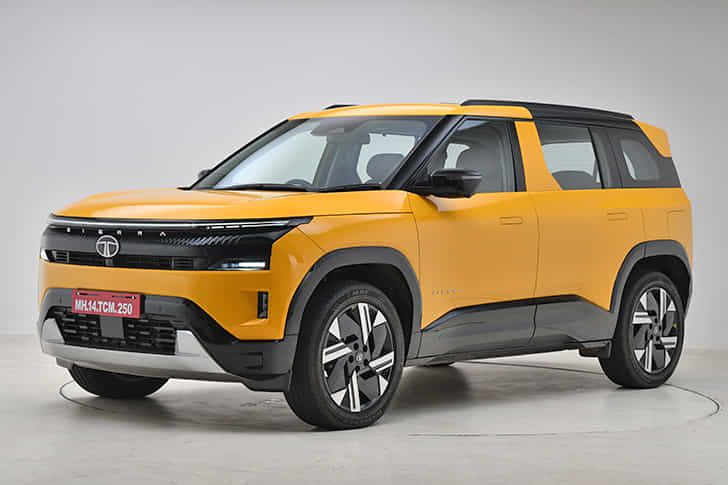
Tata Sierra

Tata Sierra

Explore cars mentioned

KU

Kushagra

3w

Planning to buy Kia Carens 2026 Minimum Weekly Drive 6 days of city driving (100 km) 1 day of highway driving (150 km) Apart from that 500-800 KM drive once in 3 month But confused Should I go ahead with it or not as the showroom person himself is suggesting to buy petrol instead because of DPF issues? Currently I'm having a Ciaz Diesel 2017 which successfully completed 2.5 lakh KM in 9 years.

AN

Ankit

10w

I need to know the real kerb weight of sierra 1.5L n/a pure variant. Some say 1300 kg others 1400kg. Weight is important coz I'm from hilly areas. Tata did not disclose sierra weight.

AS

Ashutosh Sahu

9w

1450kg according to dharm kanta

JA

Jithesh Augustine

10w

I planning to buy Tata Sierra pure DCA AT ... what is expected mileage

UP

UpshamGoyal

10w

Sierra has a DPF but it doesn't need adding Adblue/ urea

More questions on similar cars

SG

Satish Ganta

1w

Hi Autocar Team, I’m planning to buy my first car with a budget of around ₹20-25 lakh on-road in Hyderabad, and I would really appreciate your expert recommendation based on my usage pattern, family needs, and recent test-drive experiences. My usage: - Daily office commute: ~30 km/day, ~20 days/month in Hyderabad city traffic - Highway usage: - 4 hometown trips per year (~1200 km round trip each) - Occasional nearby trips (~200 km, once a month) - Total annual running: ~14,000-15,000 km Family: - Family of 3 currently (myself, spouse, and a young child) - Rear seat comfort and long-distance comfort are important, especially during highway trips with family My priorities: 1. Smooth and stress-free city driving 2. Effortless highway overtaking and cruising 3. Comfortable long-distance travel 4. Reliability and peace of mind 5. Good overall ownership experience 6. Reasonable mileage 7. Since this is my first car, ease of driving and confidence in city conditions are also important Shortlisted variants: Kia Seltos: - 1.5 Turbo Petrol DCT - HTK (O) and HTX (A) - 1.5 Diesel AT - HTK (O) and GTX (A) Tata: - Sierra Accomplished Turbo Petrol AT - Sierra Accomplished Diesel AT - Harrier Turbo Petrol Adventure X+ Dark Edition My driving impressions so far: Kia Seltos Turbo Petrol DCT: - Felt punchy, quick, and fun to drive - Strong acceleration and confidence during highway overtakes - But I am slightly concerned whether the DCT may become tiring or jerky in long-term Hyderabad traffic usage and mileage Kia Seltos Diesel AT: - Felt smoother and more relaxed in traffic - Very easy and effortless to drive - Felt more comfortable overall for long-distance cruising - Not as exciting as the turbo petrol, but felt more balanced for mixed usage - DPF Concern? Tata Sierra: - Loved the road presence, cabin space, and comfort - Felt premium and spacious for family usage - But I’m concerned about first-generation product reliability, software/electronics niggles, and long-term peace of mind Tata Harrier: - Felt solid, spacious, and comfortable - But I’m unsure about Tata’s long-term reliability and after-sales consistency compared to Kia One specific dilemma I have regarding the Seltos: I feel the HTK (O) variants offer very good value for money, but they miss the 360-degree camera. Since this will be my first car, and Indian city traffic/parking situations can sometimes be challenging, I’m confused whether a 360 camera is: - a must-have feature for beginner confidence and daily usability, or - simply a good-to-have premium feature that I may not really miss after getting used to the car. Another reason I’m considering the GTX (A) Diesel AT is that the price difference between the HTX (A) Diesel AT and the GTX (A) Diesel AT is only around ₹50,000, which makes the top variant seem more justifiable. Given my driving pattern, family needs, and long-term ownership expectations, which powertrain and variant would you recommend as the best all-round choice? And in your opinion, is the additional spend for HTX/GTX variants over HTK (O) genuinely worth it in real-world ownership? Thanks in advance for your guidance.

Autocar India team

Autocar India

Verified
2m

With 30 km a day in Hyderabad traffic and many long highway trips with your family, the Kia Seltos 1.5 diesel automatic fits your brief best. And we would pick the GTX (A) if the on-road jump over HTX (A) is truly about Rs. 50,000 in your city. It suits your daily grind because this automatic is the smooth, torque‑converter type, so it moves off cleanly and does not feel jerky when traffic is moving slowly. On the highway, it has a strong pull at low revs, so overtakes need less planning, and cruising is calm, which will keep your family fresh on those 1,200 km runs. Kia’s network and general ownership experience are also more consistent today than Tata’s, which answers your peace‑of‑mind point.Two honest watch-outs. A diesel has a filter in the exhaust that needs a good hot run now and then to clean itself. Your routine already has monthly highway trips and four big drives a year, so that should keep it healthy, but avoid only short, cold hops. Also, the Seltos ride is on the firmer side at low speed, so sharp bumps will be felt more than in the Tata twins.On the 360 camera worry: it is not a must-have, but for a first car in tight city parking, it does reduce small scrapes and stress. If GTX (A) adds it and other useful safety bits for about Rs. 50,000 more, that is money well spent. If you prefer petrol only, the Seltos turbo DCT is quick and fun, but in slow traffic, it can feel a bit busy and will use more fuel. Overall, for your mix of city and long highway runs, the Seltos diesel AT GTX (A) lines up best with what you described.

VehicleKia Seltos
SK

Sandeep Kasireddy

4d

I currently own a Creta petrol manual 2019, driven around 85K Kms. I know not a normal petrol usage pattern, but usage turned out to be high. Now we are setting up a small-scale industry where I need a car to travel to the plant every single day for my parents, and I would visit the plant weekly. While I live in Bangalore, my parents live in a place called Tirupati. The plant would come 45 Kms to my parents, 180 Kms to me. I thought of having the creta petrol manual with my parents, and I thought of driving a diesel, but clearly looking at the current trends - I doubt a diesel and may have to think about an EV. What would you guys suggest as a second car for me, assuming that I am part of the Autocar’s core team and a friendly colleague of yours 🙂 I once decided on Creta Electric or Kia Carens Clavis Ev, clearly for the Korean tech. But not sure of its value proposition. PS: The new AAA series is just awesome. And I am an ardent fan of Autocar content. The recent episode of Hormazd with his Mum was so happy to watch.

Autocar India team

Autocar India

Verified
32m

Thank you for your kind words :-)Your use will be mostly in Bengaluru city, with one long 180 km run each week to the plant, while your parents do daily 45 km trips in the Creta. In this mix, pick the Hyundai Creta Electric, ideally the larger-battery version, and leave the petrol Creta with your parents. It suits your Bengaluru routine better because it is easy to drive and very quiet, so daily traffic is less tiring, and its size is simpler to park than a big three-row car. For the weekly highway run, an EV works if you charge at home and either top up at the plant or plan a quick stop on the route. There are public fast chargers on most big Bengaluru highways now, including towards Andhra, but do check your exact route and set up a charger at the plant if you can. The Kia Carens Clavis EV only makes sense if you often carry six or seven people or lots of gear; otherwise, you pay more, use more energy, and don’t gain much for solo trips. For your pattern, Creta Electric fits best.

VehicleHyundai Creta Electric
VehicleKia Carens Clavis EV

Expert reviews worth reading

Popular discussions right now

Posted on: 4 Mar 2026